You spot the flight attendant’s words and feel the room tilt—she was told to buy two seats, and the moment turned humiliating. The incident highlights how Southwest’s updated extra-seat rules can suddenly make travel expensive and embarrassing for people who don’t fit a single seat.
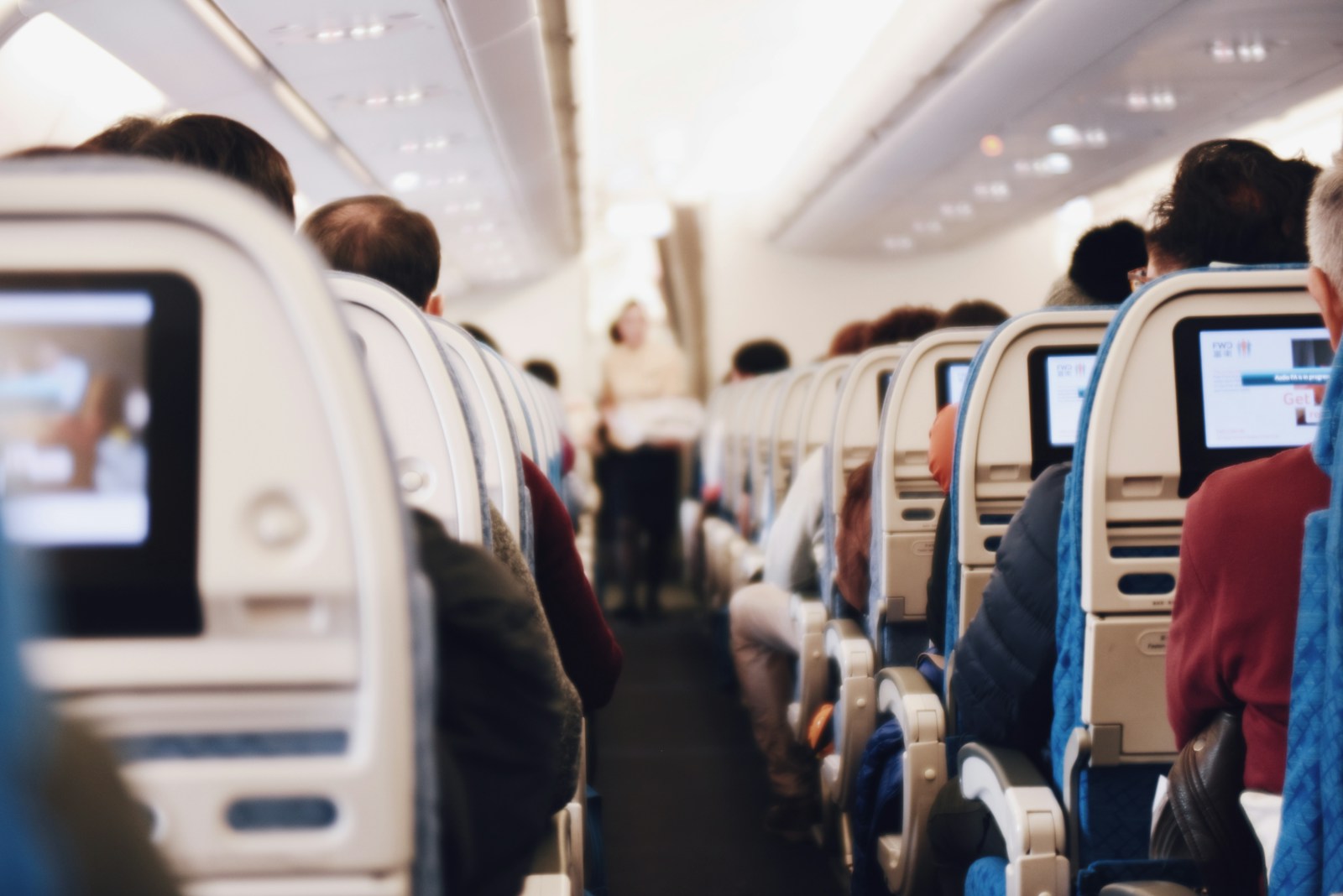
This post unpacks what happened, how passengers reacted, and what the policy change really means for future trips. Expect firsthand accounts, a look at Southwest’s policy shifts, and practical steps someone can take if they face the same situation.
The Experience: Passenger Reactions and Real-Life Impact
Passengers describe immediate embarrassment, unexpected costs, and questions about fairness when an airline requires purchasing a second seat. Many say the policy change shifted a private inconvenience into a public moment that drew attention from gate agents and nearby travelers.
Passenger Incident Details
She arrived at the gate prepared to fly and was told by staff she needed a second seat because her body did not fit within a single seat’s armrests. Staff asked her to purchase an adjoining seat; the agent said the airline’s policy required it. She bought the extra ticket to avoid being denied boarding, then learned the refund rules were restrictive and slower than she expected.
Other travelers nearby watched as the exchange unfolded, and the moment delayed boarding for several minutes. Receipts and boarding passes, now reflecting two paid seats, added a financial sting that highlighted how the policy translates into a direct out-of-pocket cost for some passengers.
Feelings of Humiliation and Public Response
She reported feeling humiliated and exposed when agents discussed seating needs aloud at the gate. The encounter became a visible, uncomfortable interaction rather than a private accommodation, which amplified shame and anxiety for her.
Social posts and comments following similar incidents show many sharing anger and sympathy in roughly equal measure. Some fellow passengers confronted staff; others offered private support or shared their own stories about being asked to buy extra seats, turning single incidents into broader social conversations.
Community Perspectives and Fat Acceptance
Fat acceptance advocates criticized the enforcement approach as stigmatizing, arguing that requiring purchase of a second seat without private handling perpetuates shame. They emphasize dignity, calling for policies that prioritize discreet solutions and clear refund pathways to reduce financial and emotional harm.
Supporters of the policy argue airlines must consider overall cabin safety and comfort, but critics point to examples where accommodations could be handled more respectfully. Conversations within fat acceptance circles focus on systemic change: training, policy language, and options that don’t single out passengers in public.
Advocacy for Plus-Size Passengers
Advocacy groups and some lawmakers have pushed for clearer guidelines, asking airlines to offer better customer service training and quicker refund mechanisms. They recommend private conversations, pre-flight options to purchase an adjoining seat during booking, and standardized measures that avoid gate-time confrontations.
Several advocates urge airlines like Southwest Airlines to publish step-by-step procedures and to communicate seating expectations before travel. They also call for monitoring complaint outcomes so passengers can see how disputes are resolved and whether refunds or policy exceptions are granted in practice.
Southwest Airlines’ New Extra Seat Policy: What Changed and Why
Southwest now requires passengers who need more than one seat to buy the adjoining seat in advance and may charge or rebook if an adjacent seat isn’t available at the airport. The policy ties extra-seat purchases to assigned seating, refund rules, and fare-class matching.
Overview of the 2026 Policy Update
Southwest replaced its longstanding day-of complimentary accommodation for passengers who needed additional space with a requirement to purchase an adjacent seat proactively. For travel on or after Jan. 27, 2026, customers who “encroach upon the neighboring seat(s)” must buy the extra seat when booking or face having to buy it at the airport at the fare and fees in effect that day. If the flight is sold out or no adjacent seat exists, the airline will rebook the passenger on a flight with available adjacent seating.
The airline frames the change as part of the switch to assigned seating and the rollout of new seat products like extra-legroom seats. This update removes the guarantee of a complimentary extra seat on a full flight and shifts the administrative burden onto the traveler to secure space in advance. Learn more about the broader policy context on Southwest’s Extra Seat Policy page.
Refund Request Process and Restrictions
Passengers who buy an extra seat can request a refund after travel, but the refund window and conditions vary. Southwest says it will refund extra-seat purchases if the customer requests it within 90 days of travel and the flight departed with at least one open seat; both seats must be in the same fare class to qualify. Purchases for itineraries that include partner carriers are listed as non-refundable.
Practical implications: customers should keep receipts and file refund requests promptly, and confirm both seats were sold in the same fare bucket. If a traveler buys a second seat at the airport because they didn’t purchase in advance, they may pay a higher fare. The airline also prohibits buying more than one seat solely to keep an adjacent seat empty.
Assigned Seating and Fare Class Implications
Assigned seating replaces Southwest’s open-seating model, which changes how extra seats are reserved and priced. When purchasing an extra seat, passengers must generally buy it in the same fare class as their primary ticket; that affects price parity and refund eligibility. Fare types such as Choice Plus/Choice Preferred/Choice Extra (and Southwest’s tiered offerings and partner benefits) can influence seat selection order and access to new extra-legroom products.
Customers with elite status or certain fare products may still get priority at selection, but the requirement to hold two contiguous seats remains irrespective of status if the passenger needs additional space. If the selected adjacent seat is a premium seat type, applicable seat fees or fare differences may apply. Passengers should check seat maps and fare rules before purchase to avoid unexpected charges.
Impact on Accessibility and Future Air Travel
The change affects travelers with larger body sizes, mobility limitations, and certain disability accommodations. Requiring advance purchase shifts responsibility to passengers to anticipate needs and secures space only if the airline or booking inventory allows it. Advocates warn this could create barriers if rebooking options are limited or if refunds become difficult to obtain.
Airlines and regulators may see increased scrutiny over how policies balance safety, dignity, and nondiscrimination. Travelers who need extra room should document interactions, know refund timelines, and consider purchasing at booking to avoid last-minute rebooking. For context on how Southwest described its update in public coverage, see reporting on the policy change and assigned seating rollout.
More from Cultivated Comfort:
- 7 Vintage Home Items From the ’60s That Are Collectors’ Dream Finds
- 7 Vintage Home Goods That Became Collectors’ Gold
- 7 Fast-Food Chains That Changed for the Worse
- 7 Frozen Dinners That Were Better Back in the Day

As a mom of three busy boys, I know how chaotic life can get — but I’ve learned that it’s possible to create a beautiful, cozy home even with kids running around. That’s why I started Cultivated Comfort — to share practical tips, simple systems, and a little encouragement for parents like me who want to make their home feel warm, inviting, and effortlessly stylish. Whether it’s managing toy chaos, streamlining everyday routines, or finding little moments of calm, I’m here to help you simplify your space and create a sense of comfort.
But home is just part of the story. I’m also passionate about seeing the world and creating beautiful meals to share with the people I love. Through Cultivated Comfort, I share my journey of balancing motherhood with building a home that feels rich and peaceful — and finding joy in exploring new places and flavors along the way.