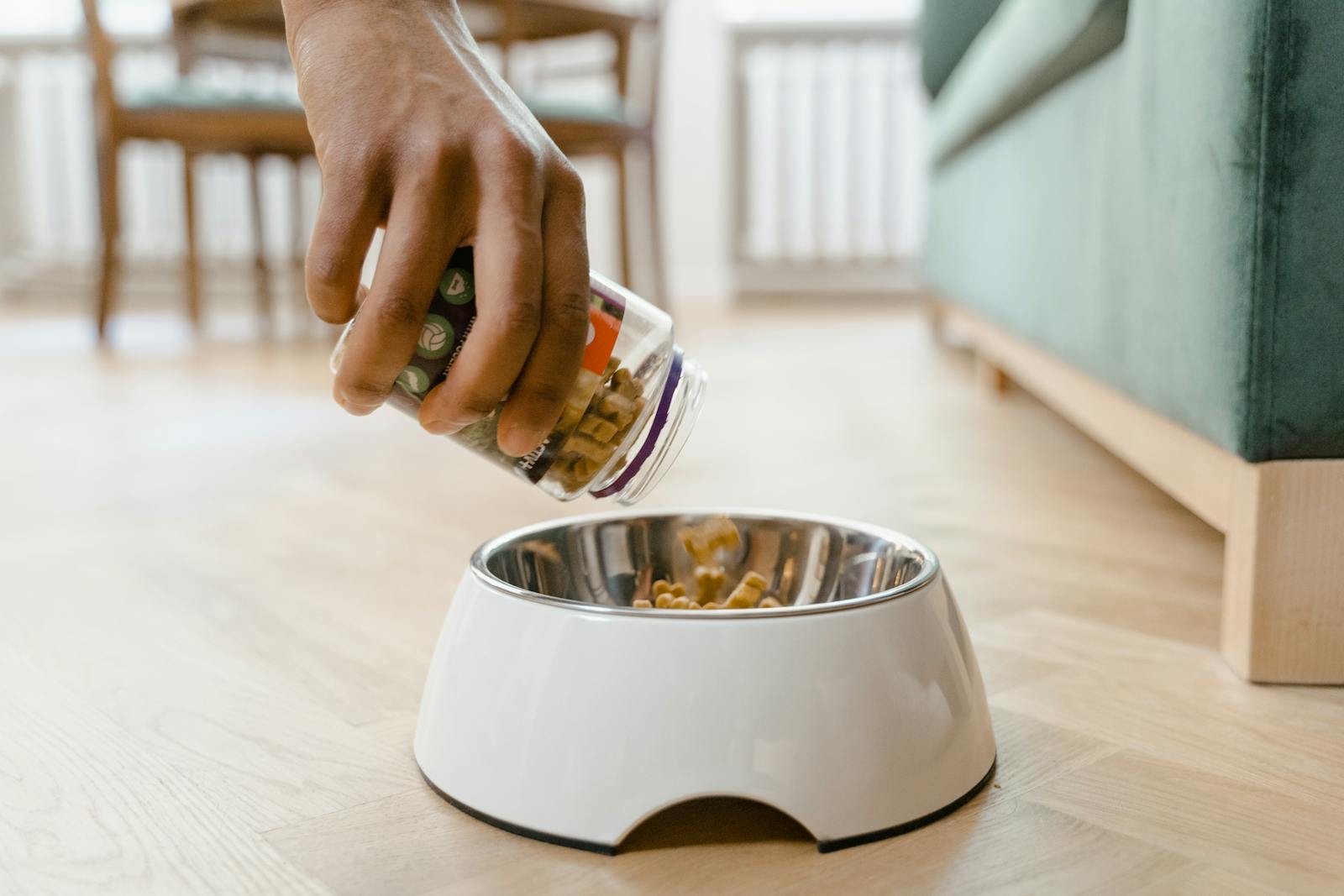
It’s one thing to spoil your pet a little when you finally have the money to do it. For a lot of people, that feels completely natural, almost like a small reward for both you and your dog. If you can afford better food, extra treats, or even just a few upgrades, it makes sense to want to improve their quality of life in simple ways.
But situations like this tend to get complicated the moment someone else starts paying attention. What begins as a harmless personal choice can quickly turn into something bigger, especially when comparisons enter the picture. And that’s exactly what happened here, where one person’s upgrade somehow became another person’s expectation.
When a Simple Upgrade Starts Raising Eyebrows
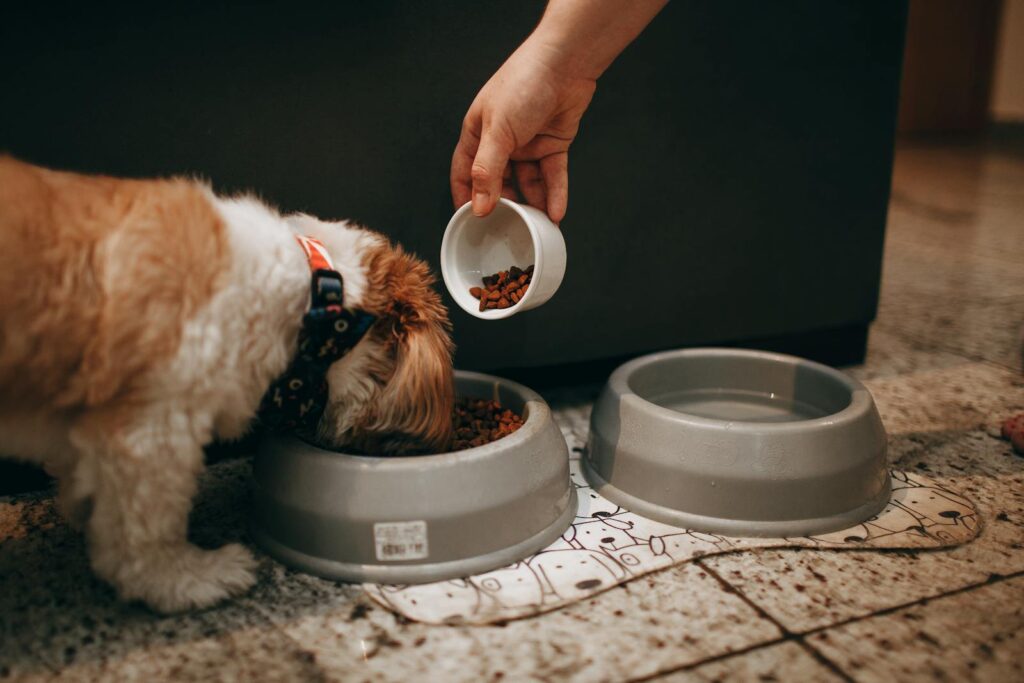
A college student recently found themselves in a slightly better financial position, not dramatically richer, but comfortable enough to make a few upgrades. Instead of spending the extra money on something flashy, they chose to invest it in something meaningful by improving their dog’s diet. They started buying higher-quality food, including raw meals and toppers, simply because they could now afford it.
To them, the decision wasn’t about making a statement or competing with anyone else. It was a quiet upgrade that felt reasonable and harmless, especially since it only affected their own pet. Under normal circumstances, this wouldn’t have caused any issues. But shared spaces tend to amplify even small differences in unexpected ways.
Once the new meals became part of the routine, it didn’t take long for someone else to notice. What seemed like a personal improvement suddenly became something visible and comparable. And that’s when the tone of the situation began to shift.
The Rules Stayed the Same, But the Mood Shifted
Before this, the household had a clear system that worked without problems. Each person had their own dog, and each person handled their own expenses, including food and vet care. There was no shared budget or expectation beyond that, which made things simple and fair.
That structure hadn’t caused any issues for a long time because everyone understood their role. But once one person started spending more on their dog, the dynamic began to feel different, even though nothing had actually changed. The rules were still intact, but the perception of fairness started to shift.
Sometimes, conflict doesn’t come from broken agreements but from changing circumstances. What once felt equal can suddenly feel uneven when one person has more flexibility than another. And even if nothing is technically wrong, those feelings can still create tension.
When Comparison Turned Into Expectation
The real issue started when the student’s sister reacted to the upgraded meals. Instead of seeing it as a personal choice, she saw it as an imbalance between the two dogs. In her mind, if one dog was getting better food, then the other dog should receive the same treatment.
But instead of upgrading her own dog’s meals, she expected her sibling to take on that responsibility. That’s where things shifted from a simple disagreement into something more frustrating. What had been a personal decision now came with an expectation attached to it.
This is where the situation started to feel uncomfortable. A choice that only affected one person was suddenly being treated as something that should apply to everyone. And once that expectation was voiced, it became harder to ignore.
Drawing a Boundary That Didn’t Sit Well
The student responded by setting a clear boundary, explaining that the original agreement still stood. Each person was responsible for their own dog, and choosing to spend more didn’t mean taking on someone else’s expenses. It was a straightforward stance that made sense.
However, the response didn’t go over well. Both the sister and their mother pushed back, calling the decision selfish and framing it as a lack of generosity. What started as a small disagreement quickly turned into a broader family issue.
That escalation is what made the situation stand out. Once emotions entered the conversation, the focus shifted away from responsibility and toward perceived fairness. And in that shift, the original logic started to get lost.
The Internet Didn’t See It as Complicated
“Your dog is your responsibility, her dog is her responsibility. If she wants better food, she can buy it.” — chalkybone
“Tell her to get her money up lol.” — kokomo318
“Personally I think your sister is the asshole for not buying my dog’s food. Sounds daft right?” — AfraidOstrich9539
“Raw and toppers are not necessarily better for your dog. Spend your extra money on enrichment instead.” — heyraychill
Most people didn’t see this as a complicated situation once the details were clear. The reactions focused heavily on personal responsibility and how quickly the situation shifted from choice to expectation. While some debated whether the upgrade itself was necessary, that wasn’t the part that really mattered.
At its core, this wasn’t about dog food at all. It was about boundaries and how easily they can be challenged when money changes the dynamic. Because sometimes, improving your own situation makes others feel like they should benefit too, even when that was never part of the agreement.
More from Cultivated Comfort: