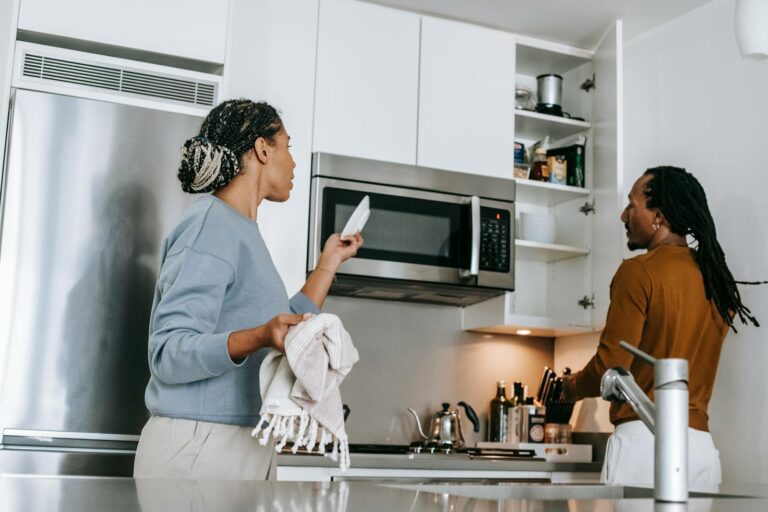
A teen boy’s confession about feeling “in competition with a fantasy” is striking a chord online, especially with other young couples navigating the weird middle ground between real-life dating and fictional obsession. His partner is deeply into a popular romance series—think dramatic declarations, perfect timing, and characters who always know the right thing to say. And while he genuinely wants her to enjoy what she loves, he can’t shake the feeling that he’s being measured against a standard he can’t possibly reach.

It’s not jealousy in the classic sense, he explains. He’s not worried she’ll run off with an actual person from school. It’s more like he’s standing next to a poster of an ideal boyfriend and realizing the poster doesn’t have bad days, forget anniversaries, or freeze up mid-conversation.
A crush on fiction… and a real-life knot in the stomach
Friends say his partner can talk about the series for hours, quoting lines, replaying scenes in her head, and recommending the books like they’re a life-changing event. He’s tried reading them, but the more he learns about the brooding hero and the epic romance arc, the more he spirals. “I’m happy she’s happy,” he tells someone close to him, “but it makes me feel small.”
That’s the part that resonates: this isn’t about banning books or being controlling. It’s about a teenager trying to figure out where he fits when the “ideal” is literally written by an author whose job is to craft swoon-worthy perfection. Real relationships, unfortunately, don’t come with a soundtrack and a team of editors.
Why romance stories hit so hard (especially at this age)
Romance series are built to be addictive on purpose. They’re paced like emotional roller coasters—tension, payoff, longing, relief—over and over until you’re invested. For many teens, they’re also a safe place to explore feelings: first love, intensity, trust, boundaries, heartbreak, the whole messy human buffet.
And if you’re the partner watching from the sidelines, it can feel like you’re dating someone who’s half in the real world and half in a fictional one. Not because they don’t care about you, but because the story is giving them something very specific: certainty. Fictional lovers almost always end up choosing each other; real people sometimes don’t even choose what to eat for lunch.
“Competing with a fantasy” is more common than people admit
Therapists and relationship counselors have a term-adjacent way of describing this: comparison anxiety. It’s the uneasy feeling that you’re being evaluated against an unrealistic reference point—an influencer’s highlight reel, a friend’s “perfect” relationship, or in this case, a romance lead who exists to be ideal. The teen’s phrasing is blunt, but honestly, it’s pretty insightful.
There’s also a sneaky layer of performance pressure. If the series makes grand gestures look normal—think surprise love confessions in the rain—then everyday affection can feel “not enough.” That’s a heavy burden to put on someone who’s still learning how to communicate, manage school stress, and remember deodorant.
When it’s harmless fandom… and when it starts to sting
Most of the time, loving a romance series is just that: a hobby. People collect special editions, make playlists, argue about ships, and laugh about their fictional crushes. It can even strengthen a relationship if both partners treat it like something fun to share, not a measuring stick.
But it starts to sting when the fictional world becomes a constant comparison tool. If someone says things like, “Why can’t you be more like him?” or seems disappointed that real life doesn’t mimic a plot twist, the issue isn’t the books—it’s the expectations. And if the teen is already insecure, even casual comments can land like a brick.
What he’s really asking for: reassurance and room to be human
Underneath his worry is a pretty simple need: to feel chosen. He wants to know that her excitement about the series doesn’t mean she’s quietly wishing he were someone else. That’s not clingy; that’s normal attachment stuff, especially in a first serious relationship.
He also wants permission to be imperfect without feeling like he’s failing a secret test. Fictional characters can be dramatic without consequences; real people have to deal with awkward timing, misunderstandings, and emotions that don’t fit neatly into a chapter ending. If he feels like every moment is being graded, of course he’ll tense up.
The conversations that actually help (without starting a fight)
People close to the teen say he’s considering talking to his partner but doesn’t want to sound jealous or “cringe.” A helpful approach is to be specific about feelings rather than accusing the other person of doing something wrong. Something like, “When I hear you talk about the perfect romantic stuff in the books, I start worrying I won’t measure up,” is a lot easier to hear than, “You care more about fictional guys than me.”
It also helps to ask curious questions. What does she love about the series—comfort, escapism, the emotional intensity, the humor? If he knows what itch the books scratch, he can stop imagining the worst-case scenario and start understanding what’s actually happening in her head.
A gentle reality check: fictional boyfriends don’t do chores
There’s a reason romance heroes seem flawless: they don’t have to be real. They don’t get stressed about family stuff, struggle with insecurity, or say the wrong thing and then spend three days replaying it in their mind. They also don’t have to maintain a relationship when the plot isn’t zoomed in on the cute parts.
In real life, love is mostly made of small, unglamorous choices—showing up, apologizing, being consistent, listening when you’d rather defend yourself. It’s not that grand gestures don’t matter; they can be sweet. But if the only “real romance” is the cinematic kind, everyone loses.
What friends are saying: validate, don’t mock
One reason this story is spreading is because people recognize how easy it is to make fun of a teen for being intimidated by a book. But the better response is validation with perspective: yes, it can feel awful, and no, it doesn’t mean he’s doomed. Mockery just teaches people to hide their feelings until they come out sideways.
A lot of commenters are also reminding him that being affected by comparison doesn’t make him weak—it makes him human. If anything, noticing it early is a green flag. Plenty of adults spend years pretending they’re fine while quietly competing with impossible standards.
If the relationship is solid, the fantasy won’t threaten it
The core question isn’t whether she loves the series. It’s whether she can love the series and still make him feel valued in a real, consistent way. A healthy partner can say, “I’m obsessed with these books,” and also say, “I choose you, and I like you for who you are.”
If they can talk about it without turning it into a trial, this could actually make them closer. Because the opposite of “competing with a fantasy” isn’t winning—it’s realizing there was never a competition in the first place.
More from Cultivated Comfort:
- 7 Vintage Home Items From the ’60s That Are Collectors’ Dream Finds
- 7 Vintage Home Goods That Became Collectors’ Gold
- 7 Fast-Food Chains That Changed for the Worse
- 7 Frozen Dinners That Were Better Back in the Day

As a mom of three busy boys, I know how chaotic life can get — but I’ve learned that it’s possible to create a beautiful, cozy home even with kids running around. That’s why I started Cultivated Comfort — to share practical tips, simple systems, and a little encouragement for parents like me who want to make their home feel warm, inviting, and effortlessly stylish. Whether it’s managing toy chaos, streamlining everyday routines, or finding little moments of calm, I’m here to help you simplify your space and create a sense of comfort.
But home is just part of the story. I’m also passionate about seeing the world and creating beautiful meals to share with the people I love. Through Cultivated Comfort, I share my journey of balancing motherhood with building a home that feels rich and peaceful — and finding joy in exploring new places and flavors along the way.