Lavender fields, with their vibrant purple hues and calming scent, are a sight to behold. Understanding when to visit these fields is crucial for capturing their full beauty. From Provence to the fields of North America, each region offers a unique window for experiencing lavender in bloom.
Understanding Lavender Bloom Cycles
Botanical Insights into Lavender Growth
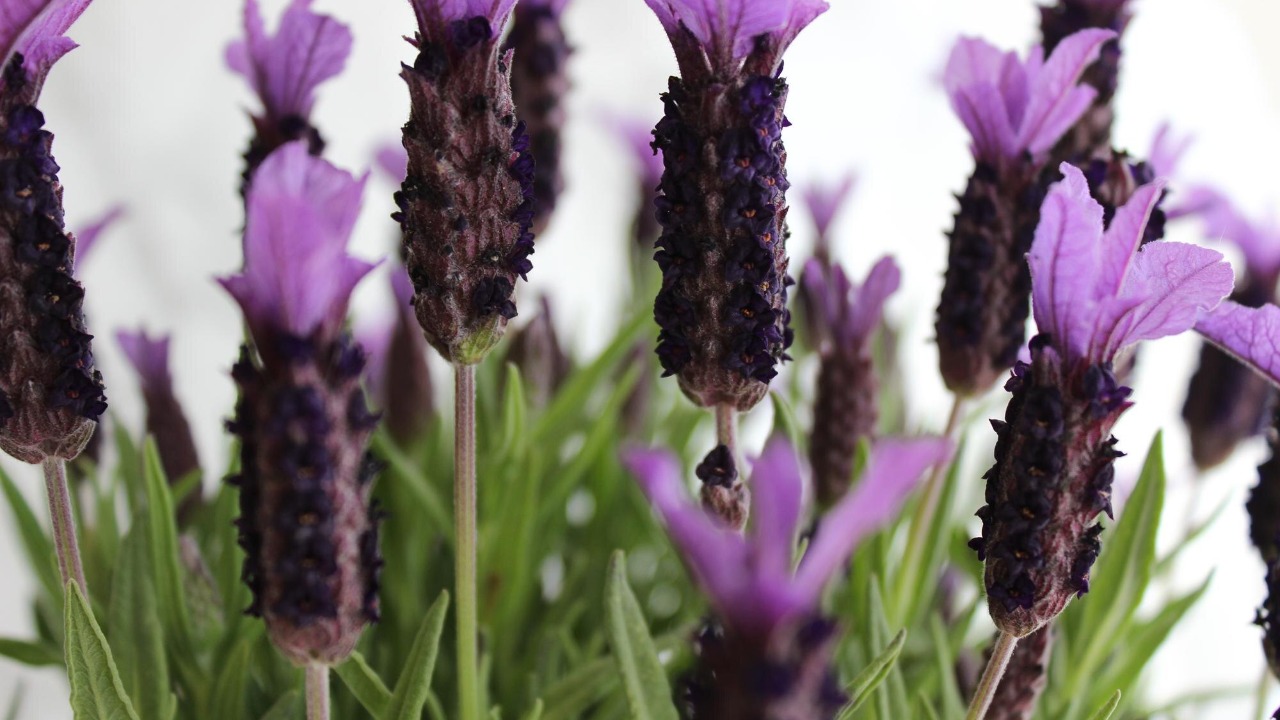
Lavender, known for its aromatic properties, belongs to a diverse group of species, each boasting unique growth patterns. The most common varieties include Lavandula angustifolia, known for its sweet fragrance, and Lavandula x intermedia, which is more robust in colder climates. Understanding these species and their specific needs is essential for predicting bloom periods. Typically, lavender begins blooming in late spring and continues through the summer months, although this can vary significantly depending on the species and location.
Climate and soil conditions play a pivotal role in determining the timing of lavender blooms. Lavender thrives in well-drained, alkaline soils and sunny environments. Regions with mild winters and hot, dry summers provide optimal conditions for lavender to flourish. The timing of the bloom can also be influenced by factors such as altitude and proximity to bodies of water, which can moderate temperatures and extend or shorten the growing season.
Seasonal Variations and Their Effects
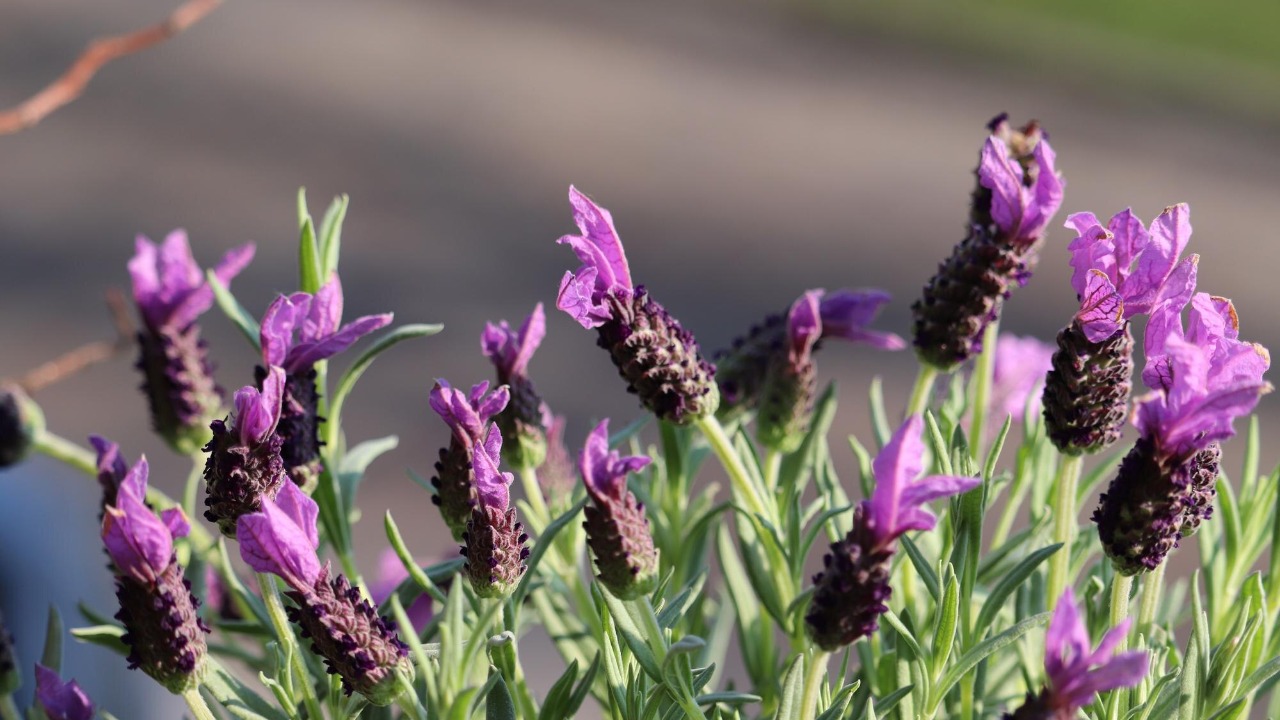
The timing of lavender flowering is heavily influenced by seasonal variations. In general, lavender blooms from late June to August, but this can vary with local climate conditions. Spring and early summer are crucial periods for lavender growth, as temperatures rise and daylight hours increase. In warmer regions, blooming might begin earlier, while in cooler areas, the peak might occur later in the season. Weather anomalies, such as unseasonal frosts or prolonged rain, can disrupt the regular bloom schedule, potentially delaying or diminishing the flowering.
Moreover, global climate changes are causing shifts in traditional blooming periods. Warmer winters and unpredictable weather patterns can lead to earlier blooms, affecting both the quality and duration of the flowering season. Farmers and visitors alike must stay attuned to these changes to optimize their lavender experiences.
Top Lavender Destinations
Provence, France: The Quintessential Lavender Experience
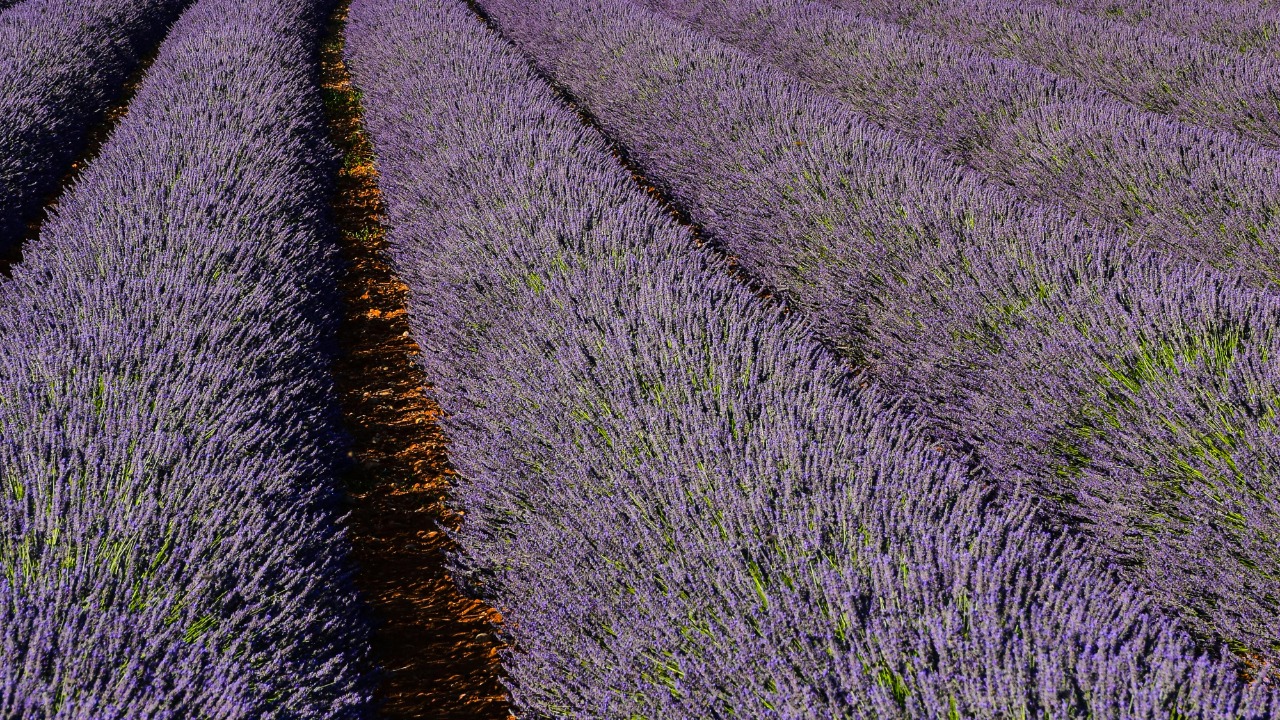
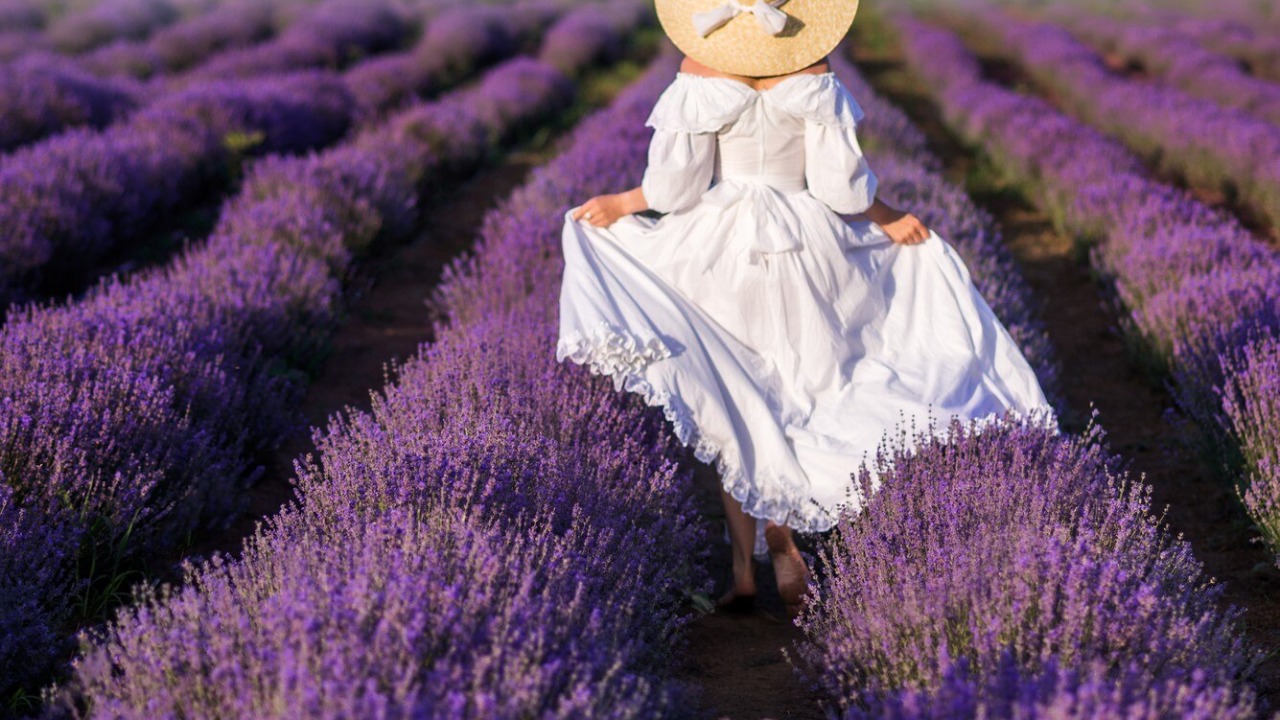
Provence, often considered the heartland of lavender, offers an unparalleled experience for enthusiasts. The peak bloom time in Provence typically occurs from late June to early August, though this can vary slightly based on regional climate conditions. Fields in places like the Valensole Plateau and the Luberon region become a sea of purple during this period, attracting visitors from around the globe. For an in-depth guide on the best time to see lavender fields in Provence, consider visiting this resource.
Cultural festivals celebrating lavender are a highlight of the Provence experience. Events such as the Sault Lavender Festival offer a glimpse into the local traditions surrounding lavender cultivation and usage. Visitors can enjoy a range of activities, from guided field tours to artisanal markets featuring lavender-infused products.
Lavender Fields in North America
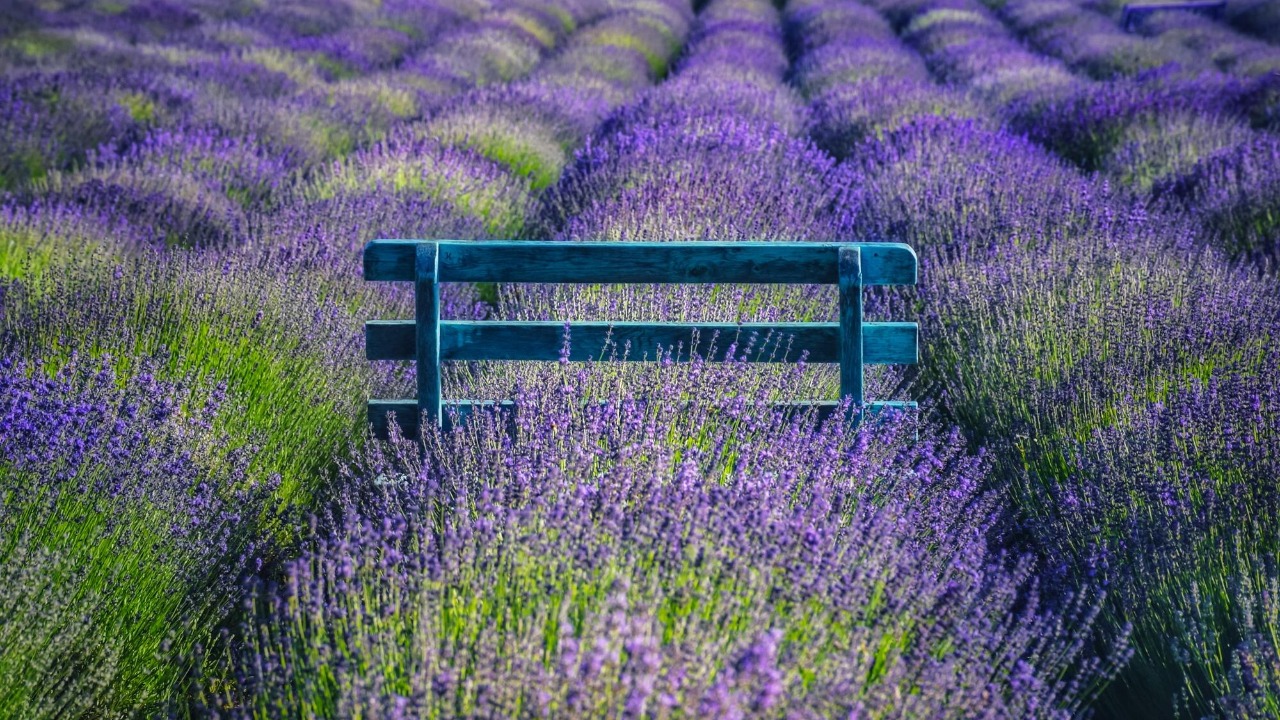
North America boasts its own stunning lavender destinations, each with unique characteristics. In the United States, fields in Washington’s Sequim and California’s Santa Ynez Valley are popular spots. In these regions, the optimal time to visit is generally from late June through July, aligning with the peak bloom period. For an overview of the best times to visit specific farms, you might find this article helpful.
North American lavender differs from its European counterparts, often exhibiting broader foliage and slightly varied scents. These distinctions can be attributed to different soil compositions and climate conditions, making each visit a unique sensory experience.
Maximizing Your Lavender Visit
Planning Your Trip Around Bloom Schedules
To ensure a visit coincides with peak bloom, planning is essential. Checking local bloom schedules and weather forecasts can help in selecting the best time for a visit. Many farms provide real-time updates on their websites or through social media, offering valuable insights into current bloom conditions. Tools like bloom trackers can be invaluable resources for planning your trip.
For further planning tips and insights, consider exploring this comprehensive guide. By aligning your visit with the bloom schedule, you can ensure a memorable experience amidst the vibrant fields.
Activities and Experiences in Lavender Fields
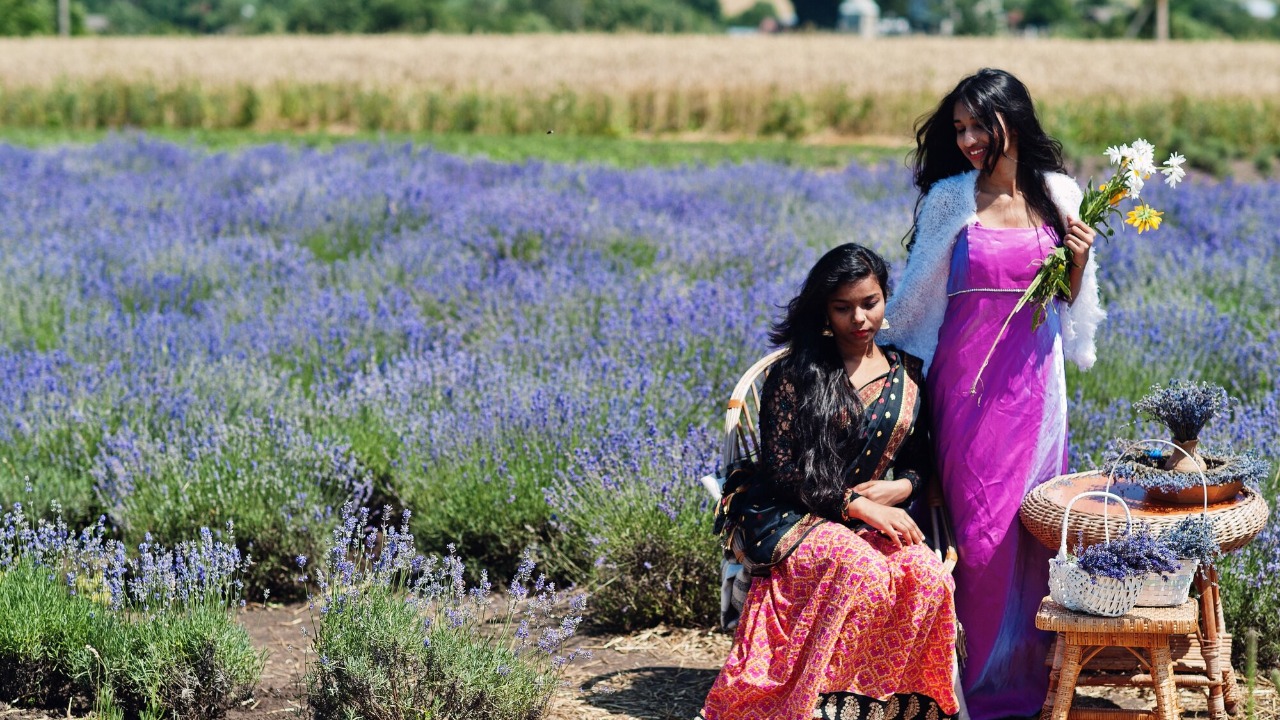
While visiting lavender fields, there are numerous activities to enhance your experience. Many regions host local festivals where visitors can engage in workshops, learning about lavender cultivation and its uses. Culinary events often feature lavender-infused dishes, offering a unique taste of the region’s produce.
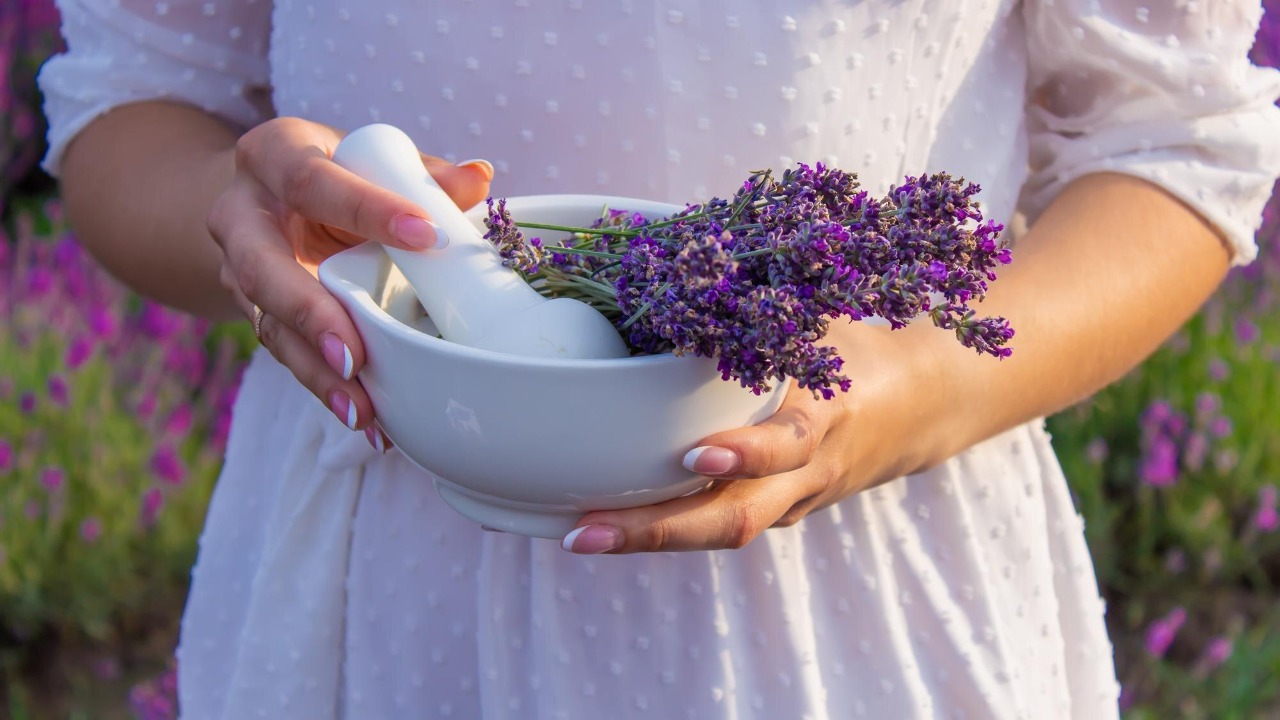
Additionally, exploring lavender-derived products can be a delightful part of the visit. From essential oils to culinary treats, these products provide a lasting memory of your time in the lavender fields. Participating in guided tours can further enrich your understanding of the plant’s significance and its role in local culture.
The Environmental Impact of Lavender Tourism
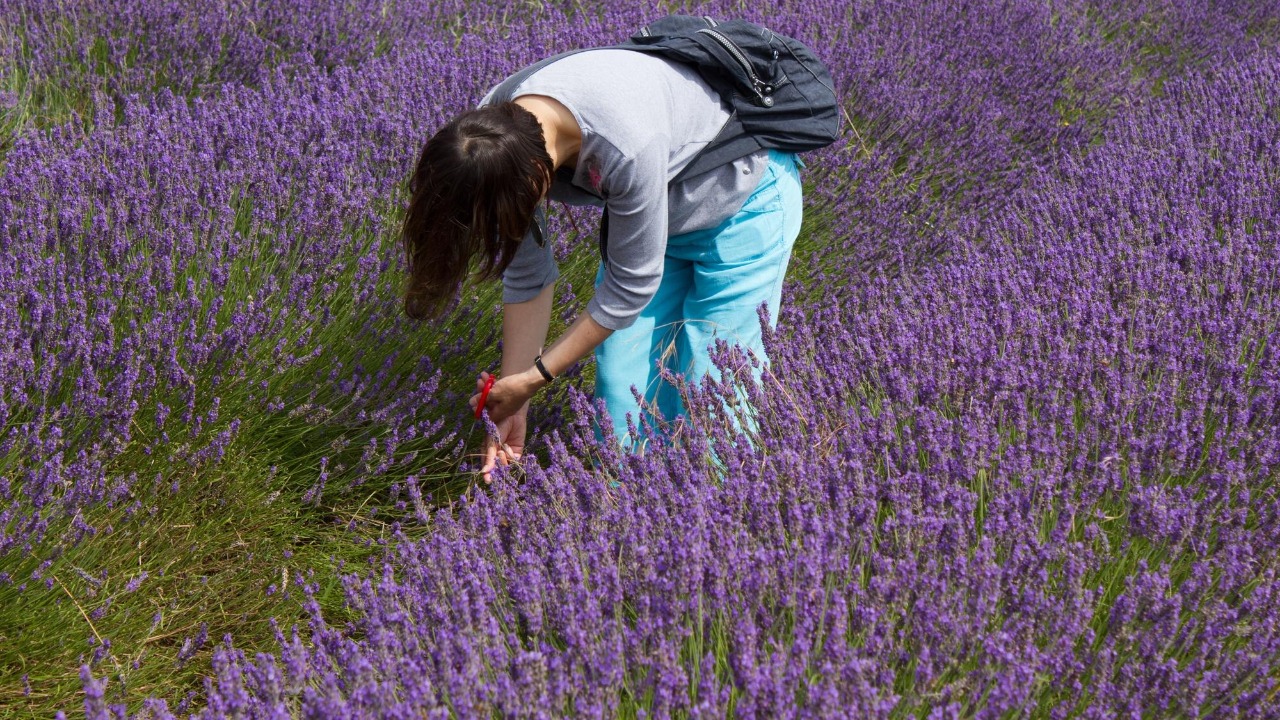
Sustainable Practices in Lavender Farming
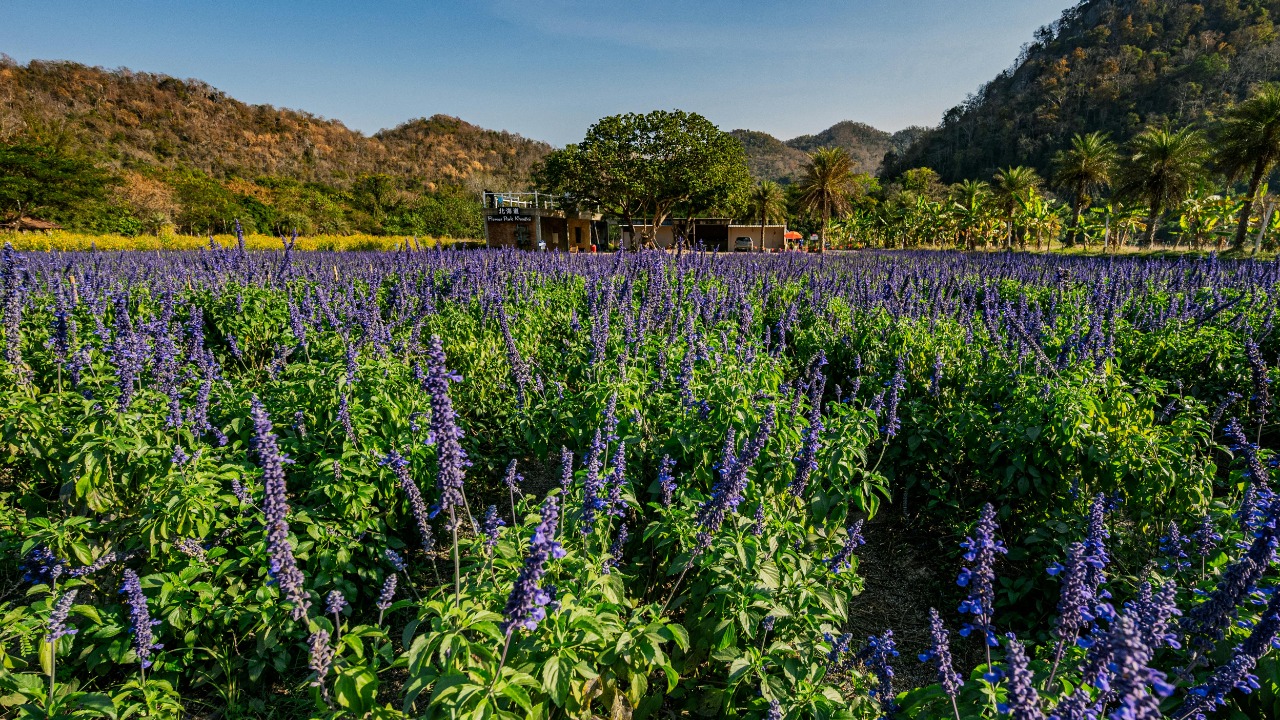
The growing popularity of lavender tourism underscores the importance of sustainable farming practices. Eco-friendly methods, such as organic farming and water conservation, are crucial in maintaining the health of lavender fields. Farms committed to sustainability often implement practices that minimize environmental impact while promoting biodiversity.
Balancing tourism with environmental conservation is a challenge many lavender farms face. However, by adopting sustainable practices, farms can ensure that lavender tourism remains a viable and environmentally friendly industry. For an academic perspective on this topic, refer to this document.
Community and Economic Benefits
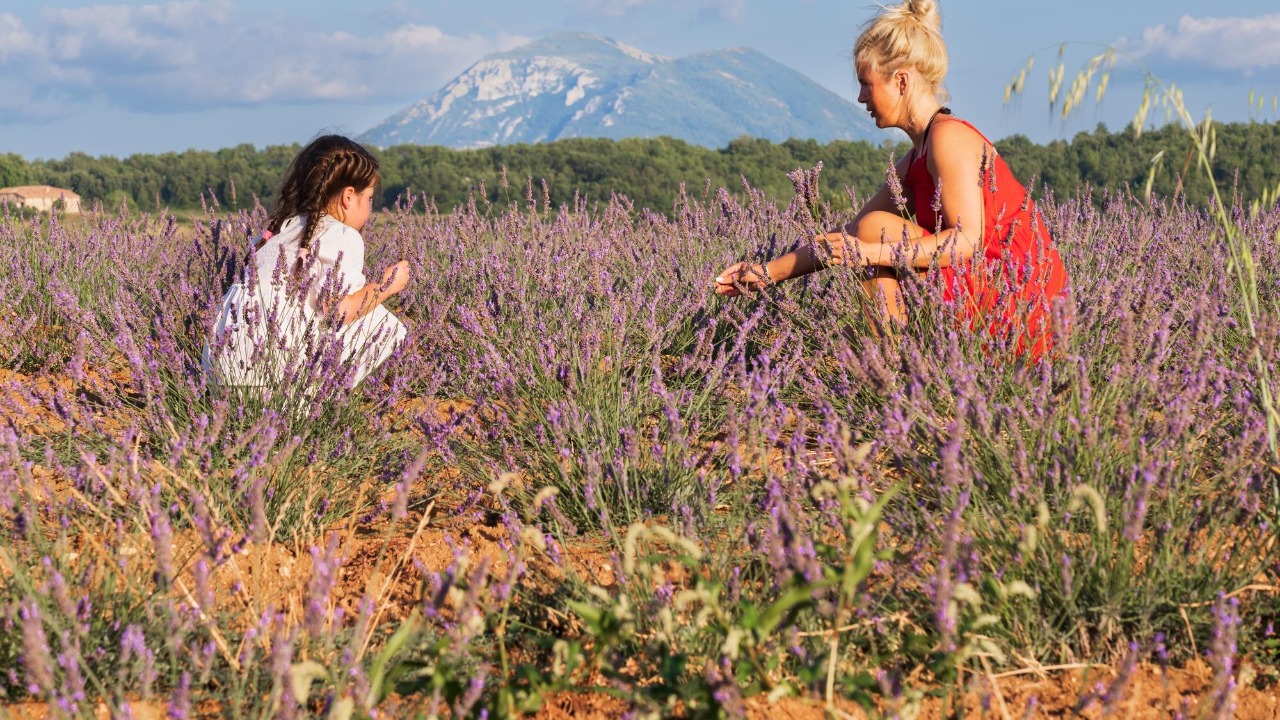
Lavender tourism plays a significant role in bolstering local economies. Many small-scale farms rely on seasonal visitors for their livelihood, and the influx of tourists provides a substantial boost to local businesses. Festivals and events centered around lavender often attract visitors from far and wide, contributing to the economic vitality of rural communities.
Initiatives supporting small-scale lavender farmers are crucial for sustaining these communities. By promoting fair trade and community-led tourism, many regions are ensuring that the benefits of lavender farming and tourism are shared equitably. For further reading on the economic impact of lavender tourism, consider examining this study.

As a mom of three busy boys, I know how chaotic life can get — but I’ve learned that it’s possible to create a beautiful, cozy home even with kids running around. That’s why I started Cultivated Comfort — to share practical tips, simple systems, and a little encouragement for parents like me who want to make their home feel warm, inviting, and effortlessly stylish. Whether it’s managing toy chaos, streamlining everyday routines, or finding little moments of calm, I’m here to help you simplify your space and create a sense of comfort.
But home is just part of the story. I’m also passionate about seeing the world and creating beautiful meals to share with the people I love. Through Cultivated Comfort, I share my journey of balancing motherhood with building a home that feels rich and peaceful — and finding joy in exploring new places and flavors along the way.