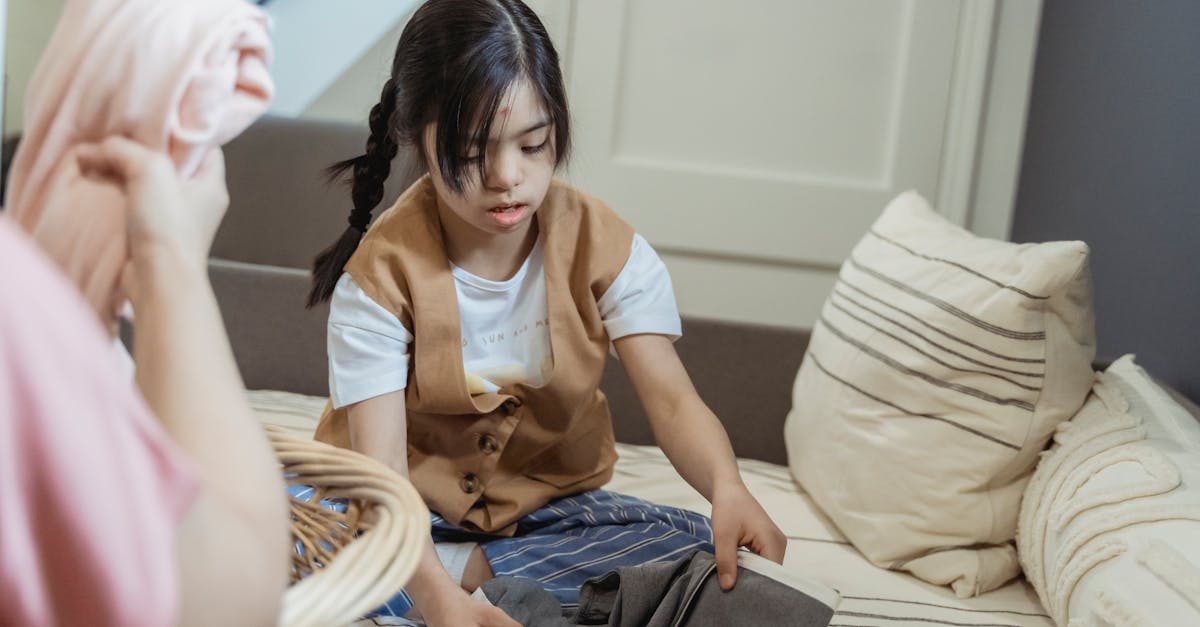

As the Baby Boomer generation reflects on their formative years, a common thread emerges: the essential chores that shaped their upbringing and instilled a sense of responsibility. These tasks not only contributed to household management but also prepared them for adulthood, making a lasting impact on their work ethic and values. Understanding these chores provides insight into the cultural and social dynamics of the time, as well as their relevance in today’s parenting practices.
Household Responsibilities: A Way of Life
For many Baby Boomers, chores were a fundamental part of daily life. During the 1950s and 1960s, families often operated on a single income, requiring children to contribute to the household in significant ways. This involvement not only helped in managing the responsibilities of home life but also fostered a sense of teamwork within families.
Common chores included tasks like washing dishes, vacuuming, and doing laundry. Children were often assigned specific duties that rotated weekly, ensuring that everyone pitched in. This division of labor taught Boomers valuable lessons about cooperation and the importance of maintaining a clean living environment.
Outdoor Chores: Connecting with Nature
In addition to indoor tasks, outdoor chores played a significant role in the upbringing of Boomer kids. Mowing the lawn, weeding gardens, and shoveling snow were common activities that not only kept homes looking presentable but also connected children with nature and the changing seasons. These chores encouraged physical activity and provided a sense of accomplishment when completed.
Gardening was particularly prevalent in suburban areas, where many families cultivated vegetable and flower gardens. This not only taught kids about where food comes from but also instilled a sense of pride when they harvested their own produce. As a result, many Boomers developed a lifelong appreciation for gardening and the outdoors.
Learning Life Skills Through Chores
Chores served as a practical education for many Baby Boomers. Tasks such as cooking, cleaning, and budgeting provided hands-on experience that was essential for adulthood. Preparing meals became a rite of passage, with children often assisting in the kitchen from a young age, learning not just recipes but also nutritional values and the significance of planning meals.
Moreover, managing chores developed time management skills. Children learned to balance schoolwork, leisure activities, and household responsibilities, which prepared them for the demands of adult life. Many Boomers credit their early experiences with chores for their strong work ethic and ability to juggle multiple responsibilities later on.
Chores as a Family Bonding Experience
Chores were often a family affair, creating opportunities for bonding and shared experiences. Whether it was a Saturday morning spent cleaning the house together or a family project to tackle yard work, these moments allowed for conversation and connection. Families would often listen to music or share stories while they worked, turning chores into enjoyable activities rather than burdensome tasks.
This collaborative approach to chores instilled values such as teamwork and accountability. Many Boomers look back fondly on these experiences, recognizing that they not only contributed to a well-maintained home but also strengthened family relationships.
Changing Times: The Evolution of Chores
As society evolved, so did the approach to chores. With the advent of technology and busy lifestyles, many modern parents have re-evaluated the role of household responsibilities for their children. While some still emphasize the importance of chores, others have adopted a more lenient approach, often outsourcing tasks or incorporating technology to ease the burden.
The shift raises questions about the long-term impact on younger generations. As Baby Boomers reflect on their own upbringing, they may wonder how the lack of chores might affect their children’s development and understanding of responsibility. The ongoing debate continues about the best balance of work and play in raising well-rounded individuals.
Conclusion: The Lasting Impact of Chores
In summary, the chores that Baby Boomer kids grew up doing played a pivotal role in shaping their identities and values. From teaching life skills to fostering family bonds, these responsibilities were instrumental in preparing them for adulthood. As we examine the changing landscape of parenting and household management, understanding the significance of chores in the Boomer generation provides valuable insights for future generations.
As parents today navigate the complexities of raising children in a fast-paced world, lessons from the past can serve as a guide. Encouraging children to partake in household responsibilities may not only help maintain a tidy home but also cultivate a strong work ethic, resilience, and a sense of belonging within the family unit.

As a mom of three busy boys, I know how chaotic life can get — but I’ve learned that it’s possible to create a beautiful, cozy home even with kids running around. That’s why I started Cultivated Comfort — to share practical tips, simple systems, and a little encouragement for parents like me who want to make their home feel warm, inviting, and effortlessly stylish. Whether it’s managing toy chaos, streamlining everyday routines, or finding little moments of calm, I’m here to help you simplify your space and create a sense of comfort.
But home is just part of the story. I’m also passionate about seeing the world and creating beautiful meals to share with the people I love. Through Cultivated Comfort, I share my journey of balancing motherhood with building a home that feels rich and peaceful — and finding joy in exploring new places and flavors along the way.