There’s a special kind of optimism you feel when you sink into a movie theater seat: the lights go down, the previews roll, and for the next two hours the outside world politely waits its turn. That’s the dream, anyway. For one moviegoer this week, the dream came with a running commentary from the row behind—and an unexpected lesson in how differently people interpret “public space.”
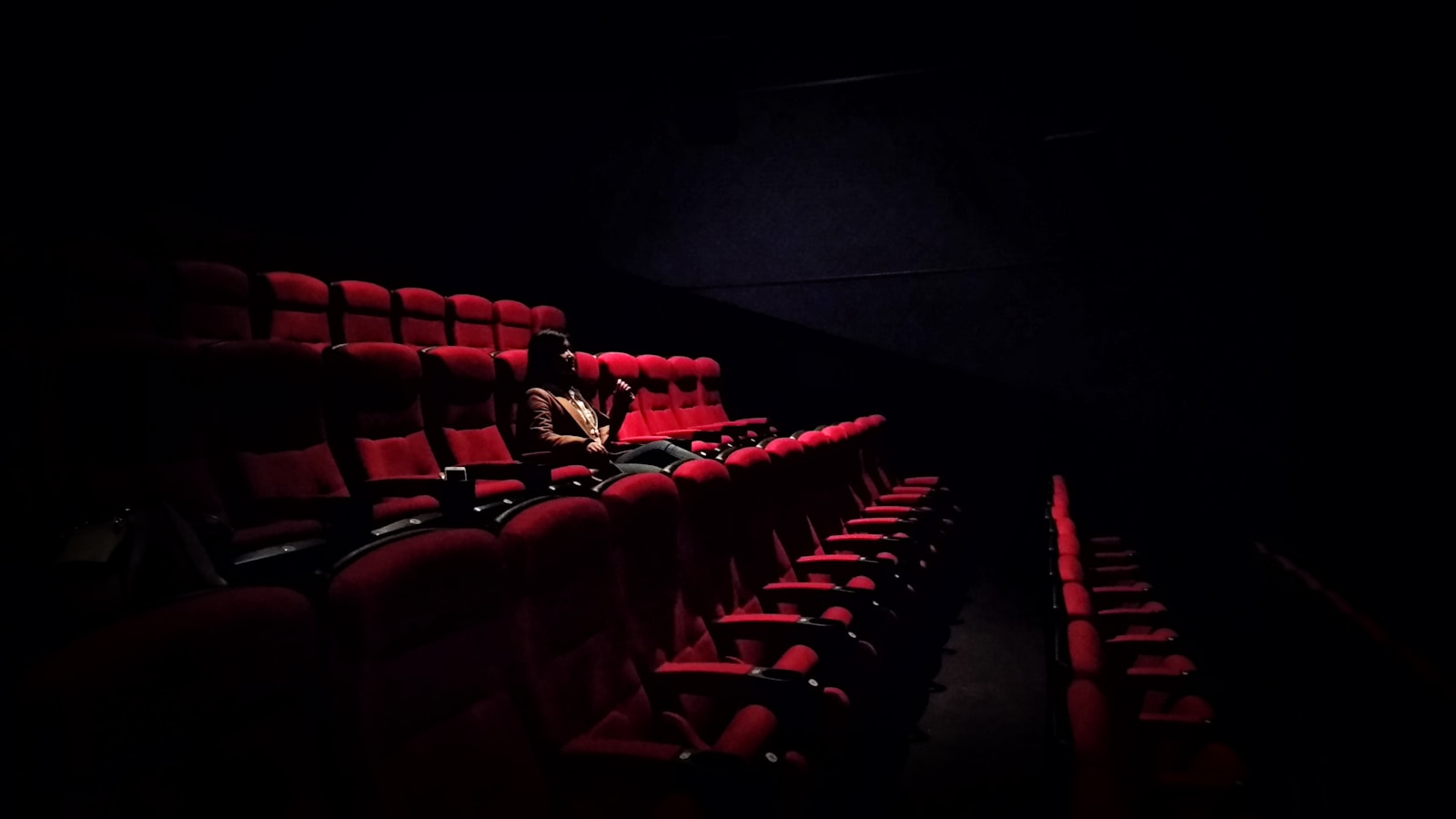
According to the account, the night started normally: a ticket purchased, snacks acquired, and the familiar hush settling over the crowd. But once the film began, a couple seated directly behind them carried on a steady conversation. Not a whisper here and there, but full-on chatting, punctuated by reactions to the plot as if they were watching from their couch.
A theater, a film, and the soundtrack nobody asked for
The complaint wasn’t about the occasional laugh or a quick comment during a loud action scene. It was the kind of talking that threads through dialogue-heavy moments—exactly when everyone else is trying to catch what a character is saying. The moviegoer described it as distracting enough that they kept missing lines and found themselves focusing more on the couple’s voices than the film’s.
If you’ve ever been in that situation, you know the mental negotiation that happens first. You try to ignore it, then you try “positive thinking,” then you start counting how many times you’ve heard the phrase “I wonder what happens next” from the row behind. Eventually you hit the point where you’re paying for a ticket to a movie you can’t properly hear, and that’s when politeness turns into a quiet form of desperation.
The request: simple, polite, and apparently controversial
After enduring much of the film with the commentary still going strong, the moviegoer turned around and asked the couple to lower their voices. The request, by their telling, wasn’t shouted or snippy—just the standard “Hey, could you please keep it down?” that most people hope will solve the issue in one sentence.
Instead of an apology or even a begrudging “sure,” the response came back sharp: “Lighten up, it’s just a movie.” The couple reportedly continued talking, treating the request like it was an overreaction rather than a reasonable ask in a room full of paying strangers.
Why that phrase hits a nerve
“It’s just a movie” sounds harmless on paper, like a reminder not to take things too seriously. But in a theater, it lands differently because it quietly reframes the whole social contract. The point isn’t that the film is a sacred text; it’s that everyone bought the same promise: you get to hear it.
The phrase also does a neat little trick where it makes the person asking for basic courtesy seem uptight. The message is basically, “Your enjoyment doesn’t matter as much as our comfort,” dressed up as casual wisdom. And it’s hard not to feel a little steam coming out of your ears when someone tries to turn your perfectly normal request into a personality flaw.
The unwritten rules of movie theaters (that most of us still agree on)
Movie theaters aren’t libraries, but they’re not living rooms either. People expect some noise—laughter, gasps, the occasional candy wrapper that sounds like it’s made of thunder—but consistent conversation is usually a line most audiences agree not to cross. It’s one of those unspoken rules that works only if enough people participate.
And that’s what makes chatty theater neighbors so uniquely frustrating: they’re not just being loud, they’re opting out of the agreement while still benefiting from everyone else following it. When the rest of the room is quiet, one conversation doesn’t blend in; it becomes the soundtrack. Suddenly you’re not watching a film, you’re watching a film plus two strangers work through their thoughts in real time.
What people do when they’re stuck in the middle
Anyone who’s dealt with this knows there are a few common options, none of them perfect. You can say something directly, which is often effective—but sometimes you get the “lighten up” response, or worse, a defensive argument in the dark. You can move seats, assuming the theater isn’t packed and you’re not abandoning the spot you carefully picked for the ideal screen angle.
The other route is to involve staff, which some people hesitate to do because it feels like tattling. But theaters generally want audiences to have a good experience, and many have policies for disruptive behavior. If someone is talking continuously, using their phone, or otherwise making it hard for others to watch, staff intervention is often the cleanest fix—less personal, more procedural.
Why theaters care more than you might think
Moviegoing has to compete with streaming, comfy couches, and the magical ability to pause whenever you want. The one thing theaters still sell better than anyone is immersion: big screen, big sound, and a room that’s supposed to disappear once the movie starts. When the audience can’t hear dialogue over side conversations, the product is basically broken.
That’s why many chains have started leaning harder into reminders and rules, from pre-show messages asking people to silence phones to staff checks during popular screenings. Some theaters even offer “quiet” showings or heightened enforcement during opening weekends, because they know disruptions don’t just ruin one person’s night—they can keep people from coming back at all.
Polite doesn’t mean passive
The moviegoer’s experience also highlights a tricky emotional truth: you can do everything “right” and still be treated like you’re the problem. Asking someone to stop talking during a movie isn’t rude; it’s normal. The rude part is turning a shared public experience into a private hangout, then dismissing anyone who objects.
If anything, the story is a reminder that firmness and friendliness can coexist. A calm request is reasonable, and if it doesn’t work, escalating to staff isn’t dramatic—it’s just using the systems theaters already have. Nobody should have to spend an entire film silently fuming because someone else decided the rules were optional.
The bigger question: what do we owe each other in public?
At the heart of it, this isn’t really about one couple and one annoyed person. It’s about how we share spaces when everyone’s paid to be there and nobody’s in charge of your manners except you. Most social harmony is held together by tiny acts of self-editing—lowering your voice, waiting your turn, not doing the thing that ruins it for everyone else.
And sure, it’s “just a movie.” It’s also just basic consideration, just two hours, just a request to keep your conversation for later. If that feels like too much to ask, the real mystery isn’t the plot on the screen—it’s how anyone expects to enjoy anything with other people around.
More from Cultivated Comfort:
- 7 Vintage Home Items From the ’60s That Are Collectors’ Dream Finds
- 7 Vintage Home Goods That Became Collectors’ Gold
- 7 Fast-Food Chains That Changed for the Worse
- 7 Frozen Dinners That Were Better Back in the Day

As a mom of three busy boys, I know how chaotic life can get — but I’ve learned that it’s possible to create a beautiful, cozy home even with kids running around. That’s why I started Cultivated Comfort — to share practical tips, simple systems, and a little encouragement for parents like me who want to make their home feel warm, inviting, and effortlessly stylish. Whether it’s managing toy chaos, streamlining everyday routines, or finding little moments of calm, I’m here to help you simplify your space and create a sense of comfort.
But home is just part of the story. I’m also passionate about seeing the world and creating beautiful meals to share with the people I love. Through Cultivated Comfort, I share my journey of balancing motherhood with building a home that feels rich and peaceful — and finding joy in exploring new places and flavors along the way.