There’s a growing trend in home design is leaving many homeowners feeling dissatisfied, as minimalist aesthetics prioritize starkness over warmth, creating spaces that can feel cold and uninviting. This shift, which emphasizes clean lines and sparse decor, is affecting how people experience their living environments and may have broader implications for mental well-being and social interaction.
The Rise of Minimalism
Minimalism has gained traction in recent years, championed by influencers and design magazines that promote the idea of “less is more.” This design philosophy encourages the decluttering of spaces, often resulting in homes that feature neutral color palettes, open layouts, and a lack of decorative elements. While proponents argue that minimalist design fosters tranquility and clarity, critics are increasingly voicing concerns about its impact on comfort and livability.
Impact on Mental Health
Experts in psychology and environmental design suggest that overly minimalist spaces can lead to feelings of isolation and discomfort. Dr. Lisa Johnson, a clinical psychologist specializing in environmental psychology, notes that “our surroundings significantly influence our mood and behavior.” She explains that homes designed with minimalism in mind may lack the personal touches and warmth that make a space feel inviting and secure.
Social Spaces Losing Their Charm
Living rooms and dining areas, once designed as cozy gathering spots, are now often stripped down to bare essentials. Furniture is frequently limited to a few pieces, with large open spaces devoid of warmth or personal expression. This can make hosting gatherings feel less inviting, as guests may find themselves sitting in a space that feels more like an art gallery than a home. Interior designer Sarah Mitchell emphasizes that “the goal of a home is to foster connection and comfort, something that minimalist spaces often overlook.”
Feedback from Homeowners
Many homeowners are beginning to express their dissatisfaction with minimalist designs. Susan Anderson, a recent homebuyer, shared her experience: “I thought I wanted a minimalist look, but once I moved in, it felt so empty. I miss the warmth of my old home.” This sentiment is echoed by others who find that while minimalist designs may look appealing in photos, they lack the emotional resonance that more personalized spaces provide.
Compromise: Bringing Warmth Back
In response to these concerns, some designers are advocating for a more balanced approach that incorporates elements of minimalism while ensuring spaces remain inviting and warm. This hybrid style includes adding textures, colors, and personal items that reflect the homeowner’s personality without overwhelming the senses. “You can have a clean, modern look without sacrificing comfort,” says designer Mark Robinson. “It’s about finding the right balance.”
The Role of Color and Texture
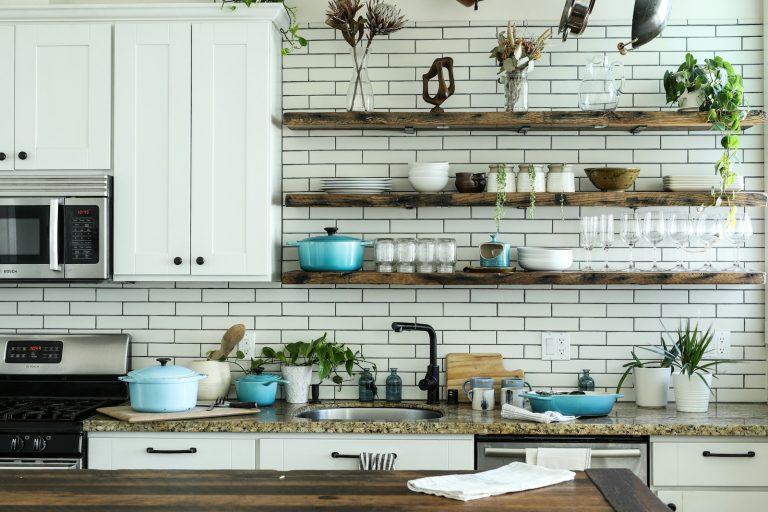
Color and texture play critical roles in creating a warm environment. Soft hues and rich textures can significantly affect how a space feels. Designers recommend introducing warm colors such as earthy tones, soft pastels, or even vibrant accents to break the monotony of stark white walls. Additionally, layering fabrics and materials—such as plush rugs, textured throws, or wooden elements—can soften the rigid lines commonly associated with minimalist design.
Integrating Personal Touches
Another way to combat the coldness of minimalist design is by incorporating personal touches that reflect the homeowner’s personality and history. Items such as family photographs, artwork, or heirlooms can instantly add warmth and character to a space. “It’s the little details that tell your story and make a house feel like a home,” explains designer Emily Chen. “When you personalize your space, it becomes a reflection of who you are.”
Looking Ahead: A Balanced Future
As the conversation around home design continues to evolve, it is clear that a purely minimalist approach may not be sustainable for many. The need for warmth, comfort, and personal expression in living spaces is paramount, especially as people spend more time at home. Designers and homeowners alike are recognizing the importance of creating environments that support well-being and connection, suggesting a potential shift towards more balanced, inviting designs in the future.
Conclusion
While the minimalist trend has its merits, the feedback from homeowners and experts alike highlights the importance of warmth and personalization in home design. As more people strive for inviting and comfortable living spaces, a new era of design may emerge—one that blends the clean lines of minimalism with the rich textures and colors that make a home feel truly alive. This evolution could lead to healthier, happier living environments that foster connection and well-being, countering the coldness that has become associated with modern design trends.

As a mom of three busy boys, I know how chaotic life can get — but I’ve learned that it’s possible to create a beautiful, cozy home even with kids running around. That’s why I started Cultivated Comfort — to share practical tips, simple systems, and a little encouragement for parents like me who want to make their home feel warm, inviting, and effortlessly stylish. Whether it’s managing toy chaos, streamlining everyday routines, or finding little moments of calm, I’m here to help you simplify your space and create a sense of comfort.
But home is just part of the story. I’m also passionate about seeing the world and creating beautiful meals to share with the people I love. Through Cultivated Comfort, I share my journey of balancing motherhood with building a home that feels rich and peaceful — and finding joy in exploring new places and flavors along the way.