In a quiet neighborhood where most excitement comes from a new recycling bin or a rogue leaf blower, one resident says a sudden burst of nighttime brightness has turned their bedroom into something closer to a parking lot. The culprit, they claim, is a set of powerful floodlights installed by a man across the street—aimed in a way that sends a clean beam straight through their windows.
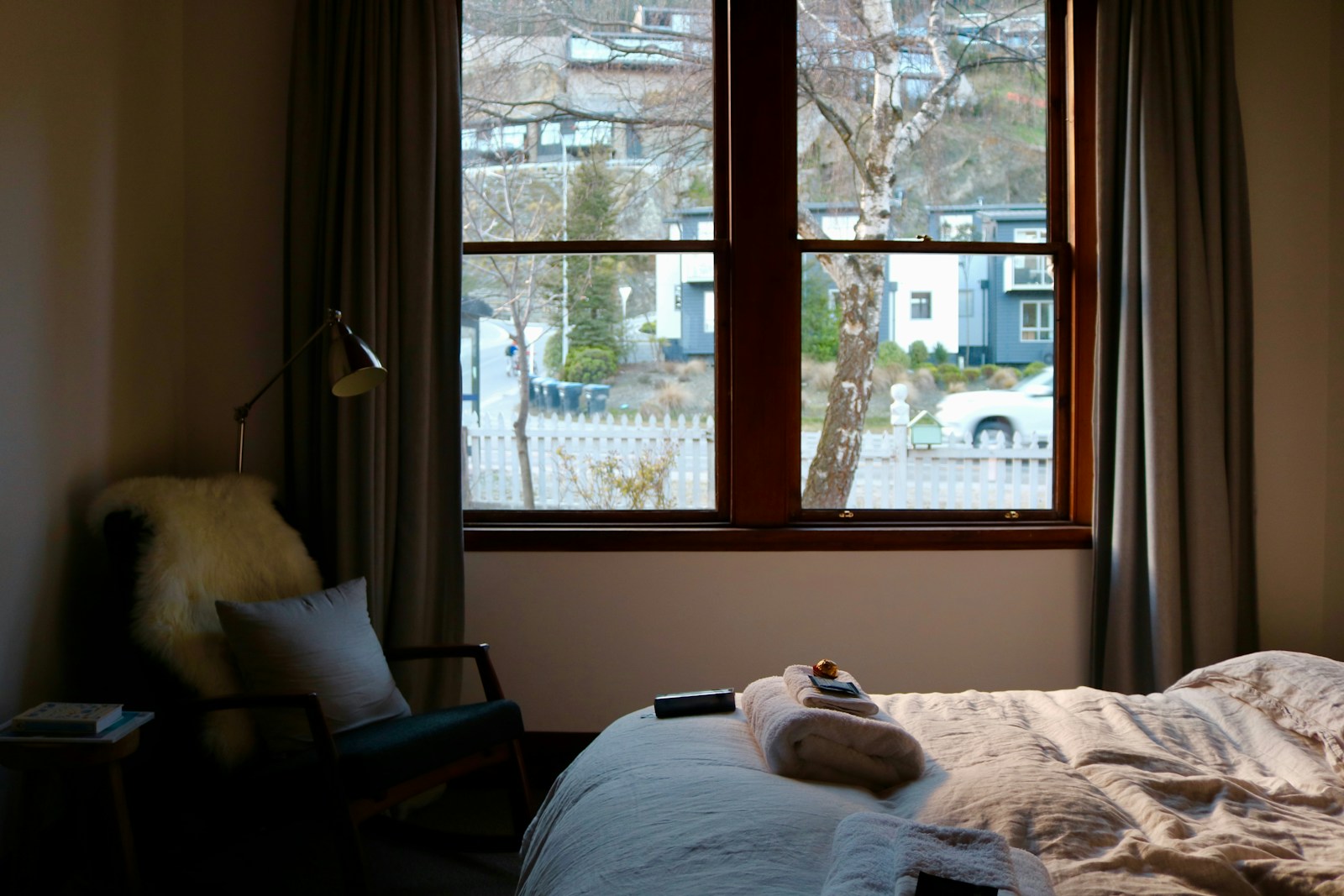
When they finally brought it up, hoping for a simple adjustment, the response they got wasn’t exactly neighborly. “He told me I should ‘just buy better curtains,’” the resident said. “Like the problem is my bedroom, not his lights.”
A Backyard Upgrade That Lit Up Someone Else’s Night
Floodlights have become a go-to home upgrade for people worried about car break-ins, package theft, or just wanting more visibility around their property. They’re cheap, easy to install, and come with an implicit promise: brighter equals safer. The problem is that light doesn’t respect property lines, and when it’s pointed high or left unshielded, it travels.
In this case, the resident says the lights don’t just brighten the street—they flood their bedroom wall, spill across the bed, and make sleep feel like a constant compromise. They described the effect as “headlights that never drive away.” Even with blinds, the glow is strong enough to keep the room noticeably lit.
The Conversation That Went Sideways
Most neighbor disputes don’t start with a lawsuit—they start with a knock on the door and an assumption that the other person will be reasonable. That’s what the resident tried first: a straightforward ask to angle the lights down or add some kind of shield. They say they expected mild embarrassment, maybe an apology, and a quick fix.
Instead, they got the now-infamous advice to invest in better curtains. It’s the kind of response that sounds practical on the surface, but lands like a brush-off because it shifts the burden. The resident’s frustration isn’t just about brightness; it’s about being told the solution is to spend money and adapt to a problem they didn’t create.
Why These Situations Escalate So Fast
Light disputes have a sneaky way of getting personal, even when they’re not meant to be. One person thinks they’re improving security; the other feels like their home is being invaded. And because it’s “just light,” the person with the floodlights may genuinely not understand how disruptive it is from the other side of the street.
There’s also a pride factor. Once someone feels accused—“your lights are bothering me”—they might dig in and defend the decision instead of hearing the impact. Add a dash of stubbornness and a sprinkle of “I can do what I want on my property,” and suddenly everyone’s tense over a fixture from the hardware store.
Light Trespass: Not Just an Annoyance, Sometimes a Real Issue
Depending on where you live, there may be rules about “light trespass,” nuisance lighting, or outdoor lighting angles and brightness. Some cities regulate how much light can spill onto neighboring properties, especially in residential zones. Even where there aren’t specific ordinances, general nuisance laws or homeowners’ association rules sometimes cover persistent disturbances.
This doesn’t mean every bright porch light is illegal, but it does mean the issue isn’t automatically “your problem, buy curtains.” A key detail is direction and intensity: properly aimed, motion-triggered, shielded lights can improve security without illuminating someone else’s bedroom. The resident says that’s all they’re asking for—less glare, not darkness.
Small Fixes That Can Make a Big Difference
Lighting experts often point out that better security lighting usually means smarter lighting, not brighter lighting. Pointing floodlights downward, using a warmer color temperature, and choosing fixtures with shielding can reduce glare dramatically. Motion sensors and timers help too, so lights aren’t blasting all night when there’s no activity.
For the neighbor across the street, a simple re-aiming might solve 80% of the problem in five minutes. Swapping to “full cut-off” fixtures—designed to direct light down—can also keep the property lit without turning the whole block into a stage. Ironically, reducing glare can improve visibility for the homeowner because harsh light can create deep shadows where you don’t want them.
What the Resident Can Do Next (Without Turning It Into a Soap Opera)
If the first conversation didn’t go well, the next step is often to document the problem calmly. Photos and short videos from inside the bedroom—showing the brightness at night—can help make the impact undeniable. It’s harder to dismiss “buy curtains” when the room looks like it’s being interrogated.
Some neighbors respond better to a second attempt that’s less about blame and more about specifics: “Could you angle them down 15 degrees?” or “Could you add a shield so the beam doesn’t hit this window?” Making it a practical request, not a moral critique, sometimes gets a better result. And yes, it can help to pick a neutral time to talk, not while you’re running on four hours of sleep.
When It’s Time to Bring in a Third Party
If direct requests keep going nowhere, many communities offer mediation services designed for exactly this kind of low-stakes-but-highly-annoying conflict. A neutral mediator can reframe the dispute and help both people find a solution without anyone “losing.” It’s not as dramatic as it sounds; it’s more like structured problem-solving with someone keeping the temperature down.
There’s also the option of checking local ordinances or contacting code enforcement if the lighting appears to violate rules. Some places have limits on brightness, mounting height, or required shielding for floodlights. Even a polite notice from the city can prompt a change, especially if the neighbor realizes it’s no longer just an interpersonal spat.
The Uncomfortable Truth: Curtains Aren’t the Point
Sure, blackout curtains exist, and they can help. But the resident’s complaint isn’t a shopping problem—it’s a boundary problem. Most people don’t want to redesign their bedroom around someone else’s outdoor setup, especially when a small tweak on the other side could fix it.
There’s also a fairness instinct at play: if one person’s security choice imposes a nightly cost on someone else’s sleep, the neighborly thing is to adjust. Nobody’s asking for darkness or danger—just a reasonable balance. And honestly, the best neighborhoods are the ones where people can disagree about floodlights without turning it into a forever feud.
A Streetlight-Style Compromise Might Be the Best Outcome
The most likely win here is a simple compromise: keep the property well-lit, but aim the lights down, add shielding, and use motion activation so they’re not blazing all night. It protects the homeowner’s goals while giving the resident their nighttime back. Most people want to be considerate—they just don’t like being told what to do.
For now, the resident says they’re weighing whether to try one more conversation or to go the formal route. Either way, they’re hoping for the kind of fix that feels almost silly in hindsight: a few screws loosened, a beam angled down, and a bedroom that finally gets to be dark again. In a world full of big problems, it’s hard not to root for an easy solution to the bright, stubborn little one across the street.
More from Cultivated Comfort:
- 7 Vintage Home Items From the ’60s That Are Collectors’ Dream Finds
- 7 Vintage Home Goods That Became Collectors’ Gold
- 7 Fast-Food Chains That Changed for the Worse
- 7 Frozen Dinners That Were Better Back in the Day

As a mom of three busy boys, I know how chaotic life can get — but I’ve learned that it’s possible to create a beautiful, cozy home even with kids running around. That’s why I started Cultivated Comfort — to share practical tips, simple systems, and a little encouragement for parents like me who want to make their home feel warm, inviting, and effortlessly stylish. Whether it’s managing toy chaos, streamlining everyday routines, or finding little moments of calm, I’m here to help you simplify your space and create a sense of comfort.
But home is just part of the story. I’m also passionate about seeing the world and creating beautiful meals to share with the people I love. Through Cultivated Comfort, I share my journey of balancing motherhood with building a home that feels rich and peaceful — and finding joy in exploring new places and flavors along the way.