If you’re looking to explore some of America’s most charming and historic spots, covered bridges should definitely be on your list. These bridges not only showcase clever engineering but also add a unique, timeless beauty to the landscape.
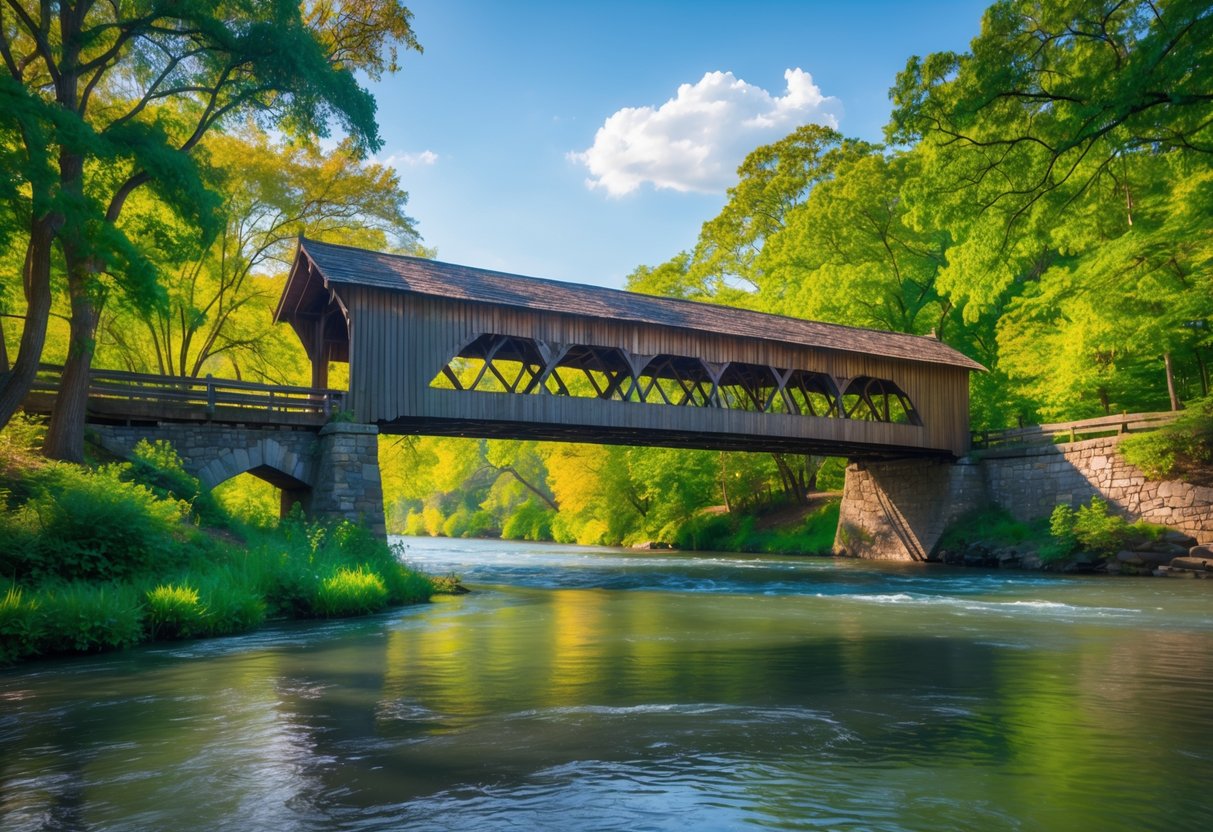
The most beautiful covered bridges in America are scattered across the country, with many in places like Pennsylvania, Vermont, and Ohio, where you can find well-preserved examples that offer a glimpse into the past. Visiting these bridges lets you step into a simpler time while enjoying some great photo opportunities and peaceful scenery.
Whether you’re a history buff or just someone who appreciates quaint architecture, you’ll find plenty to like in these hidden gems. Each bridge has its own story, design, and setting that makes it worth a stop on your next road trip.
America’s Most Beautiful Covered Bridges
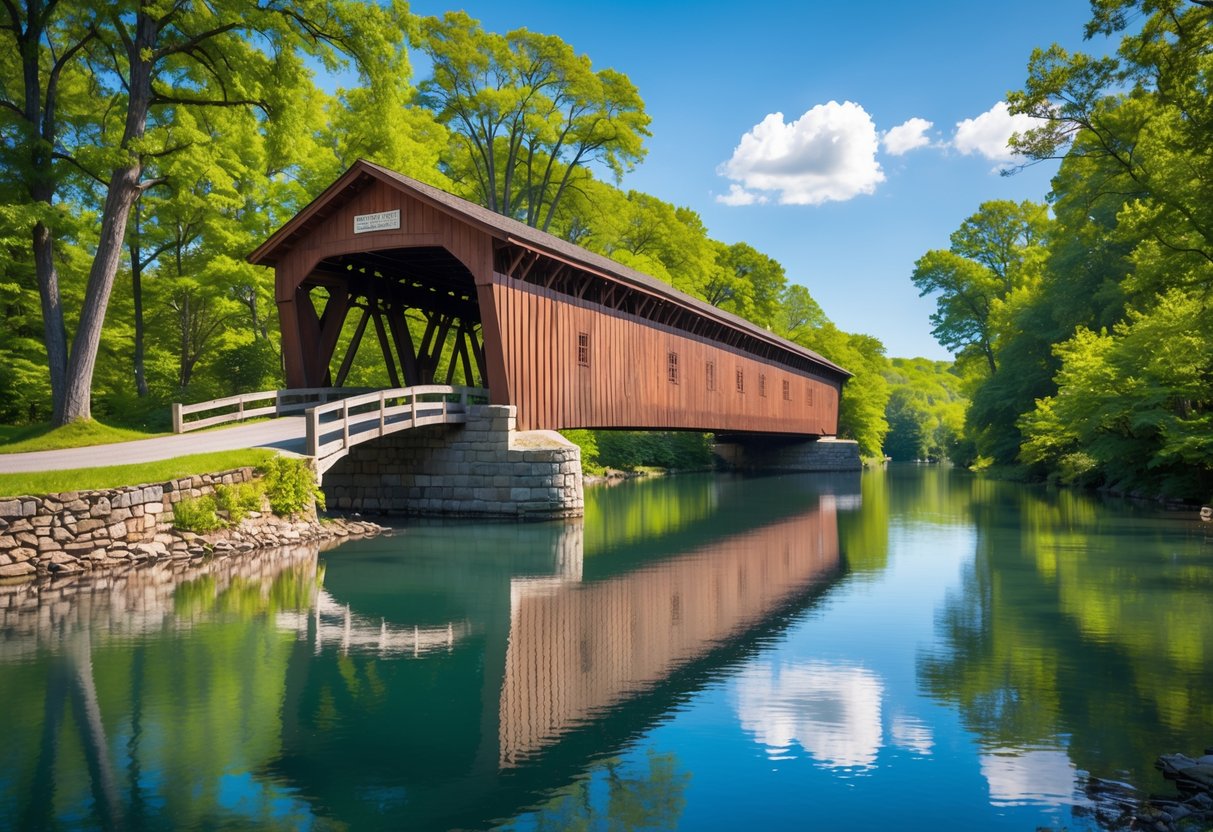
You’ll find covered bridges across the country that each tell their own story through design, location, and history. Some stand out for their classic charm, others for the landscapes they cross, and a few for their cultural significance.
Classic New England Gems
New England is home to some of the oldest and most picturesque covered bridges in the U.S.
Take the Woodstock Covered Bridge in Vermont. It’s a perfect example of traditional timber truss architecture, surrounded by vibrant fall foliage that makes it a favorite for photographers.
In New Hampshire, the Cornish-Windsor Bridge spans the Connecticut River and is one of the longest wooden covered bridges in America. Its size and classic look give it a grand presence, especially in winter with snow all around.
If you visit these spots, you’ll notice how the wooden structures blend with the quaint New England towns and rolling hills. They’re not just bridges but part of the region’s visual identity.
Scenic Midwest Crossings
The Midwest offers covered bridges that often sit in beautiful rural settings, giving you a real sense of early American engineering.
The Roseman Covered Bridge in Iowa gained fame through literature and movies, making it a must-see if you’re exploring the area. It’s small, charming, and surrounded by peaceful farmland.
In Indiana, the Juniata Covered Bridge offers a scenic passage over a gentle river, framed by dense green forests. These bridges typically use the Burr Arch truss design, known for strength and simplicity.
When you visit, you get a feeling of rolling plains and quiet countryside that make these bridges feel like hidden gems waiting for you to discover.
Iconic Southern Landmarks
The South’s covered bridges often come with rich history and nearby natural beauty.
The Pulp Mill Covered Bridge in Middlebury, Vermont is an example, though technically in the north, it’s often part of broader scenic tours that touch Southern routes as well. Its wooden beams and carefully crafted engineering show the old craftsmanship you can still admire.
In Georgia, the Pine Bluff Covered Bridge offers a glimpse into 19th-century construction, surrounded by mossy trees and quiet roads. This bridge feels like a step back in time.
When you explore these bridges, you’ll see how they connect more than just places—they connect you to history and the slower pace of past eras.
Exploring Covered Bridges: Travel Tips and Fun Facts
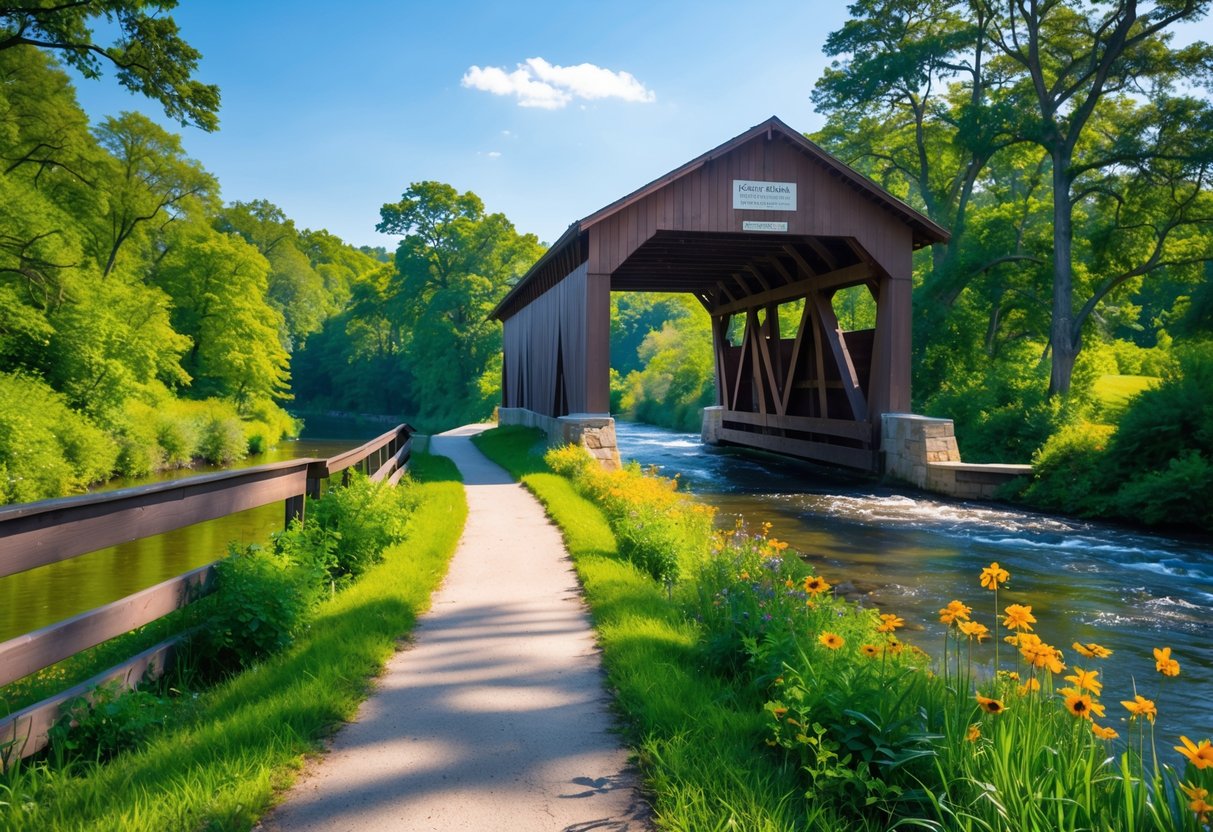
You’ll want to plan your visit carefully to see covered bridges at their best. Knowing when to go and a bit about their background will make your trip more meaningful and enjoyable.
Best Times to Visit
Fall is a popular time because the changing leaves create a perfect backdrop for photos. Late September to early November offers cooler weather and fewer crowds.
Spring is another good choice, especially in April and May. You’ll see blooming flowers around the bridges, and the rivers are usually full from melting snow.
Avoid winter unless you like icy roads and limited access. Many bridges are in rural areas where snow removal is slower. Summer can get busy, especially on weekends, so weekdays are better for a quieter visit.
History Behind Covered Bridges
Covered bridges started appearing in the U.S. around 1805. Their roofs and sides protect the wooden structure from weather, which extends their lifespan significantly.
The idea of covering bridges actually traces back thousands of years to China, where early examples were built. American builders adapted the concept using local timber and styles, often creating unique, regional designs.
Many covered bridges also have names tied to local history, families, or landmarks. Visiting them isn’t just about seeing a bridge—it’s a walk through a piece of living history.

As a mom of three busy boys, I know how chaotic life can get — but I’ve learned that it’s possible to create a beautiful, cozy home even with kids running around. That’s why I started Cultivated Comfort — to share practical tips, simple systems, and a little encouragement for parents like me who want to make their home feel warm, inviting, and effortlessly stylish. Whether it’s managing toy chaos, streamlining everyday routines, or finding little moments of calm, I’m here to help you simplify your space and create a sense of comfort.
But home is just part of the story. I’m also passionate about seeing the world and creating beautiful meals to share with the people I love. Through Cultivated Comfort, I share my journey of balancing motherhood with building a home that feels rich and peaceful — and finding joy in exploring new places and flavors along the way.