

Traveling to new places is exciting, but some destinations come with serious risks for Americans. Whether it’s due to high crime rates, political instability, or threats to your personal safety, there are parts of the world where you should think twice before booking a trip. Venezuela, for example, stands out as one of the most dangerous countries because of its high rates of violent crime and civil unrest.
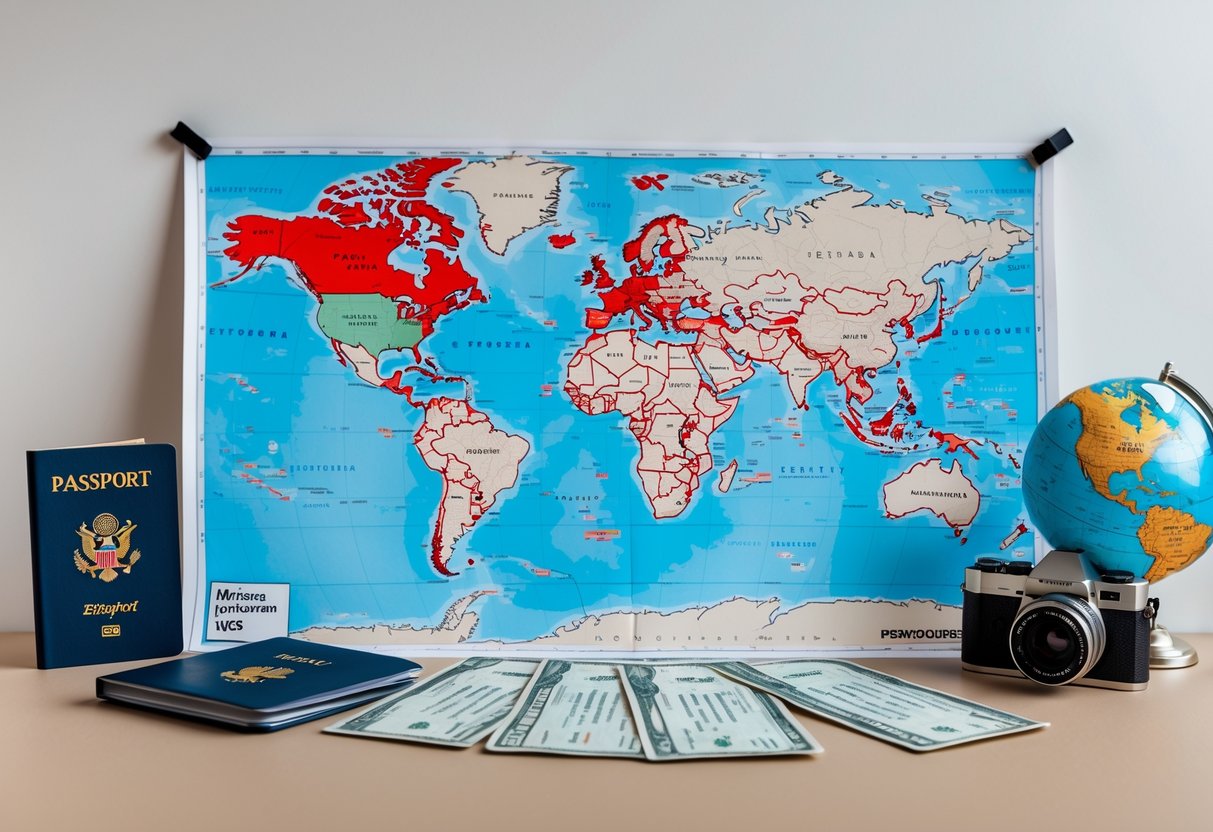
You might assume that danger is only found in remote or war-torn areas, but some popular travel spots also carry significant risks. The U.S. government regularly updates its travel warnings to help you avoid places where violent actions against U.S. citizens are more likely. Knowing these areas can save you from unexpected trouble and keep your travel experience safe.
Understanding where you could be putting yourself at extreme risk is key to making smarter travel choices. This guide will help you identify the most dangerous places for Americans right now, so you can plan your trips with confidence and avoid areas that come with serious safety concerns.
Top Destinations With High Risks
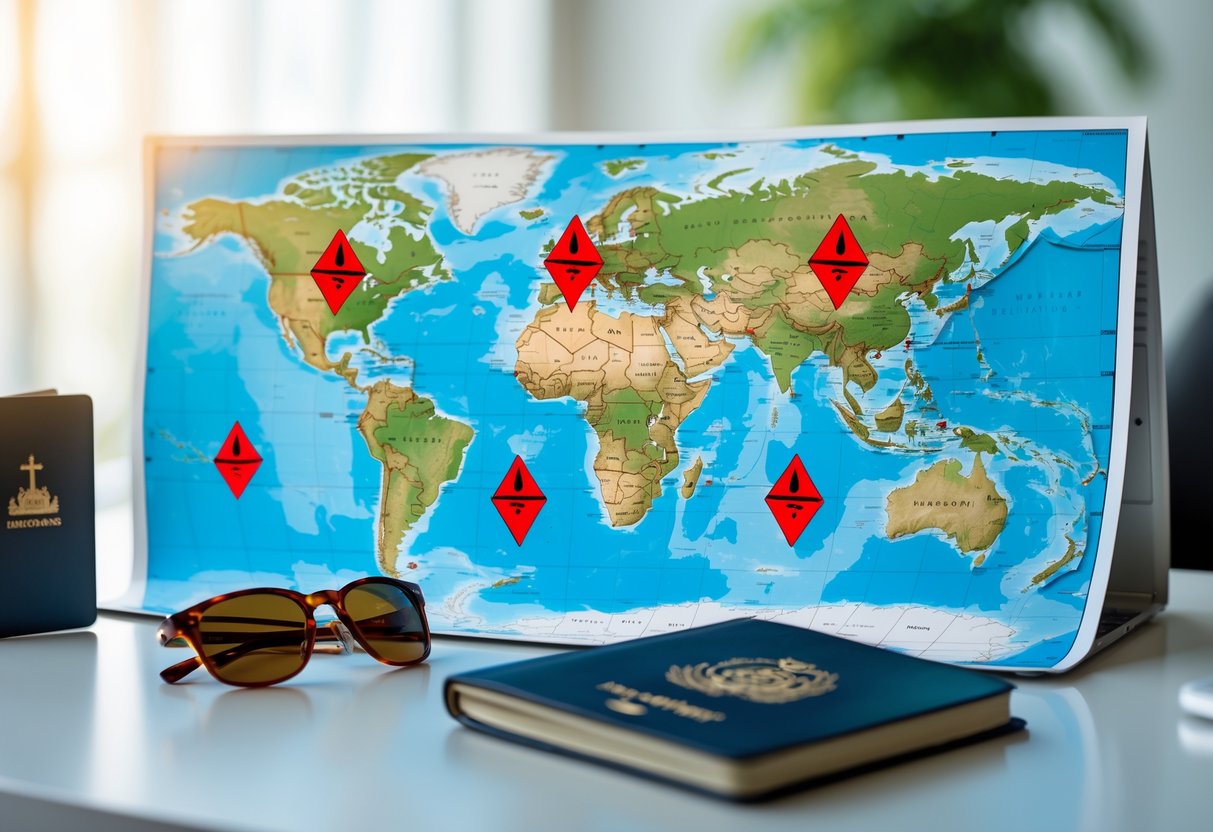
Some places pose serious dangers to travelers because of crime, political unrest, or unstable governments. Knowing exactly where these risks are can help you make safer travel decisions.
Current Global Hotspots for Americans
Right now, places like the Central African Republic and Mali stand out as risky for Americans. These countries face high rates of crime, armed conflict, and occasional kidnappings. If you plan to travel in these areas, be prepared for limited security and erratic situations.
Other hotspots include parts of West Africa and some regions in the Middle East, where ongoing conflicts make travel dangerous. Avoiding rural or border areas in these zones is critical since violence can escalate quickly.
Countries With Travel Warnings
The U.S. State Department issues travel warnings based on threats like terrorism, crime, and political instability. Countries such as Somalia, Syria, and Yemen frequently appear on these lists. These warnings signal you to reconsider travel or, if you must go, to take extra precautions.
Before any trip, check official government websites for the latest updates. Some countries may seem stable in cities but still carry high risks in rural or conflict-prone zones.
Volatile Regions and Political Instability
Your safety can be compromised in regions experiencing protests, coups, or civil unrest. Places like Venezuela and parts of Central America regularly have demonstrations that can turn violent without much warning.
Political instability often disrupts transportation, healthcare, and communication systems. So even if you avoid direct violence, unreliable services can create hardships. Stay informed about local events and have backup plans for emergencies.
Key Factors Making Travel Dangerous
Travel risks often come down to a mix of safety issues, health challenges, and misunderstandings about the local rules. Knowing what to watch out for can help you avoid trouble and stay safe.
Crime and Personal Safety Concerns
Some countries have high rates of violent crime, theft, and kidnapping. You might face risks like armed robbery or pickpocketing, especially in crowded places or after dark.
Civil unrest and political instability can also make areas unsafe. Protests sometimes turn violent without warning, so it’s best to avoid demonstrations and unstable regions.
Using common safety practices—like staying in well-lit areas, avoiding isolated spots, and keeping valuables secure—reduces your risk. Local advice is crucial since crime patterns can change quickly.
Health Risks and Medical Emergencies
Certain destinations carry risks of diseases like malaria, dengue, or cholera. You may need vaccines or preventive medicine before travel, depending on the area.
Medical care quality varies widely. In some places, hospitals may lack proper equipment or medicines, so having travel insurance that covers medical evacuation is smart.
Food and water safety can also pose risks. Stick to bottled water and eat freshly cooked food to reduce chances of illness.
Local Laws and Cultural Differences
Laws in some countries are very strict and might catch you off guard. Things like drug possession, photographing military sites, or even public displays of affection can lead to serious penalties.
Cultural norms differ too. What’s polite or acceptable in the U.S. might be offensive elsewhere. It helps to research local customs to avoid misunderstandings.
Ignoring rules or disrespecting traditions not only puts you at legal risk but can also make locals less willing to help if you get into trouble.

As a mom of three busy boys, I know how chaotic life can get — but I’ve learned that it’s possible to create a beautiful, cozy home even with kids running around. That’s why I started Cultivated Comfort — to share practical tips, simple systems, and a little encouragement for parents like me who want to make their home feel warm, inviting, and effortlessly stylish. Whether it’s managing toy chaos, streamlining everyday routines, or finding little moments of calm, I’m here to help you simplify your space and create a sense of comfort.
But home is just part of the story. I’m also passionate about seeing the world and creating beautiful meals to share with the people I love. Through Cultivated Comfort, I share my journey of balancing motherhood with building a home that feels rich and peaceful — and finding joy in exploring new places and flavors along the way.