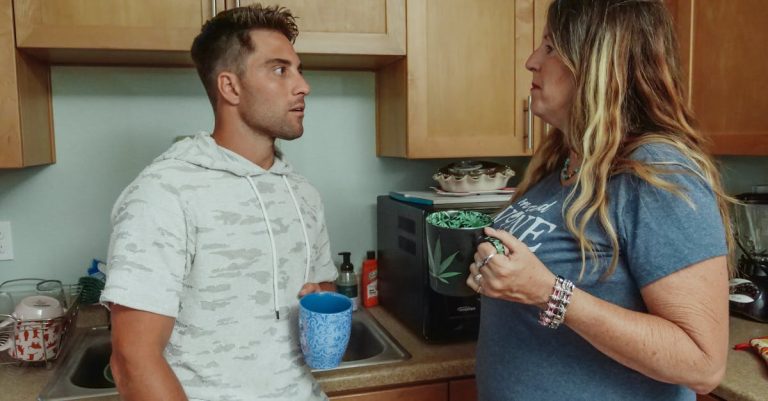
In relationships, especially those involving narcissistic individuals, conversations about accountability can often feel like navigating a minefield. You might find yourself grappling with a situation where someone you care about has wronged you, yet their apology feels hollow or insincere. You’re not alone in experiencing the confusion and frustration that follows a narcissist’s half-hearted acknowledgment of their behavior. It can leave you questioning your feelings, the validity of your boundaries, and even the state of the relationship itself.

Your feelings of frustration and disappointment are valid. When someone dismisses or minimizes your pain, it’s normal to feel hurt and unsure of how to respond. Understanding how to spot a narcissist’s apology is crucial because it allows you to maintain your boundaries and foster healthy communication. You deserve respect and open, honest dialogue in all your relationships.
Start With a Calm, Direct Conversation
Begin by addressing the issue directly with the person involved. A calm conversation can set the tone for a more honest exchange. Use “I” statements to express how their actions affected you, such as, “I felt hurt when you did this.”
This approach works because it focuses on your feelings rather than accusing them, which can prevent them from becoming defensive. Remember, you’re not wrong to seek clarity and understanding in your relationship.
Set Clear Boundaries and Expectations
Define what you need moving forward. Clearly articulate what behaviors you will not tolerate and the consequences if those boundaries are crossed. For instance, you might say, “If this happens again, I will need to take a step back from our relationship.”
Setting boundaries is empowering. It shows that you value your own well-being and are willing to stand up for it. Trust that you have the right to define how others treat you.
Involve Your Partner Without Blaming Them
If the narcissist is a partner, involve them in the conversation in a way that doesn’t place blame. Use collaborative language: “How can we address this together?” This invites them to be part of the solution instead of feeling attacked.
This method can work because it fosters a sense of teamwork. It also gives them an opportunity to show genuine remorse if they choose to. You are taking the initiative to create a supportive environment for resolution.
Offer Reasonable Alternatives
Propose specific changes or adjustments that could improve your relationship. For example, if they often cancel plans at the last minute, suggest a more reliable way to communicate about availability.
Offering alternatives works because it gives them a clear path forward. You’re not just pointing out a problem; you’re actively seeking solutions. This proactive approach empowers you to take control of the situation and encourages them to engage positively.
Protect Your Home and Privacy Without Escalating Conflict
If the narcissist’s behavior invades your personal space or privacy, address it calmly. Clearly state what behaviors are unacceptable and why they matter to you. For example, “I need my personal space respected, and I feel uncomfortable when my privacy is invaded.”
This strategy is effective because it helps you maintain a sense of security without escalating tensions. You have every right to protect your environment and your peace of mind. Trust that you can assert your needs confidently.
Recognize the Signs of a Narcissist’s Apology
Learn to identify the red flags of a narcissist’s apology. Often, these apologies may lack accountability, include blame-shifting, or focus more on how their actions made them feel rather than addressing your hurt. Phrases like “I’m sorry you feel that way” or “I didn’t mean to” are common.
Understanding this dynamic is empowering. It equips you to recognize insincerity and hold firm to your standards for genuine apology and accountability. You deserve authentic interactions that validate your feelings.
Know When to Walk Away
Sometimes, despite your best efforts, the relationship may not improve. If you consistently find yourself in a cycle of hurt and insincerity, it may be time to reevaluate the relationship. Walking away can be incredibly empowering and necessary for your mental health.
Recognizing when to let go is a sign of strength. You deserve relationships that uplift you and respect your boundaries. Trust yourself to make the right choice for your well-being.
Closing
While navigating a relationship with a narcissist can be challenging, it is possible to improve your situation by asserting your boundaries and communicating your needs effectively. Remember, you are not alone in this journey, and it’s okay to seek support from friends or professionals as you navigate your feelings.
Finally, keep in mind that you have the power to create healthier relationships. Embrace your strength, and know that you deserve respect and understanding. Your journey toward clearer communication and healthier boundaries starts now.
More from Cultivated Comfort:
- 7 Vintage Home Items From the ’60s That Are Collectors’ Dream Finds
- 7 Vintage Home Goods That Became Collectors’ Gold
- 7 Fast-Food Chains That Changed for the Worse
- 7 Frozen Dinners That Were Better Back in the Day

As a mom of three busy boys, I know how chaotic life can get — but I’ve learned that it’s possible to create a beautiful, cozy home even with kids running around. That’s why I started Cultivated Comfort — to share practical tips, simple systems, and a little encouragement for parents like me who want to make their home feel warm, inviting, and effortlessly stylish. Whether it’s managing toy chaos, streamlining everyday routines, or finding little moments of calm, I’m here to help you simplify your space and create a sense of comfort.
But home is just part of the story. I’m also passionate about seeing the world and creating beautiful meals to share with the people I love. Through Cultivated Comfort, I share my journey of balancing motherhood with building a home that feels rich and peaceful — and finding joy in exploring new places and flavors along the way.