If you’ve ever wondered which cities in the U.S. have been around the longest, you’re in the right place. St. Augustine, Florida, holds the title as the oldest continuously inhabited city in the continental United States, dating back to 1565. It’s a place where history really feels alive, with roots that go deeper than Jamestown or Plymouth.
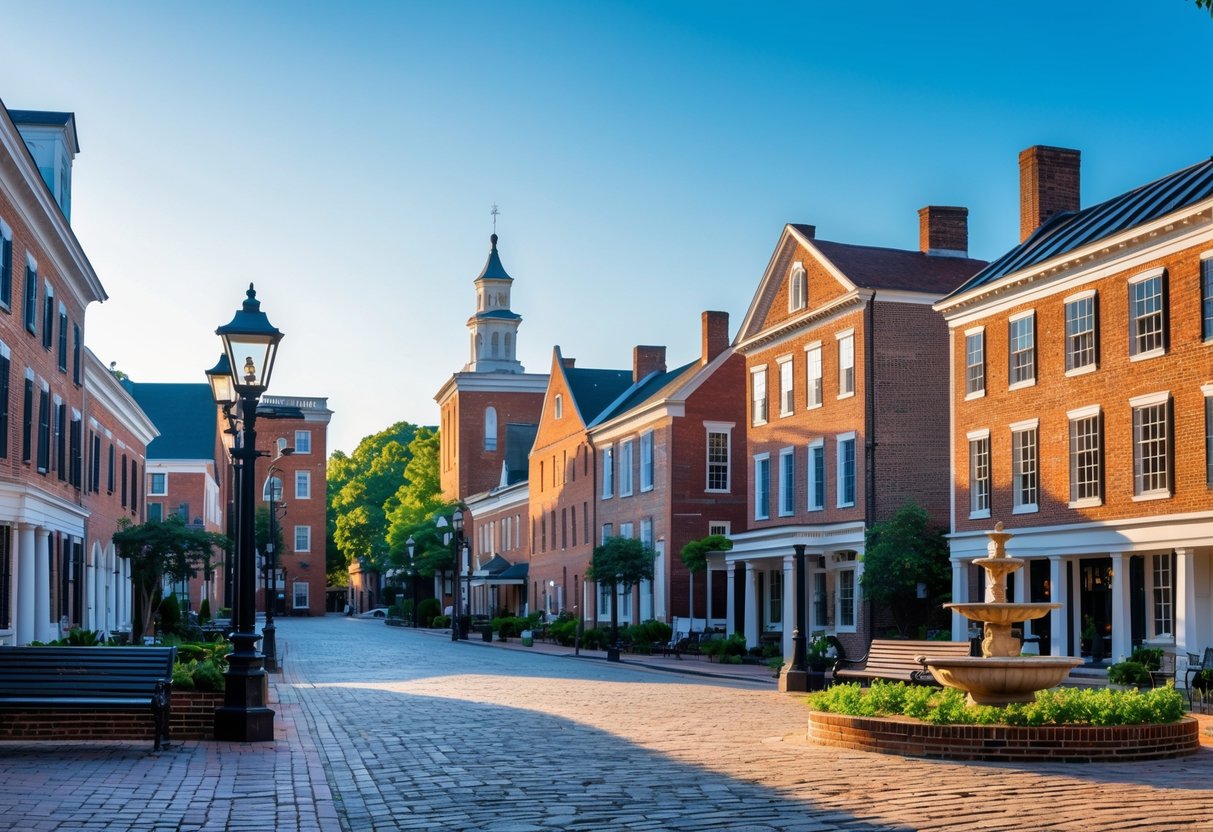
You might be surprised to learn that many of the country’s oldest cities weren’t just randomly settled—they often started as important ports or colonial outposts. Each one has its own story and a unique way of showing how America grew from small towns to the bustling cities we know today.
So, whether you’re into history, curious about American roots, or just love exploring cool places with a past, this list will give you a glimpse into the oldest corners of the U.S. that have stood the test of time.
Oldest Cities in the United States
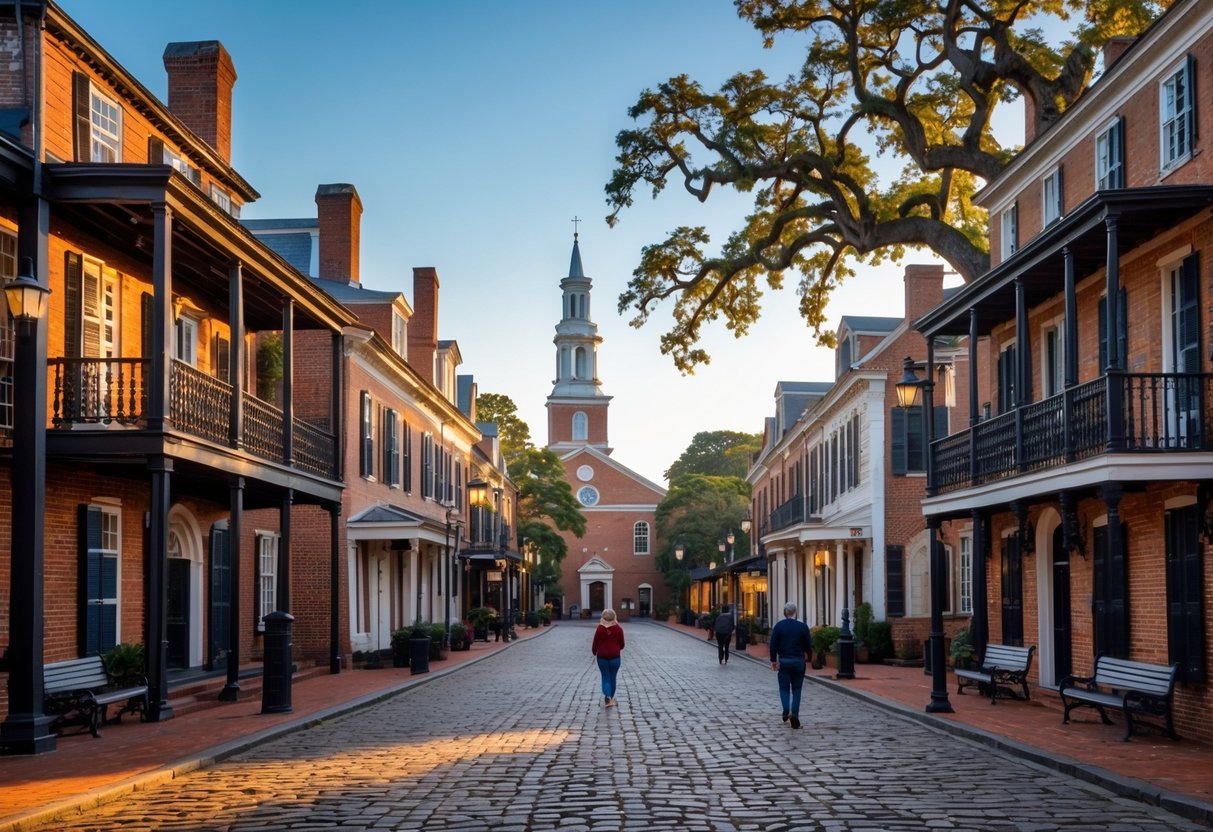
You’ll find some of the first European settlements in the U.S. still standing today, with rich histories dating back centuries. These cities show the early attempts at colonization and the diverse cultures that shaped America.
St. Augustine, Florida
St. Augustine holds the title as the oldest city in the U.S., founded in 1565 by Spanish explorers. It was established initially as a military outpost to protect Spain’s interests in the New World.
Walking through St. Augustine, you see colonial architecture, ancient forts like Castillo de San Marcos, and cobblestone streets. It retains a strong Spanish influence, visible in its culture and annual festivals.
Today, if you visit, you’re stepping into a living museum of early American history. Plus, it’s located on Florida’s northeast coast, offering both historical insights and scenic views.
Santa Fe, New Mexico
Santa Fe was founded in 1610 and is known as the oldest state capital in the U.S. Unlike many Eastern cities, it has deep roots in Native American and Spanish colonial history.
The city blends Pueblo-style architecture with Southwestern influences, making it unique in design. When you’re there, you can visit historic sites like the Palace of the Governors, still in use since the early 1600s.
Santa Fe’s ongoing Native presence means you also experience living traditions alongside colonial heritage, especially in arts and crafts.
Jamestown, Virginia
Jamestown, established in 1607, was the first permanent English settlement in America. It’s often called the start of British colonial America.
Though the original settlement faced hardship, including conflicts and starvation, it marked a key moment in U.S. history. You can explore the Jamestown Settlement museum and archaeological sites that reveal everyday life from that era.
For you, visiting Jamestown connects directly to the story of America’s beginnings as an English colony, with plenty of informative exhibits and reconstructed buildings.
Exploring the Rich History of America’s First Cities
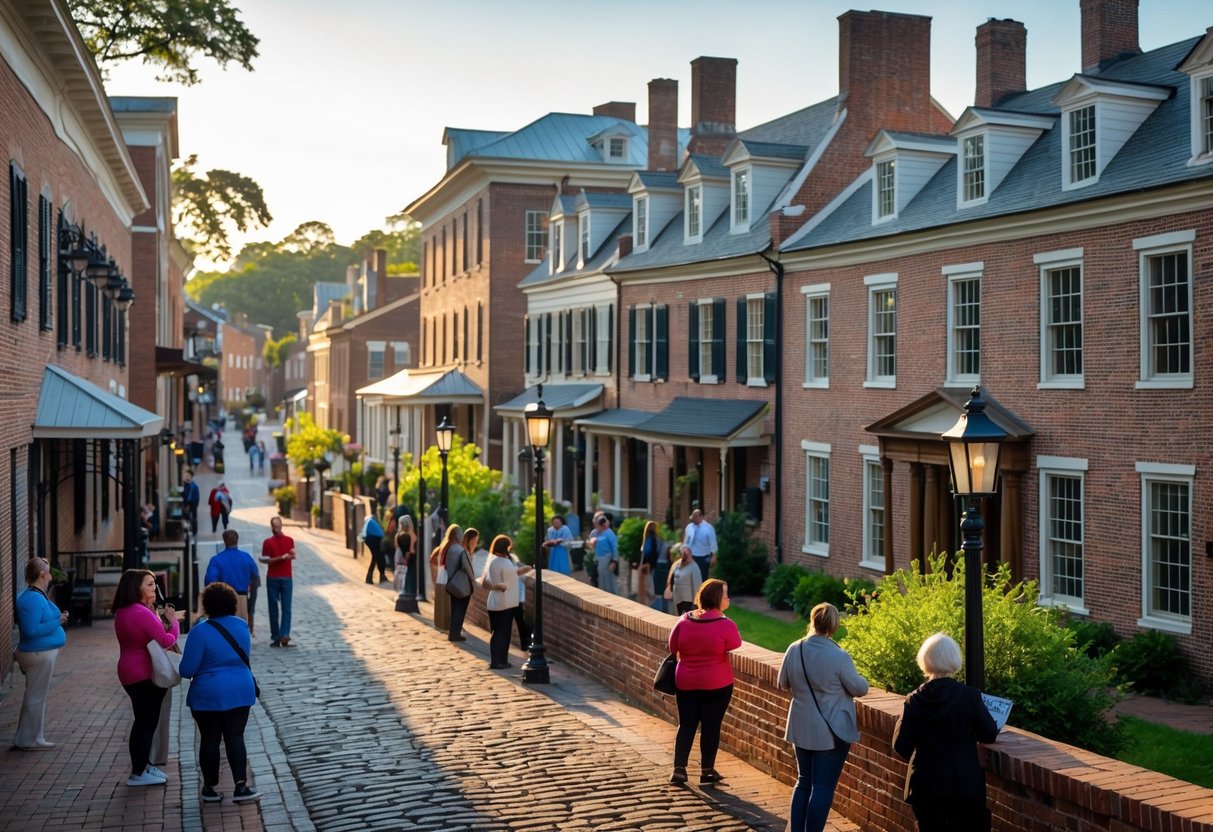
You’ll find that America’s oldest cities have layered histories involving early European settlers and the Native peoples who lived there first. Their buildings and streets show these long stories, and today, these cities balance preserving the past with everyday modern life.
Colonial Roots and Indigenous Heritage
Many of the oldest cities, like St. Augustine, Florida (founded in 1565), started as European colonies but were built on land inhabited by Indigenous peoples for thousands of years. You can see this blend in the culture and sometimes in the place names.
When exploring, you’ll notice sites where Indigenous and colonial histories intersect, reflecting complex relations between early settlers and Native communities. This mix can be seen in museums and local traditions that highlight both perspectives.
Understanding this history helps you appreciate the deep roots these cities have beyond their colonial facade. It reminds you that the land carries stories older than European arrival.
Architectural Landmarks and Preservation
Cities like Jamestown, Virginia, and Santa Fe, New Mexico, feature historic buildings, forts, and churches dating back centuries. These structures show you architectural styles from different eras, like Spanish colonial or early American.
You’ll often find city efforts focused on preserving these landmarks to keep the original look and feel. Walking tours and museums make it easy for you to connect with history through the buildings themselves.
Preservation isn’t just about old bricks; it’s about keeping alive the vibe of those early days so you can experience a part of the past firsthand while visiting.
Modern Life in Historic Towns
Despite their age, these cities are still very much alive and evolving. St. Augustine blends historic sites with modern shops and restaurants, giving you a taste of history alongside contemporary life.
You’ll see old streets bustling with locals and visitors, combining the charm of the past with daily routines. Many towns offer festivals and events that celebrate their unique history, inviting you to join in.
This mix means you don’t just visit a museum—you get to live the city’s ongoing story while enjoying modern amenities.

As a mom of three busy boys, I know how chaotic life can get — but I’ve learned that it’s possible to create a beautiful, cozy home even with kids running around. That’s why I started Cultivated Comfort — to share practical tips, simple systems, and a little encouragement for parents like me who want to make their home feel warm, inviting, and effortlessly stylish. Whether it’s managing toy chaos, streamlining everyday routines, or finding little moments of calm, I’m here to help you simplify your space and create a sense of comfort.
But home is just part of the story. I’m also passionate about seeing the world and creating beautiful meals to share with the people I love. Through Cultivated Comfort, I share my journey of balancing motherhood with building a home that feels rich and peaceful — and finding joy in exploring new places and flavors along the way.