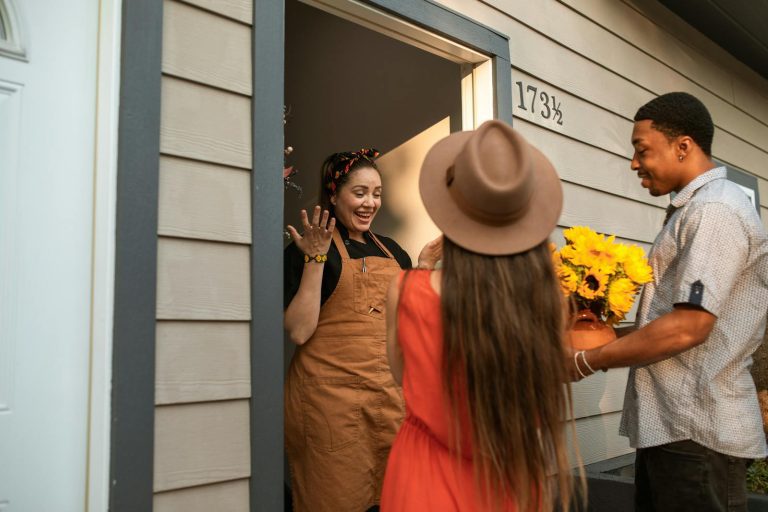
As the housing market continues to shift and more generations seek comfort in their living spaces, Baby Boomers are sharing their insights on what truly transforms a house into a home. Their experiences and practices, honed over decades, offer valuable lessons for homeowners of all ages who wish to create a welcoming environment. Understanding these principles is essential, especially as many families are spending more time at home than ever before.
Personal Touches Matter
One of the most significant lessons from Boomers is the importance of personalization. Many older homeowners emphasize that infusing personal touches into a space—be it through family photographs, artwork, or heirloom furniture—instantly adds warmth and character. According to Betty Thompson, a retired interior designer from Ohio, “Your home should reflect who you are. It tells your story.” This sentiment resonates with many who believe that personalization fosters a sense of belonging and comfort.
Creating a Functional Layout
Another crucial aspect highlighted by Boomers is the necessity of a functional layout. Homes that facilitate ease of movement and interaction among family members are often more enjoyable. “When we remodeled our living room, we focused on making it a gathering space,” shares Mark Johnson, a 65-year-old homeowner. He notes that arranging furniture to encourage conversation and ensuring that spaces are not cluttered can significantly enhance the home’s atmosphere. In fact, many Boomers recommend open floor plans that connect living areas, kitchens, and dining spaces as a way to foster togetherness.
Incorporating Nature
Access to natural light and outdoor spaces plays a pivotal role in making a house feel like home, according to Boomers. They advocate for integrating plants, flowers, and natural elements into home decor. “Bringing the outside in can lift your spirits,” says Linda Carter, an avid gardener. Her home is filled with thriving houseplants and flowers, creating a serene sanctuary. Moreover, many Boomers have taken to adding outdoor seating areas or gardens, highlighting the mental health benefits associated with spending time in nature.
The Power of Comfort
Comfort is another essential element that Boomers stress when creating a homey atmosphere. This can be achieved through cozy furniture, soft textiles, and inviting colors. “We invested in a good sofa that we could all sink into and enjoy family movie nights,” recounts Jim Walker, a grandfather of three. Textiles like throw blankets and decorative pillows add layers of comfort and can easily be swapped out seasonally. Additionally, selecting a warm color palette can create a calming environment that feels inviting and safe.
Community and Connection
For many Boomers, a house becomes a home through community and connection. Building relationships with neighbors and involving oneself in local activities can enrich the living experience. “We host block parties and get-togethers, which have turned our neighborhood into a close-knit community,” shares Susan Martinez, a long-time resident of a suburban neighborhood. These social interactions not only enhance the feeling of home but also provide a support network that can be invaluable.
Embracing Simplicity
Boomers often advocate for simplicity in home design and decor. This approach involves decluttering and prioritizing items that hold significant meaning or utility. “Less is more,” advises Andrew Lewis, who downsized to a smaller home after retirement. By embracing a minimalist lifestyle, many find that they can focus more on experiences rather than possessions, ultimately enhancing their sense of home through clarity and calmness.
The Role of Tradition and Memory
Tradition and memory play a significant role in how Boomers perceive their homes. Many older homeowners take pride in displaying family heirlooms or items that evoke cherished memories. “My grandmother’s dining table is the centerpiece of our family gatherings,” says Emily Richards, a grandmother of four. Such traditions can create a sense of continuity and belonging, reminding residents of their roots and the importance of family connections.
Adaptability and Change
As lifestyles evolve, so too must homes. Boomers stress the importance of adaptability in creating a home that feels personal and functional over time. “We’ve made changes as our needs have evolved, from raising kids to now hosting grandchildren,” explains Robert Nelson. He highlights the need for homes to adapt with the residents, allowing spaces to be versatile and accommodating to various life stages.

As a mom of three busy boys, I know how chaotic life can get — but I’ve learned that it’s possible to create a beautiful, cozy home even with kids running around. That’s why I started Cultivated Comfort — to share practical tips, simple systems, and a little encouragement for parents like me who want to make their home feel warm, inviting, and effortlessly stylish. Whether it’s managing toy chaos, streamlining everyday routines, or finding little moments of calm, I’m here to help you simplify your space and create a sense of comfort.
But home is just part of the story. I’m also passionate about seeing the world and creating beautiful meals to share with the people I love. Through Cultivated Comfort, I share my journey of balancing motherhood with building a home that feels rich and peaceful — and finding joy in exploring new places and flavors along the way.