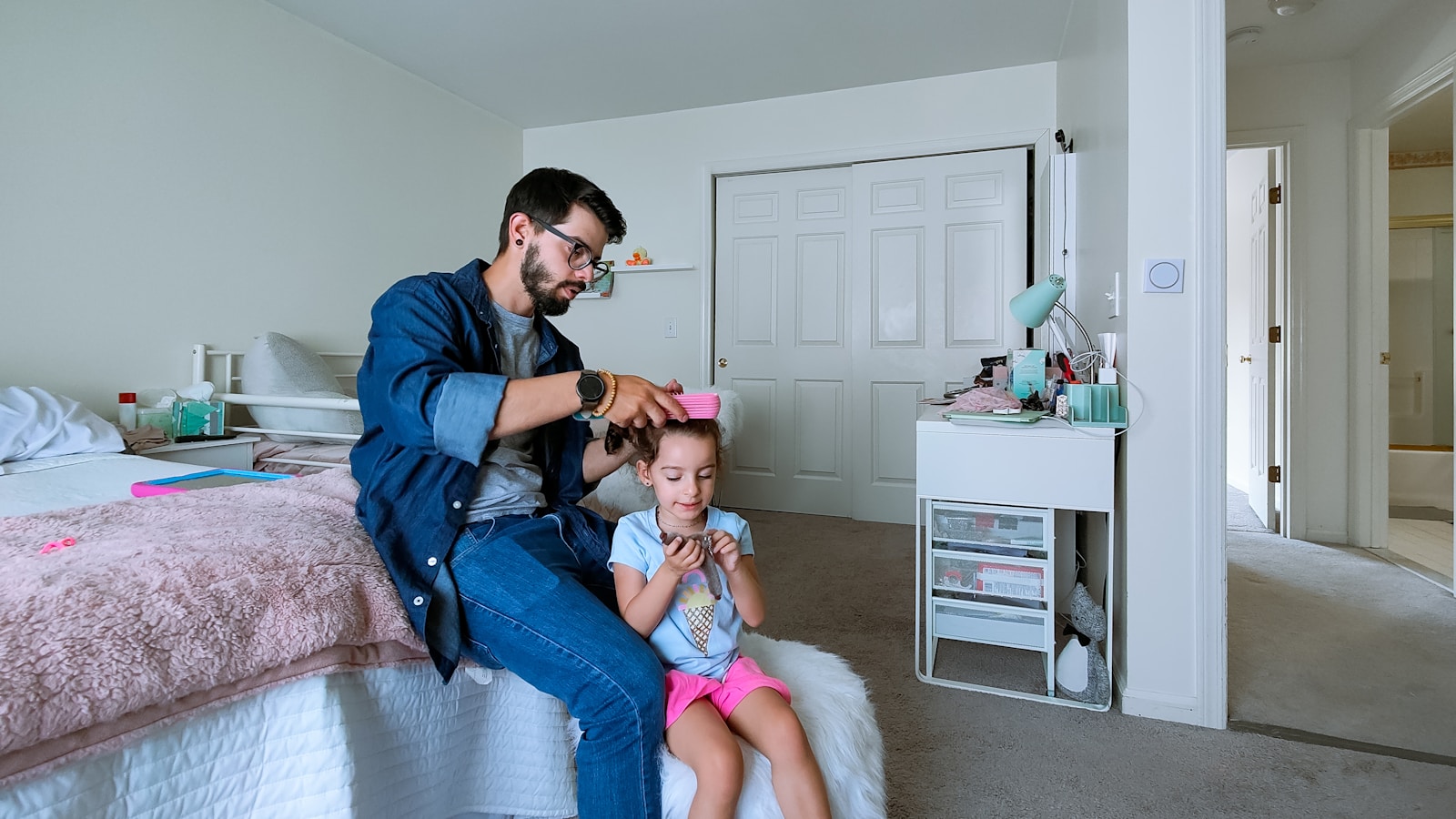
As societal norms and values evolve, behaviors and practices that were once considered acceptable are now viewed through a different lens, particularly when it comes to parenting. Many actions taken by Baby Boomer fathers in the late 20th century would likely spark controversy in today’s parenting landscape. This shift matters not only for understanding generational differences but also for shaping the future of parenting approaches.
Physical Discipline
One practice that has come under intense scrutiny is the use of physical discipline. Many Boomer dads believed in spanking as a valid method of correcting misbehavior. While some argue it was an effective way to instill discipline, today’s experts largely advocate for non-violent methods of discipline that promote emotional well-being. The American Academy of Pediatrics has strongly discouraged physical punishment, emphasizing instead the importance of communication and positive reinforcement.
Work-Life Balance
In the past, it was common for fathers to prioritize career advancement over family time, often resulting in long hours at the office and a diminished presence at home. Many Boomer dads were conditioned to believe that providing financially was their primary responsibility, which sometimes led to neglecting family relationships. In contrast, modern parenting emphasizes a balanced approach that values emotional availability and time spent with children, challenging traditional notions of masculinity and fatherhood.
Gender Roles in Parenting
Traditional gender roles dictated that fathers were the breadwinners while mothers took care of the home. Many Boomer dads adhered to this model, often stepping back from household responsibilities and childcare. Today, there is a growing acceptance of shared parenting roles, with many fathers taking on significant caregiving duties. This shift not only enriches family dynamics but also promotes gender equality within the household.
Communication Styles
Many fathers from the Baby Boomer generation were raised in environments where open emotional expression was discouraged. As a result, it was common for Boomer dads to adopt a more stoic approach to parenting, often communicating less with their children about feelings and emotions. In today’s parenting culture, emotional intelligence and open communication are highly valued, with many parents striving to create safe spaces for their children to express themselves without fear of judgment.
Technology Use
When it comes to technology, many Boomer dads were less vigilant regarding screen time and digital safety. They often allowed children unrestricted access to television and video games, believing that it was just a part of growing up. In contrast, contemporary parents are increasingly aware of the potential negative effects of excessive screen time and are more proactive about setting limits and monitoring online activity to protect their children from inappropriate content and cyberbullying.
Relationship with Education
For many Boomer dads, education was often viewed as a means to an end—a way to secure a stable job and financial independence. Consequently, some fathers may have prioritized academic achievement over their children’s passions or interests. Today, there is a significant shift towards valuing holistic education, where emotional and social skills are emphasized alongside academic performance. Modern fathers are more likely to encourage their children to explore diverse interests, even if they may not lead to traditional career paths.
Parental Involvement
Many fathers from the Baby Boomer generation were less involved in their children’s education and extracurricular activities. This detachment was often a reflection of the societal norms of the time, which saw fathers as more of a provider than an active participant in their children’s lives. Presently, parental involvement is recognized as crucial for a child’s development, with many dads actively engaging in school functions, sports, and other activities, fostering a stronger bond with their children.
Attitudes Towards Mental Health
In the past, mental health was often stigmatized, and many Boomer dads may have dismissed emotional struggles as signs of weakness. This led to a lack of support for children facing mental health challenges. Today, there is a growing awareness of the importance of mental health, with many parents prioritizing emotional well-being and advocating for their children’s mental health needs. This shift reflects a broader societal change towards understanding and addressing mental health issues more openly and compassionately.
Conclusion
The parenting practices of Baby Boomer dads highlight the significant changes in societal expectations and values over the decades. While some of these behaviors were commonplace and viewed as normal at the time, they are now considered controversial or even harmful in today’s context. Understanding these shifts is essential not only for appreciating the complexities of generational parenting but also for fostering more inclusive and supportive environments for future generations of children.

As a mom of three busy boys, I know how chaotic life can get — but I’ve learned that it’s possible to create a beautiful, cozy home even with kids running around. That’s why I started Cultivated Comfort — to share practical tips, simple systems, and a little encouragement for parents like me who want to make their home feel warm, inviting, and effortlessly stylish. Whether it’s managing toy chaos, streamlining everyday routines, or finding little moments of calm, I’m here to help you simplify your space and create a sense of comfort.
But home is just part of the story. I’m also passionate about seeing the world and creating beautiful meals to share with the people I love. Through Cultivated Comfort, I share my journey of balancing motherhood with building a home that feels rich and peaceful — and finding joy in exploring new places and flavors along the way.