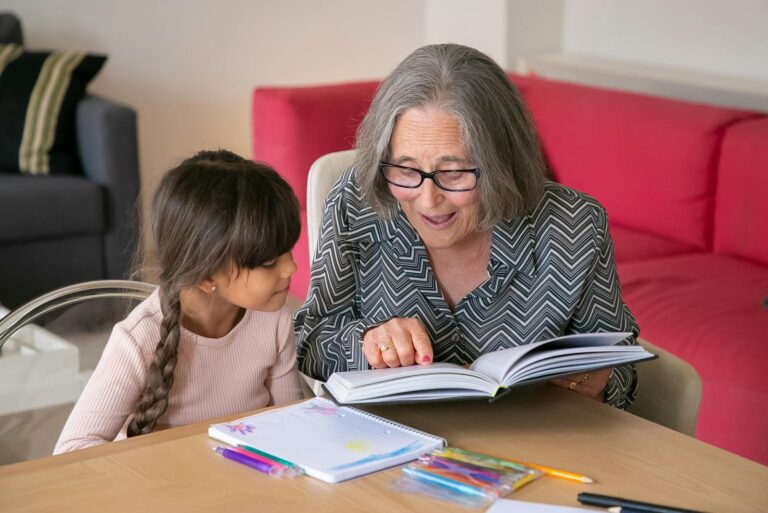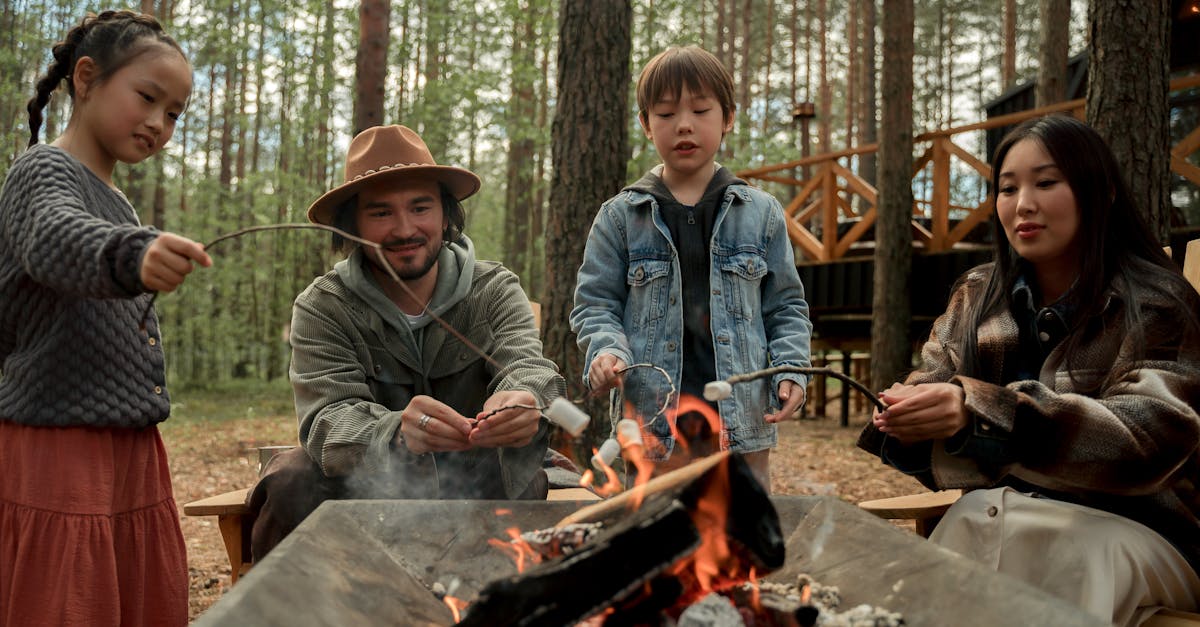

As the world rapidly evolves, many millennials and Gen Z individuals reflect on their upbringing, often criticizing their Baby Boomer parents for outdated parenting styles. However, recent studies reveal that many practices of Boomer parents were surprisingly beneficial to their children’s emotional and social development, even if they didn’t realize it at the time. Understanding these positive aspects can help bridge the generational gap and provide valuable insights for contemporary parenting.
Encouraging Independence
One of the most significant contributions of Boomer parents was their approach to fostering independence in children. Many Baby Boomers were raised in a time when outdoor play and self-directed activities were the norms. As a result, they often encouraged their children to explore their surroundings, take risks, and solve problems on their own.
This emphasis on independence has had lasting effects. Research indicates that children who experience autonomy during their formative years tend to develop better decision-making skills, increased self-esteem, and improved resilience. Thus, the Boomer philosophy of letting kids “figure it out” has proven beneficial in nurturing self-reliant adults.
Promoting Strong Work Ethics
Baby Boomers are often credited with instilling a strong work ethic in their children. Many grew up during times of economic uncertainty and learned the value of hard work and perseverance. They passed these values to their children, teaching them the importance of diligence and commitment.
Studies consistently show that individuals who are raised with a strong work ethic tend to excel in their careers and maintain higher levels of job satisfaction. They are more likely to take initiative and pursue opportunities, traits that are incredibly valuable in today’s competitive job market. The Boomer approach to work ethics may have cultivated a generation of motivated and driven individuals.
Fostering Emotional Intelligence
While Baby Boomers are sometimes perceived as emotionally distant, many unwittingly fostered emotional intelligence in their children. By emphasizing the importance of family gatherings and open discussions about feelings, they created environments where children learned to navigate complex emotions. Many Boomers encouraged their kids to express themselves, even if they didn’t always know how to articulate their own feelings.
Research suggests that emotional intelligence is a crucial factor in personal and professional success. Individuals with high emotional intelligence tend to have better relationships, communicate more effectively, and exhibit greater empathy. The foundational skills that Boomer parents instilled in their children have equipped them to navigate the complexities of modern interpersonal relationships.
Encouraging Socialization and Community Involvement
Baby Boomers prioritized community involvement and socialization, often involving their children in neighborhood events, religious activities, and volunteer opportunities. This practice not only helped children build strong social networks but also taught them the importance of giving back to their communities.
Research shows that children who engage in community activities are more likely to develop a sense of belonging and commitment to civic duties as adults. Moreover, these early experiences can enhance social skills and foster a sense of responsibility. By emphasizing community engagement, Boomer parents unknowingly set the stage for their children to become active, responsible citizens.
Valuing Education and Lifelong Learning
Education was a top priority for many Baby Boomer parents, who often emphasized the importance of academic achievement. They believed that formal education was the key to a successful future, which led to a strong emphasis on homework, school involvement, and higher education.
This focus on education has had a lasting impact, as studies indicate that individuals who value education tend to pursue lifelong learning, adapt to changing job markets, and embrace new opportunities. The Boomer commitment to education has fostered a generation that understands the importance of continuous growth and adaptability in an ever-changing world.
Instilling Financial Responsibility
Many Baby Boomers lived through significant economic shifts, including recessions and booms, which influenced their attitudes toward money. They often taught their children about financial responsibility, emphasizing savings, budgeting, and the importance of living within one’s means. These lessons were not always formal but were often learned through observation and experience.
As a result, many children of Boomer parents have grown into financially savvy adults. Research indicates that early financial education can lead to better money management skills and a greater likelihood of achieving financial stability. The financial lessons imparted by Boomer parents have helped many navigate the complexities of personal finance in adulthood.

As a mom of three busy boys, I know how chaotic life can get — but I’ve learned that it’s possible to create a beautiful, cozy home even with kids running around. That’s why I started Cultivated Comfort — to share practical tips, simple systems, and a little encouragement for parents like me who want to make their home feel warm, inviting, and effortlessly stylish. Whether it’s managing toy chaos, streamlining everyday routines, or finding little moments of calm, I’m here to help you simplify your space and create a sense of comfort.
But home is just part of the story. I’m also passionate about seeing the world and creating beautiful meals to share with the people I love. Through Cultivated Comfort, I share my journey of balancing motherhood with building a home that feels rich and peaceful — and finding joy in exploring new places and flavors along the way.