In a surprising twist, many parenting techniques once employed by Baby Boomer parents are now being endorsed by modern child development experts, highlighting a generational shift back to practices that prioritize emotional well-being and independence in children. This shift matters as it reflects changing societal values and an increasing understanding of child psychology, prompting parents across generations to reevaluate their approaches to raising children.
Encouraging Independence
One of the most notable practices that Boomer parents implemented was encouraging their children to play independently. While some modern parenting styles emphasize constant supervision and structured activities, experts now recognize the value of allowing children to explore and learn on their own. This freedom fosters creativity, problem-solving skills, and self-confidence, skills that are essential in today’s fast-paced world.
Child development specialists affirm that unstructured playtime not only promotes physical health but also enhances emotional resilience. When children are given the opportunity to navigate challenges independently, they learn to manage their emotions and develop coping strategies that will serve them well into adulthood.
Emphasizing Family Meals
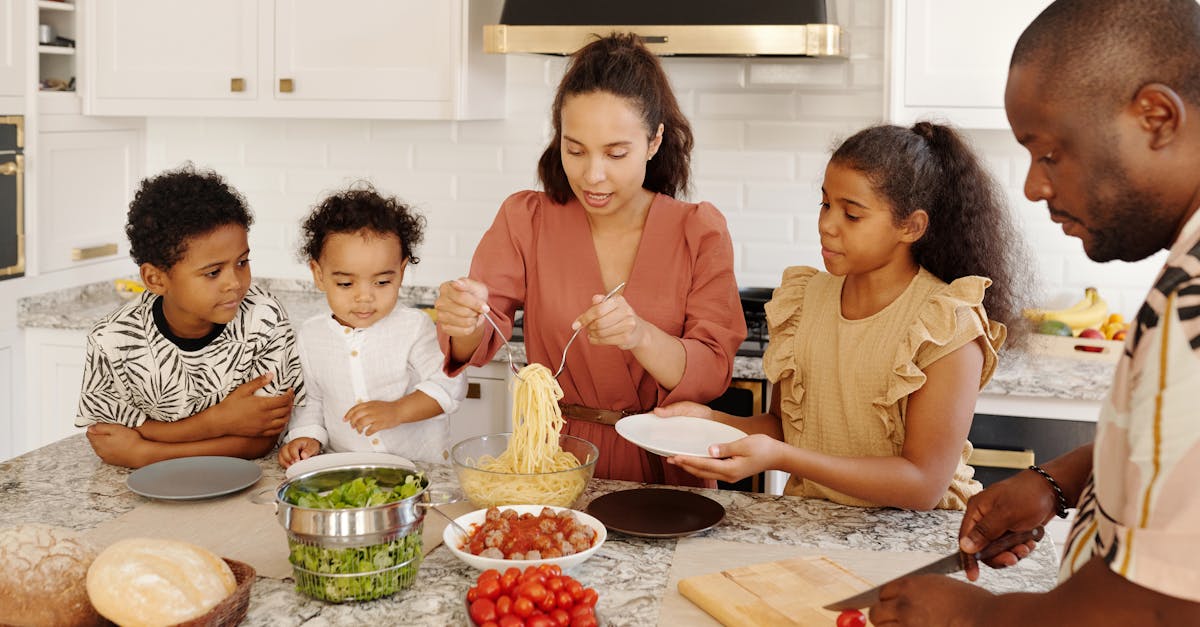
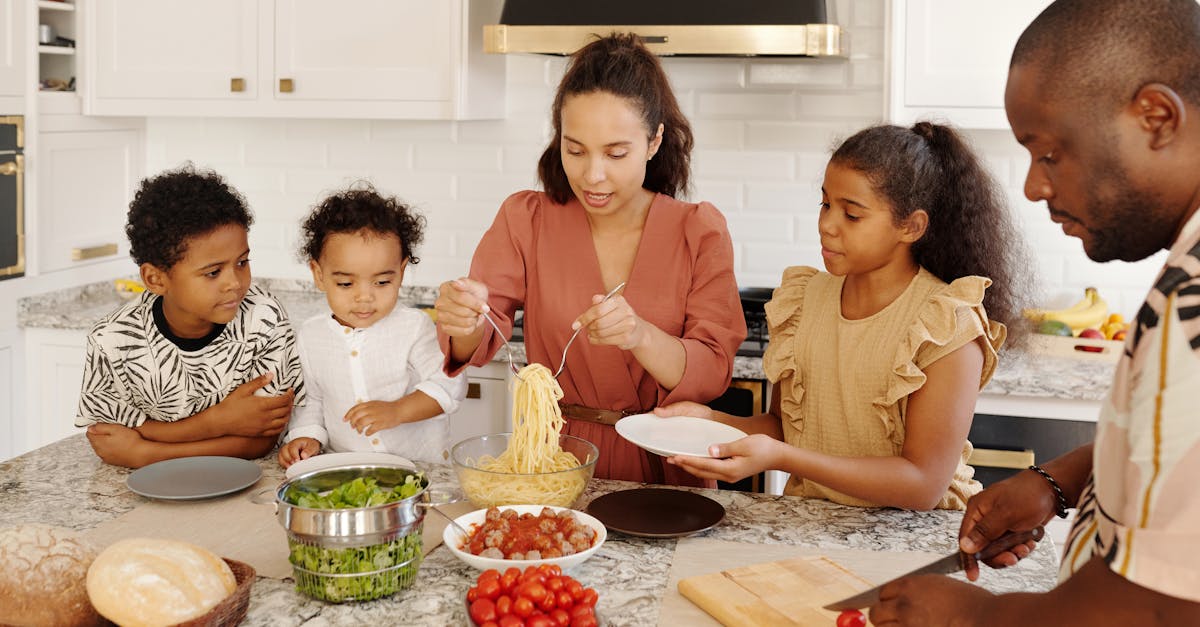
Family meals were a staple in Boomer households, often seen as a time for connection and communication. Recent studies underscore the importance of shared mealtimes, which are linked to various positive outcomes in children, including better mental health, improved academic performance, and a lower likelihood of engaging in risky behaviors. Experts recommend prioritizing family dinners as a straightforward way to enhance family bonding and support children’s emotional development.
Moreover, sharing meals allows parents to model healthy eating habits and engage in meaningful conversations, reinforcing children’s social skills and emotional intelligence. In an age where technology often distracts from family interaction, experts encourage parents to return to the dinner table as a vital space for nurturing relationships.
Limiting Screen Time
While many parents today struggle with the balance of screen time for their kids, Boomers were more likely to impose limits on television and computer usage. Modern research supports the idea that excessive screen time can lead to various issues, including sleep disturbances, poor academic performance, and social anxiety. Experts now recommend setting clear boundaries around screen use, echoing the practices of past generations.
In addition to limiting screen time, experts advocate for encouraging alternative activities, such as outdoor play, reading, and creative hobbies. This shift not only promotes healthier lifestyles but also helps children develop a range of interests and skills beyond the digital realm.
Teaching Life Skills Early
Many Boomer parents believed in teaching their children essential life skills from a young age, such as cooking, cleaning, and managing finances. Today’s experts stress the importance of instilling these abilities early on, as they contribute to greater independence and self-sufficiency in children. Teaching kids to cook or manage household chores fosters responsibility and prepares them for adulthood.
Furthermore, financial literacy is receiving increasing attention from child development experts, who recommend introducing concepts like budgeting and saving as early as elementary school. By equipping children with these skills, parents can help them navigate the complexities of adult life with confidence.
Fostering Emotional Expression
Boomer parents often encouraged their children to express their feelings openly, a practice that is now gaining renewed recognition in modern parenting frameworks. Experts emphasize the importance of emotional literacy, teaching children to identify, understand, and communicate their emotions effectively. This skill set is particularly crucial in fostering healthy relationships and coping mechanisms.
Research shows that children who can articulate their feelings are better equipped to handle stress and conflict. Parents are encouraged to create an environment where emotional discussions are welcomed, helping children feel validated and understood. This approach not only strengthens family bonds but also cultivates empathy and emotional intelligence in children.
Encouraging Outdoor Activities
During the Boomer generation, outdoor play was a given—children often spent hours outside exploring, playing sports, or engaging in imaginative games. Today, experts are urging parents to facilitate outdoor activities for their children, as research indicates that time spent in nature significantly benefits mental and physical health. Outdoor play reduces stress, increases attention spans, and promotes physical fitness.
Modern recommendations focus on integrating outdoor experiences into daily routines, encouraging families to prioritize time in parks, nature reserves, or even their backyards. By doing so, parents can help foster a lifelong appreciation for the outdoors while also enhancing their children’s social and emotional well-being.

As a mom of three busy boys, I know how chaotic life can get — but I’ve learned that it’s possible to create a beautiful, cozy home even with kids running around. That’s why I started Cultivated Comfort — to share practical tips, simple systems, and a little encouragement for parents like me who want to make their home feel warm, inviting, and effortlessly stylish. Whether it’s managing toy chaos, streamlining everyday routines, or finding little moments of calm, I’m here to help you simplify your space and create a sense of comfort.
But home is just part of the story. I’m also passionate about seeing the world and creating beautiful meals to share with the people I love. Through Cultivated Comfort, I share my journey of balancing motherhood with building a home that feels rich and peaceful — and finding joy in exploring new places and flavors along the way.