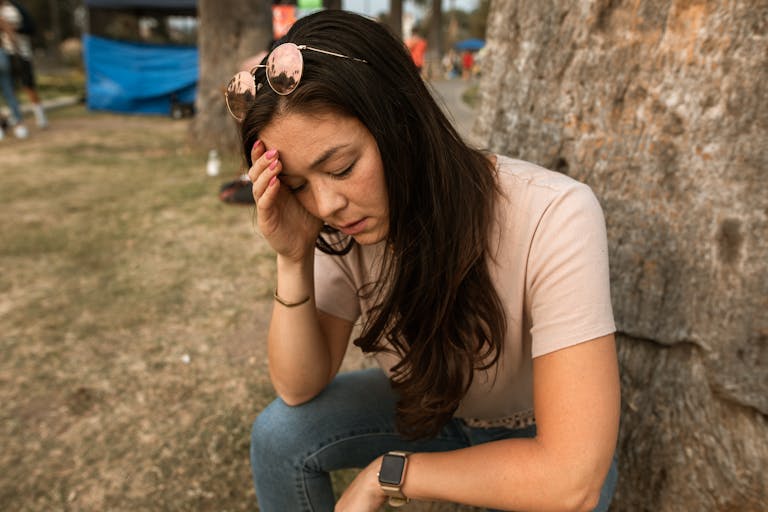

While baby boomer parents focused on fundamental aspects of childhood, modern parents find themselves preoccupied with a range of new concerns that reflect changing societal norms and technological advancements. This shift not only influences parenting styles but also affects the overall well-being of families in today’s fast-paced world. Understanding these differences can provide insight into how parenting has evolved over the decades.
The Rise of Digital Parenting
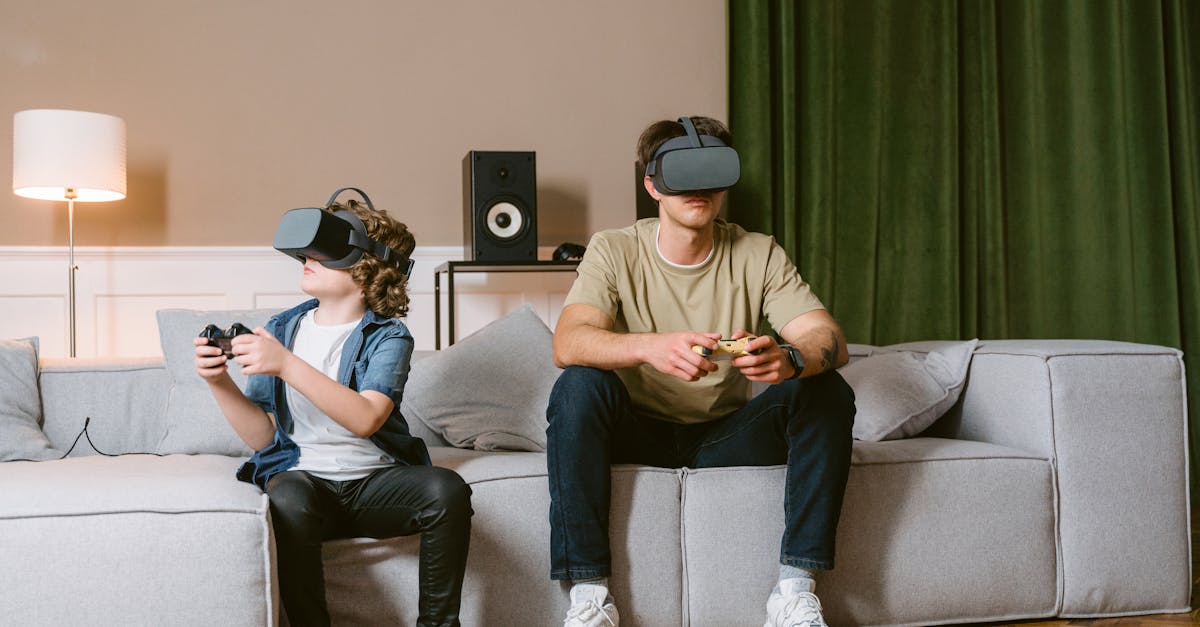
One of the most significant differences between boomer parents and modern ones is the impact of technology on child-rearing. Baby boomers often allowed their children to play outside until dark, with little concern for digital devices. In contrast, modern parents face the challenge of balancing screen time with outdoor play, often obsessing over the effects of social media and video games on their children’s mental health.
According to a 2023 study by the American Academy of Pediatrics, excessive screen time can lead to attention problems and sleep issues in children. This finding has led many parents to worry about their kids’ digital interactions, often resulting in strict rules about technology use. In contrast, boomer parents primarily worried about their children being outside too late or getting into mischief without supervision.
Health and Nutrition Scrutiny
Health consciousness has surged among modern parents, who often feel pressured to provide organic foods and adhere to specific dietary trends. Baby boomer parents were less aware of nutritional guidelines, trusting that a balanced diet could be achieved through traditional meals. Today, many parents are concerned about food additives, allergens, and the long-term effects of processed foods.
Recent surveys show that nearly 80% of modern parents read food labels meticulously, worrying about everything from sugar content to artificial ingredients. This obsession reflects broader concerns about childhood obesity and health issues that were less prevalent during the boomer generation. The food landscape has transformed dramatically, leading to a heightened sense of responsibility regarding children’s diets.
Education and Extracurricular Pressure
When it comes to education, modern parents often place immense pressure on their children to excel academically and participate in multiple extracurricular activities. Baby boomers typically emphasized basic education and personal interests without over-scheduling their children. In today’s hyper-competitive environment, however, parents fear that their children might fall behind if they do not engage in various enrichment opportunities.
This pressure manifests in the form of rigorous after-school schedules packed with tutoring, sports, and arts programs. Research indicates that over-scheduling can lead to stress and burnout in children, yet many modern parents continue to prioritize these activities out of fear that their children may miss out on opportunities for success. This shift reflects a broader cultural commitment to achievement and advancement that was less prevalent in previous generations.
Social Dynamics and Mental Health
Social dynamics have also evolved, leading modern parents to worry more about their children’s mental health and social interactions. The boomer generation typically dealt with conflicts among children through direct communication and resolution, whereas today’s parents often fear the long-term effects of bullying—both in person and online. The prevalence of social media has amplified these concerns, as children are exposed to a wide array of social pressures.
In response, many parents are increasingly vigilant about their children’s mental well-being, seeking resources and professional help when necessary. This focus on mental health is a positive development; however, it can also lead to anxiety among parents who feel responsible for their children’s emotional state. The normalization of discussing mental health issues is a stark contrast to the attitudes of previous generations, who often avoided such topics.
Environmental Concerns
Modern parents are also more engaged with environmental issues, often worrying about the impact of climate change on their children’s futures. Baby boomers, while aware of environmentalism, did not face the same urgency regarding climate change that modern parents do today. Many parents now feel a responsibility to raise eco-conscious children, frequently discussing sustainability practices, recycling, and climate activism.
This focus on the environment influences everything from lifestyle choices to educational priorities, with many parents opting for eco-friendly products and organic materials. While this awareness is commendable, it can also create additional pressure for parents trying to navigate the complexities of sustainable living while managing their daily responsibilities.

As a mom of three busy boys, I know how chaotic life can get — but I’ve learned that it’s possible to create a beautiful, cozy home even with kids running around. That’s why I started Cultivated Comfort — to share practical tips, simple systems, and a little encouragement for parents like me who want to make their home feel warm, inviting, and effortlessly stylish. Whether it’s managing toy chaos, streamlining everyday routines, or finding little moments of calm, I’m here to help you simplify your space and create a sense of comfort.
But home is just part of the story. I’m also passionate about seeing the world and creating beautiful meals to share with the people I love. Through Cultivated Comfort, I share my journey of balancing motherhood with building a home that feels rich and peaceful — and finding joy in exploring new places and flavors along the way.