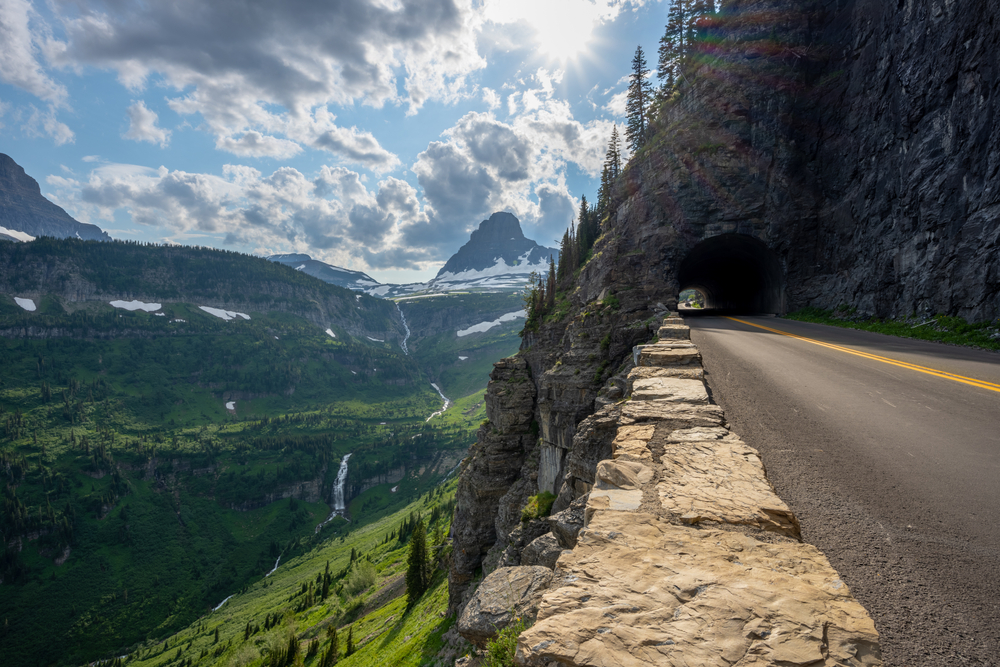
Cut directly into the mountainside, Going-to-the-Sun Road winds across Glacier National Park in a way that feels deliberate rather than accidental, revealing its most dramatic views gradually as elevation increases and the terrain begins to shift. Within less than 50 miles, the route climbs to 6,646 feet at Logan Pass, moving through dense forest, open valleys, and alpine tundra, all while maintaining a sense of continuity that makes the journey feel cohesive rather than segmented. It is this carefully constructed progression, paired with the raw scale of the surrounding landscape, that has quietly positioned the drive as one of the most recognizable scenic routes in the United States.
@whatrvdoing Share this with the person you want to drive this road with! Having only seen this online.. finally seeing it in person absolutely blew my mind🤯 📍This is Going to the Sun Road in Glacier National Park, Montana. 🚗 It’s the only road that crosses Glacier National Park east to west, taking you from lush forest to alpine tundra in under 50 miles. 🌄The road climbs up to 6,646 feet at Logan Pass, with epic views of glacier-carved valleys, alpine lakes, waterfalls, and wildflower meadows. You also have a huge opportunity to see a variety of animals. We saw 2 bears, several mountain goats, bighorn sheep and deer. 🎟 If you are arriving in season between 7:00 am – 3:00 pm you will need a timed entry pass that you can secure online. However, if you arrive before 7 or after 3 you are free to just go! I highly recommend arriving earlier for sunrise – or even doing it for sunset. ⏰If you don’t plan on stopping, the drive will take about 2 hours from the west entrance to the east entrance, but I highly recommend getting out along the way to explore. What are some other scenic drives you consider must drives in the USA? #glaciernationalpark #glaciernp #glacier #nationalparks #montana #goingtothesunroad #scenicdrive #usaroadtrip
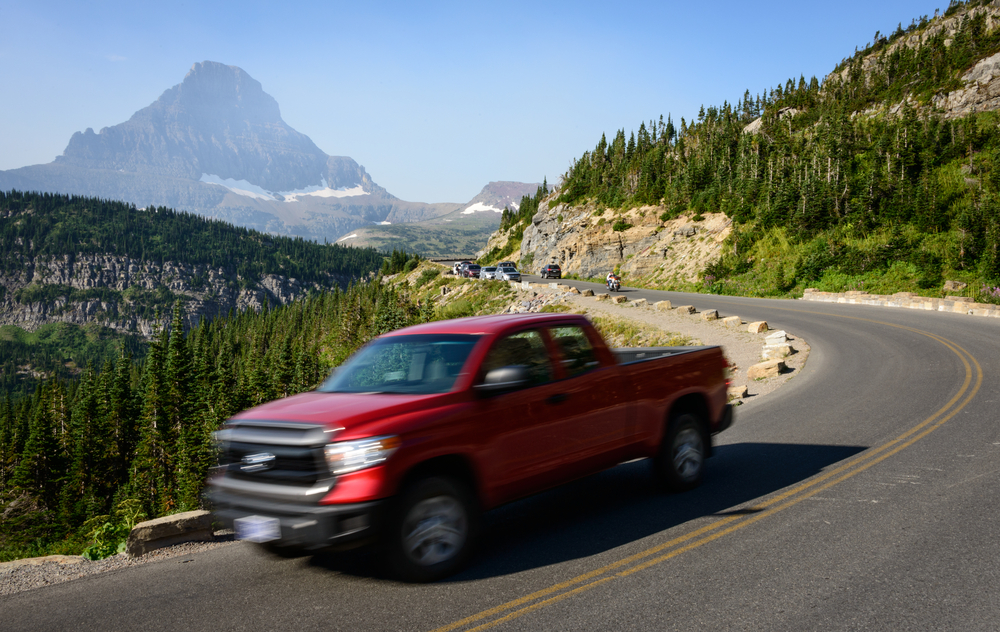
What distinguishes this road is not just the scenery, but how the experience unfolds in motion. Each curve introduces a new vantage point, each rise reveals a broader horizon, and the transition between ecosystems happens in real time, making the drive feel less like transportation and more like a structured encounter with nature.
Going-to-the-Sun Road: The Scenic Drive Redefining American Travel
The appeal of Going-to-the-Sun Road lies in how intentionally it was designed to frame the landscape. Unlike many scenic routes that simply pass through beautiful terrain, this road was engineered to showcase it, with carefully placed curves, tunnels, and elevation changes that reveal new perspectives at every turn. Drivers pass alongside glacial lakes with striking blue tones, climb narrow cliffside sections, and reach alpine zones where snow can remain well into summer.
Logan Pass serves as the highest accessible point along the route and offers a transition into a more exposed, high-altitude environment where vegetation shifts and wildlife becomes more visible. Mountain goats, bighorn sheep, and occasionally bears are part of the ecosystem here, reinforcing the sense that this is not a curated experience but a living, evolving landscape.
For those planning a visit, the National Park Service website for Glacier National Park provides up-to-date information on seasonal access, timed entry reservations, and road conditions, which are essential due to weather-related closures and high visitor demand during peak months.
Why This Route Resonates Beyond the Drive Itself
There is a reason this particular road has become something people instinctively want to share. It is not only about the views, but about the experience of moving through them together. The confined space of a car combined with expansive surroundings creates a contrast that feels both intimate and expansive at the same time.
In the broader context of travel, this reflects a shift toward experiences that feel participatory rather than passive. Scenic drives like this one allow travelers to control the pace, stop when something captures their attention, and engage with the environment on their own terms. That level of autonomy has become increasingly valuable, particularly as more travelers look for alternatives to structured itineraries.
The popularity of routes like Going-to-the-Sun Road also signals a renewed appreciation for domestic travel within the United States, where infrastructure, accessibility, and natural diversity intersect in a way that supports both spontaneity and planning.
Planning the Experience Thoughtfully
While the road itself feels effortless, the logistics behind a successful visit require careful attention. Seasonal timing plays a critical role, as snow can delay full access until late spring or early summer, and timed entry reservations are required during peak hours to manage traffic flow and preserve the environment.
Arriving early in the day not only simplifies access but also changes the tone of the experience, allowing for quieter moments before the road becomes busier. Stops along the route, including lake viewpoints and short trailheads, offer opportunities to step out of the vehicle and engage more directly with the landscape.
Understanding these details transforms the drive from a simple outing into a well-paced journey, where each section of the road builds on the last rather than feeling rushed or fragmented.
A Journey Meant to Be Shared
The instinct to send this road to someone is not accidental. Going-to-the-Sun Road represents a kind of travel that feels both personal and expansive, where the act of sharing the experience becomes part of its meaning. It is less about checking off a destination and more about choosing how and with whom to experience it.
For those considering the drive, the next step is not simply to visit, but to approach it with intention. Explore timing, map out key stops, and decide how you want to experience the route, whether that means a full day of slow exploration or a focused drive with select viewpoints.
In a travel landscape that often prioritizes speed and volume, this road offers something different. It invites you to slow down, to look more closely, and to share the experience with someone who will appreciate it just as much.
More from Cultivated Comfort:
- 7 Vintage Home Items From the ’60s That Are Collectors’ Dream Finds
- 7 Vintage Home Goods That Became Collectors’ Gold
- 7 Fast-Food Chains That Changed for the Worse
- 7 Frozen Dinners That Were Better Back in the Day

As a mom of three busy boys, I know how chaotic life can get — but I’ve learned that it’s possible to create a beautiful, cozy home even with kids running around. That’s why I started Cultivated Comfort — to share practical tips, simple systems, and a little encouragement for parents like me who want to make their home feel warm, inviting, and effortlessly stylish. Whether it’s managing toy chaos, streamlining everyday routines, or finding little moments of calm, I’m here to help you simplify your space and create a sense of comfort.
But home is just part of the story. I’m also passionate about seeing the world and creating beautiful meals to share with the people I love. Through Cultivated Comfort, I share my journey of balancing motherhood with building a home that feels rich and peaceful — and finding joy in exploring new places and flavors along the way.