You’ll notice heavier security the moment you step into the airport: more uniformed officers, extra ID checks, and teams of explosives-detection K-9s moving through terminals. TSA has temporarily added dozens of Transportation Security Officers and dozens of K-9 teams to handle the Super Bowl surge, so expect more visible screening and faster, tech-assisted lanes aimed at keeping crowds moving and secure.
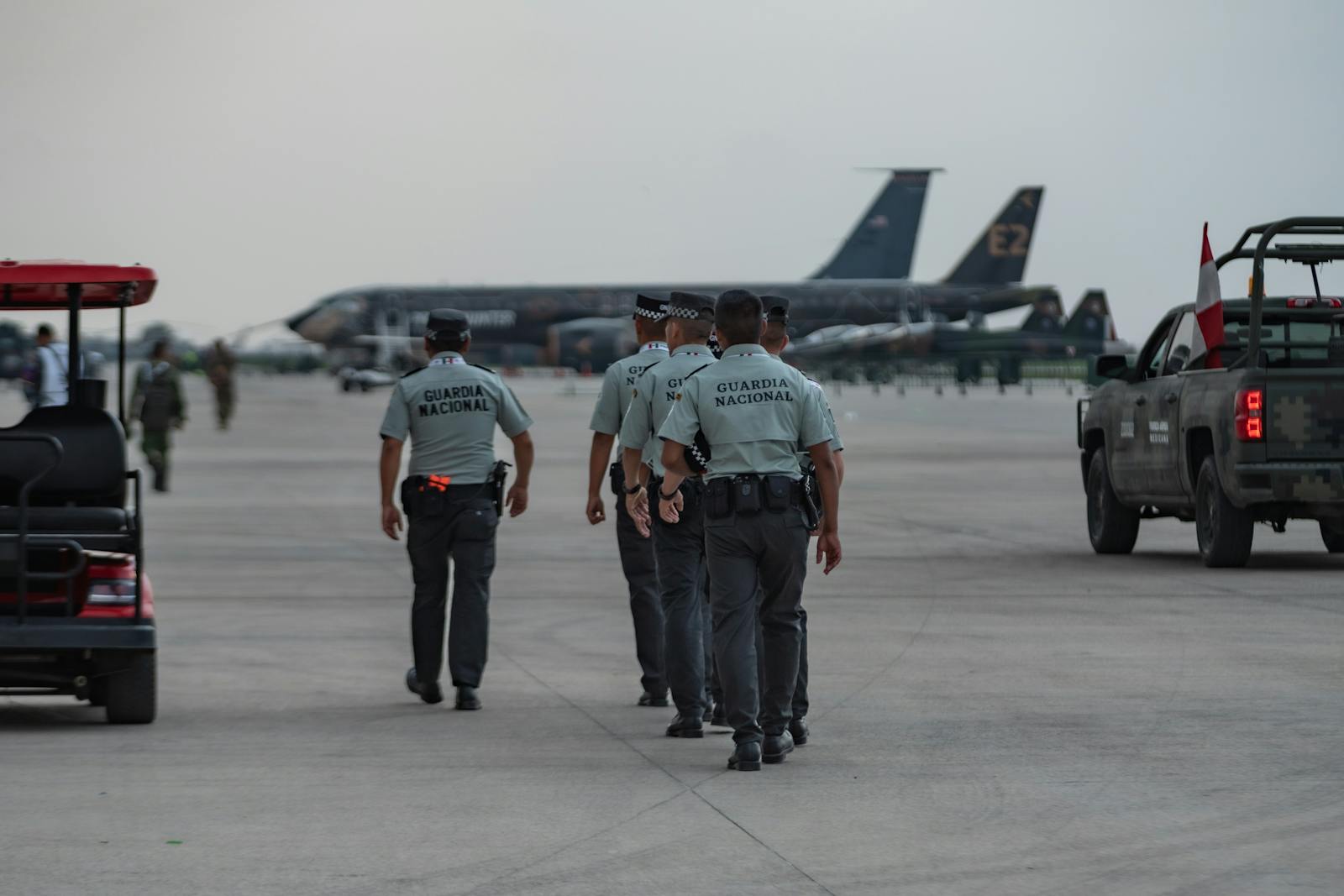
They deployed coordination centers, Federal Air Marshals, and specialized teams to bolster airport and downtown venue security, and you’ll see the effects in checkpoint procedures and canine sweeps. Follow practical tips in the article to move through checkpoints more smoothly and understand how these measures affect travel plans and crowd flow.
Massive TSA Deployment: Agents and K-9 Teams Bolster Super Bowl Security
TSA sent dozens of explosive-detection canine teams and more than 150 personnel to the Bay Area for Super Bowl LX. The deployment focuses on layered screening at airports, venue perimeters, and transit hubs to handle the surge of travelers and spectators.
How K-9 Teams Enhance Airport and Event Safety
TSA K-9 teams detect explosive odors on people, luggage, and parcels faster than many screening machines in open, crowded settings. Canines can screen crowds at checkpoints, along concourses, and near stadium entrances without slowing passenger flow.
Handlers direct dogs through aisles, bag areas, and seating zones; a positive alert triggers a targeted, non-disruptive secondary search. This reduces mass evacuations and minimizes false alarms by isolating the suspected item or area quickly.
At airports, canine teams supplement X-ray and advanced imaging by checking checked baggage, cargo, and hard-to-screen items. At Super Bowl-related events, they provide mobile coverage of parking areas, fan zones, and transit stops. Their presence also serves as a visible deterrent, reassuring travelers and event staff.
Coordination Between Federal and Local Agencies
TSA coordinated with DHS, local police, and stadium security to assign canine teams where intelligence and passenger flow demand priority. The Department of Homeland Security designated the event a SEAR Level 1, unlocking federal resources and centralized planning.
Joint command centers share real-time threat reports, allowing TSA canine teams to redeploy quickly between airports, transit hubs, and Levi’s Stadium as needed. Unified communications link handlers, local bomb squads, and VIPR units to streamline incident response.
Agreements set tasking windows, search lanes, and legal authorities for searches so teams operate within local laws and venue policies. This coordination ensures canine deployments complement visible patrols and technical sensors without duplicating effort.
Role of K-9 Handlers and TSA Canine Training
TSA handlers undergo rigorous certification to read canine behavior and manage alerts under stress. Training covers scent discrimination for explosive components, public safety tactics, and handler-canine team maintenance. Teams test regularly with surprise evaluations to maintain operational readiness.
Handlers also manage canine welfare: rotation, rest cycles, and controlled social interactions to keep detection accuracy high. They practice coordination drills with local first responders so alerts move into controlled searches and evidence collection with minimal disruption.
TSA canine training emphasizes detection in crowded environments, agility through seating and luggage, and techniques to minimize impact on passenger throughput. Handlers carry documentation and follow established procedures when a canine alerts, ensuring lawful, reproducible searches and clear handoffs to investigative units.
Behind the Scenes: Airport Operations, Special Assignments, and Public Impact
Airports balanced heightened security with steady passenger flow by deploying extra personnel, specialized teams, and visible K-9 patrols to deter threats and speed screening. Coordination focused on ensuring baggage and checkpoint throughput stayed near normal while placing resources where large crowds and VIP movements concentrated.
Burlington International Airport and National Canine Highlights
Burlington International Airport (Patrick Leahy Burlington International Airport) adjusted staffing patterns to handle surge travel linked to the Super Bowl nearby. They increased checkpoint officers during peak arrival windows and staged canine teams at both curbside and screening areas to expand random and targeted sweeps.
Local operations emphasized rapid response: a mobile canine handler team could reach any concourse within minutes, and checkpoint supervisors logged real-time queue lengths to redirect staff.
Nationally, TSA deployed certified explosive-detection dogs to major hubs and regional gateways, pairing experienced handlers with dogs trained for crowds and luggage screening. These teams focused on high-traffic zones, perimeter checks, and baggage claim areas to add layered detection without slowing passenger movement.
TSA Canine Calendar and Community Engagement
TSA highlighted its canine program through public-facing initiatives like the TSA Canine Calendar to humanize the teams and build trust. The calendar features photos of individual dogs, their handler names, and short bios that explain training credentials and mission roles.
Airports used these materials in terminals and on social media to show visible preparedness and reduce traveler anxiety. They paired calendar displays with meet-and-greet events where handlers explained screening processes and demonstrated basic obedience (not operational alerts).
Community outreach included short demonstrations for school groups and civic organizations near the Super Bowl zone, emphasizing prevention, not alarm. This outreach helped familiarize the public with the dogs’ presence and the reasons for expanded screening during large events.
Impact on Travelers and the Super Bowl Experience
Travelers encountered more uniformed officers, additional screening lanes, and periodic K-9 sweeps, which slightly changed the flow but rarely added significant delays. Many airports used signage and staff to direct passengers to open lanes, reducing confusion during peak times.
For Super Bowl attendees, the visible security measures aimed to reassure teams and fans while preserving event schedules. VIP movements—team buses and credentialed staff—received discrete, dedicated screening lanes to keep game-day logistics on time.
Customer-facing changes included clearer pre-travel messaging about allowable items and suggestions to arrive earlier. That guidance, combined with on-site staffing adjustments, kept most travelers moving with minimal disruption while maintaining a heightened security posture.
More from Cultivated Comfort:
- 7 Vintage Home Items From the ’60s That Are Collectors’ Dream Finds
- 7 Vintage Home Goods That Became Collectors’ Gold
- 7 Fast-Food Chains That Changed for the Worse
- 7 Frozen Dinners That Were Better Back in the Day

As a mom of three busy boys, I know how chaotic life can get — but I’ve learned that it’s possible to create a beautiful, cozy home even with kids running around. That’s why I started Cultivated Comfort — to share practical tips, simple systems, and a little encouragement for parents like me who want to make their home feel warm, inviting, and effortlessly stylish. Whether it’s managing toy chaos, streamlining everyday routines, or finding little moments of calm, I’m here to help you simplify your space and create a sense of comfort.
But home is just part of the story. I’m also passionate about seeing the world and creating beautiful meals to share with the people I love. Through Cultivated Comfort, I share my journey of balancing motherhood with building a home that feels rich and peaceful — and finding joy in exploring new places and flavors along the way.