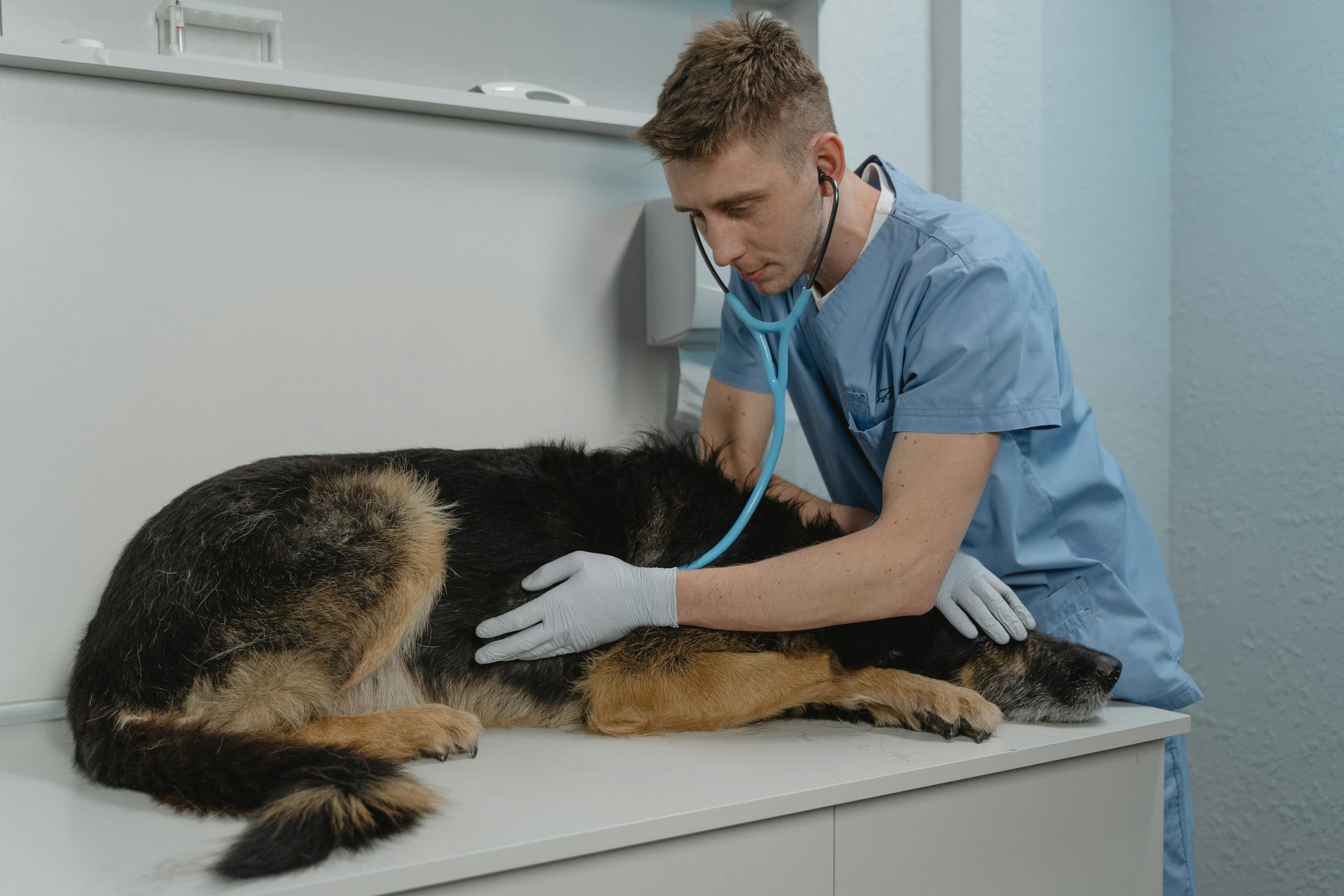
It was another busy day at the clinic when Dr. Sarah Jensen, a veterinarian with over ten years of experience, found herself scrolling through social media during her lunch break. As she munched on a granola bar, her heart sank. The same question seemed to pop up repeatedly in post after post in the local community groups: “What do I do if I find a baby bird, bunny, or squirrel?”
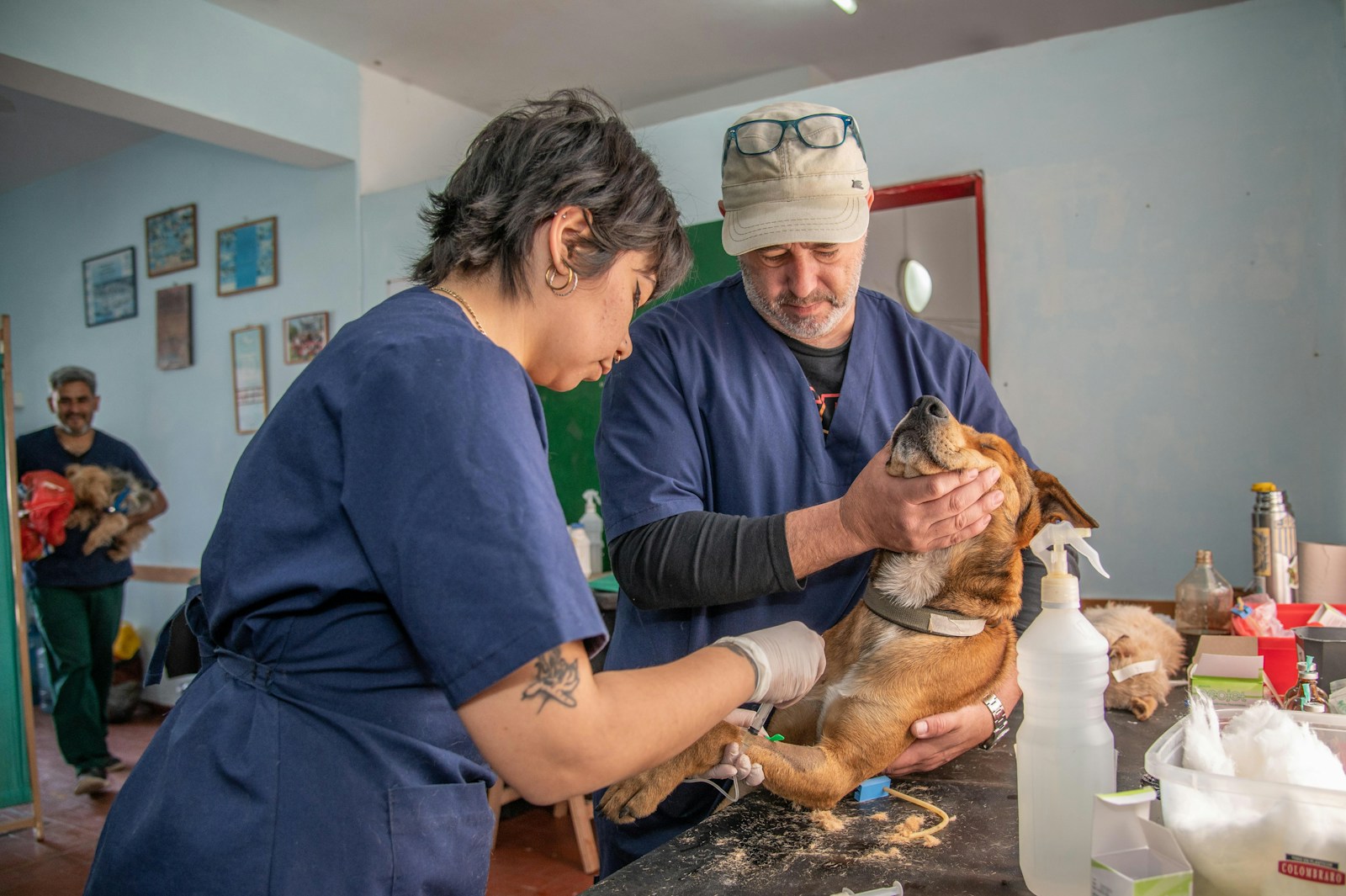
Frustration bubbled within her. Dr. Jensen had seen her fair share of wildlife rescues gone wrong, and the influx of well-meaning, yet misguided, people taking these animals in was reaching an alarming level. With a sigh, she decided it was time to address the issue directly.
She typed up a post, pouring her heart into the words. “Leave them ALONE! Period,” she wrote passionately, explaining how most of these baby animals were perfectly fine where they were. “I know before my education I thought I was saving all these animals too, but I wasn’t,” she confessed in her post.
Dr. Jensen shared her knowledge about what to do if someone encountered a baby animal. “If you find a bird, look for a nest in the area. If you find a bunny, locate the small nest nearby or leave it exactly where you found it unless it shows signs of injury. As for squirrels, just walk away. Leave them where they are.”
It was her personal belief that humans often felt the need to intervene, missing the fact that the best help was often just to let nature take its course. She had worked with many injured animals who had been brought in by caring but misguided citizens, and many did not survive due to the stress and trauma caused by their unplanned “rescue.”
Dr. Jensen remembered one particular case that exemplified the situation. Last spring, someone had brought in a baby rabbit that they found alone near their home. They thought they were doing the right thing, but the little creature was so stressed and frightened that it didn’t eat for days. Despite her best efforts, it passed away, leaving Dr. Jensen feeling defeated. That experience stuck with her and was part of the reason she felt so compelled to spread the message.
After posting her thoughts, she watched as the likes and comments began rolling in. While some people were supportive, others were defensive. “How can you just leave a poor baby animal to fend for itself?” one commenter wrote, emphasizing the emotional side of the situation. But Dr. Jensen found herself responding with facts about animal behavior and the role of parents in the animal kingdom. Baby animals are often left alone temporarily while their parents forage for food, she explained.
“Unless these babies are victims of an attack from a predator, leave them,” she reiterated in more replies. It was a simple message, yet hard for many to accept. She could almost hear the collective sighs of disapproval through their screens. But she pressed on, hoping to reach those who truly needed it.
As the thread continued, some users began sharing their own stories of wildlife encounters. One shared a story about finding a baby bird on the ground, and how they learned to observe it first before deciding to intervene. Thanks to a vet’s advice they found online, they waited a few hours, only to see the mother return and successfully guide the chick back to the nest. Another person mentioned a similar situation with a baby squirrel, emphasizing that sometimes the best action is no action at all.
Encouraged by the positive turn in some discussions, Dr. Jensen kept commenting. She offered to help anyone who might have concerns and suggested local wildlife resources for those who genuinely needed assistance. She wanted to foster a community of informed individuals who could appreciate wildlife without feeling the need to “rescue” every baby animal they encountered.
By the end of the day, her post had garnered more attention than she anticipated, reaching not just locals but also others far beyond her immediate community. She felt a small sense of victory—if even one person changed their mind and left a baby bird or bunny alone, it would be worth it.
Dr. Jensen closed her laptop that evening feeling a little lighter. It wasn’t the first time she felt torn between her love for animals and the responsibility she bore for their well-being. But she hoped that by speaking out, she might help someone understand that nature had its own plan, one that didn’t need interference.
More from Cultivated Comfort:
- 7 Vintage Home Items From the ’60s That Are Collectors’ Dream Finds
- 7 Vintage Home Goods That Became Collectors’ Gold
- 7 Fast-Food Chains That Changed for the Worse
- 7 Frozen Dinners That Were Better Back in the Day

As a mom of three busy boys, I know how chaotic life can get — but I’ve learned that it’s possible to create a beautiful, cozy home even with kids running around. That’s why I started Cultivated Comfort — to share practical tips, simple systems, and a little encouragement for parents like me who want to make their home feel warm, inviting, and effortlessly stylish. Whether it’s managing toy chaos, streamlining everyday routines, or finding little moments of calm, I’m here to help you simplify your space and create a sense of comfort.
But home is just part of the story. I’m also passionate about seeing the world and creating beautiful meals to share with the people I love. Through Cultivated Comfort, I share my journey of balancing motherhood with building a home that feels rich and peaceful — and finding joy in exploring new places and flavors along the way.