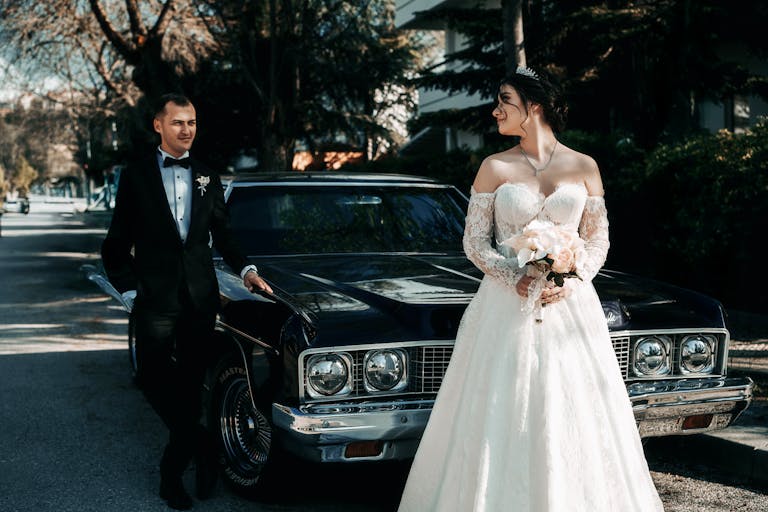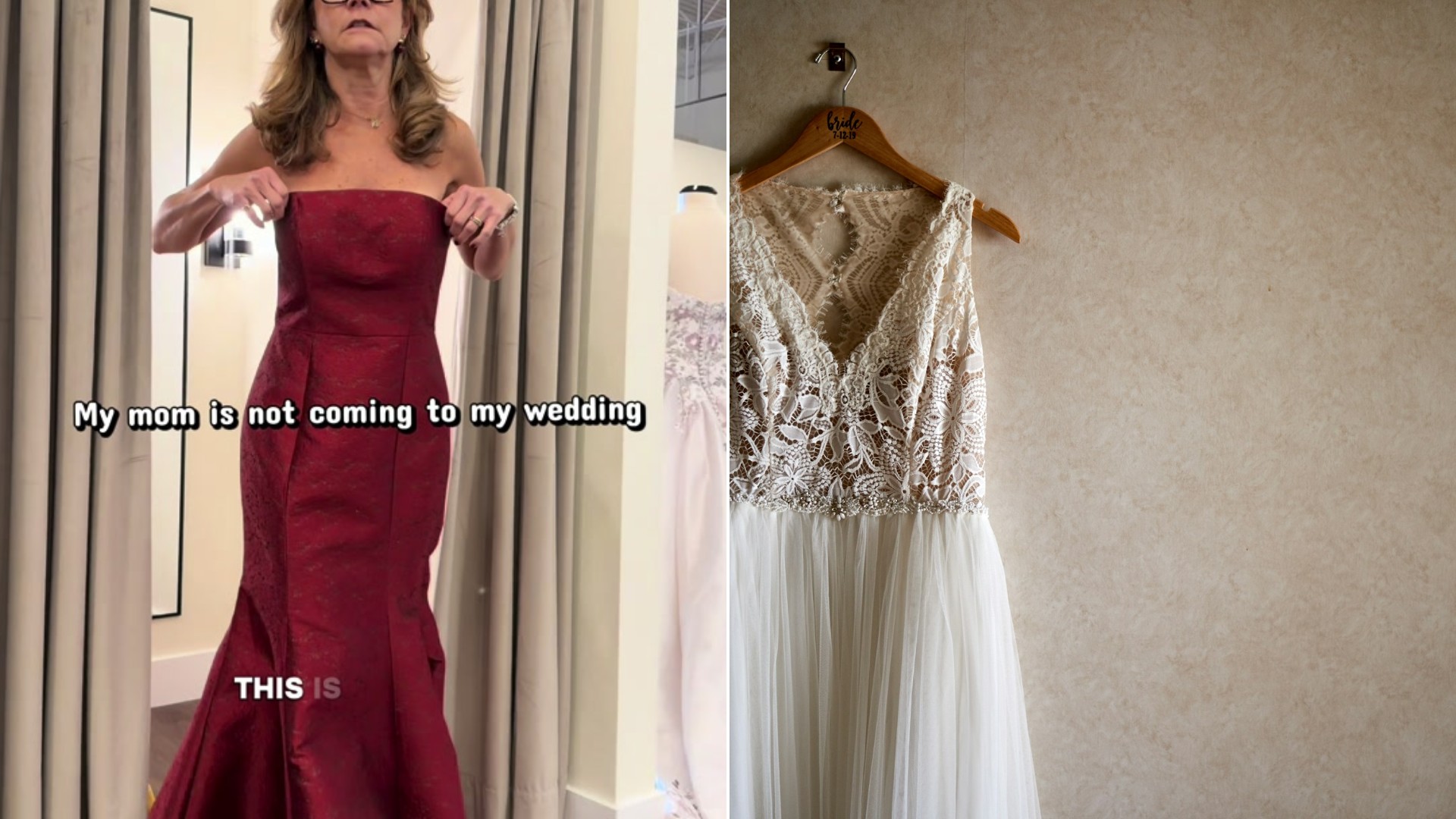
Picture the moment a bride slips into her wedding dress and expects the mirror to bring a happy tear. Now picture the tag inside that dress reading double zero, and the dress looking way too short and way too tight.
That is the scene @passingthewater shared on TikTok. Her dress was labeled a double zero, it did not fit, and she ended up exchanging it for a size six.
@passingthewater
A Double Zero Wedding Dress Shows Up Short, Tight And Nowhere Near Her Size
A double zero is the smallest number on most size charts. It is meant for someone with a very slim frame, which is why seeing it on the tag, and then seeing how the dress actually looked on her, set off alarm bells.
She says the gown looked too short and too tight. That is not the picture anyone has in mind for a day built around a long, flowing walk down the aisle.
She Swaps It For A Size Six And Asks How The Sizing Got So Wrong
The fix was an exchange. She traded the double zero for a size six, a jump of several numbers on the chart, and the gap is what has her asking how a label could miss by so much.
If you have ever been confused by a clothing tag, you will recognize the feeling. A number that should tell you something simple ends up telling you almost nothing.
Why Bridal Sizes Run So Differently From Street Sizes
Here is the part that surprises many brides and even more mothers of brides. Wedding dress sizing is not the same system as the numbers on everyday clothes.
Bridal gowns are usually cut to an older, separate sizing chart, so a bride who wears a size four in jeans may be a size eight or ten in a wedding dress. Designers also differ from one another, so a size six from one label can fit nothing like a size six from the next.
That gap is why bridal shops tell brides to ignore the number and trust the tape measure. The label is a starting point for ordering, not a verdict on anyone’s body.
How To Order A Wedding Dress Without A Sizing Surprise
A little preparation keeps a fitting-room shock from landing on you months before the wedding. These tips are standard advice from bridal consultants and seamstresses.
- Get measured by a professional, or measure yourself carefully at the bust, waist and hips, and write the numbers down.
- Compare your measurements to the maker’s own size chart, not to the size you wear in other stores.
- If your measurements fall between sizes, order the larger one. A dress can be taken in, but it is much harder to let out.
- Ask what the return and exchange policy is before you pay, and get it in writing.
- Check the length against the shoes you plan to wear, because heels change how a hem falls.
Leave Plenty Of Time Before The Big Day
Wedding gowns are often made to order, and production can take months. That is why the exchange @passingthewater made matters so much, since an exchange eats into the time you have left.
Plan to order well ahead of the date and build in a cushion for alterations, which are normal even for a dress that fits well. Hems, bustles and straps are almost always adjusted.
It also helps to bring a trusted friend or relative along. A second pair of eyes will tell you honestly whether the dress is falling the right way.
Vanity Sizing Is Not Only A Bridal Problem
Clothing sizes have drifted for decades. A size that once meant one thing on a pattern envelope or in a department store now means something quite different, which is why shoppers of every age often try three sizes in the same fitting room.
Because every brand sets its own chart, the number is little more than a nickname. A double zero at one maker can come with generous room, while a double zero at another is cut for a very small frame.
That is exactly why a bride who ends up with a mismatched tag, like the double zero in this story, has done nothing wrong. The mismatch is a labeling puzzle, and the answer is to measure, compare charts and ask questions before the order goes in.
Budget For Alterations, Even If The Fit Seems Right
Most brides spend extra on a seamstress after the dress arrives, and many shops say so up front. Hemming, adding a bustle and adjusting the straps or bodice are routine, and the cost depends on how much work the gown needs.
Setting aside that money at the start means a size swap like the one @passingthewater made does not come as a financial surprise on top of the sizing one.
Do Not Let A Number Spoil Your Day
The truth is that a size six is a perfectly lovely size, and it is the same woman who wore the dress either way. Only the tag changed.
That is the quiet lesson in this story. The number inside a wedding dress says more about the factory’s chart than it does about the bride, and no one should feel smaller or larger because of a label.
@passingthewater took the problem in stride, made the exchange and moved on toward the day itself. If you are shopping for a gown, or helping someone who is, take her example, trust the tape measure, and let the dress fit the person rather than the other way around.
More Stories You May Like
- Celebrity Cruises Cancels Dinner On The Edge, Refunds Booked Guests In Full To Their Original Payment, And Gives No Reason While Cruisers Point To Wind On The Magic Carpet
- Man Books The Cheapest Apartment Hotel He Can Find In Tenerife At £51 A Night, Climbs A Killer Hill And Finds No Wi-Fi And A Deposit For Everything
- TSA Officers Spot What Looks Like Two Ropes On An X Ray At Ontario Airport, Pause Security Screening, Then Find Two Live Snakes In A Pillowcase And The Traveler Says He Has Flown With Them Before