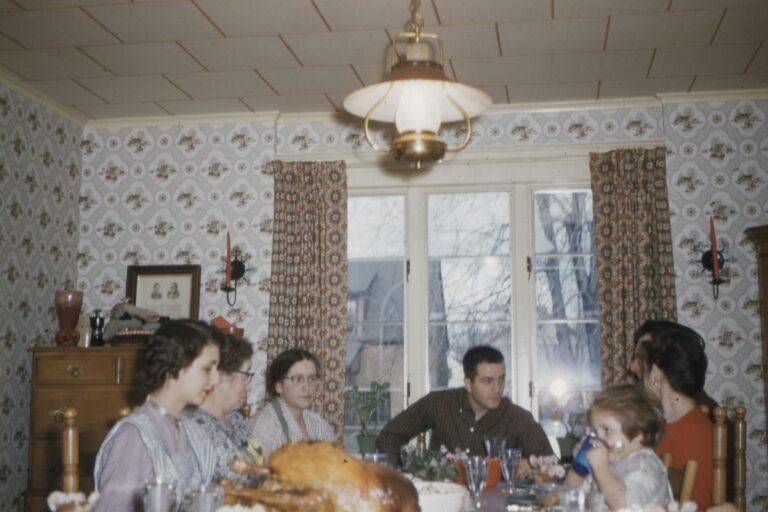

The generational shift in parenting styles highlights how fathers in the 1980s faced unique challenges and advantages compared to today’s dads. As societal expectations and family dynamics evolve, understanding the contrasting experiences of these two groups can shed light on the complexities of modern fatherhood. This matter is significant as it reflects the broader changes in work-life balance, parenting roles, and societal norms over the decades.
Work-Life Balance: A Tale of Two Eras
In the 1980s, the concept of work-life balance was still in its infancy. Many fathers were the primary breadwinners, often working long hours at traditional 9-to-5 jobs. While this provided financial stability, it also meant that many fathers were absent from daily family life, missing out on crucial bonding moments with their children. Today’s fathers, however, navigate a landscape where work-life balance is increasingly prioritized, allowing for more involvement in their children’s lives.
Modern technology has made remote work more feasible, enabling fathers to attend school events and participate in family activities without the constraints of a strict office schedule. However, the constant connectivity can also blur the lines between work and home life, creating new pressures on today’s dads to be available around the clock.
Parenting Roles: The Shift in Expectations
In the 1980s, parenting roles were more rigidly defined, with fathers typically taking on the role of disciplinarian and providers, while mothers were often seen as the primary caregivers. This division of labor provided a clear framework, but it also limited fathers’ opportunities to engage with their children on a deeper emotional level. Today, the rise of co-parenting and shared responsibilities has transformed fatherhood into a more inclusive and nurturing role.
Today’s fathers are more actively involved in caregiving, from changing diapers to helping with homework. This shift has led to a more emotionally connected relationship between fathers and their children. However, the pressure to fulfill both the traditional provider role and the nurturing caregiver role can create a sense of inadequacy for some fathers, complicating their parenting experience.
Cultural Norms and Support Systems
Cultural attitudes towards fatherhood have also evolved significantly since the 1980s. In that era, societal support for fathers engaged in stay-at-home parenting was limited. Many fathers felt pressure to conform to traditional roles, often leading to feelings of isolation if they chose to be more hands-on. In contrast, today’s fathers benefit from a broader societal acceptance of diverse parenting styles, including stay-at-home dads and shared parental leave.
However, while societal support has increased, today’s fathers often face scrutiny regarding their parenting choices. The pervasive presence of social media can amplify feelings of judgment, with many dads feeling the need to prove their worth as parents in a public forum. This duality of increased acceptance and heightened scrutiny can lead to stress and self-doubt.
Financial Pressures: Then and Now
Financial pressures have always been a significant aspect of fatherhood, but the nature of these pressures has changed. In the 1980s, many families relied on a single income, which could provide a comfortable lifestyle for a family of four or more. Today, the rising cost of living and increased expenses associated with raising children have made dual-income households more common. This necessitates that both parents contribute financially, often leaving fathers juggling work commitments and family responsibilities.
Moreover, the economic landscape has shifted dramatically since the ’80s, with job stability becoming less secure. Many fathers today face the challenges of gig economy jobs, which can lead to financial instability and stress. This constant financial pressure can detract from the quality time fathers can spend with their children, creating a paradoxical situation where increased involvement often comes at the cost of economic security.
The Emotional Burden of Fatherhood
Emotional well-being is another area where the differences between ’80s dads and today’s fathers are pronounced. In the past, many fathers were taught to suppress their emotions, leading to a culture of stoicism that often left emotional issues unaddressed. Today, there is a greater emphasis on mental health, and many fathers are encouraged to express their feelings and seek help when needed.
This shift has been beneficial, allowing fathers to foster deeper emotional connections with their children. However, it also places additional expectations on fathers to be emotionally available and vulnerable, which can be challenging for those who grew up in an era that valued emotional restraint. Balancing these expectations can create a complex emotional landscape for today’s dads.

As a mom of three busy boys, I know how chaotic life can get — but I’ve learned that it’s possible to create a beautiful, cozy home even with kids running around. That’s why I started Cultivated Comfort — to share practical tips, simple systems, and a little encouragement for parents like me who want to make their home feel warm, inviting, and effortlessly stylish. Whether it’s managing toy chaos, streamlining everyday routines, or finding little moments of calm, I’m here to help you simplify your space and create a sense of comfort.
But home is just part of the story. I’m also passionate about seeing the world and creating beautiful meals to share with the people I love. Through Cultivated Comfort, I share my journey of balancing motherhood with building a home that feels rich and peaceful — and finding joy in exploring new places and flavors along the way.