Recent studies reveal that homes owned by Baby Boomers tend to feel significantly warmer than those of younger generations, highlighting disparities in heating practices, home design, and lifestyle choices. This phenomenon affects not only comfort levels but also energy consumption and household economics, prompting a closer look at the generational differences in home heating and design preferences.
The Heating Habits of Boomers
Baby Boomers, those born between 1946 and 1964, grew up during a time when home heating was revolutionized. Many of these individuals have homes equipped with traditional heating systems that maintain a consistent and comfortable temperature. Boomers often set their thermostats higher than younger homeowners, who may be more energy-conscious and inclined to turn down the heat to save on utility bills.
Statistics show that the average thermostat setting for Boomers hovers around 72°F. In contrast, millennials and Gen Z typically prefer settings closer to 68°F, driven by both economic considerations and a growing emphasis on sustainability. This difference in heating preferences can lead to a noticeable disparity in comfort levels within homes, contributing to the perception that older homes are warmer and more inviting.
Home Design and Insulation
Another factor contributing to the warmth of Baby Boomers’ homes is the design and construction of these residences. Many homes built during the Boomer era feature solid construction materials and effective insulation, which help retain heat more efficiently. This is particularly true for houses built in the late 20th century, when building codes began to emphasize energy efficiency, although they may not meet the stringent standards seen in newer constructions.
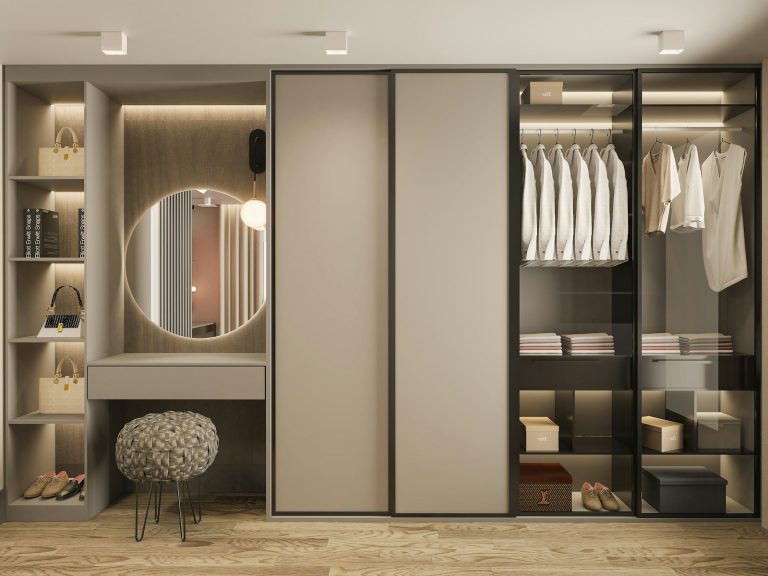
In contrast, younger homeowners often occupy apartments or homes built with more modern materials that may not be as effective in retaining heat. Additionally, many newer homes emphasize open floor plans and large windows for aesthetics, which can lead to drafts and heat loss if not properly insulated. As a result, the architecture and materials used in older homes provide a cozy atmosphere that is harder to replicate in contemporary designs.
Generational Attitudes Toward Energy Use
Baby Boomers generally exhibit different attitudes toward energy consumption compared to younger generations. Many Boomers grew up during a time when energy was more affordable and abundant, leading to a less cautious approach regarding heating and energy use. In contrast, millennials and Gen Z are more environmentally conscious, prioritizing energy efficiency and sustainability in their lifestyle choices.
This generational divide has led to differing heating practices. While Boomers may see turning up the heat as a standard comfort measure, younger homeowners often consider the environmental impact and financial cost associated with higher energy consumption. This shift in mindset leads to a cooler atmosphere in many younger households, further enhancing the perception that Boomers’ homes feel warmer.
Comfort and Family Dynamics
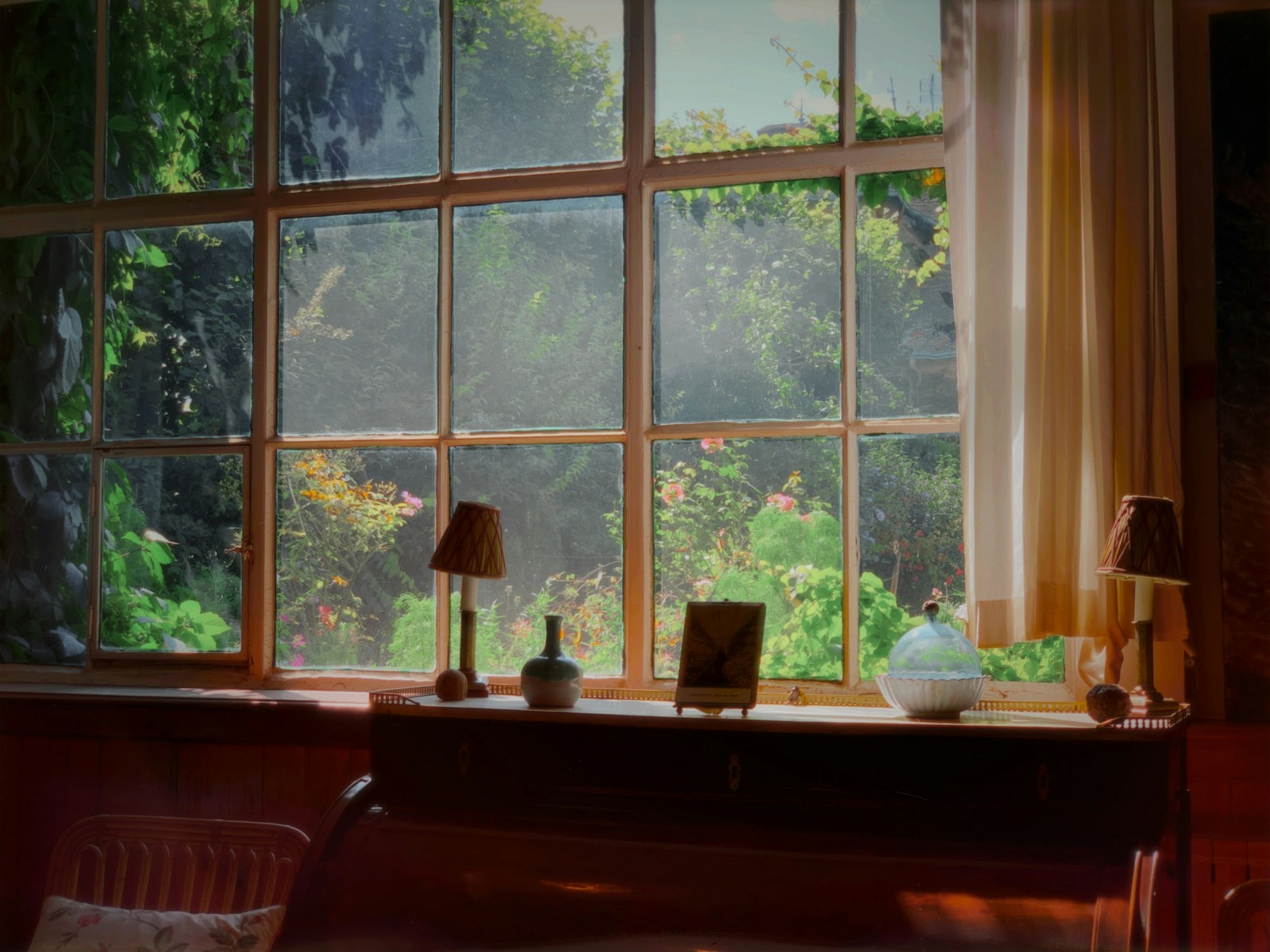
Comfort in the home also correlates with family dynamics and lifestyle. Baby Boomers often prioritize creating warm, inviting spaces for family gatherings and entertaining. Their homes may feature cozy living areas, ample seating, and a focus on communal spaces that invite warmth and connection.
Younger generations, on the other hand, may prioritize multifunctional spaces that cater to work, leisure, and socializing, sometimes at the expense of traditional warmth and comfort. The emphasis on minimalism and modern aesthetics can result in colder environments that lack the inviting feel characteristic of many Boomers’ homes.
The Economics of Heating
The economic realities of home heating also play a role in the differences experienced between generations. Rising energy costs have prompted younger homeowners to adopt more frugal heating methods, such as using space heaters or relying on electric blankets. In contrast, Boomers, who may have more disposable income or fixed-rate mortgages, often feel more comfortable maintaining a consistently warm home environment.
Additionally, many Boomers are less likely to move frequently, allowing them to invest in their homes over time, ensuring they have adequate heating systems and insulation. Younger homeowners, who often face student debt and housing affordability issues, may struggle to make similar investments, leading to a trade-off in comfort for practicality.
Conclusion: Bridging the Generational Comfort Gap
The difference in warmth between Baby Boomers’ homes and those of younger generations can be attributed to a combination of heating habits, home design, energy attitudes, and economic factors. As younger homeowners strive for comfort while navigating financial constraints and sustainability concerns, the challenge lies in finding a balance between modern living and the cozy environments that many associate with their parents and grandparents.
Understanding these differences can foster appreciation across generations, promoting dialogue about home comfort and the choices that shape our living spaces.

As a mom of three busy boys, I know how chaotic life can get — but I’ve learned that it’s possible to create a beautiful, cozy home even with kids running around. That’s why I started Cultivated Comfort — to share practical tips, simple systems, and a little encouragement for parents like me who want to make their home feel warm, inviting, and effortlessly stylish. Whether it’s managing toy chaos, streamlining everyday routines, or finding little moments of calm, I’m here to help you simplify your space and create a sense of comfort.
But home is just part of the story. I’m also passionate about seeing the world and creating beautiful meals to share with the people I love. Through Cultivated Comfort, I share my journey of balancing motherhood with building a home that feels rich and peaceful — and finding joy in exploring new places and flavors along the way.