Recently, a growing trend among Generation Z has emerged, characterized by an inclination towards minimalism that some critics argue borders on neglect. This phenomenon affects young adults as they navigate their personal spaces, relationships, and mental health, raising important questions about the broader implications of their lifestyle choices. As minimalism gains traction, it is essential to explore whether this aesthetic is a genuine lifestyle philosophy or a coping mechanism for economic and social pressures.
The Rise of Minimalism Among Gen Z
Minimalism has been popularized by social media platforms, where influencers showcase their decluttered homes and simple lifestyles. For many in Gen Z, this trend appears appealing as it promotes a sense of clarity and peace amidst the chaos of modern life. However, this movement goes beyond decluttering; it often reflects a deeper societal struggle with consumerism, mental health, and financial instability.
As young adults face mounting student debt, rising housing costs, and a volatile job market, many turn to minimalism as a way to cope. By prioritizing experiences over possessions, they seek to alleviate their financial burdens and cultivate a more fulfilling life. However, this shift raises concerns about the potential downsides of extreme minimalism, which can sometimes manifest as a neglect of personal and communal responsibilities.
The Impact on Living Spaces
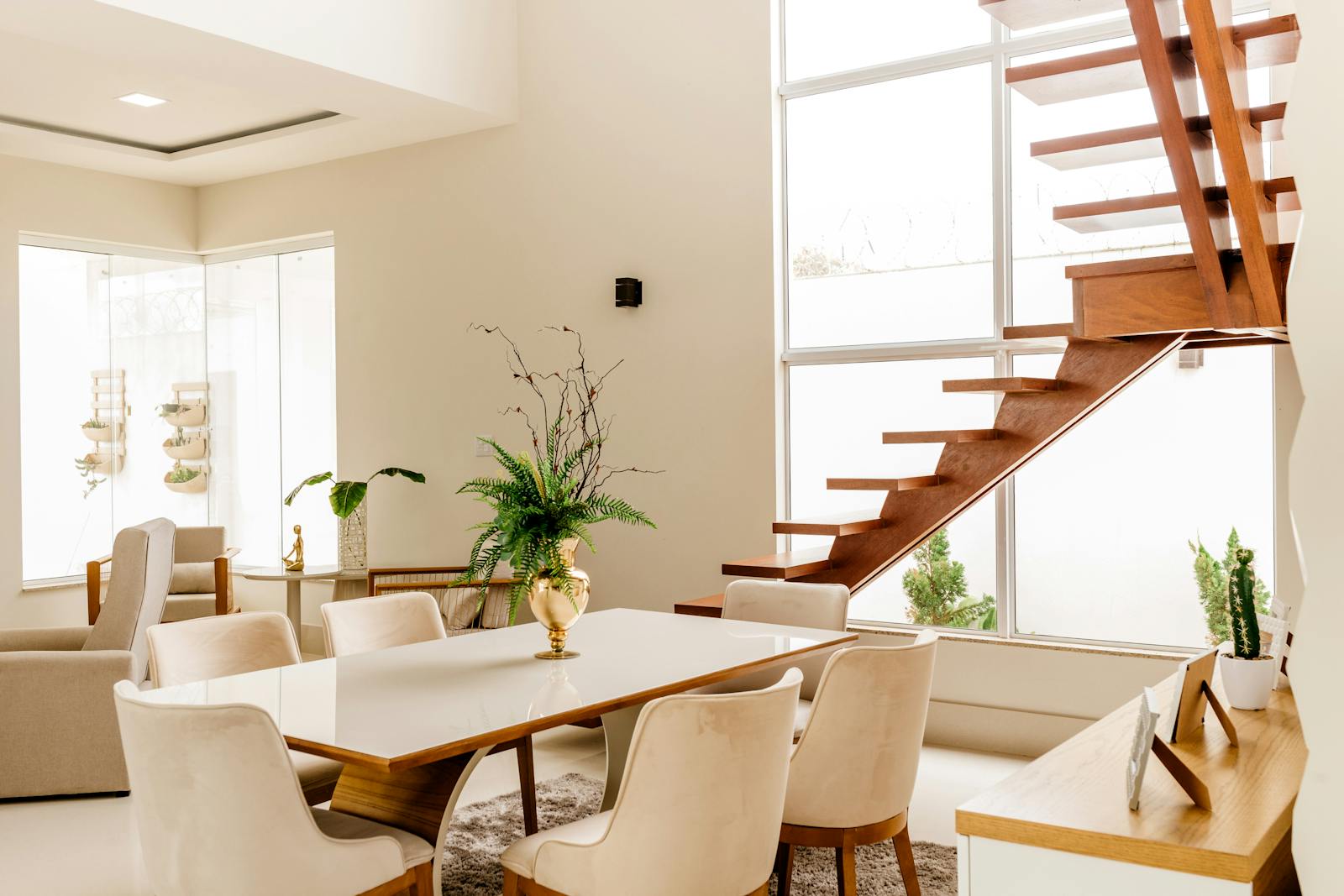
In many cases, Gen Z’s interpretation of minimalism has resulted in stark living conditions that some describe as neglectful. Reports indicate that young adults are opting for bare-bones living arrangements, often sacrificing comfort and functionality for the sake of aesthetic simplicity. This can mean living in sparsely furnished apartments with limited personal touches, which, while visually appealing to some, may lead to feelings of isolation and disconnection.
Moreover, this trend is not just about aesthetics; it often reflects a lack of resources. Many young people are unable to afford furniture or decor that would make their living spaces feel warm and inviting. Consequently, their homes can resemble empty shells rather than comforting retreats, ultimately affecting their mental well-being.
Social Relationships and Minimalism
The minimalism trend extends beyond physical spaces and into social relationships. Gen Z is known for cultivating a more fluid approach to friendships, often favoring quality over quantity. While this can be a positive aspect of modern connectivity, it can also lead to feelings of neglect in interpersonal relationships.
With the prevalence of digital communication, many young adults report feeling lonelier than ever, despite being constantly connected online. The minimalist ethos can inadvertently encourage individuals to simplify their social lives to the point where they may neglect nurturing important relationships. This can result in a lack of emotional support, which is crucial for mental health, especially during challenging times.
The Mental Health Connection
Research indicates that a minimalist lifestyle can have both positive and negative effects on mental health. On one hand, decluttering and simplifying one’s life can reduce anxiety and promote focus. On the other hand, the pressure to conform to minimalism can exacerbate feelings of inadequacy and isolation, particularly when individuals feel they are not living up to the idealized standards set by social media influencers.
Many Gen Z individuals report experiencing anxiety and depression, partly due to the societal pressures to maintain a minimalist lifestyle while juggling financial instability and personal challenges. The paradox of seeking simplicity amidst complexity can lead to a cycle of neglect, where individuals struggle to find balance in their lives.
Finding a Healthy Balance
Experts suggest that instead of adhering strictly to minimalism, Gen Z should consider finding a healthy balance between simplicity and comfort. Embracing a lifestyle that values meaningful possessions and relationships can lead to a more fulfilling existence. This approach encourages individuals to appreciate what they have while also recognizing the importance of emotional connections and personal well-being.
Additionally, fostering community engagement and support networks can help counteract the feelings of neglect that often accompany extreme minimalism. By prioritizing relationships and creating nurturing environments, young adults can cultivate spaces that reflect both their values and their emotional needs.
Conclusion: A Shift in Perspective
As Generation Z continues to navigate the complexities of modern life, their unique interpretation of minimalism raises critical questions about personal responsibility, mental health, and social connection. While the desire for simplicity is understandable, it is essential to recognize when the pursuit of minimalism crosses the line into neglect. A balanced approach that embraces both minimalism and the importance of personal and communal connections may ultimately lead to a more fulfilling and healthy lifestyle for this generation.

As a mom of three busy boys, I know how chaotic life can get — but I’ve learned that it’s possible to create a beautiful, cozy home even with kids running around. That’s why I started Cultivated Comfort — to share practical tips, simple systems, and a little encouragement for parents like me who want to make their home feel warm, inviting, and effortlessly stylish. Whether it’s managing toy chaos, streamlining everyday routines, or finding little moments of calm, I’m here to help you simplify your space and create a sense of comfort.
But home is just part of the story. I’m also passionate about seeing the world and creating beautiful meals to share with the people I love. Through Cultivated Comfort, I share my journey of balancing motherhood with building a home that feels rich and peaceful — and finding joy in exploring new places and flavors along the way.