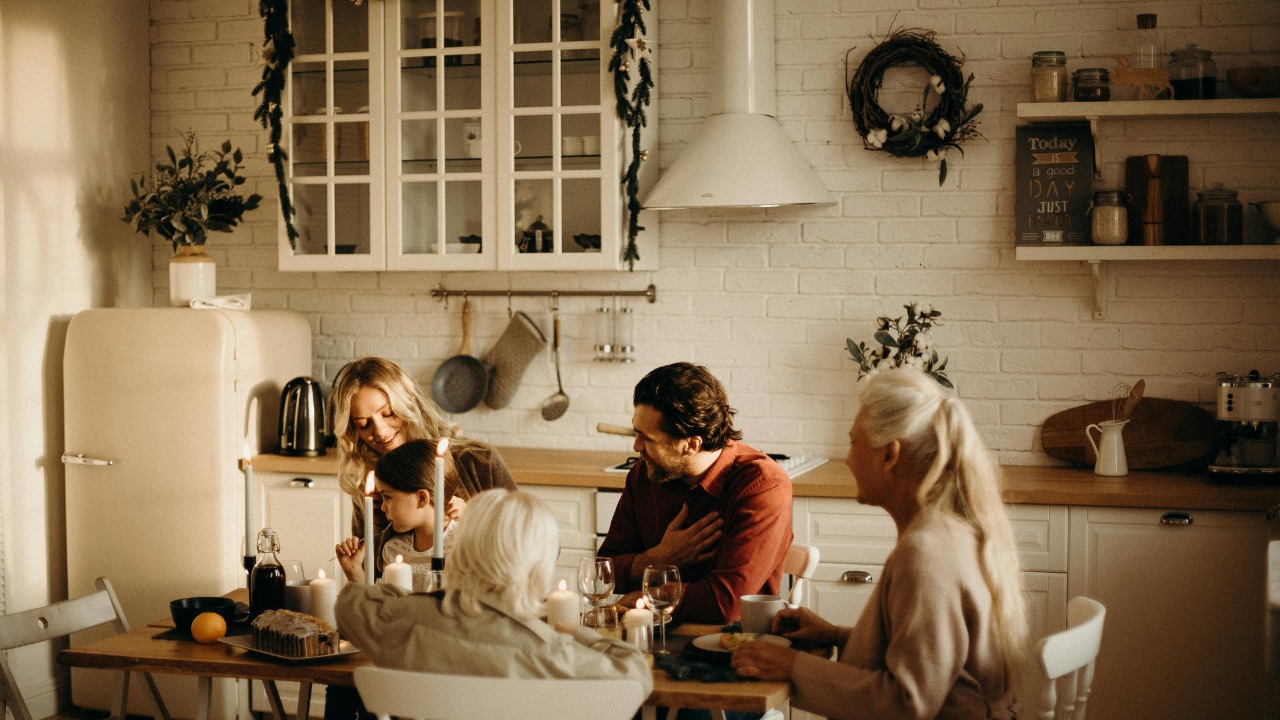
In an era where minimalism dominates home design, many homeowners are expressing discontent with the lack of warmth and comfort in their living spaces. This trend affects a wide range of individuals and families seeking to create inviting atmospheres, emphasizing the importance of balance between aesthetic appeal and emotional comfort in modern architecture.
The Rise of Minimalism
Minimalism has surged in popularity over the past decade, influenced by design movements that prioritize clean lines, open spaces, and functional furniture. While these elements can promote a sense of order, many have found that they often come at the expense of coziness. Open-concept layouts, stark color palettes, and an emphasis on simplicity can leave homes feeling cold and impersonal.
According to a recent survey conducted by the American Institute of Architects, nearly 60% of homeowners expressed a desire for more intimate spaces that foster connection and warmth. This indicates a growing sentiment that while modern design may appeal to aesthetics, it often neglects the emotional needs of residents.
Psychological Implications
The discomfort many feel in modern homes can be attributed to the psychological impact of their design. The absence of traditional elements like textured fabrics, warm lighting, and layered decorations can create an environment devoid of emotional resonance. Interior design experts emphasize that our surroundings significantly influence our mood and overall well-being.
Psychologist Dr. Amanda H. Miller explains, “A home should evoke feelings of safety and comfort. When spaces are too minimalist, they can trigger feelings of emptiness and disconnect.” This is particularly concerning as many individuals spend significant time in their homes, especially with the rise of remote work. Therefore, creating a space that nurtures emotional well-being is more crucial than ever.
Functionality vs. Comfort
Modern homes often prioritize functionality over comfort, leading to a disconnection between how a space looks and how it feels. For instance, while sleek, hard surfaces like concrete or metal are popular for their minimalist appeal, they can feel unwelcoming and stark. Homeowners may find themselves surrounded by furniture that serves practical purposes but lacks the inviting touch that makes a house a home.
Additionally, many modern homes lack designated cozy areas, such as reading nooks or intimate dining spaces, which are often essential for fostering connection and relaxation. Instead, the focus on large, open spaces can result in an environment that feels more like a gallery than a sanctuary.
Incorporating Warmth into Design
To combat the impersonal feel of modern homes, many homeowners are seeking ways to infuse warmth and character into their spaces. This can be achieved through the thoughtful integration of textures, colors, and personal belongings. Warm wood finishes, soft textiles, and family heirlooms can add layers of comfort that counterbalance the starkness of minimalism.
Designers recommend incorporating elements that resonate personally, such as artwork, photographs, and decor that tell a story. These items can create a sense of belonging and nostalgia, transforming a house into a home. Additionally, the use of warm lighting, such as table lamps and sconces, can soften the ambiance and make spaces feel more inviting.
The Role of Nature
Another trend gaining traction is the incorporation of natural elements into modern homes. Biophilic design, which seeks to connect occupants with nature, has been shown to enhance well-being and comfort. Indoor plants, natural light, and the use of organic materials can all contribute to a warmer, more inviting atmosphere.
According to a study from the University of Massachusetts, incorporating nature into home design can significantly reduce stress and improve overall happiness. Homeowners are increasingly recognizing the benefits of greenery, with many opting for indoor gardens or large windows that invite natural light and views of the outdoors.
Conclusion: Finding Balance
The quest for a cozy home in the age of minimalism is not merely an aesthetic preference but a fundamental human need for comfort and connection. As homeowners grapple with the dichotomy of modern design and emotional warmth, the challenge lies in finding a balance that honors both functionality and coziness. By integrating personal touches, natural elements, and thoughtful design choices, individuals can create spaces that are not only visually appealing but also nurturing and inviting.
The conversation surrounding modern homes and their comfort level is essential, as it highlights the need for a shift in how we approach home design. As the industry continues to evolve, the focus must remain on creating environments that foster warmth and connection, ensuring that homes truly feel like sanctuaries for their inhabitants.

As a mom of three busy boys, I know how chaotic life can get — but I’ve learned that it’s possible to create a beautiful, cozy home even with kids running around. That’s why I started Cultivated Comfort — to share practical tips, simple systems, and a little encouragement for parents like me who want to make their home feel warm, inviting, and effortlessly stylish. Whether it’s managing toy chaos, streamlining everyday routines, or finding little moments of calm, I’m here to help you simplify your space and create a sense of comfort.
But home is just part of the story. I’m also passionate about seeing the world and creating beautiful meals to share with the people I love. Through Cultivated Comfort, I share my journey of balancing motherhood with building a home that feels rich and peaceful — and finding joy in exploring new places and flavors along the way.