Open floor plans might seem like the perfect way to create a bright, airy home, but they aren’t the best fit for everyone. If you value privacy, quiet spaces, or simple design maintenance, an open layout can actually make things more challenging. The lack of walls often means more noise, less privacy, and tougher design decisions.

You may find that having fewer separate rooms means your conversations and activities become more exposed, which isn’t ideal if you need space to focus or unwind. Plus, keeping an open floor plan looking tidy can require extra effort since everything is on display.
If you’ve ever wondered why some people avoid open-concept homes despite their popularity, this article will help you understand the downsides you might not have considered before.
Common Challenges With Open Floor Plans

Living with an open floor plan means dealing with some practical issues. These often relate to sound, temperature control, and the visibility of clutter. Being aware of these can help you decide if this layout fits your lifestyle.
Noise and Lack of Privacy
Open floor plans offer little separation between spaces, so noise travels easily. If someone is watching TV, cooking, or on a call, you’ll likely hear everything. This can make concentrating or relaxing difficult.
Privacy also takes a hit. Without walls or doors, your activities and conversations feel more exposed. If you work from home or need quiet zones, an open space might be frustrating.
You may need to set up zones using rugs, furniture, or screens to reduce noise and create some personal space.
Heating and Cooling Difficulties
Because air flows freely between rooms, controlling temperature becomes a challenge. Heating one section could warm the entire space unevenly, and your energy bills might rise.
If your living area and kitchen share one thermostat, the heat from cooking can confuse temperature sensors. This may cause your AC to run longer than needed or the heater to kick in unexpectedly.
You might need fans or portable heaters to balance comfort or consider multiple thermostats to manage different zones.
Clutter Visibility
With no walls or doors, everything is on display all the time. Dishes left out, toys scattered around, or mail piling up become much more obvious.
You’ll need to commit to tidying regularly to maintain a clean look. Storage options can be limited because fewer walls mean fewer closets and cabinets.
Investing in attractive storage furniture and developing daily cleanup habits can help keep your open space looking neat and welcoming.
Alternative Layouts and Who Benefits Most
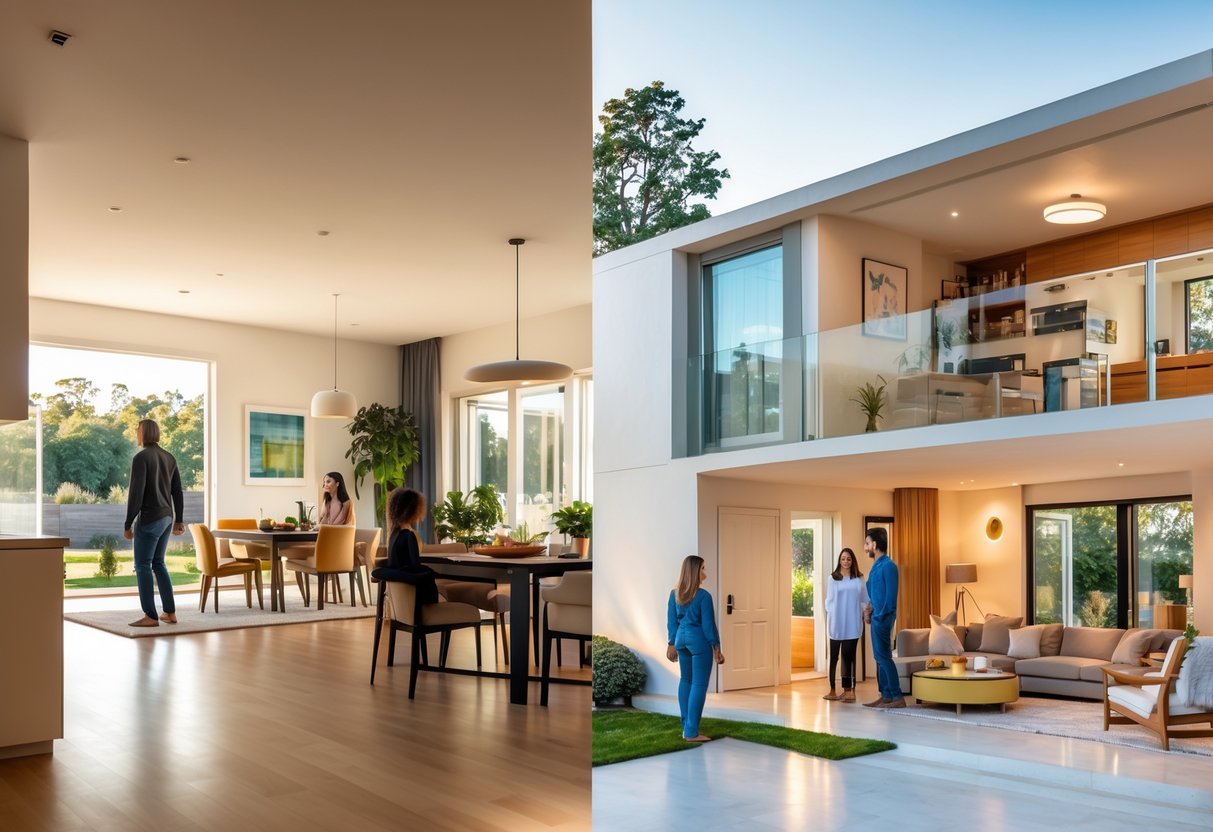
Different home layouts suit different lifestyles. You might prefer clearly defined rooms for privacy or spaces arranged to optimize comfort and daily tasks.
Traditional Room Separation
If you value privacy and focused activities, traditional room separation can work well for you. Walls clearly mark boundaries between living room, kitchen, bedrooms, and bathrooms.
Separate rooms reduce noise transfer, which is helpful if you work from home or have different schedules in your household. It also provides designated spaces for specific uses, like a quiet office or a cozy reading nook.
You may find it easier to control lighting, temperature, and decor style in each room. This setup suits families with children who need play or study areas, or those who entertain less frequently and prefer intimate settings.
Zoning for Comfort and Functionality
Zoning means organizing spaces within your home so each serves a clear purpose while maintaining a sense of openness or flow. This approach offers flexibility.
You might use partial walls, furniture placement, or different flooring to define zones for cooking, dining, and relaxing without full separation.
Zoning can improve movement and functionality, especially in medium-sized homes. It helps create quiet corners while keeping you connected with other household members.
If you entertain guests often or want a home that adapts as your needs change, zoning offers balance between openness and structure. It supports both group time and personal space.

As a mom of three busy boys, I know how chaotic life can get — but I’ve learned that it’s possible to create a beautiful, cozy home even with kids running around. That’s why I started Cultivated Comfort — to share practical tips, simple systems, and a little encouragement for parents like me who want to make their home feel warm, inviting, and effortlessly stylish. Whether it’s managing toy chaos, streamlining everyday routines, or finding little moments of calm, I’m here to help you simplify your space and create a sense of comfort.
But home is just part of the story. I’m also passionate about seeing the world and creating beautiful meals to share with the people I love. Through Cultivated Comfort, I share my journey of balancing motherhood with building a home that feels rich and peaceful — and finding joy in exploring new places and flavors along the way.