Open shelving, a popular design trend in modern kitchens, is often hailed as a boon for the space-conscious homeowner. It’s aesthetically pleasing, and it saves space – but is it as practical as it’s made out to be? The trend of open shelving may be visually appealing, but it’s worth taking a closer look at the potential issues before you decide to incorporate it into your kitchen design.
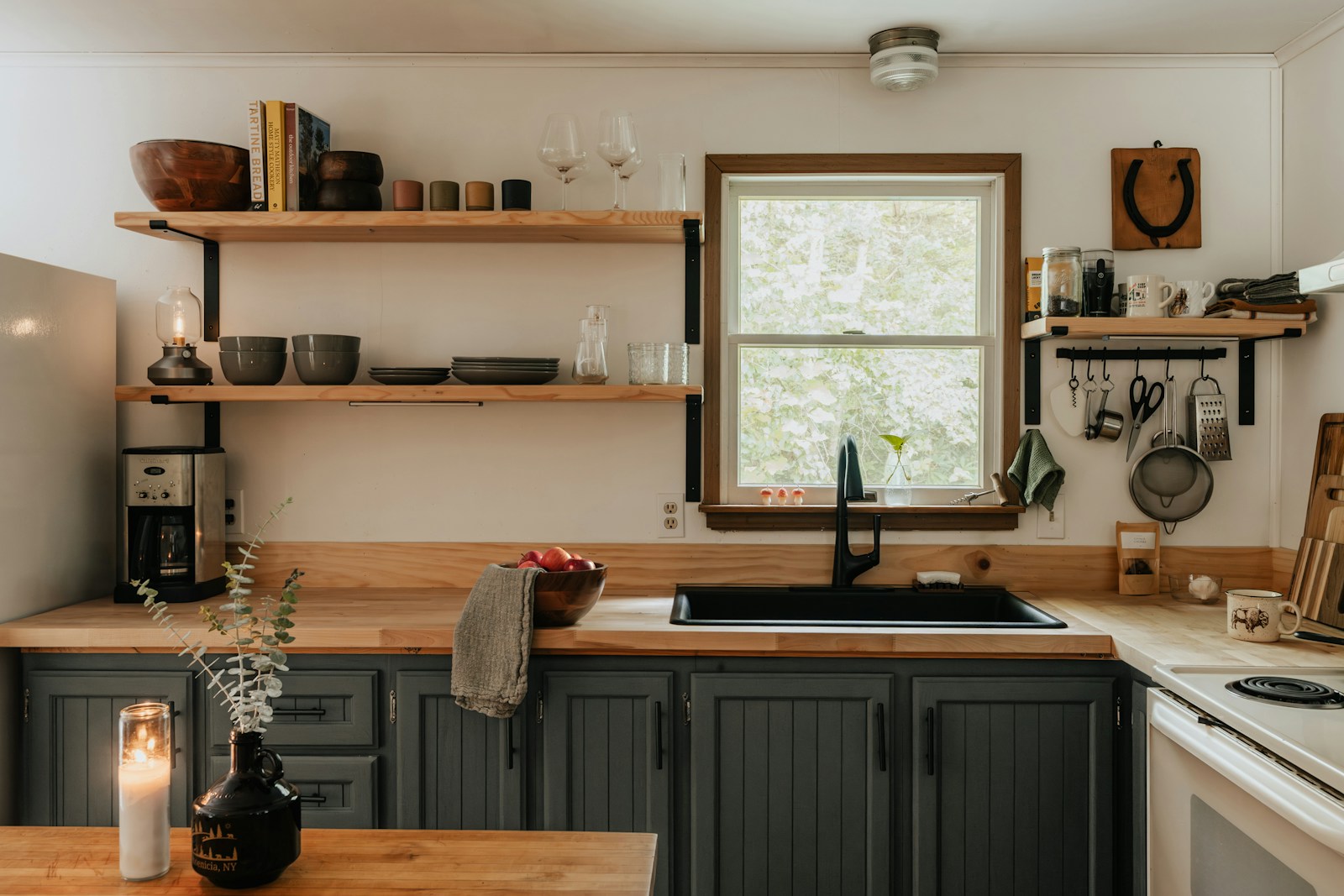
While open shelving certainly has its charm, it often falls short in real-world kitchens. It can lead to clutter, dust accumulation, and even safety hazards. Understanding the drawbacks of open shelving can help you make an informed decision about your kitchen design. Here are ten reasons why open shelving rarely works in real kitchens.
Dust Accumulation
One of the main issues with open shelving is the accumulation of dust. In a closed cabinet, your dishes and utensils are protected from dust and dirt. However, with open shelves, your kitchenware is exposed to the elements, which can lead to a buildup of dust over time. This not only creates extra cleaning work but also can contribute to health issues, especially for those with allergies or respiratory conditions.
Nowadays, when cleanliness and hygiene are of the utmost importance, dust accumulation on open shelves can be a major concern. It requires frequent cleaning and can increase the risk of spreading germs. Therefore, it’s essential to consider this aspect when planning your kitchen design.
Cluttered Appearance
Open shelving can quickly lead to a cluttered appearance if not properly maintained. Unlike closed cabinets where you can hide your mismatched dishes and random kitchen gadgets, everything is on display with open shelving. This means that unless you’re extremely organized and meticulous, your kitchen can end up looking messy and chaotic.
In today’s fast-paced world, maintaining a perfectly organized kitchen can be a challenge. If your kitchen is a hub of activity with kids, pets, and busy schedules, the cluttered appearance that comes with open shelving might not be the best fit for you.
Lack of Privacy
With open shelving, all your kitchenware is on display for everyone to see. This can be a disadvantage if you prefer to keep certain items out of sight. Not everyone wants their guests to see their collection of novelty mugs or their fondness for cheap plasticware. However, with open shelving, there’s nowhere to hide.
With more people working from home and using their kitchens as makeshift offices or meeting spaces, privacy has become more important than ever. Open shelving may not offer the privacy you need to keep your personal items out of view during video calls or virtual meetings.
Increased Risk of Damage
Open shelving also increases the risk of damage to your kitchenware. Without the protection of cabinet doors, dishes and other items are more susceptible to being knocked over or broken. This is particularly risky if you have kids or pets in the house who can easily reach and accidentally damage the items on the shelves.
As we become more aware of the need to reduce waste and the importance of sustainability, the risk of damage associated with open shelving becomes a significant concern. It’s not just about the cost of replacing broken items, but also the environmental impact of unnecessary waste.
Space Limitations
Open shelving can be quite limiting in terms of storage space. Unlike closed cabinets that can store items of different sizes and shapes, open shelves often have height restrictions. This can make it difficult to store larger items like pots and pans, or bulky appliances.
In a time where maximizing space and functionality is key, especially in smaller homes or apartments, the space limitations of open shelving can be a major drawback. It may not offer the flexibility and storage capacity that a real-world kitchen requires.
Exposure to Cooking Splatters
Another downside to open shelving is the exposure to cooking splatters. When you’re cooking, it’s inevitable that oil, sauces, and other ingredients will splatter. With open shelving, your dishes and glassware are exposed to these splatters, which can lead to staining and extra cleaning.
With the rise in home cooking and baking during the pandemic, this issue becomes even more relevant. Keeping your kitchenware clean and free from cooking splatters can be more challenging with open shelving.
Difficulty in Installation
While open shelves might seem like a simple and straightforward design element, they can be quite challenging to install. Getting the shelves level, securing them to the wall, and ensuring they can support the weight of your kitchenware can all be tricky tasks.
At a time when many homeowners are looking for easy and cost-effective DIY projects, the difficulty of installing open shelves can be a deterrent. It’s important to consider the time, effort, and cost involved in installation before opting for open shelving.
Mismatched Kitchenware
Open shelving demands a level of aesthetic consistency in your kitchenware. If your dishes, glasses, and other items don’t match, it can disrupt the overall design of your kitchen. This means you may need to invest in new kitchenware to create a cohesive look.
In an era where many people are budget-conscious and looking to make the most of what they already have, the need for matching kitchenware can be a significant disadvantage of open shelving. It’s a factor that can add to the overall cost of your kitchen design.
Noisy Environment
Open shelving can contribute to a noisier kitchen environment. Without the dampening effect of cabinet doors, the sounds of clattering dishes and clinking glassware can be amplified. This can be a nuisance, particularly in open-plan homes where kitchen noise can carry into other living areas.
With more people working and studying from home, a quiet environment has become increasingly important. The noise factor associated with open shelving can disrupt the peaceful atmosphere that many homeowners desire.
Lack of Support for Heavy Items
Finally, open shelves may not provide the support needed for heavy items. While they might look sturdy, not all shelves are designed to hold heavy items like cast iron pots or large ceramic dishes. This can limit what you can safely store on your open shelves.
As we continue to embrace home cooking and baking, many of us have acquired heavier cookware and appliances. The lack of support for these heavy items on open shelves can be a significant drawback, affecting both safety and functionality in your kitchen.

As a mom of three busy boys, I know how chaotic life can get — but I’ve learned that it’s possible to create a beautiful, cozy home even with kids running around. That’s why I started Cultivated Comfort — to share practical tips, simple systems, and a little encouragement for parents like me who want to make their home feel warm, inviting, and effortlessly stylish. Whether it’s managing toy chaos, streamlining everyday routines, or finding little moments of calm, I’m here to help you simplify your space and create a sense of comfort.
But home is just part of the story. I’m also passionate about seeing the world and creating beautiful meals to share with the people I love. Through Cultivated Comfort, I share my journey of balancing motherhood with building a home that feels rich and peaceful — and finding joy in exploring new places and flavors along the way.