Open floor plans have been the trend in home designs for the past few decades. Advertised as a way to foster communication and togetherness, these designs eliminate walls and doors that traditionally separate rooms. But recently, an increasing number of homeowners are expressing regrets about their open floor plan homes. Why is this happening now, and what are the reasons behind this regret?
In this post, we will delve into the top 10 reasons why some homeowners regret opting for open floor plans, and why it is important to consider these factors before committing to such a design. This is not just about trend-following or aesthetics, but also about functionality, privacy, and overall satisfaction with your living space.
Noisy Environment
One of the significant drawbacks of open floor plans is the lack of noise control. In traditional homes, walls and doors serve as a barrier to noise, but in an open plan, sound can travel unhindered. This can lead to a noisy environment, which can be particularly bothersome when different activities are taking place simultaneously.
The importance of noise control is becoming more evident nowadays, with more people working and studying from home. A quiet and distraction-free environment is essential for productivity, which can be challenging to achieve in an open plan home.
Lack of Privacy
Another common complaint about open floor plans is the lack of privacy. Without walls and doors to create separate spaces, it can be difficult to find a private spot in your own home. This can be particularly problematic for families with older children or for people who need a quiet place to work or relax.
Privacy has become more important in recent times, as people spend more time at home due to the pandemic. Having a private space to retreat to can greatly enhance one’s comfort and well-being at home.
Cold and Drafty
Open floor plans can often feel cold and drafty, especially in larger homes. This is because there are no walls to block drafts and to help retain heat. This can result in higher heating costs during colder months, as well as an overall less cozy atmosphere.
With energy costs on the rise and a growing focus on energy efficiency, the ability to control temperature efficiently in a home is an important consideration. This is one reason why some homeowners are reconsidering open floor plans.
Hard to Decorate
Decorating an open floor plan can be a challenge. Without walls to define spaces, it can be tricky to decide where to place furniture and how to create a cohesive look. There’s also the issue of having too much space, which can make a room feel empty and impersonal.
As more homeowners embrace the idea of personalizing their homes and creating spaces that reflect their tastes and lifestyles, this challenge becomes more prominent. Therefore, the flexibility and ease of decoration provided by traditional floor plans are being appreciated more.
Difficult to Keep Tidy
Keeping an open floor plan clean and tidy can be a daunting task. Since there are no walls to hide clutter, everything is always on display. This can make a home feel messy, even with a small amount of clutter.
In today’s fast-paced world, many homeowners prefer a home that is easy to maintain and keep tidy. The constant need to keep an open floor plan clean can add to the stresses of daily life, hence the growing regret.
No Defined Spaces
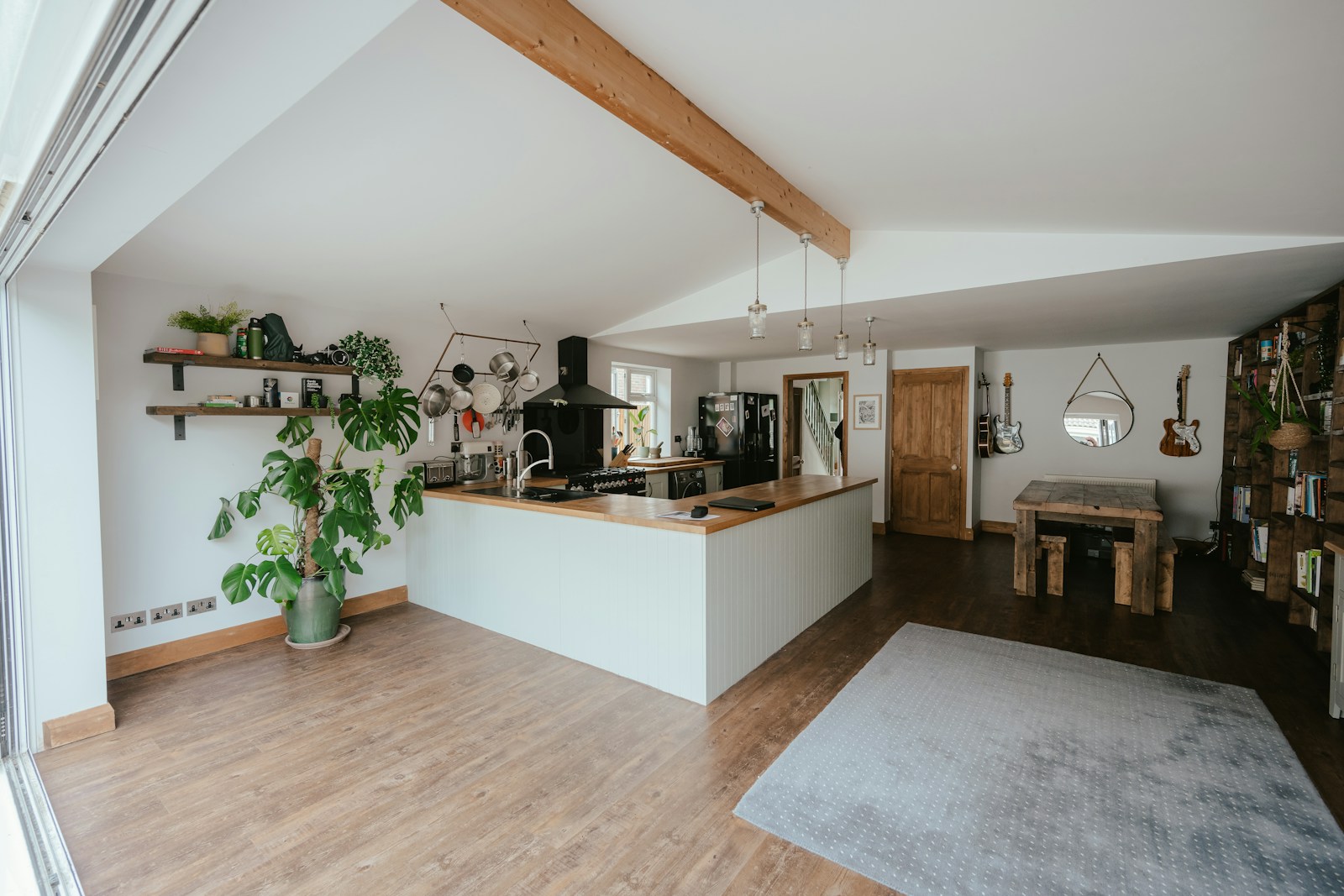
Open floor plans lack defined spaces. While this can create a sense of spaciousness, it can also make a home feel less cozy. It can be challenging to create separate areas for different activities, such as cooking, dining, and relaxing.
With the increase in remote work and home-schooling, the need for defined spaces has become more critical. Having separate areas for different activities can help create structure and routine, which are important for productivity and well-being.
Limited Wall Space
Another disadvantage of open floor plans is the limited wall space. This can make it difficult to display artwork or family photos, or to place furniture that requires wall support, such as bookcases or entertainment units.
As people spend more time at home, they are seeking ways to make their homes more personal and reflective of their interests and memories. The limited wall space offered by open floor plans can hinder this, leading to more homeowners expressing regret.
Not Suitable for All Lifestyles
Open floor plans may not be suitable for all lifestyles. For instance, they may not be ideal for families with young children who need a quiet space for naps, or for those who often entertain guests and need separate spaces for different activities.
As individuals and families become more diverse in their living needs and preferences, the one-size-fits-all nature of open floor plans is becoming less appealing. This underscores the importance of choosing a home design that fits your unique lifestyle.
Too Trendy
Some homeowners regret choosing an open floor plan because they feel it’s too trendy. They may feel that their home lacks character or that it looks too similar to other homes. This can lead to dissatisfaction and a desire for a more unique and personal home design.
As homeowners seek to create homes that are unique and reflective of their personal style, the trendiness of open floor plans can be a drawback. This is another reason why some homeowners are reconsidering this design choice.
Costly to Revert
Last but not least, many homeowners regret their open floor plan because it can be costly to revert. If they decide that they want more walls or separate rooms, the renovation costs can be significant. This can lead to a feeling of being stuck with a design that they are not happy with.
As the economic climate remains uncertain, the financial implications of home design choices are becoming more important. This adds to the reasons why some homeowners are expressing regret about their open floor plans.

As a mom of three busy boys, I know how chaotic life can get — but I’ve learned that it’s possible to create a beautiful, cozy home even with kids running around. That’s why I started Cultivated Comfort — to share practical tips, simple systems, and a little encouragement for parents like me who want to make their home feel warm, inviting, and effortlessly stylish. Whether it’s managing toy chaos, streamlining everyday routines, or finding little moments of calm, I’m here to help you simplify your space and create a sense of comfort.
But home is just part of the story. I’m also passionate about seeing the world and creating beautiful meals to share with the people I love. Through Cultivated Comfort, I share my journey of balancing motherhood with building a home that feels rich and peaceful — and finding joy in exploring new places and flavors along the way.