Why So Many Homes Look Cluttered Without Owners Realizing
In today’s fast-paced world, it’s easy for our living spaces to become cluttered without us even noticing. The accumulation of items, whether they’re sentimental keepsakes or ‘just-in-case’ items, can easily lead to a cluttered home.
If you’ve ever felt overwhelmed by the amount of stuff in your home, you’re not alone. Studies show that clutter can cause stress and lower productivity. Understanding the common culprits of clutter can help you reclaim your space and create a more peaceful, productive environment.
1. Unused Kitchen Gadgets
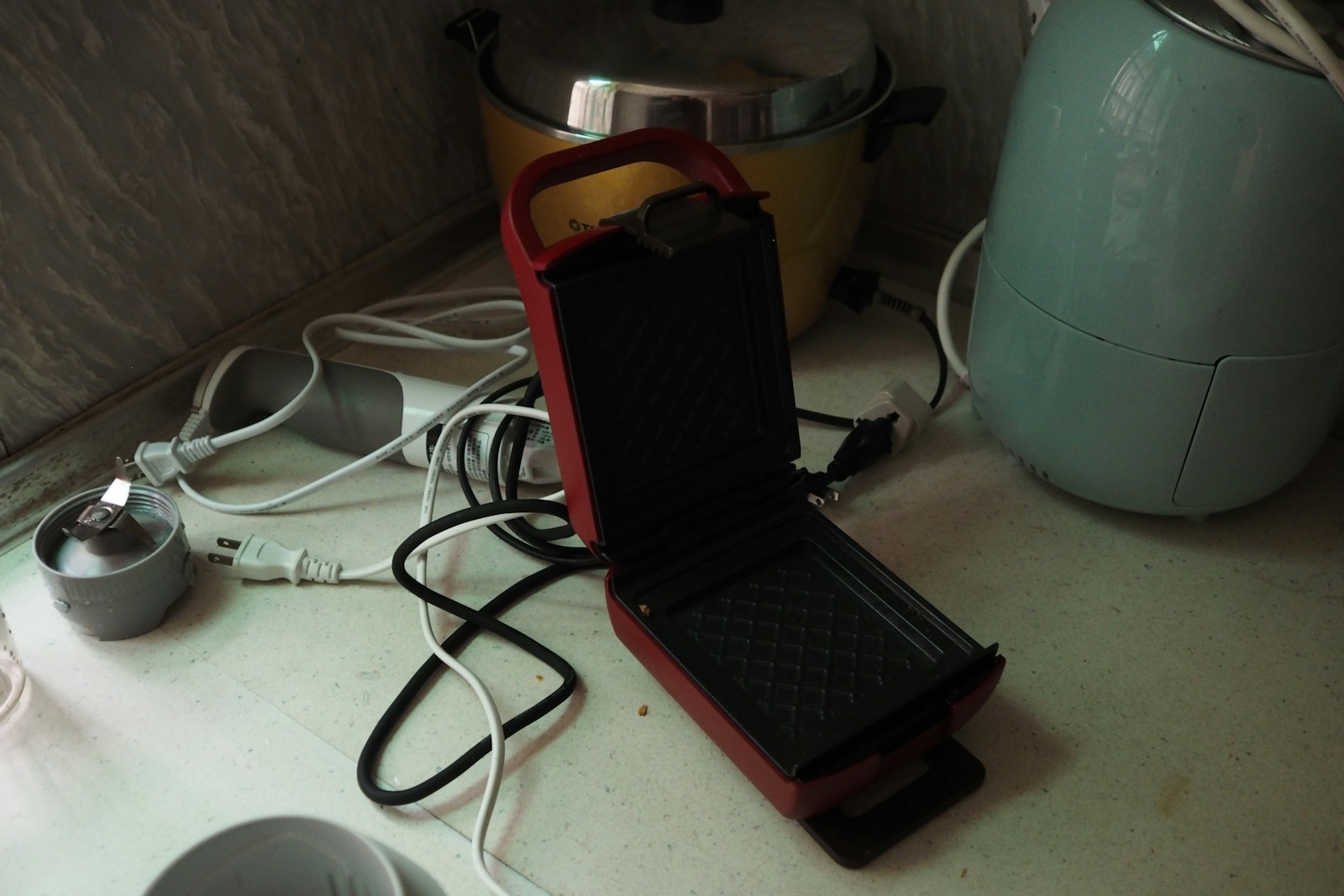
Everyone has that one kitchen gadget they bought on a whim or received as a gift, thinking it would revolutionize their cooking. However, these items often end up forgotten in a cupboard. The reason people hold onto them is the thought that they might use it one day.
Now, with many people spending more time at home and cooking their meals, it’s the perfect time to revisit these gadgets. If you haven’t used them in the past year, chances are you won’t in the future. Decluttering your kitchen can free up valuable space and make meal prep easier.
2. Clothes ‘For Special Occasions’
Many of us have clothes in our closets that we’re saving for special occasions. These items often take up a significant amount of space and are seldom worn. Yet, we hold onto them because we believe that one special event will come along where we’ll need them.
With the rise of remote work and social distancing measures, these special occasion clothes are less likely to be worn anytime soon. It’s a good idea to go through your wardrobe and donate or sell items that you rarely wear. This can free up closet space and simplify your daily outfit choices.
3. Old Electronics
Old electronics like outdated phones, laptops, or tablets are often kept because they were expensive or contain important data. However, they end up taking up storage space and contribute to the clutter in our homes.
As technology advances rapidly, these old electronics become obsolete. Instead of hoarding them, it’s better to recycle or sell them. Not only will this free up space in your home, but it’s also environmentally friendly.
4. Excessive Decorations
Decorations can add personality to a home, but when there are too many, they can make a room look cluttered. Often, people accumulate decorations over the years without realizing how much they’ve gathered.
In today’s minimalist trend, less is often more. Consider decluttering your home by choosing only a few key pieces that you love, and storing or donating the rest. This can make your home look more spacious and calming.
5. Books
Books are often kept for their sentimental value or the intention to read them again in the future. However, they can easily take up a lot of space in your home, especially when you have a large collection.
With digital reading becoming more popular, now might be a good time to consider transitioning to an e-reader. You can donate your physical books to a library or a school, making room for other things in your home.
6. Old Magazines and Newspapers
Many of us hold onto old magazines and newspapers for various reasons. However, these items can quickly pile up and create clutter in our homes, especially if we subscribe to multiple publications.
With most news and magazines available online, it’s a good time to reconsider your need for physical copies. Recycling old magazines and newspapers can free up space and reduce your paper waste.
7. Unused Furniture
Unused furniture can take up a lot of space in a home. Often, people hold onto old furniture because they believe they might need it in the future, or because it has sentimental value.
With many people now working from home, it’s crucial to maximize available space for a conducive work environment. Selling or donating unused furniture can make your home more spacious and functional.
8. Old Toys
Old toys are often kept because of their sentimental value or the hope that they will be used again in the future. However, they can take up a lot of space, especially when children have outgrown them.
As many families are spending more time at home, now is a good time to sort through old toys. Donating or recycling them can free up space and provide other children with the opportunity to enjoy them.
9. Old Receipts and Bills
Many people keep old receipts and bills for accounting purposes or fear of needing them in the future. However, these items can pile up quickly and contribute to clutter.
With digital banking and online transactions becoming the norm, physical copies of these items are becoming less necessary. Consider scanning and digitizing these documents to reduce physical clutter and make organization easier.
10. Sentimental Items
Sentimental items are often kept because of the memories attached to them. These can range from old letters to gifts, and often accumulate over time without us realizing.
While these items hold emotional value, too many can create a cluttered environment. Consider storing them digitally or keeping only the most meaningful ones. By doing so, you’ll be able to keep your memories without the physical clutter.

As a mom of three busy boys, I know how chaotic life can get — but I’ve learned that it’s possible to create a beautiful, cozy home even with kids running around. That’s why I started Cultivated Comfort — to share practical tips, simple systems, and a little encouragement for parents like me who want to make their home feel warm, inviting, and effortlessly stylish. Whether it’s managing toy chaos, streamlining everyday routines, or finding little moments of calm, I’m here to help you simplify your space and create a sense of comfort.
But home is just part of the story. I’m also passionate about seeing the world and creating beautiful meals to share with the people I love. Through Cultivated Comfort, I share my journey of balancing motherhood with building a home that feels rich and peaceful — and finding joy in exploring new places and flavors along the way.