Winter travel can be an “absolute disaster” if you are not prepared, says Christina of Happy to Wander, a travel channel built on practical advice from someone who has “been there, done that.”
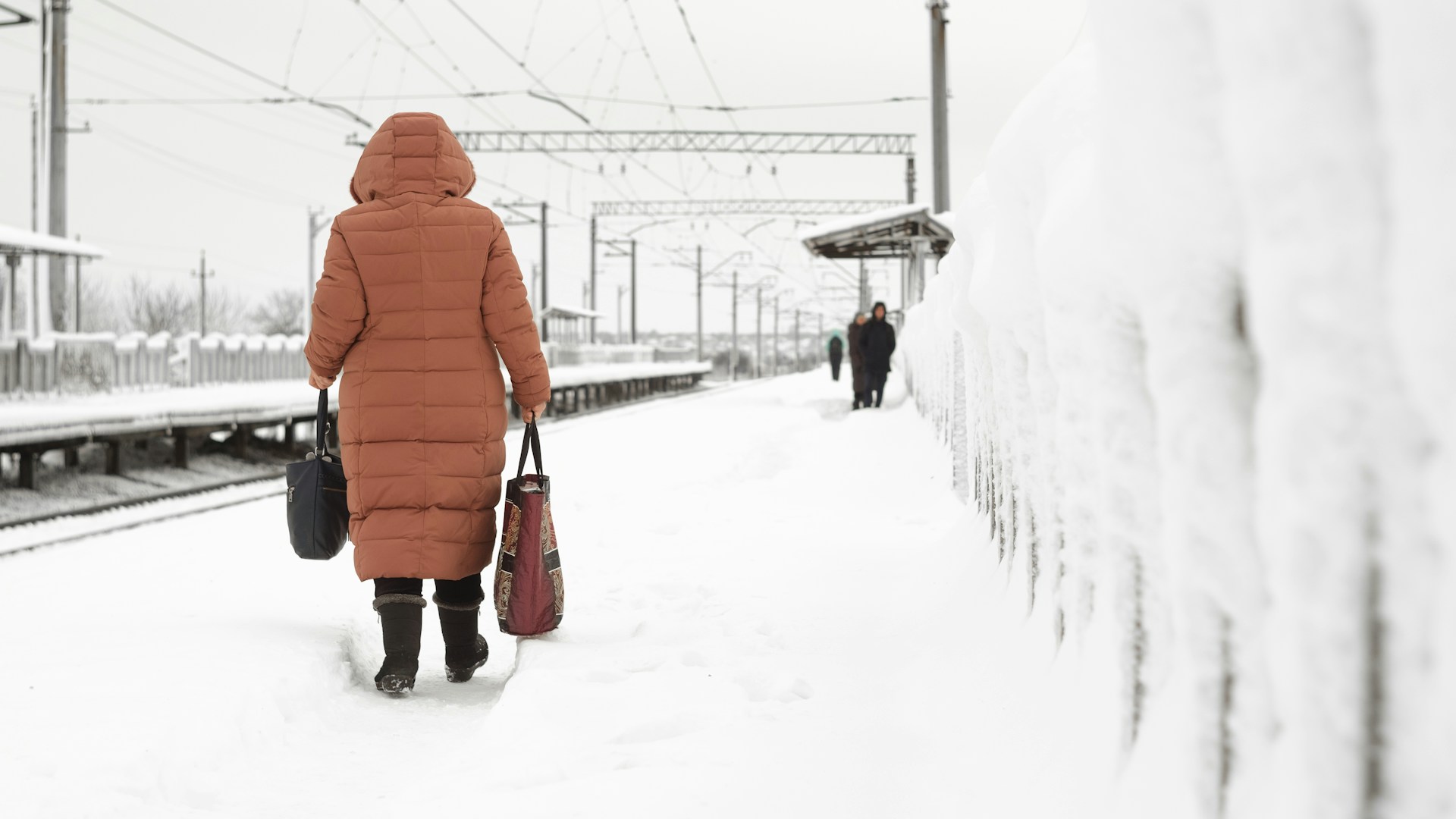
Of all the winter must-knows she shares, two stand out for travelers who want to avoid costly regrets. One lives in the fine print of a policy, and the other lives on a tag the size of a postage stamp sewn inside your coat.
They look unrelated, but they connect. Both are things most people never check until the moment they matter.
Free Travel Insurance May Not Cover What You Are Actually Doing
Her first tip is to always double check that your insurance actually covers you for your winter activities. She admits that travel insurance is “one of the least fun topics in the entire world,” but says it matters most on winter trips, which are prone to delays and cancellations and often include high risk activities like snow sports.
Here is the mistake she says a lot of people make: they never read their policy. She gets why, and says it is not fun, but it is “really important.”
Her advice is to check that your non-negotiables are covered, such as theft insurance and cancellation insurance, plus any sports you plan to try. “Unfortunately, not all policies cover everything,” she says.
“This Is An Assumption A Lot Of People Make”
The assumption she points to most is that free coverage is complete coverage. It shows up, she says, “especially when they get free travel insurance through their credit card or through some other kind of freebie scheme.”
Her fix is simple. Look into the actual insurance and see whether you need a top-up or anything additional so you are covered for everything you are going to be doing on your winter trip.
That could be a ski day, a snowshoe hike or a pricey prepaid tour. The point is to know in advance, not to find out at the claims desk.
It also helps to have the policy somewhere you can reach it. Saving a copy to your phone and printing one for your bag means the coverage details are in front of you when a flight is canceled or a plan falls through.
The Teeny Tiny Label That Decides Whether You Are Happy Or Miserable
Her second warning moves from paperwork to what you wear. She says she used to “turn a blind eye to clothing composition,” and now insists that the information on that “teeny, tiny label inside your clothing” can be the difference between “a trip where you’re totally comfortable and happy, and a trip where you’re absolutely miserable.”
Of course you want warm clothes, she says. But you also want something breathable, moisture wicking and good in varying temperatures, because a winter trip does not mean extreme cold all day.
There will be loads of moments when you warm up fast, like stepping into a hotel or a restaurant. Your clothes need to handle both the cold street and the warm room.
Why Cotton And Acrylic Can Let You Down
Unfortunately, she says, many go-to materials do not meet that standard. Cotton, a popular fabric, tends to trap moisture and create an environment that is very uncomfortable after a long travel day. She personally uses cotton only for items that do not touch her skin directly, such as cardigans.
Acrylics are another popular choice, but she says they are not very breathable. That is what causes the feeling of being super hot and trapped in your clothing.
Wool Is “An Absolute Winner,” But Spend Where It Counts
Her pick is wool, which she calls an absolute winner. It is natural, breathable and moisture wicking.
Her favorite is Merino wool, which is also odor resistant. That helps on winter trips, she says, because you will be sweating a lot and will probably re-wear your base layers.
The downside is price, since Merino costs more than other materials. If you need advice on where to splurge, she recommends whatever is closest to your skin, meaning base layers.
In her opinion, you get far more value from Merino base layers than from a cheap acrylic sweater under a nice wool coat. She says she likes Smartwool socks and Unbound Merino tops, which she describes as super soft.
Do Not Dress For The Coldest Moment Of The Day
She also warns against dressing as if it will be cold all day. Because you will keep walking into warm places like your accommodation, a taxi or public transport, she suggests layers rather than one big sweater with nothing underneath.
She breaks effective layering into three elements. First comes a breathable base layer for moisture management, where Merino wool is ideal. Second is a warm mid-layer that insulates, and she says fleece and down can both be great, or just a nice wool sweater if it is not too cold. Third is a waterproof and windproof outer layer, ideally with a hood, “just in case.”
She adds that you should wear base layers you would be comfortable being seen in public in, since you may be peeling down to them.
Seal The Gaps And Bundle Up Before You Get Cold
Another thing she says guides gloss over is sealing, especially in extreme cold or if you get cold easily. Minimize any gaps where cold air can sneak in, and when necessary, tuck your top into your pants. “I know it’s not the most attractive look,” she says, but it helps.
Her stranger trick is to put your gloves on before your jacket, so the sleeves are not sucking in cold air around your wrists.
Her overall rule is that the best defense against the cold is to dress warm before you get cold. It might feel uncomfortable at first, she says, but it is far better to be hot inside and relieved outside than freezing outside and struggling to warm up.
The Penguin Trick When You Need To Warm Up
If you do get chilly, she has an unconventional fix she calls the penguin trick. Stick your arms straight out, then nudge your shoulders upward to get the blood flowing.
She says it works the best of all the tricks she has tried, and that a Swedish friend taught it to her about 10 years ago. She has used it on every trip since, even though you might look a little silly.
The Two Checks To Make Before You Pack
Put together, her two warnings come down to a pair of quick checks. Before you leave, read what your policy actually covers, and fill any gaps with a top-up if you need one. Then flip over the labels in your winter clothes and look at the fabric, because that tag tells you whether the garment will keep you comfortable or leave you miserable.
Neither takes long, and both can save a trip that would otherwise be spoiled by a surprise.
More Stories You May Like
- Standby Passenger Gets A Surprise Business Class Upgrade, Then Waits 30 Minutes For Help And Is Told To Keep His Head Down
- Airbnb Hosts Are Using Weaponized Sympathy To Justify Making Guests Strip Beds And Sweep Floors, Right After Airbnb Told Hosts Not To Ask For Chores
- Man Extends His Japan Trip Two Weeks Counting On $500, Gets Declined At A Skincare Checkout Over Car Insurance, Then Says He May Become A Buddhist