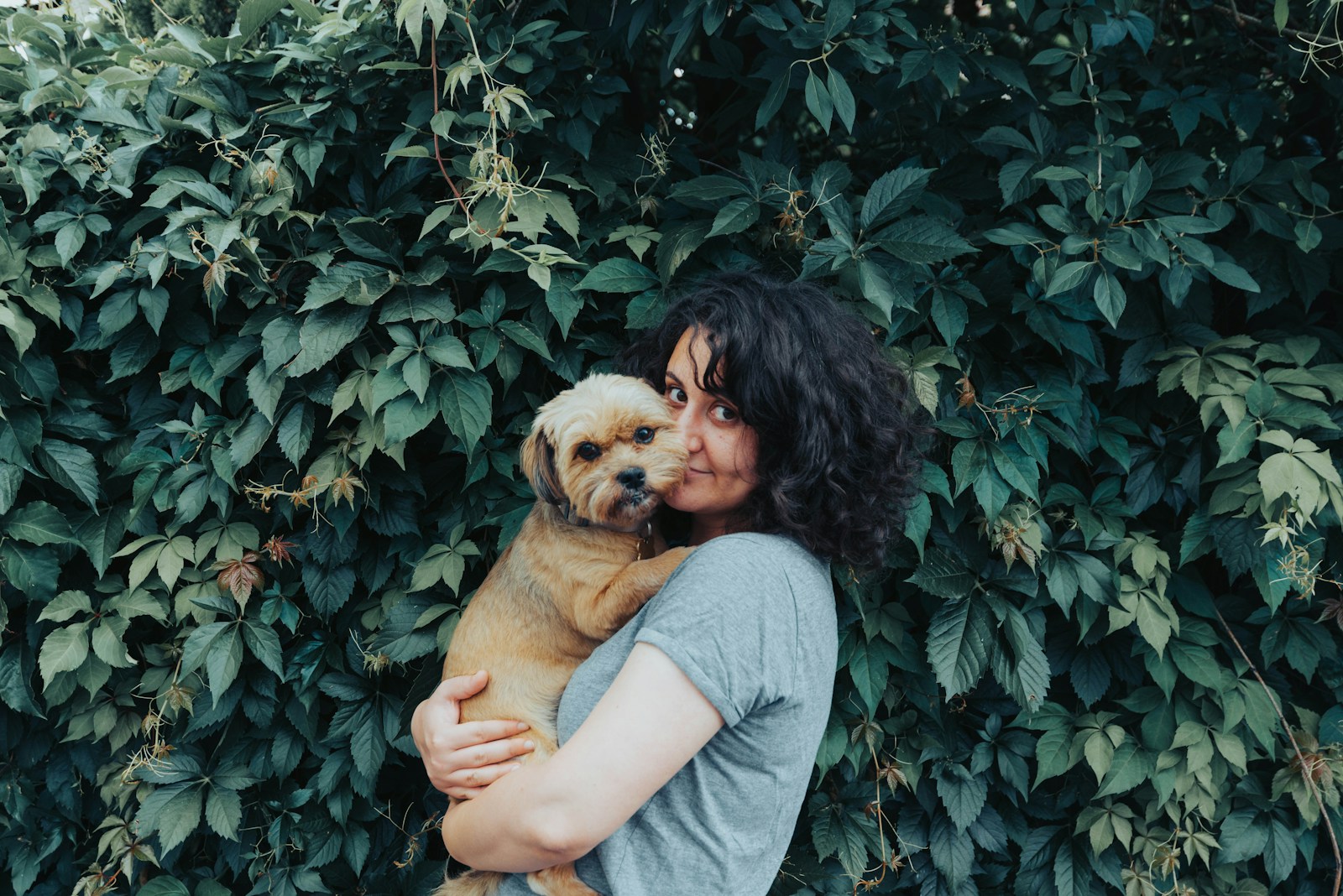
Once upon a time in a cozy neighborhood, a woman found herself in a rather puzzling situation after discovering a lost dog. On a chilly Sunday in February, she spotted a pup wandering the street, attached to a leash but without any tags identifying its owner. After successfully capturing the little furry creature, she felt a mix of joy and concern about what to do next. With the dog now safe, she turned to Facebook, posting in a dedicated lost dogs group, hoping someone would recognize the pooch.
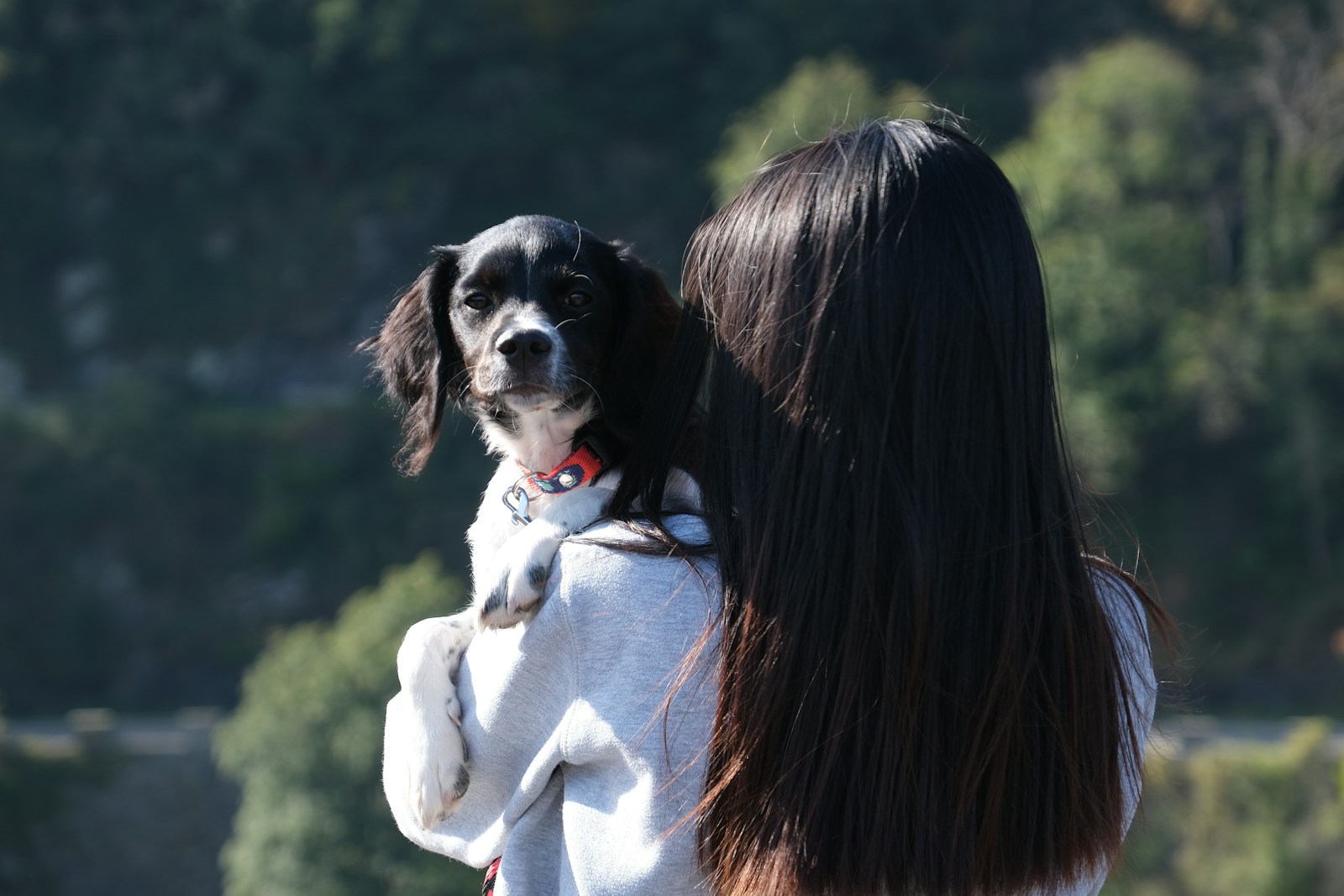
Within 24 hours, she received a message from someone claiming to be the neighbor of the dog’s owner, whom she would come to know as ON. The ON explained that their friend, the actual owner, was currently working out of state and promised they would reach out when they had service. This raised a red flag for the woman; she had been raised during the “Stranger Danger” era and was hesitant to hand over a dog without solid proof of ownership.
The ON claimed to have information about the dog, including its name, but when the woman called the pup, it didn’t respond at all. As uncertainty gnawed at her, she asked for pictures to verify their claims. The ON sent some photos, but they were somewhat generic—no identifying features, no leash, and no people in sight. The story deepened when the ON mentioned that their child was upset about the dog being lost. Initially, the woman felt compelled to believe their story, but the lack of solid evidence left her wary. So, she called the local police for guidance.
The police advised her to contact a shelter, which wasn’t open until the next day. When she finally did reach the shelter, they suggested that if she could connect with the owner, they should meet there to verify ownership, thus avoiding any potential legal issues. Eager to finalize the situation, she communicated this to the ON, only to be met with a noncommittal, “I’ll see what I can do when I’m off work.” Days turned into weeks.
As time passed, her situation shifted from one of concern to routine. The ON continued to delay meeting up, telling her that she was making a big deal out of returning the dog and that the real owner would reach out “next week.” But weeks turned into a month, and the woman grew attached to the dog, having invested time, effort, and money into its care—taking it for daily walks, purchasing food, and even some fun toys. The shelter’s policy lingered in her mind; after two weeks, if no one claimed the dog, it would be legally hers.
Four weeks later, the ON reached out one last time, asking what had happened to the dog. The woman explained that the shelter had informed her it was hers, and in her heart, she felt she had fulfilled her duty. She had provided love and care where there had been uncertainty.
But the drama didn’t end there. Three months later, while enjoying a sunny afternoon at the dog park, the woman had an unexpected encounter. There they were—the ON and the supposed owner, along with a pair of upset children. The dog, now part of the woman’s life, was excited to see them, creating a heart-wrenching scene. Onlookers began whispering, urging her to give the dog back, some even calling her a villain. She stood her ground, confused and conflicted.
The woman felt trapped in a moral conundrum. Should she relinquish the dog, who had become her companion, simply because someone claimed it? Or had she, in the absence of communication and the owner’s clear negligence, become the rightful guardian? The backlash from other park-goers stung, turning a simple day at the park into a battleground of emotions, with unknown people labeling her as the villain for wanting to keep the dog she had nurtured for months.
In that moment, it became painfully clear that no matter her intentions or the legitimacy of her actions, the lines of ownership and attachment had blurred, leaving her feeling like a stranger in her own life.
More from Cultivated Comfort:
- 7 Vintage Home Items From the ’60s That Are Collectors’ Dream Finds
- 7 Vintage Home Goods That Became Collectors’ Gold
- 7 Fast-Food Chains That Changed for the Worse
- 7 Frozen Dinners That Were Better Back in the Day