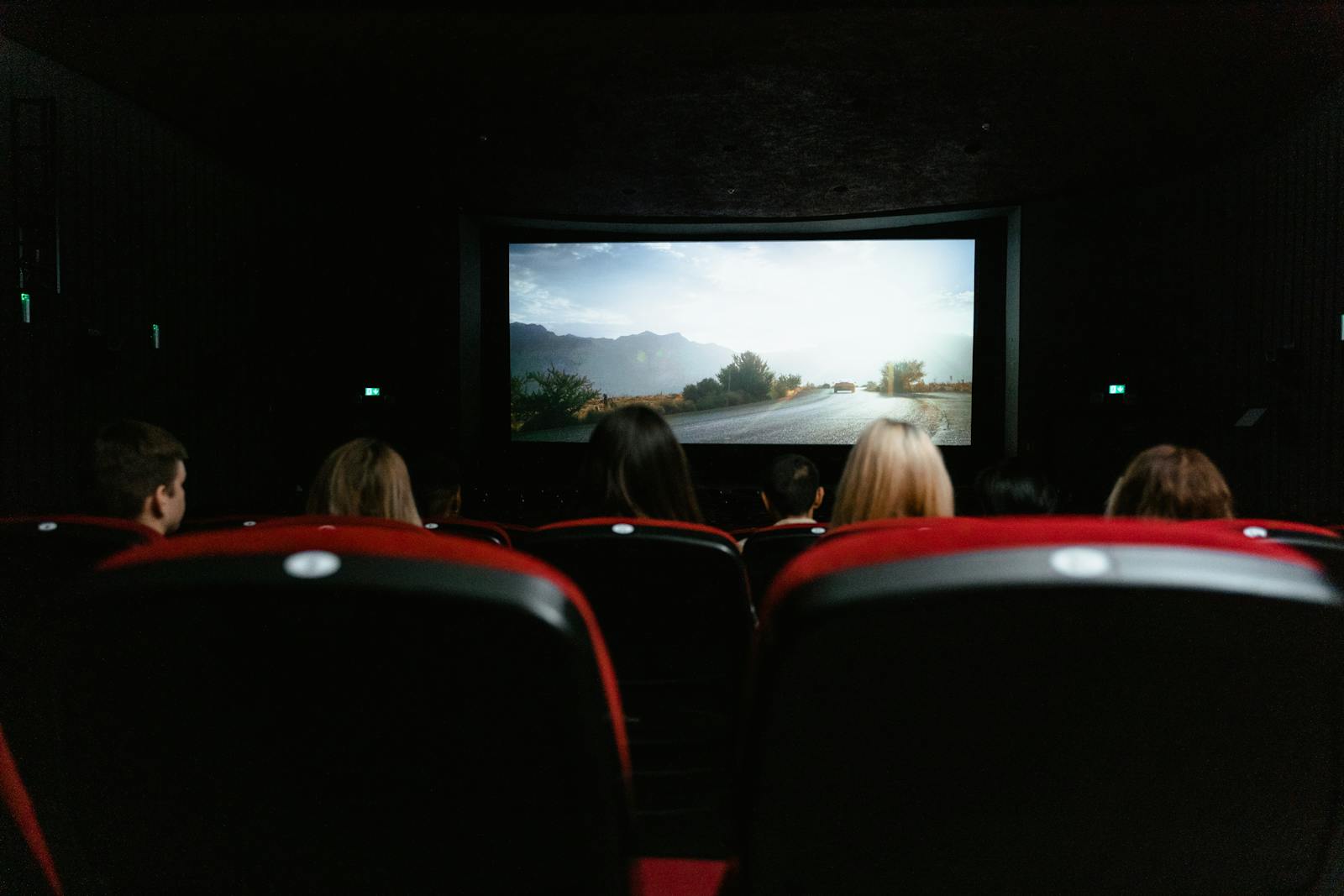
Going to the movies alone is supposed to feel simple and almost therapeutic, a quiet escape where you can fully settle into a story without distractions. For many people, especially when it is a film they have been looking forward to, it becomes more than just entertainment. It is a moment to disconnect from everything else and enjoy something uninterrupted.
That experience, however, depends on one very basic, unspoken rule that everyone in the room is expected to follow. Stay quiet and respect the shared space. That is why this story resonated so quickly with so many people, because it taps into a frustration almost everyone has felt at least once but did not always act on.
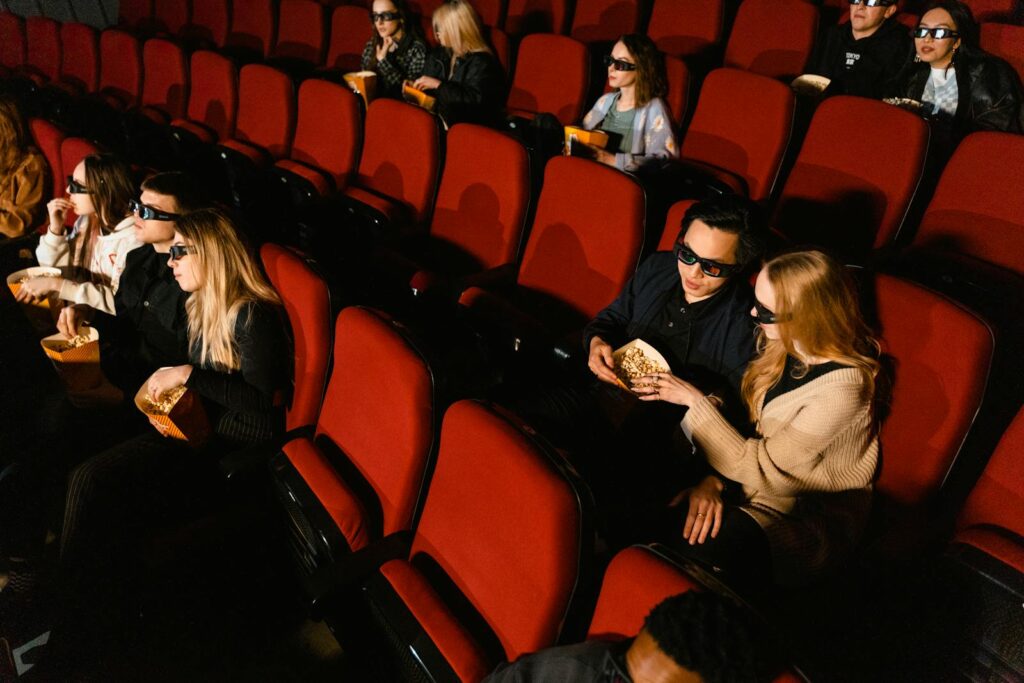
The Kind of Night That’s Supposed to Feel Easy
The woman at the center of the story had planned her movie night in advance, which already says a lot about how much she was looking forward to it. She bought her ticket days earlier specifically to see Project Hail Mary, especially as someone who already loved the book and wanted to experience it on the big screen. That kind of anticipation usually makes the experience feel even more meaningful.
She arrived early, giving herself time to settle in without rushing. With her popcorn and drink ready, she leaned back into her reclining seat and prepared for what she expected to be a calm and enjoyable evening. Everything about the setup suggested this would be exactly the kind of solo outing she had hoped for.
At first, things lined up perfectly. A young boy sat quietly on one side, and the seats on her other side were empty, creating a comfortable buffer of space. It felt like one of those rare moments where everything just works out the way it should.
When Small Signs Turn Into a Bigger Problem
Just as the lights began to dim, a couple entered and took the empty seats beside her. It was not immediately an issue, but there were subtle signs early on that something might not go smoothly. The woman next to her pulled out her phone, and the brightness of the screen stood out sharply in the darkening theater.
At that point, it still felt like something minor that could be overlooked. Previews were playing, and people often use that time to check messages or scroll briefly before the film begins. Eventually, the phone was put away, which made it seem like things would settle once the movie actually started.
But that sense of relief did not last long. As soon as the film began, the couple started talking, and not in quiet whispers or occasional comments. Instead, it quickly became a steady, ongoing conversation that was impossible to ignore.
When Silence Stops Being an Option
The talking continued at a normal speaking volume, which made it even more distracting. They reacted out loud, commented on scenes, and essentially narrated parts of the movie as it played. It felt less like a shared theater experience and more like sitting next to people watching TV in their living room.
At first, she tried to ignore it, hoping they would settle down once they became more absorbed in the story. That is often the instinct in situations like this, choosing patience over confrontation to avoid tension. But as the minutes passed, it became clear that nothing was going to change on its own.
Eventually, the disruption reached a point where staying silent felt more frustrating than speaking up. She leaned slightly toward them and addressed it directly, saying, “You are being extremely rude. Can you just be quiet??” It was firm and clear, without being unnecessarily aggressive, but it made the message impossible to miss.
The Reaction That Made It Even Stranger
The response was immediate and noticeably dramatic. The woman reacted with a gasp, followed by a sarcastic and exaggerated “Sor-REE!” that made it clear she was more offended than apologetic. The tone suggested she saw herself as the one being wronged in that moment.
Despite that reaction, the outcome was surprisingly effective. Within a few minutes, the couple gathered their things and moved to different seats elsewhere in the theater. Whether it was embarrassment, annoyance, or simply not wanting to adjust their behavior, they chose to leave the situation entirely.
For the woman, the result was simple but significant. The noise stopped, and the environment returned to what it should have been from the start. She was finally able to watch the movie without the constant distraction that had been pulling her out of the experience.
The Internet Had Zero Patience for It
“A movie theater is literally the one place you’re supposed to be quiet.” — JupiterGerral333
“We all paid to hear the movie, not your commentary.” — DiscountGrand4457
“Shut the f up at the movies. It’s not your living room.” — Reddit user
Most people strongly supported her decision to speak up, with many saying her reaction was more restrained than they would have been. A lot of commenters pointed out that movie theaters have some of the clearest social rules, which makes breaking them feel even more frustrating. The idea that someone would talk through a film at full volume felt almost unbelievable to some readers.
Others focused on how common this kind of behavior has become, noting that more people seem comfortable ignoring shared space etiquette. That shift is what made the story feel so relatable, because many people have experienced something similar but chose not to say anything. It highlighted how often people tolerate small disruptions just to avoid confrontation.
At its core, the story stood out because of one simple difference. Instead of quietly accepting the situation, she addressed it directly and changed the outcome. And for many readers, that was the most satisfying part, not just the problem itself, but the fact that someone finally refused to ignore it.
More from Cultivated Comfort: