A woman is questioning her relationship after a night out ended with her feeling cornered, unsupported, and, in her words, “abandoned in plain sight.” She says a friend repeatedly pushed her toward getting into a ride share she didn’t want to take, and her boyfriend—who she says knows her history with trauma—stood by without intervening.
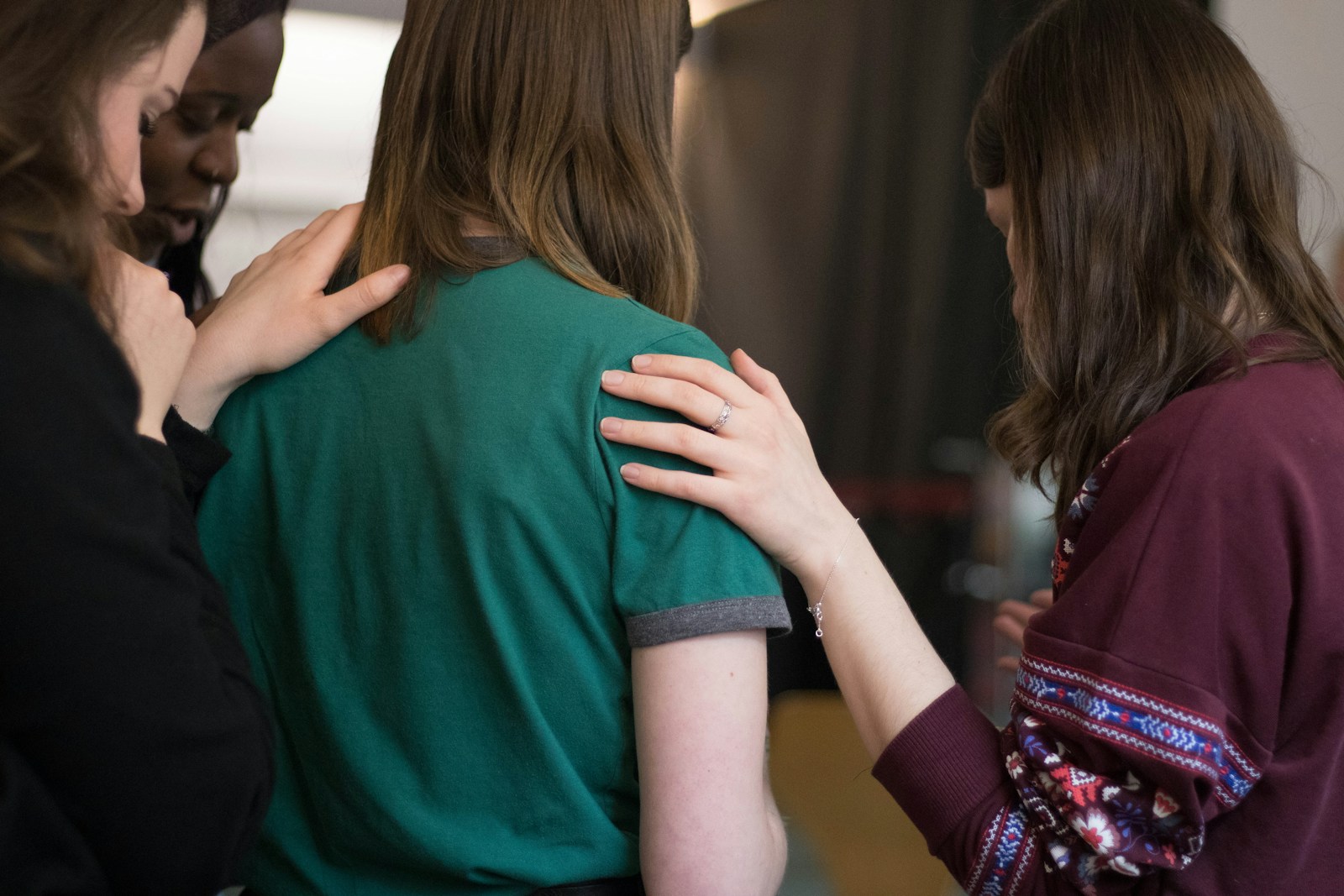
The story has struck a nerve because it’s not just about a ride share. It’s about that specific kind of fear that shows up when you feel pressured to do something with your body or your safety, and the person who’s supposed to be in your corner goes silent. And for a lot of people reading it, the question isn’t “Who’s right?” so much as “Why didn’t he move?”
A night out that turned tense fast
According to her account, the incident happened after an evening with friends, when the group was figuring out how to get home. She says one friend took charge in a way that didn’t feel helpful—it felt forceful, like decisions were being made for her rather than with her. She describes being steered and pressured toward a ride share option she didn’t agree to.
She says she voiced discomfort and tried to slow things down, but the friend kept insisting. It wasn’t just “Come on, it’s fine,” either—she describes it as physical and directional, like being herded toward the car. The woman says she felt her anxiety spike, especially because being physically guided or rushed is a major trigger for her.
“He knew my past and still did nothing”
What made it worse, she says, was her boyfriend’s reaction: none. She claims he didn’t step between them, didn’t tell the friend to stop, didn’t ask her what she wanted, and didn’t offer to take the lead in a calmer way. In her view, he watched her getting overwhelmed and chose to stay out of it.
She adds that this isn’t a case of him not understanding her boundaries. She says he’s aware of her past experiences and knows certain situations can make her feel unsafe or powerless. That’s why his inaction felt less like an oversight and more like a betrayal—like she’d been left to handle it alone while he stood right there.
When “doing nothing” feels like taking a side
People often think of support as something dramatic: stepping in, raising your voice, shutting a situation down. But support can also be small and immediate—making eye contact, asking “Are you okay?” or simply saying, “Hey, what does she want to do?” When none of that happens, it can feel like the silence is an answer.
The woman says she didn’t need her boyfriend to start a fight. She needed him to recognize that she was distressed and help create a little space so she could make her own choices. Instead, she says, she felt like the “difficult” one for resisting, while everyone else acted like it was normal to push her along.
Why ride shares can feel complicated, even if they’re common
To some readers, the obvious response might be, “It’s just a ride share.” But she’s clear that the issue wasn’t the app—it was the pressure, the physical steering, and the loss of control. For someone with a trauma history, being hurried into a car can feel less like transportation and more like a threat, even if everyone around you thinks it’s routine.
And to be fair, ride shares are usually safe, and lots of people use them without a second thought. Still, consent and comfort matter in everyday situations too. If someone is saying “wait” or “I don’t want this,” the correct response isn’t to push harder—it’s to pause.
Friends who “manage” people vs. friends who respect them
Part of the tension here is that the friend seemed to treat the woman like a problem to solve: get her into the car, get the night wrapped up, keep the logistics moving. Some friend groups normalize that kind of bossy caretaking, especially when they’re tired, drinking, or just ready to go home. But “I’m helping” can cross the line into controlling pretty fast.
The woman’s account suggests she didn’t feel helped—she felt handled. Even if the friend meant well, intent doesn’t cancel impact. If your version of help leaves someone feeling scared or powerless, it’s time to rethink the approach.
What people are debating: freeze responses, loyalty, and basic safety
The boyfriend’s passivity is what’s driving the biggest debate. Some people point out that not everyone jumps into conflict smoothly; some freeze when things get tense, especially in social situations. A person can care and still short-circuit in the moment, then realize afterward that they should’ve acted differently.
Others argue that freezing might explain it, but it doesn’t excuse it—especially if he truly knew her triggers. If you’re dating someone and you know certain situations can overwhelm them, you don’t need a perfect script. You just need the willingness to check in and prioritize their safety over social comfort.
The bigger relationship question behind the moment
Her frustration isn’t only about that one night. It’s about what the moment revealed: when she needed support, did she feel protected—or exposed? A lot of relationship trust is built on tiny, unglamorous acts of advocacy, like speaking up when someone’s being ignored.
She’s now wondering what happens in future high-pressure moments. If a friend can push her around socially and physically while her boyfriend stays silent, will he do the same if the stakes are higher? That question is hard to un-ask once it’s in your head.
What repair might look like—if he’s willing
If this relationship is going to recover, the repair probably can’t be “I’m sorry you felt that way,” because that dodges the core issue. She’d likely need him to acknowledge what he saw, what he did (or didn’t do), and why. A real apology here would sound more like: “I missed it, I froze, and I should’ve stepped in.”
Then there’s the practical side: what will he do differently next time? It could be as simple as agreeing on a signal she can use when she’s overwhelmed, or a default plan where he checks in before anyone calls a car. It’s not about turning him into a bodyguard; it’s about making support predictable when her nervous system is telling her something’s wrong.
Why this story is resonating with so many people
This isn’t just a relationship spat—it’s a familiar fear: realizing the people around you might choose convenience over your comfort. Many readers have been in a situation where they were pressured to “just go along,” and the person they trusted most didn’t notice or didn’t act. That kind of moment can stick, because it changes how safe you feel in the group and in your own body.
The woman’s quote—“He knew my past and still did nothing”—lands hard because it speaks to something simple: being known should come with being considered. If someone truly understands your vulnerabilities, you shouldn’t have to fight alone to have them respected. And if you do, it’s fair to wonder whether the relationship is giving you the safety you thought it was.
More from Cultivated Comfort:
- 7 Vintage Home Items From the ’60s That Are Collectors’ Dream Finds
- 7 Vintage Home Goods That Became Collectors’ Gold
- 7 Fast-Food Chains That Changed for the Worse
- 7 Frozen Dinners That Were Better Back in the Day

As a mom of three busy boys, I know how chaotic life can get — but I’ve learned that it’s possible to create a beautiful, cozy home even with kids running around. That’s why I started Cultivated Comfort — to share practical tips, simple systems, and a little encouragement for parents like me who want to make their home feel warm, inviting, and effortlessly stylish. Whether it’s managing toy chaos, streamlining everyday routines, or finding little moments of calm, I’m here to help you simplify your space and create a sense of comfort.
But home is just part of the story. I’m also passionate about seeing the world and creating beautiful meals to share with the people I love. Through Cultivated Comfort, I share my journey of balancing motherhood with building a home that feels rich and peaceful — and finding joy in exploring new places and flavors along the way.