A woman’s journey to adopt a rescue cat has taken an unexpected turn after spending months on a waiting list, only to be asked to start the application process over again. The situation has left her questioning whether to remain loyal to the original rescue organization or pursue adoption opportunities elsewhere.
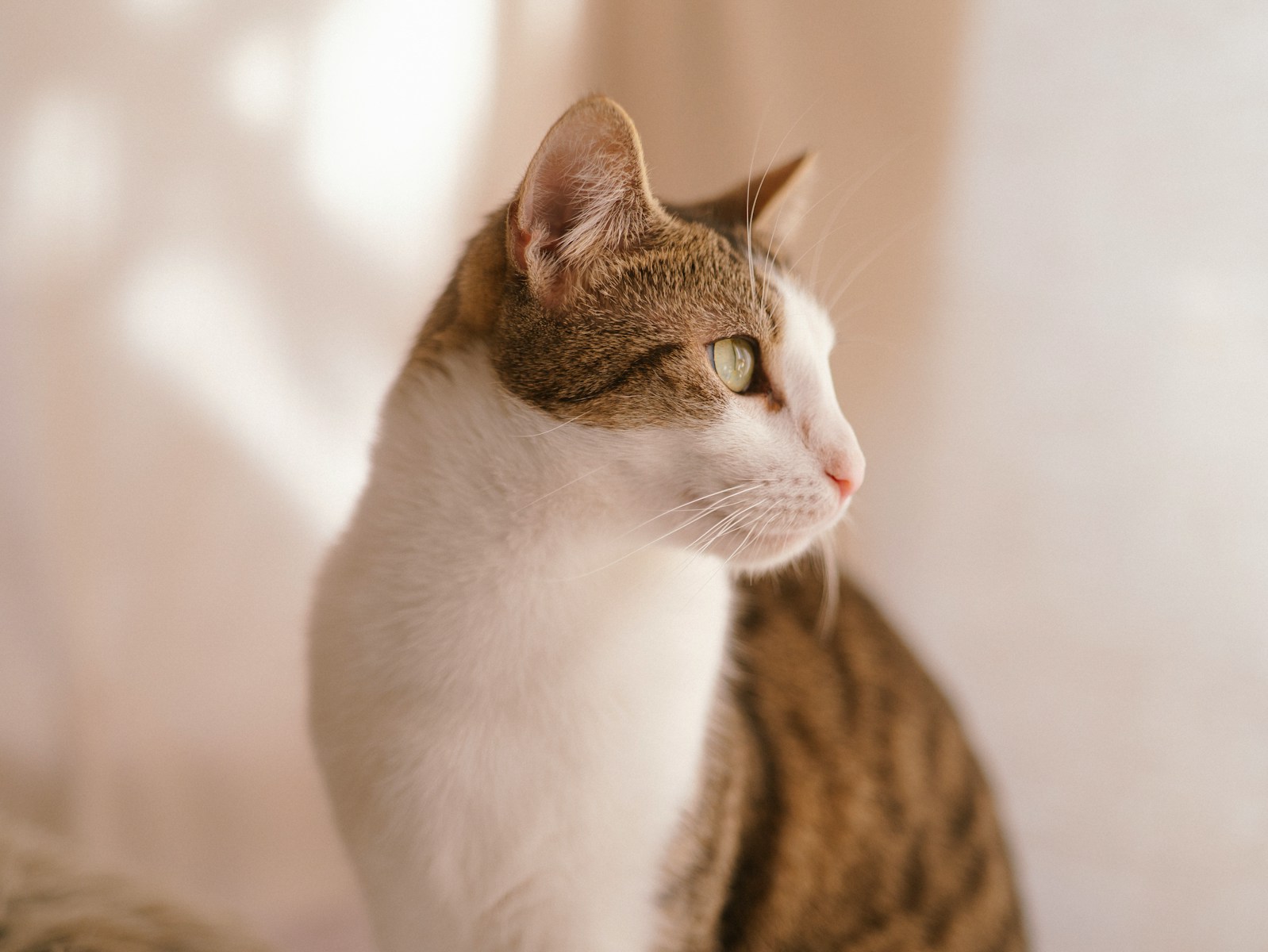
After investing significant time and emotional energy into one rescue’s lengthy process, the prospective cat owner now faces a dilemma that many animal lovers encounter: whether waiting for a specific organization is worth potentially delaying her chance to provide a home to a cat in need.
The woman’s experience highlights the complex realities of cat rescue operations and adoption procedures. Rescue organizations can face difficult decisions about managing adoptions and working with prospective owners, while individuals seeking to adopt must navigate varying policies, waiting periods, and application requirements that can differ dramatically between organizations.
Navigating Cat Adoption Challenges
Cat adoption processes can stretch on for months, with potential adopters facing unexpected hurdles like reapplication requests and extended waiting periods. These delays create difficult decisions about whether to stay committed to one rescue or explore other options.
Long Waiting Lists and the Reapplication Process
Many animal shelters and rescue organizations maintain lengthy waiting lists for potential adopters. Some people wait weeks or even months to meet their future pet, only to face additional administrative barriers.
The reapplication process adds another layer of complexity. When a rescue asks someone who’s already been waiting to fill out paperwork again, it can feel like starting from square one. This happened to one woman who had been patiently waiting for months before being told she needed to reapply.
Adoption challenges vary widely between organizations. Some rescues have streamlined processes, while others require multiple home visits, reference checks, and repeated applications. The administrative demands can be overwhelming for people who simply want to provide a loving home.
Balancing Loyalty to a Rescue With the Desire to Adopt
Prospective adopters often develop emotional connections to specific rescues or individual cats they’ve met during visits. When delays pile up, they face a difficult choice between staying loyal to that organization or looking elsewhere.
This loyalty conflict becomes particularly intense when someone has invested time building a relationship with a specific shelter. They may have visited multiple times, met staff members, and already envisioned themselves with a particular cat. Walking away after months of commitment feels like abandoning both the rescue and the animal.
Other shelters typically have cats available for immediate adoption. The woman could adopt from another organization without the waiting period, but doing so means giving up on the rescue she originally chose.
Emotional Impact of Delays on Potential Adopters
Extended waiting periods take a psychological toll on people ready to welcome a cat into their homes. The anticipation builds over weeks and months, making each delay more frustrating than the last.
Being asked to reapply after already waiting creates feelings of rejection and confusion. Adopters wonder if they did something wrong or if the rescue changed its requirements. The uncertainty about when—or if—they’ll actually bring a cat home becomes emotionally draining.
Some people describe the experience as similar to being ghosted. They’ve opened their hearts and homes, only to face bureaucratic roadblocks that feel impersonal and dismissive of their readiness to provide care.
Choosing Between Rescues and Moving Forward
When an adopter faces delays from one rescue, they’re stuck weighing loyalty against the practical need to find a cat sooner. Some prospective owners wait months out of commitment, while others turn to shelters or different organizations that can move faster.
Deciding Whether to Stay or Adopt Elsewhere
The woman found herself in an uncomfortable position after being asked to reapply following months on a waiting list. She’d invested time building a relationship with the rescue and imagining life with one of their cats. Walking away felt like abandoning that connection.
Other adopters face the same tension. They wonder if switching rescues means being disloyal or if it’s simply practical to seek alternatives. Some worry about burning bridges with organizations they respect. Others feel frustrated that their patience hasn’t been rewarded with progress.
The decision often comes down to timing and emotional investment. If someone has a specific cat in mind, they might wait indefinitely. But when the process stalls without clear answers, many start exploring other options while keeping their original application active.
Stories of Adopters Facing Similar Dilemmas
Rescue organizations sometimes present unexpected challenges that force prospective owners to make difficult choices. One woman adopted a cat labeled “unadoptable” after deciding to look beyond her initial search criteria.
Another adopter discovered her newly adopted cat showed unusual behaviors after bringing her home, revealing aspects the shelter hadn’t mentioned. These stories highlight how the adoption journey rarely follows a straight path.
Some people have found their perfect match after leaving a waiting list and visiting a different facility. Others stuck it out and eventually adopted from their first choice rescue, though the extended timeline tested their commitment.
Tips for Handling Setbacks During the Adoption Journey
Adopters dealing with delays often reach out to multiple rescues simultaneously rather than putting all their hopes in one organization. This approach increases their chances of finding a cat without feeling guilty about exploring options.
Staying in communication helps clarify where things stand. Some rescues have legitimate reasons for delays, like medical issues with cats or staffing shortages. Others simply have disorganized processes that leave applicants hanging.
Setting personal deadlines can prevent indefinite waiting. If a rescue can’t provide a timeline or keeps pushing dates back, adopters give themselves permission to move on after a set period. Understanding the emotional stages cats experience during adoption reminds potential owners that the right match is worth finding, even if it takes multiple attempts.
More from Cultivated Comfort:
- 7 Vintage Home Items From the ’60s That Are Collectors’ Dream Finds
- 7 Vintage Home Goods That Became Collectors’ Gold
- 7 Fast-Food Chains That Changed for the Worse
- 7 Frozen Dinners That Were Better Back in the Day

As a mom of three busy boys, I know how chaotic life can get — but I’ve learned that it’s possible to create a beautiful, cozy home even with kids running around. That’s why I started Cultivated Comfort — to share practical tips, simple systems, and a little encouragement for parents like me who want to make their home feel warm, inviting, and effortlessly stylish. Whether it’s managing toy chaos, streamlining everyday routines, or finding little moments of calm, I’m here to help you simplify your space and create a sense of comfort.
But home is just part of the story. I’m also passionate about seeing the world and creating beautiful meals to share with the people I love. Through Cultivated Comfort, I share my journey of balancing motherhood with building a home that feels rich and peaceful — and finding joy in exploring new places and flavors along the way.