In the intricate world of parenting, playdates can sometimes take unexpected turns that leave parents scratching their heads. One woman recently took to Reddit to share a story that highlights just how complex social interactions among children and their parents can become, particularly when cultural differences come into play.
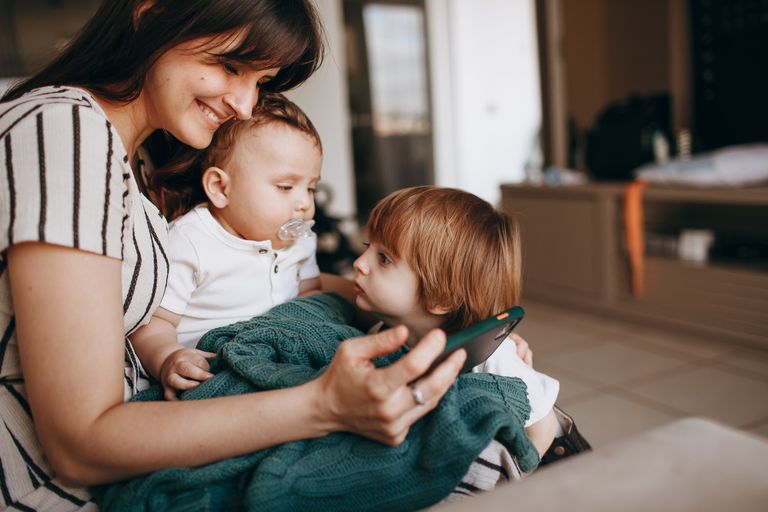
The woman, sharing her story under the username /u/No_Tax_3852, explained that she is a mother of two young children—a four-year-old and a two-year-old. Over the weekend, she arranged a playdate at the home of her friend, a single mother from an Asian background. Her friend has a two-year-old son, and while he has a biological father who visits occasionally, the dynamics are slightly different due to the complexities of their family situation.
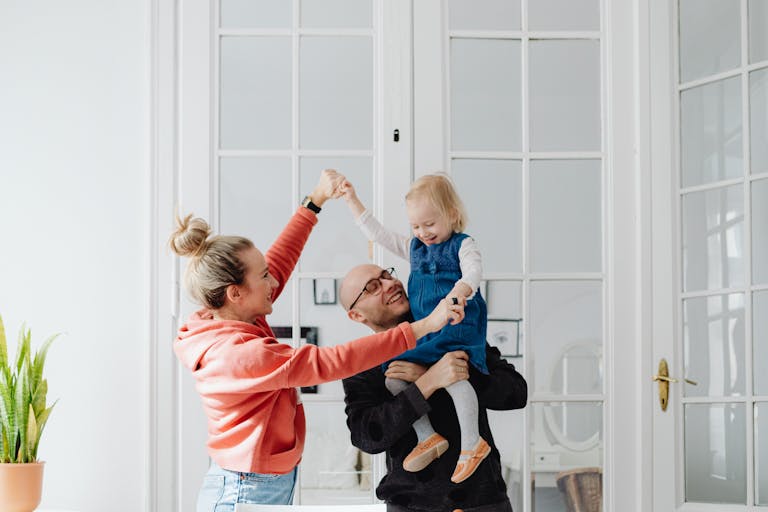
When the woman’s husband, who had been working a 48-hour shift at the hospital, arrived at the playdate later than expected, the atmosphere took an interesting turn. Her children, excited to see their father, ran up to him yelling, “Hi Daddy! I missed you, Daddy!” A sweet moment that any parent would cherish quickly morphed into something unexpected when the young boy, influenced by his friends’ exuberance, began to call the woman’s husband “dada.”
Initially, the woman didn’t think much of it; after all, toddlers are known for echoing phrases they hear, especially when they’re excited. However, as the playdate progressed, her friend began encouraging her son to interact with the woman’s husband by using phrases like “go to daddy” and “play with daddy.” This behavior quickly left the woman feeling uncomfortable and concerned.
The crux of the matter lies in how these labels impact the children involved. The woman felt that while her friend’s actions might have been innocent and perhaps culturally influenced, they were not appropriate given that the little boy already has a father. She noted that her own two-year-old started responding with “no, that’s MY daddy,” adding an extra layer of confusion to the scenario.
The dynamics of parenting often intersect with cultural norms, and in many Asian cultures, it is common for children to refer to adults who are not their relatives as “auntie” or “uncle.” This customary practice can make it difficult for some parents to navigate what feels appropriate in playdate settings, especially when children are involved. However, the woman felt this situation crossed a line given her friend’s son already had a dad, even if their relationship was not ideal.
As the playdate unfolded, the woman was left pondering what she should have done in the moment. Should she have spoken up? Should she have corrected her friend’s son or perhaps addressed her friend’s comments directly? The swirling thoughts of how to handle the situation left her feeling uncertain and frustrated.
Decoding the right approach to these parenting dilemmas can be daunting. While some parents might choose to stay silent to avoid confrontation or upsetting the dynamics of the friendship, others might feel compelled to voice their concerns. The tricky part is balancing honesty with sensitivity, especially when it comes to friendships forged through shared parenting experiences.
In her Reddit post, the woman sought advice on how to address the situation moving forward. She expressed a desire to clarify boundaries while maintaining a friendship with her friend, all while ensuring her children don’t grow up confused about the complexities of parental titles. It seemed less about laying down the law and more about finding a way to navigate a delicate situation that felt uncomfortable and confusing for both her and her child.
This story resonates with many parents who have encountered similar situations, where cultural differences and personal boundaries intersect in unexpected ways. It serves as a reminder that playdates, while often a source of joy and friendship, can also lead to complex social interactions that require careful consideration and openness.
As parents navigate through the ups and downs of childhood experiences, they often find themselves learning just as much from their children as their children learn from them. Whether through miscommunications or cultural misunderstandings, the journey of parenting is full of surprises. And in the end, it’s the discussions, adjustments, and learning that often help parents and friends grow together.
More from Cultivated Comfort:
- 7 Vintage Home Items From the ’60s That Are Collectors’ Dream Finds
- 7 Vintage Home Goods That Became Collectors’ Gold
- 7 Fast-Food Chains That Changed for the Worse
- 7 Frozen Dinners That Were Better Back in the Day