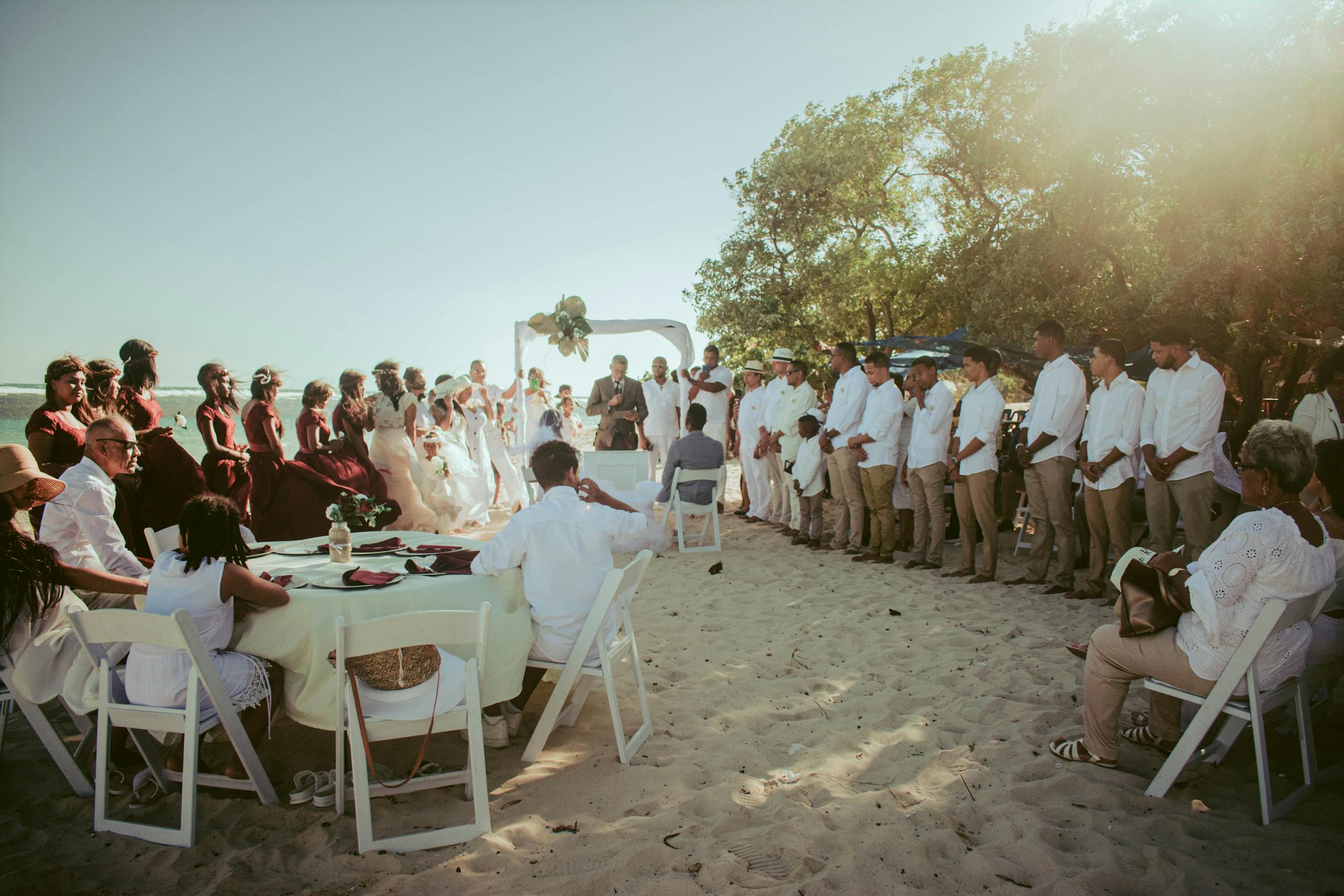
In a world rich with diverse cultures and traditions, weaving together different beliefs can be a complicated task—especially when it comes to significant life events like weddings. This was the reality for one woman, who, while preparing for her long-awaited destination wedding, found herself navigating the emotional waters of grief and cultural expectations after a family loss on her fiancé’s side.

The couple, both in their early thirties, had been in a relationship for over 13 years. Despite the hurdles posed by their differing cultures and religions, they had worked tirelessly to build a life together, often leaning on pre-marital counseling to address the cultural differences that had once created a rift between the woman and her fiancé’s family. After years of feeling largely unaccepted, they were finally at a point where both families seemed to embrace their union, or so they thought.
Unfortunately, their wedding plans took an unexpected turn when tragedy struck. Just a few weeks before their destination wedding, her fiancé’s uncle passed away. The woman’s future father-in-law, deeply affected by the loss, began pressuring the couple to cancel their wedding. In his culture, mourning rituals dictate that large celebrations be postponed for an extended period after a death—a tradition that often stretches for up to a year. The father was adamant that the focus should be on grieving rather than celebrating, creating a significant rift between the couple’s desires and the family’s expectations.
The bride-to-be found herself caught in a whirlwind of emotions. On one hand, she respected the grieving process and understood the weight of familial expectations, but on the other hand, she and her fiancé felt they had waited long enough for this moment. Canceling the wedding felt like a regression to her; it was as if they would be compromising their happiness yet again to fit into the expectations of his family. After so many years of waiting for acceptance, asking them to cancel felt like a step back into the shadows of cultural conflict.
While the couple was determined to move forward with their wedding plans, the request from her future father-in-law began to take a toll. He was not only asking them to cancel the event, but he also proposed alternative arrangements, suggesting they have a smaller, local wedding instead. He told her fiancé that if they proceeded with the planned wedding, he would not participate joyfully; there would be no dancing, music, or celebration to honor the solemnity of the occasion. These terms felt deeply conflicting to the couple, who had envisioned their wedding as a joyful celebration of their love.
In the face of pressure and guilt, the couple decided they needed to have a heartfelt conversation with his parents. They wanted to express how important the wedding was to them—not just as a celebration of love, but also as a culmination of years spent overcoming cultural barriers. However, with each passing day, the weight of their future father-in-law’s grief and his plea for them to reconsider their plans started to create a sense of guilt and shame for both, clouding the joy they had once felt about the upcoming nuptials.
The narrative spiraled into a common dilemma for many couples who navigate familial expectations and cultural traditions in crafting their own lives. The woman was left wondering: were they being insensitive by wanting to celebrate their love despite the recent tragedy? Was it wrong to want to uphold their plans when everyone around them was steeped in mourning?
As the wedding date crept closer, the couple was faced with an emotional tug-of-war. They needed to balance their desire for happiness with respect for the family’s traditions. It was a crossroads that many couples might find themselves at, where the joy of one’s union collides with the sorrow of loss, leaving both parties feeling trapped in an emotional quagmire.
Ultimately, the couple began to understand that while they deeply respected the grieving process that the family was going through, they also needed to honor their own journey. They hoped that through open communication, mutual respect, and understanding, they could find a way to navigate this painful moment together without suppressing their own happiness.
More from Cultivated Comfort:
- 7 Vintage Home Items From the ’60s That Are Collectors’ Dream Finds
- 7 Vintage Home Goods That Became Collectors’ Gold
- 7 Fast-Food Chains That Changed for the Worse
- 7 Frozen Dinners That Were Better Back in the Day