
Living with someone often blurs the line between friendship and obligation, especially when daily life overlaps with finances and personal routines. Small acts of kindness can gradually turn into patterns where one person gives more than they realize, while the other grows comfortable receiving. That imbalance doesn’t always feel urgent at first, but it tends to show up in unexpected ways.
Things become more complicated when money enters the picture in a new form. A simple preference, like choosing where to get your nails done, can suddenly turn into a question about loyalty, support, and fairness. That’s exactly where this situation lands, in a space where something routine quietly shifts into tension between two people sharing both a home and a friendship.
What Happened Between Roommates
Sharing an apartment for a few months had already created a rhythm between the two roommates, though it wasn’t entirely balanced. One of them worked two jobs and handled most of the cooking, cleaning, and grocery shopping, while the other relied heavily on her parents for financial support. That uneven contribution had been acknowledged before, but it wasn’t something that fully disrupted their relationship.
A sense of understanding shaped how things were handled day to day, especially with the added context of ADHD making certain tasks harder for one of them. Instead of constantly pushing for change, the working roommate chose to carry more of the load to keep things peaceful. That decision came with quiet acceptance, even if it wasn’t entirely fair.
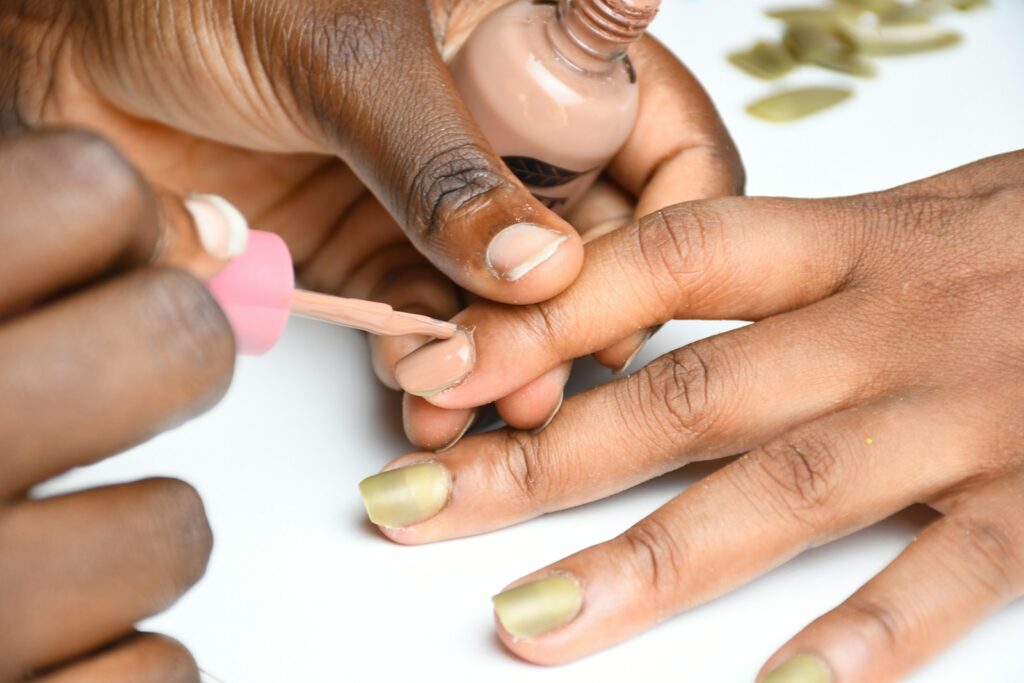
A casual conversation about weekend plans shifted the tone unexpectedly. Mentioning a busy schedule that included getting eyebrows threaded and nails done seemed harmless, but it opened the door to a suggestion that quickly became uncomfortable. The roommate offered to provide those services herself, framing it as both a helpful gesture and a way to earn money.
The Suggestion That Didn’t Sit Right
The offer didn’t remain light for long, even though it started that way. A joking tone quickly turned into something more serious, with the roommate asking if she should feel offended by the decision to go to a salon. That subtle pressure changed the interaction from a simple suggestion into something that felt more like an expectation.
Professional qualifications added another layer to the situation, since the roommate was technically licensed in cosmetology. That detail made it harder to dismiss the offer outright, even though the quality and style of her work didn’t align with what the other roommate preferred. Personal comfort and trust in established services played a bigger role than credentials alone.
Practical concerns also made the idea less appealing. Watching how long it took her to do her own nails, along with the mess it created, raised doubts about whether the experience would feel relaxing or stressful. Hygiene concerns about tools and workspace added to that hesitation, reinforcing the decision to stick with familiar options.
When It Became More Than Just Nails
The situation didn’t exist in isolation, which made it heavier than it seemed on the surface. Financial imbalance in the household had already created a quiet sense of responsibility for one roommate, who was covering more than her share of daily expenses. That context made the idea of paying for services feel more complicated than a normal transaction.
A lingering feeling of obligation crept in, especially with the suggestion framed around needing money. Turning down the offer risked coming across as unsupportive, even though the decision was rooted in preference and comfort. That tension made it harder to respond honestly without worrying about how it would be received.
Past reactions added to the pressure, since the roommate had already shown frustration about salon visits before. That pattern suggested this wasn’t a one-time comment, but part of an ongoing expectation. What could have been a simple “no” started to feel like a decision with emotional consequences.
Why This Situation Feels So Awkward
Mixing personal relationships with paid services often creates a difficult dynamic to navigate. Money introduces expectations, and those expectations can strain friendships when things don’t go as planned. What should be a straightforward choice becomes layered with feelings about support and fairness.
There’s also a difference between helping someone and being responsible for them. Covering groceries and household items blurred that line, making it harder to separate generosity from obligation. Adding another financial layer through paid services made the boundary even less clear.
Personal care routines carry their own meaning, especially when they double as a form of relaxation. Choosing a salon isn’t just about the final result, it’s also about the experience itself. Trying to recreate that in a shared living space changes the dynamic, turning something enjoyable into something that feels transactional.
How People Reacted to the Situation
A strong wave of responses focused on the imbalance already present in the living arrangement, with many pointing out that the nail issue was only part of a larger pattern. That concern showed up clearly when Usual-Dragonfly3791 described the situation as “living for free at your expense,” reflecting how others viewed the dynamic as unsustainable.
The importance of personal choice came up repeatedly, especially around how someone chooses to spend their own money. That perspective appeared in reactions like throwaway2117000, who noted, “You go to the salon for experience and to relax,” reinforcing the idea that the decision wasn’t just about the service itself but about the overall experience tied to it.
Others focused on boundaries, suggesting that blending friendship with paid services could create long-term issues. That sentiment was echoed by SleepyDeluxe, who pointed out, “You want to keep friendships separate to services,” framing the situation as less about rejecting help and more about protecting the relationship from unnecessary strain.
More from Cultivated Comfort: