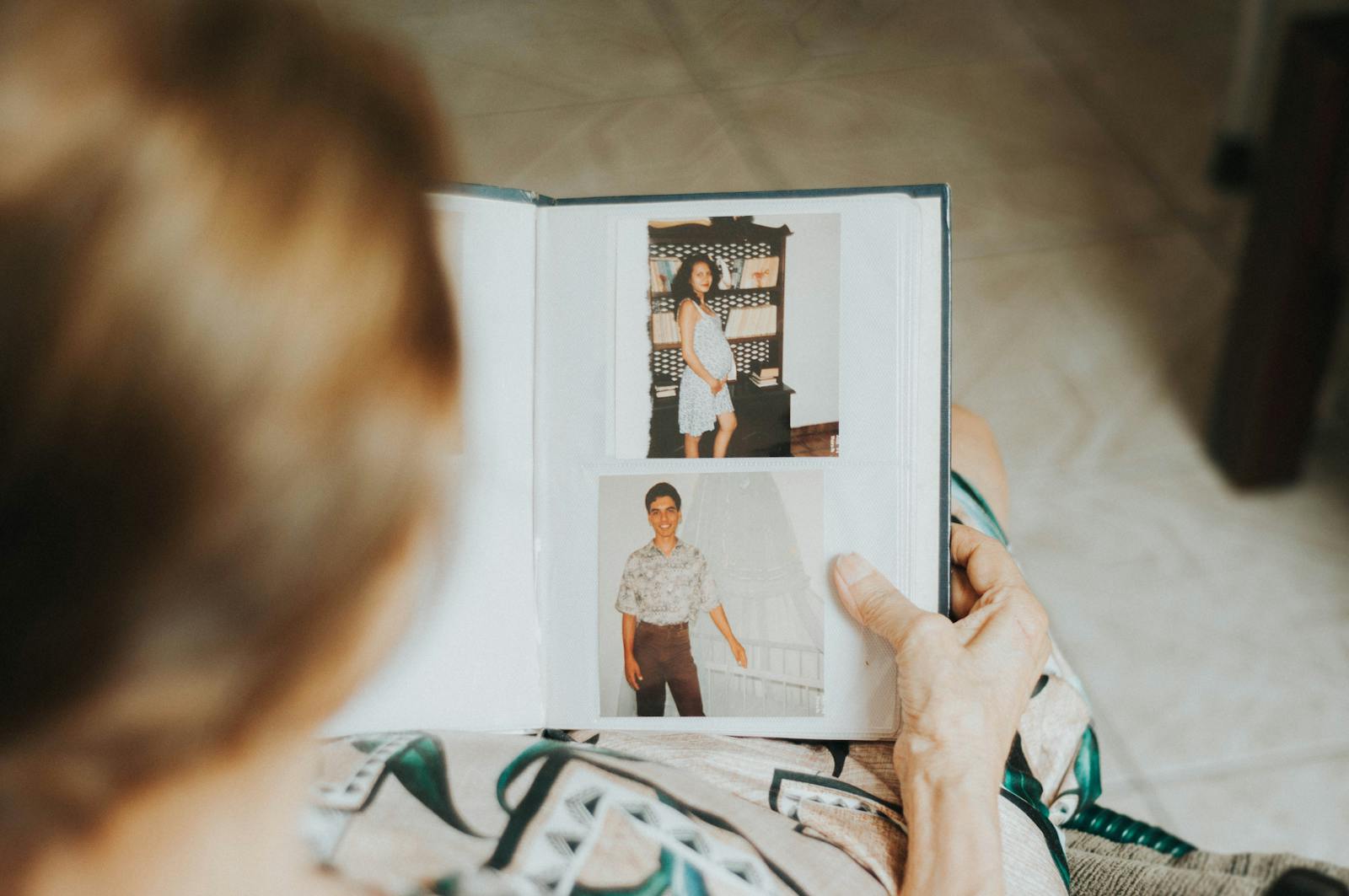
There’s something especially charged about family dynamics, especially when it comes to issues surrounding grief, inheritance, and memories. A woman, let’s call her Anna, recently found herself caught in just such a web when she received a set of photos of her late mother from her stepmother. The photos, showcasing her mother’s vibrant youth alongside her friend—a maid of honor at her wedding—were both a treasure and a potential trigger for familial unrest.
Anna’s relationship with her siblings had soured over the years. While her sister, the eldest, had always felt entitled to the lion’s share of anything related to their family history, Anna was far less willing to play into that narrative. Her sister’s behavior had forced Anna into a position of low contact or even no contact when necessary. Add to that the ongoing entitlement and drama surrounding family heirlooms and memories, and Anna was left weary of familial obligations.
After receiving the photos, Anna found herself wrestling with her next steps. She was a minimalist at heart, preferring to keep items to a minimum and digitizing memories rather than hoarding physical copies. The natural course of action would be to scan the photos for her own keepsake and then figure out what to do with the originals. Her initial thought was to drop the originals in her sister’s mailbox. That seemed the most straightforward solution, albeit one that wouldn’t come without its own set of complications.
When discussing the situation with her stepmother, she received a surprising amount of support. “Well, I gave them to you,” her stepmother said, a clear nod to Anna’s autonomy over the photos. This was all Anna needed to hear; it made the decision to keep the photos more appealing. Yet, there was a nagging feeling in the back of her mind about how her siblings would react if they found out she was holding them back. Would it trigger an all-out war? Would her sister demand access, or worse, accuse Anna of keeping cherished memories hostage?
On one hand, Anna felt justified in wanting to keep the photos. After all, she had distanced herself from her siblings for good reason. They had treated her poorly in the past; why should she concede to what they might want? On the other hand, there were valid reasons to consider sharing the images:
- She didn’t need the originals; she had scanned them for herself.
- A sense of dread loomed over her thinking about the inevitable fallout if her siblings discovered she had something they believed was theirs.
- Convenience was a factor; her sister lived the closest, making it easy to drop them off.
- Adding a layer of complexity was the fact that the woman pictured alongside her mother was her sister’s godmother, making the images significant for her sibling as well.
However, it was hard to shake off the irritation towards her siblings. Throughout the years, their behaviors had soured many moments that could have been filled with joy and love. What really weighed on Anna was the concern that sharing the photos could be misconstrued as an olive branch when that was the last thing she wanted. She didn’t want to reward their past bad behavior, nor did she want to start a war over something that should have been a simple act of sharing memories.
As she mulled over her decision, it became increasingly clear that either option would come with its own complications. If Anna kept the photos, she might face backlash or resentment from her siblings, should they ever find out. If she shared them, she could risk reopening a can of worms that had been better left closed. It was a classic case of choose-your-own-adventure, yet neither path was without its pitfalls.
Ultimately, Anna weighed both sides, thinking about her desire for peace against the principle of protecting her boundaries. The thought of conflict made her wince, but so did the idea of handing over something so meaningful to people who had undermined her for years. The dilemma raged on within her: Should she uphold her autonomy or appease the family unit for the sake of avoiding drama? Anna’s story is a reminder that family dynamics can complicate even the simplest of choices, leaving many wondering just how valuable peace truly is.
More from Cultivated Comfort:
- 7 Vintage Home Items From the ’60s That Are Collectors’ Dream Finds
- 7 Vintage Home Goods That Became Collectors’ Gold
- 7 Fast-Food Chains That Changed for the Worse
- 7 Frozen Dinners That Were Better Back in the Day