

Luxury used to be easy to spot, because you could see it in shopping bags, designer labels, and the kind of things people brought back from a trip. In a TikTok video, @curated_by_molly suggests that definition is quietly changing, and not in an obvious or dramatic way. The focus is moving away from what you buy and toward what you actually do while you’re away, which makes the experience itself feel more important than anything you could take home.
That shift becomes more noticeable once you start paying attention to how people talk about their trips. Conversations are less about purchases and more about moments, whether it’s a cooking class in a small town or learning something specific to a place. The value starts to sit in the experience rather than the object, because stories tend to last longer than things. It changes what feels memorable and what people choose to highlight afterward.
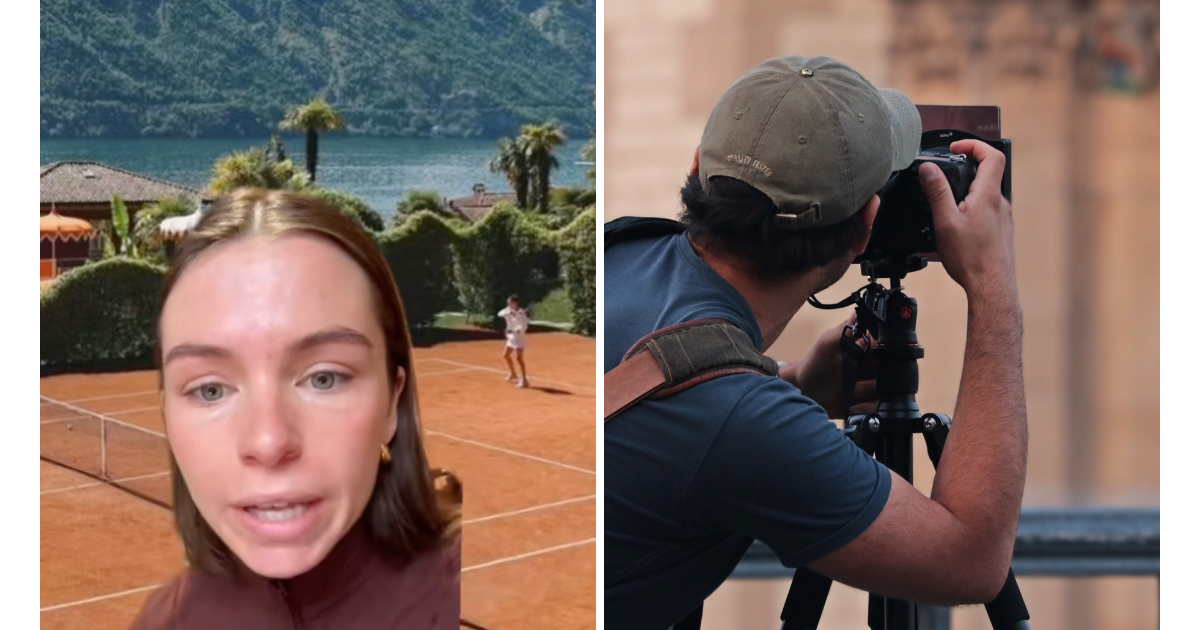
What the Video Highlights
She introduces the idea with a simple comparison, participation over possession, which immediately reframes what luxury can look like. Instead of centering luxury around shopping or visible displays, she points to experiences that involve being present and actively engaged. It becomes less about observing something beautiful and more about being part of it, which creates a different kind of connection.
The examples she shares are practical and easy to picture, which makes the idea feel accessible rather than abstract. Things like joining a local workshop, learning a traditional craft, or spending time in spaces that aren’t designed purely for tourists all fall into this category. These moments tend to feel more personal and less scripted, which is part of why they stand out long after the trip ends.
There’s also an emphasis on how these choices shape the overall trip, rather than just filling time. Instead of packing an itinerary with as many stops as possible, the focus shifts toward depth and intention. Doing fewer things but experiencing them more fully becomes part of what defines the trip.
Why “Doing” Feels More Valuable Now
One reason this shift stands out is because people are starting to value stories over stuff in a much more obvious way. A bag or item might be useful or even beautiful, but it rarely holds attention the same way an experience does when you talk about it later. Being able to say you learned something or tried something new tends to stay with people longer, and it often makes conversations more engaging.
There’s also a sense of effort involved in these kinds of experiences that makes them feel more meaningful. Participating in something requires time, attention, and sometimes stepping out of your comfort zone, which adds a layer of intention. That effort makes the experience feel more earned, and that feeling contributes to its value.
This doesn’t mean shopping disappears completely or becomes irrelevant. It simply becomes less central to the idea of luxury, especially for people who are looking for something more lasting. What matters more is how the trip feels while it’s happening and what stays with you afterward.
The Rise of “Quiet” Travel Choices
Another part of this shift is how understated everything has become, especially in the way people define high-end experiences. Instead of loud, highly visible luxury, there’s more focus on things that don’t immediately stand out but feel thoughtful and intentional. A smaller, well-designed stay or a carefully planned experience can feel more refined than something overly extravagant.
Sustainability also plays a role in shaping these choices, as more travelers start to think about the impact of their trips. Choosing eco-friendly stays or supporting local businesses becomes part of what makes the experience feel complete rather than just comfortable. These decisions add another layer of meaning without making the trip feel complicated.
These choices don’t always look impressive at first glance, especially compared to traditional ideas of luxury. Over time, though, they tend to feel more meaningful because they connect more closely to the place and the experience itself. The focus moves from showing luxury to actually feeling it in a quieter way.
Why This Feels Like a Different Kind of Status
What’s interesting is how this shift changes what people notice and talk about when it comes to travel. Instead of asking what someone bought, the conversation starts to revolve around what they did, what they learned, and how the experience felt. The details become more personal, which makes them harder to replicate and more interesting to share.
It also creates a different kind of impression that feels less about display and more about depth. Someone who can navigate a place, engage with it, and come back with specific experiences tends to stand out in a quieter but more lasting way. That kind of presence doesn’t rely on visible markers in the same way traditional luxury often does.
This doesn’t mean one approach replaces the other completely or that traditional luxury disappears. It simply shows how the idea of luxury is expanding to include different forms of value. There’s more room for interpretation, especially as priorities continue to shift.
Would You Travel Differently Because of This?
Thinking about travel in this way can change how a trip is planned from the very beginning. Instead of focusing on what to buy or where to be seen, the attention moves toward what you want to experience and how you want to feel during the trip. That shift can make travel feel more intentional without necessarily making it more complicated or expensive.
At the same time, not everyone approaches travel in the same way, and that difference is part of what makes the conversation interesting. Some people still enjoy the traditional side of luxury, while others are drawn to more immersive and experience-driven trips. Both approaches can exist at the same time without canceling each other out.
So the question becomes more personal than universal. Would you start choosing trips based on what you can experience and take part in, or would you stick with what already feels familiar and comfortable?
More from Cultivated Comfort:
- 7 Vintage Home Items From the ’60s That Are Collectors’ Dream Finds
- 7 Vintage Home Goods That Became Collectors’ Gold
- 7 Fast-Food Chains That Changed for the Worse
- 7 Frozen Dinners That Were Better Back in the Day
