As we approach the festive season, it’s time to start thinking about how we can save on our holiday grocery shopping. By making simple swaps, we can keep our wallets happy without compromising on the quality of our festive meals. Here are 10 money-saving grocery swaps to consider this holiday season.
1. Swap Fresh Herbs for Dried Herbs

Fresh herbs can be expensive and they don’t last long. Opt for dried herbs instead. They’re cheaper, last longer, and bring a concentrated flavor to your dishes. Plus, they’re always available, making them a convenient choice.
2. Choose Seasonal Produce Over Imported Ones
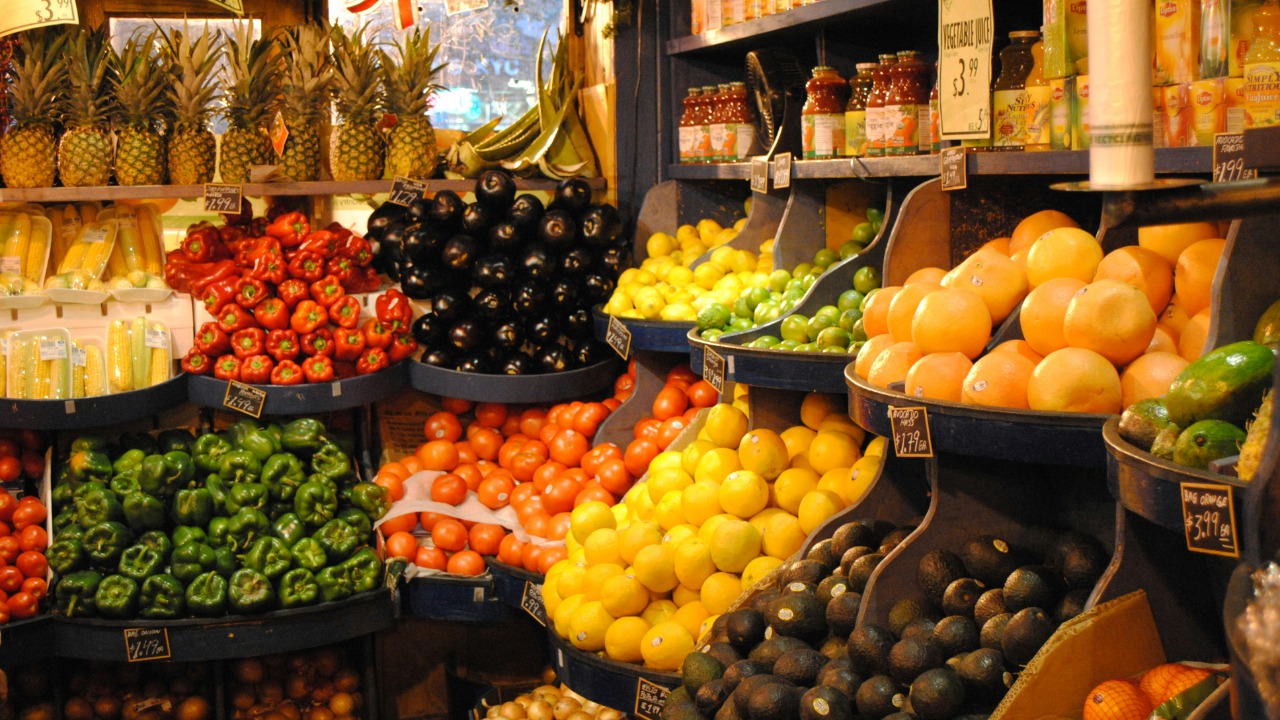
Seasonal fruits and veggies are often cheaper and fresher than their imported counterparts. Moreover, sticking to seasonal produce supports local farmers and reduces your carbon footprint.
3. Opt for Generic Brands Instead of Name Brands

Generic brands often offer the same quality as name brands but at a fraction of the price. They cut the marketing and branding costs, which reflects on their pricing. Give them a try, you might be pleasantly surprised.
4. Replace Meat with Plant-Based Proteins
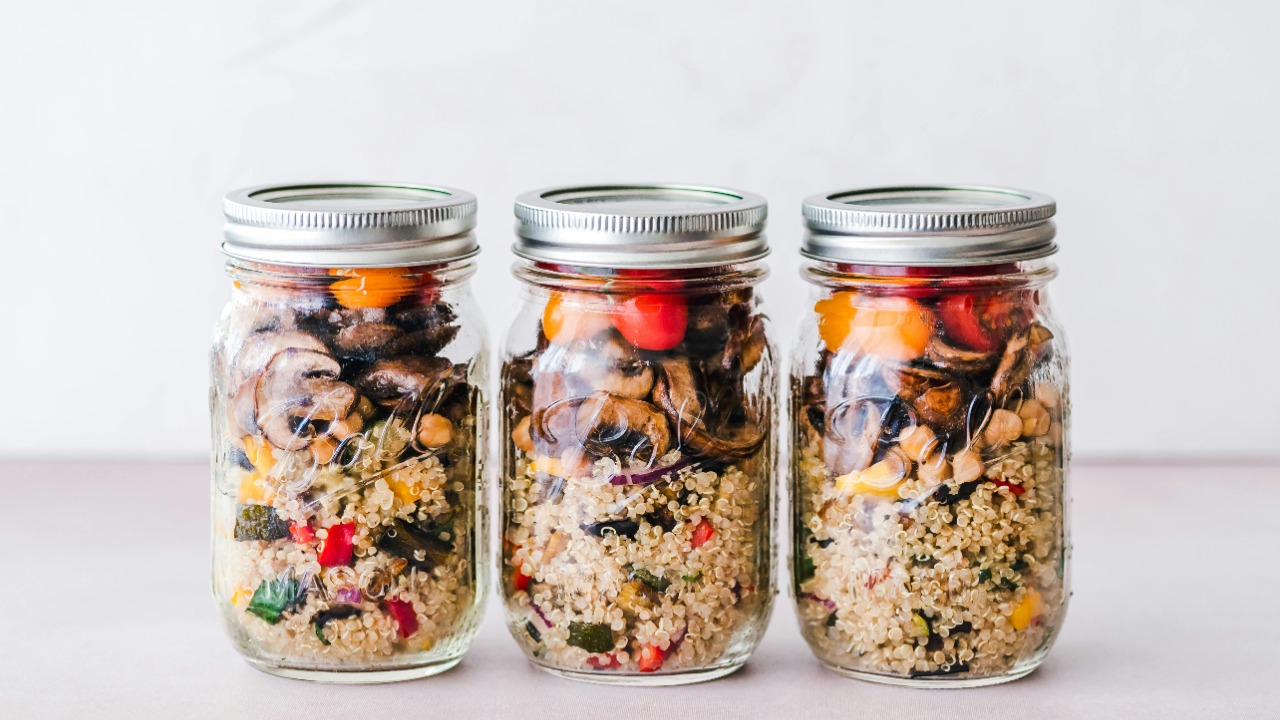
Consider swapping some meat dishes with plant-based proteins like lentils, chickpeas, or tofu. They’re cheaper, healthier, and equally satisfying. Plus, they’re a great way to incorporate diversity in your meals.
5. Select Whole Grains Instead of Refined Ones

Whole grains like brown rice, quinoa, and whole wheat bread are healthier and more filling than their refined counterparts. They might be a bit pricier upfront, but because they’re more satisfying, you’ll eat less and save more in the long run.
6. Swap Sugary Snacks with Homemade Treats

Store-bought sugary snacks can add up quickly on your grocery bill. Try making your own treats at home. It’s a fun activity, you control the ingredients, and it can save you a lot of money.
7. Choose Bagged Produce Over Pre-Cut Options
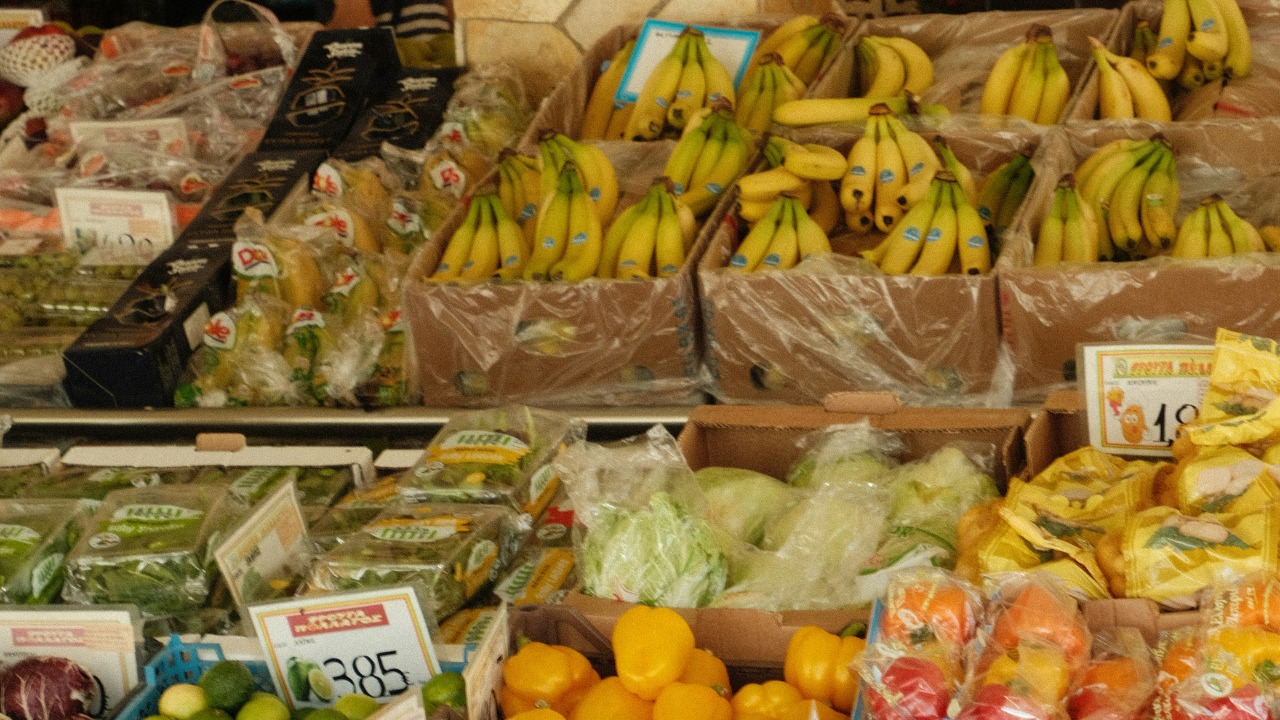
Pre-cut fruits and veggies can be convenient but they’re often more expensive. Choose whole produce and take a few extra minutes to prepare them yourself. This can lead to significant savings.
8. Trade Bottled Water for a Reusable Filter

Bottled water is not only bad for the environment but also for your wallet. Invest in a good water filter and a reusable bottle. This swap will pay for itself within weeks.
9. Swap Packaged Meals for Homemade Dishes

Packaged meals might save you time, but they’ll cost you more. Cooking from scratch is cheaper, healthier, and often tastier. Start by swapping a few packaged meals per week and notice the difference in your grocery bill.
10. Choose Frozen Vegetables Over Fresh Ones

Frozen vegetables are often cheaper than fresh ones and they’re just as nutritious. They’re also always on hand for a quick addition to any meal.
11. Replace Ready-Made Desserts with DIY Baking Mixes

Ready-made desserts can be pricey. Consider making your own desserts from scratch or using a DIY baking mix. You’ll save money and impress your guests with your homemade creations.
12. Swap Single-Use Items with Reusable Ones

Single-use items might seem cheap but their cost adds up over time. Opt for reusable alternatives like cloth napkins, glass containers, and silicone baking mats. They’re more eco-friendly and cost-effective in the long run.
13. Opt for Bulk Buying Instead of Single Packs
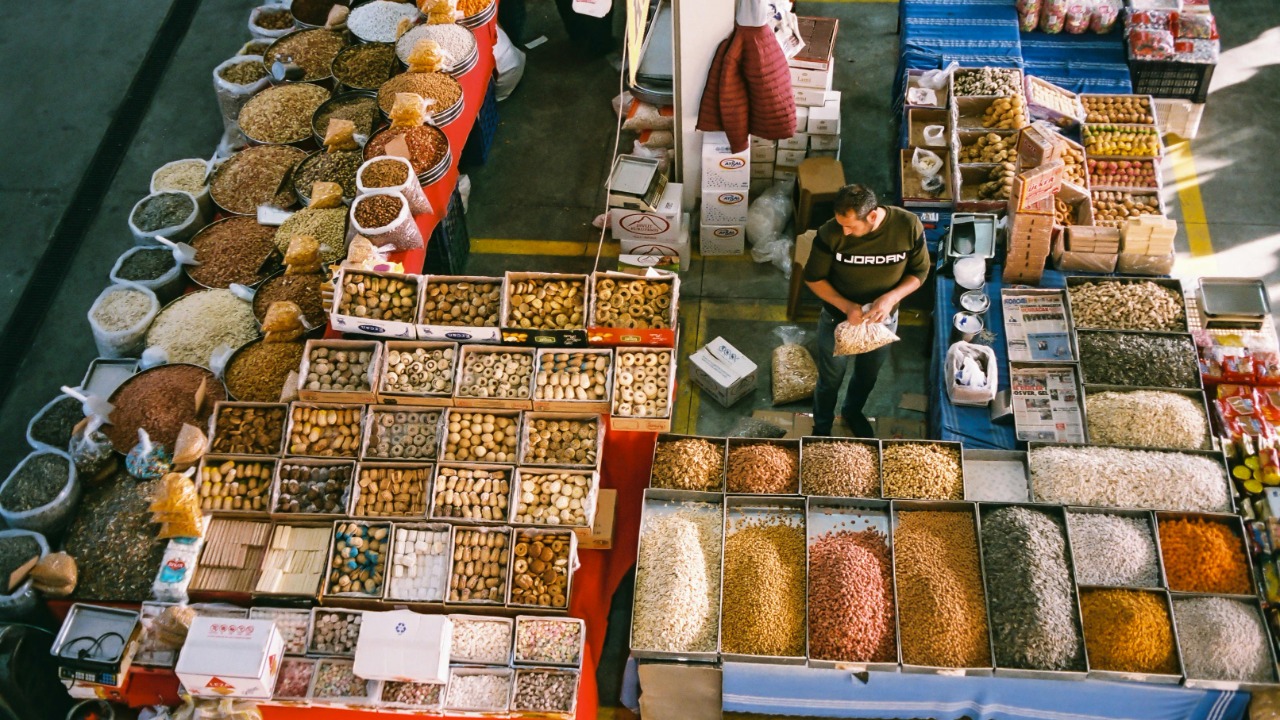
Buying in bulk is often cheaper per unit than buying single packs. This is particularly true for non-perishable items like canned goods, grains, and spices. Just make sure you have enough storage space.
14. Choose Store Loyalty Cards Over One-Time Coupons
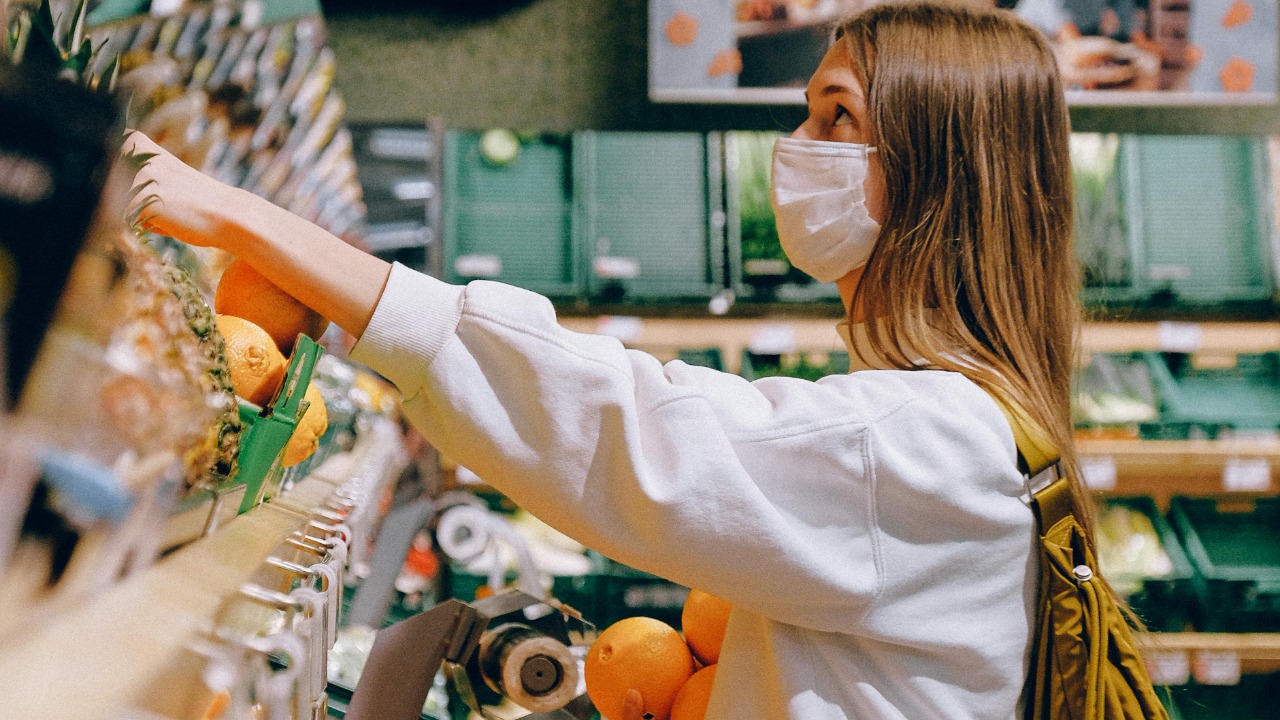
Store loyalty cards can offer ongoing discounts and rewards, making them a better choice over one-time coupons. Register for free at your local grocery store and start reaping the rewards.
15. Swap Canned Goods for Dried Alternatives

Swap canned beans and veggies for their dried or fresh alternatives. They’re cheaper, healthier, and have a longer shelf life.
16. Replace Specialty Cheeses with Basic Ones

Specialty cheeses can be pricey. Opt for basic varieties like cheddar or mozzarella which are often cheaper and just as tasty. Save the fancy cheese for special occasions.
17. Trade Expensive Seafood for More Affordable Fish

Instead of splurging on expensive seafood like salmon or shrimp, opt for more affordable options like mackerel or catfish. They’re equally nutritious and can be just as delicious with the right recipe.
18. Swap Soda with Homemade Infused Water

Not only is soda expensive, but it’s also loaded with sugar. Swap it for homemade infused water. It’s healthier, refreshing, and practically free.
19. Choose Locally Sourced Products Over Imported Ones
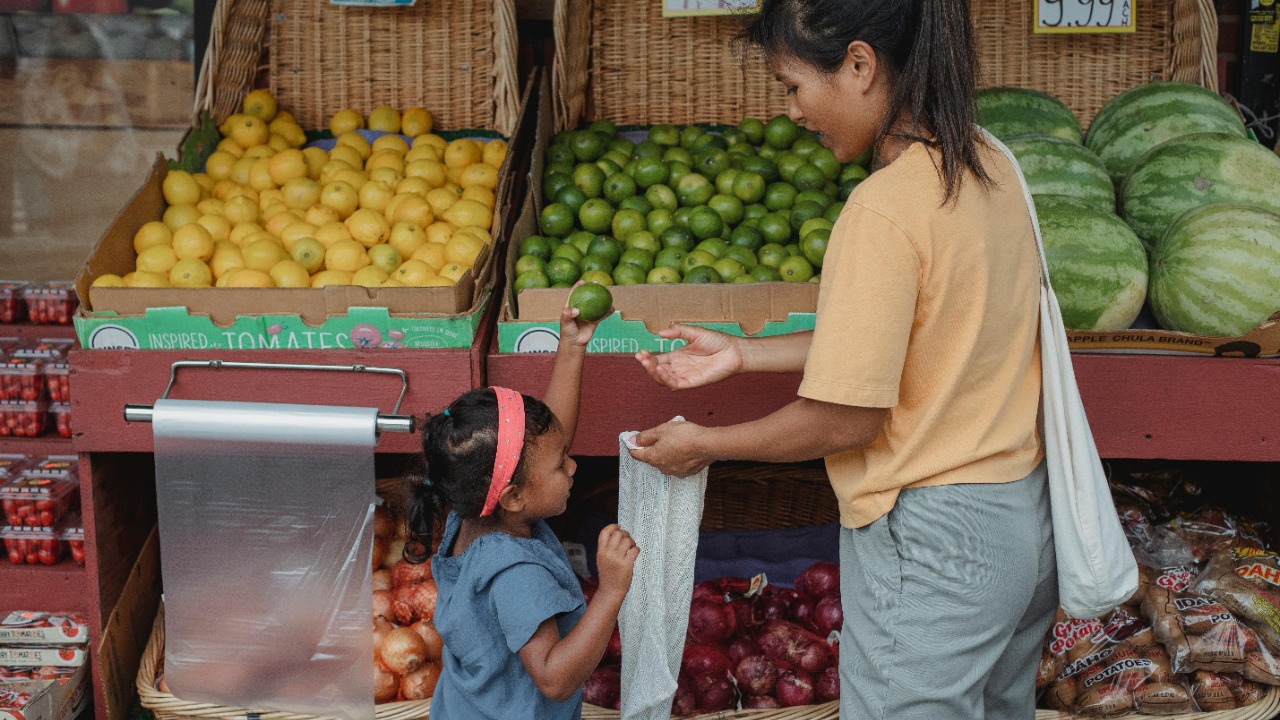
Locally sourced products are often cheaper than imported ones. Plus, they support local businesses and are fresher since they don’t have to travel long distances.
20. Swap Convenience Foods with DIY Meal Prep
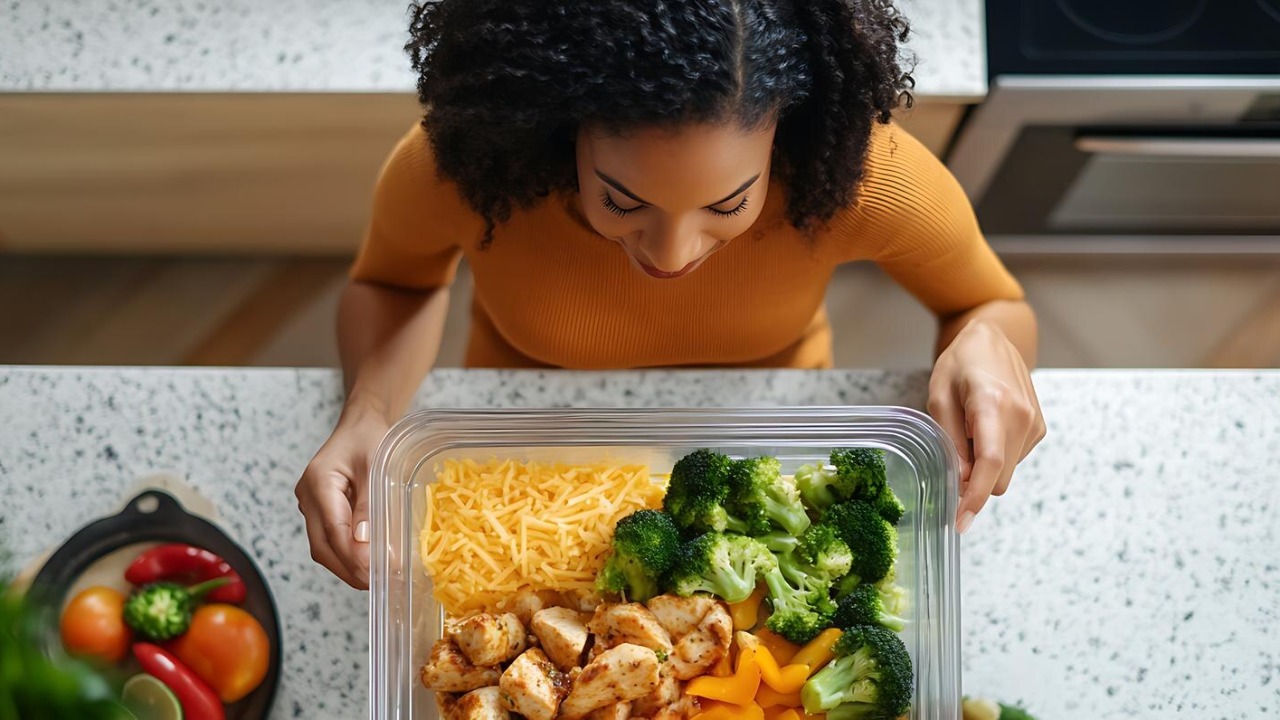
Convenience foods might save you time, but they’re often more expensive and less healthy. Try meal prepping at home. You’ll save money, eat healthier, and have more control over your portions.

As a mom of three busy boys, I know how chaotic life can get — but I’ve learned that it’s possible to create a beautiful, cozy home even with kids running around. That’s why I started Cultivated Comfort — to share practical tips, simple systems, and a little encouragement for parents like me who want to make their home feel warm, inviting, and effortlessly stylish. Whether it’s managing toy chaos, streamlining everyday routines, or finding little moments of calm, I’m here to help you simplify your space and create a sense of comfort.
But home is just part of the story. I’m also passionate about seeing the world and creating beautiful meals to share with the people I love. Through Cultivated Comfort, I share my journey of balancing motherhood with building a home that feels rich and peaceful — and finding joy in exploring new places and flavors along the way.