If you have vintage rugs around, you might wonder if they’re all worth the effort of cleaning. Not every old rug holds up well to washing or restoration, and some can actually lose value or get damaged if you try.
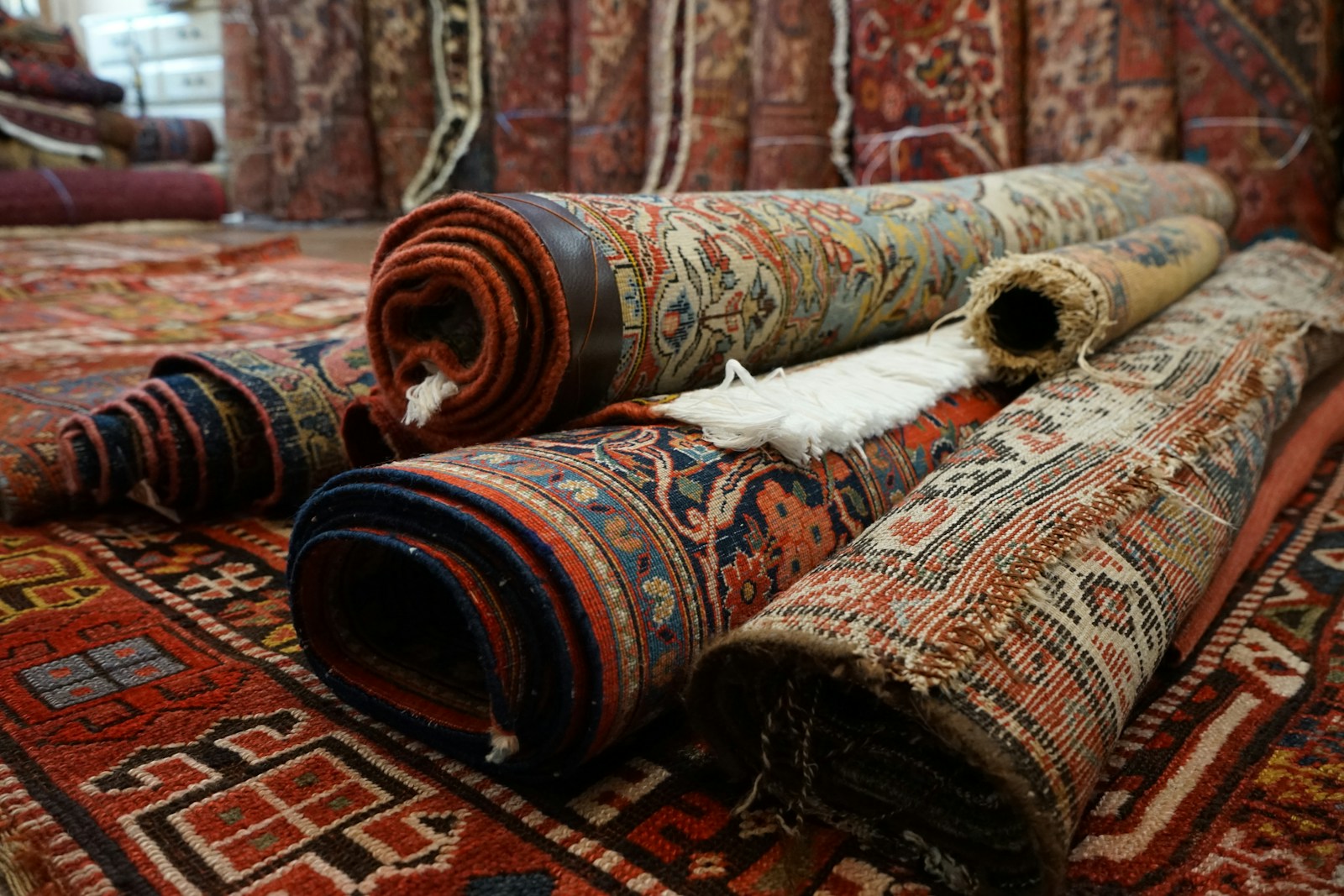
Knowing which vintage rugs aren’t worth cleaning can save you time, money, and heartbreak. It’s not just about dirt or stains—some materials or designs are too fragile or rare for DIY or even professional cleaning without risk.
Heavily damaged antique rugs with large holes
If your vintage rug has big holes, cleaning won’t fix the main problem. These gaps break the structure, making the rug unstable and tough to restore properly.
Even with professional repair, large holes often mean the rug can’t hold its shape or value. You might end up spending more on restoration than the rug is worth.
In cases like this, it’s usually better to focus on preserving smaller, less damaged rugs instead of risking time and money on heavily damaged ones.
Rugs with extensive water damage and mold
If your vintage rug has been soaked for days, especially with dirty or stagnant water, cleaning might not save it. Mold grows deep in the fibers and padding, making it tough to fully remove without damaging the rug further.
You could end up with a smell that won’t go away or colors that bleed. When mold is visible or the damage is severe, restoring the rug often isn’t worth the effort or cost. Sometimes, replacement is the safer choice for your home and health.
Vintage rugs with colors that bleed excessively
If your vintage rug has colors that bleed too much, cleaning it can do more harm than good. These rugs often use dyes that weren’t fully set, so water or cleaners cause the colors to run.
Trying to clean these at home risks turning your rug into a messy blur of colors. Unless you’re ready to call a professional, it might be better to leave them as they are or focus on gentle dusting instead.
Fragile silk rugs with threadbare spots
If your silk rug has thin or threadbare areas, it’s best not to clean it yourself. Fragile spots can easily worsen with moisture or scrubbing.
Silk rugs need gentle care, and exposed fibers may break or unravel under stress. Cleaning could cause more damage than good.
You should consider leaving these rugs to professionals who understand the delicate fabric. Otherwise, you risk losing parts of your rug’s design forever.
Rugs missing significant portions of their pile
If your vintage rug has large areas where the pile is gone, cleaning might not be worth it. Missing sections usually mean the rug’s surface is uneven and fragile.
These gaps can be hard to restore without specialized repair. Cleaning could even make the damage more noticeable or cause further wear.
In cases like this, focusing on repair or professional restoration is a better option than a deep clean. That way, you protect what’s left instead of risking more harm.
Heavily stained rugs where dye has faded
If your vintage rug has deep stains and the dye is already faded, cleaning might do more harm than good. The colors could bleed or lighten even more during washing, making the rug look worse.
Plus, stains that have set in for years are tough to remove without harsh chemicals, which might damage delicate fibers. In cases like these, restoration experts often recommend leaving the rug as is or considering professional color correction instead of a standard cleaning.
Rugs with known insect infestation beyond repair
If your rug has serious insect damage, like moths or carpet beetles eating through the fibers, it’s usually not worth cleaning. When bugs have already eaten holes or weakened the structure, the rug can’t hold up after treatment.
Trying to save these heavily infested rugs often leads to more damage and frustration. In cases like this, replacing the rug is usually the smarter choice instead of spending time or money on restoration that won’t last.
Rugs soaked in pet urine causing deep odors
If your vintage rug is soaked in pet urine, the smell can be impossible to get rid of. Urine seeps deep into the fibers and even the padding beneath, where odors hide stubbornly.
Even if you clean the surface, those uric acid crystals stay locked inside. They reactivate when moisture hits, bringing back that nasty smell. For rugs with deep urine damage, especially old ones, cleaning often won’t fix it. In those cases, it’s usually not worth the effort or risk of damaging your rug further.
Extremely faded rugs with almost no pattern left
If your rug’s pattern is barely visible, cleaning probably won’t bring it back. When colors are so washed out that details disappear, restoring the design is nearly impossible.
You might end up exposing worn fibers or causing damage trying to refresh it. Sometimes, the fade becomes part of the rug’s charm, but if you want a clear pattern, it’s better to look for a different piece.
Rugs with deteriorated backing or foundation
If your rug’s backing is falling apart, cleaning might do more harm than good. The foundation supports the entire rug, so damage there means the whole piece is fragile.
When you see frayed edges, holes, or crumbling threads underneath, it’s a sign the rug won’t hold up well to washing. Trying to clean it could cause further unraveling.
In these cases, you’re better off focusing on gentle preservation or consulting a professional rather than a full clean. It’s all about protecting what’s left.
More from Cultivated Comfort:
- 7 Retro Home Features That Builders Should Bring Back
- 7 Antique Finds That Are Surprisingly Valuable Today
- 7 Forgotten Vacation Spots Your Parents Probably Loved
- 6 Boomer China Patterns That Are Selling Like Crazy Online

As a mom of three busy boys, I know how chaotic life can get — but I’ve learned that it’s possible to create a beautiful, cozy home even with kids running around. That’s why I started Cultivated Comfort — to share practical tips, simple systems, and a little encouragement for parents like me who want to make their home feel warm, inviting, and effortlessly stylish. Whether it’s managing toy chaos, streamlining everyday routines, or finding little moments of calm, I’m here to help you simplify your space and create a sense of comfort.
But home is just part of the story. I’m also passionate about seeing the world and creating beautiful meals to share with the people I love. Through Cultivated Comfort, I share my journey of balancing motherhood with building a home that feels rich and peaceful — and finding joy in exploring new places and flavors along the way.