

When it comes to weight loss, everyone seems to have an opinion—and much of the advice floating around is outdated, misleading, or flat-out wrong. From skipping meals to avoiding carbs altogether, these so-called “rules” have been repeated for years without much science to back them up. The truth? Many of these restrictions don’t just fail to help, they can actually make the process harder.
To cut through the noise, we asked experts which weight loss “rules” you can finally stop following. Here are 10 myths you can toss aside—and what actually works instead.
“Rule” 1: You Must Eliminate All Carbs to Lose Weight

Contrary to popular belief, not all carbs are bad. While refined carbs like white bread and pasta should be limited, there’s no need to completely eliminate carbs from your diet. Whole grains, fruits, and vegetables are all rich in carbs and are essential for a balanced diet. So, instead of cutting out all carbs, concentrate on incorporating more healthy, complex carbs into your meals.
“Rule” 2: Skipping Meals Will Help You Shed Pounds Faster
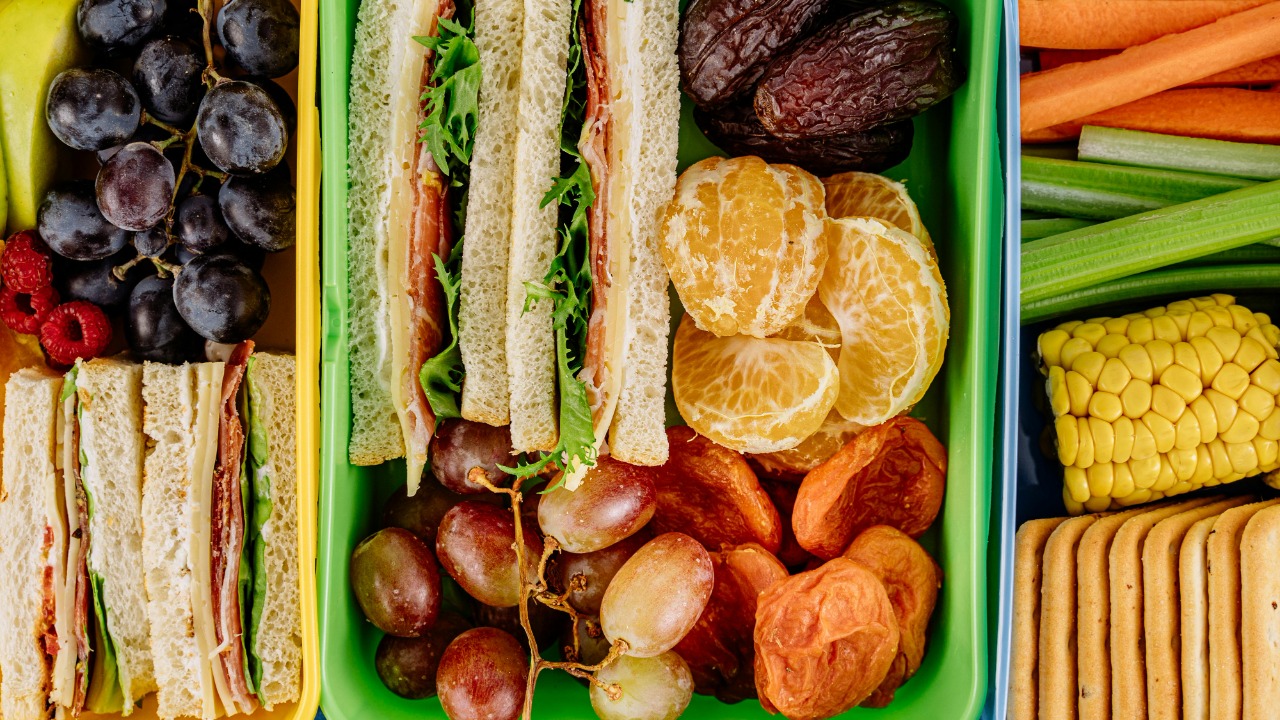
Skipping meals might seem like a quick fix, but it can backfire in the long run. When you miss a meal, your body goes into starvation mode, slowing down your metabolism to conserve energy. This can actually cause weight gain. Instead, focus on eating regular, balanced meals packed with essential nutrients.
“Rule” 3: You Can’t Snack Between Meals

Snacking isn’t the enemy—if done right. Healthy snacks can help keep your metabolism active and prevent overeating during meal times. Opt for protein-rich or fiber-filled snacks like nuts or fruits to keep you feeling full longer. Remember, it’s not about eliminating snacks, but choosing the right ones.
“Rule” 4: You Need to Cut Out All Fats from Your Diet
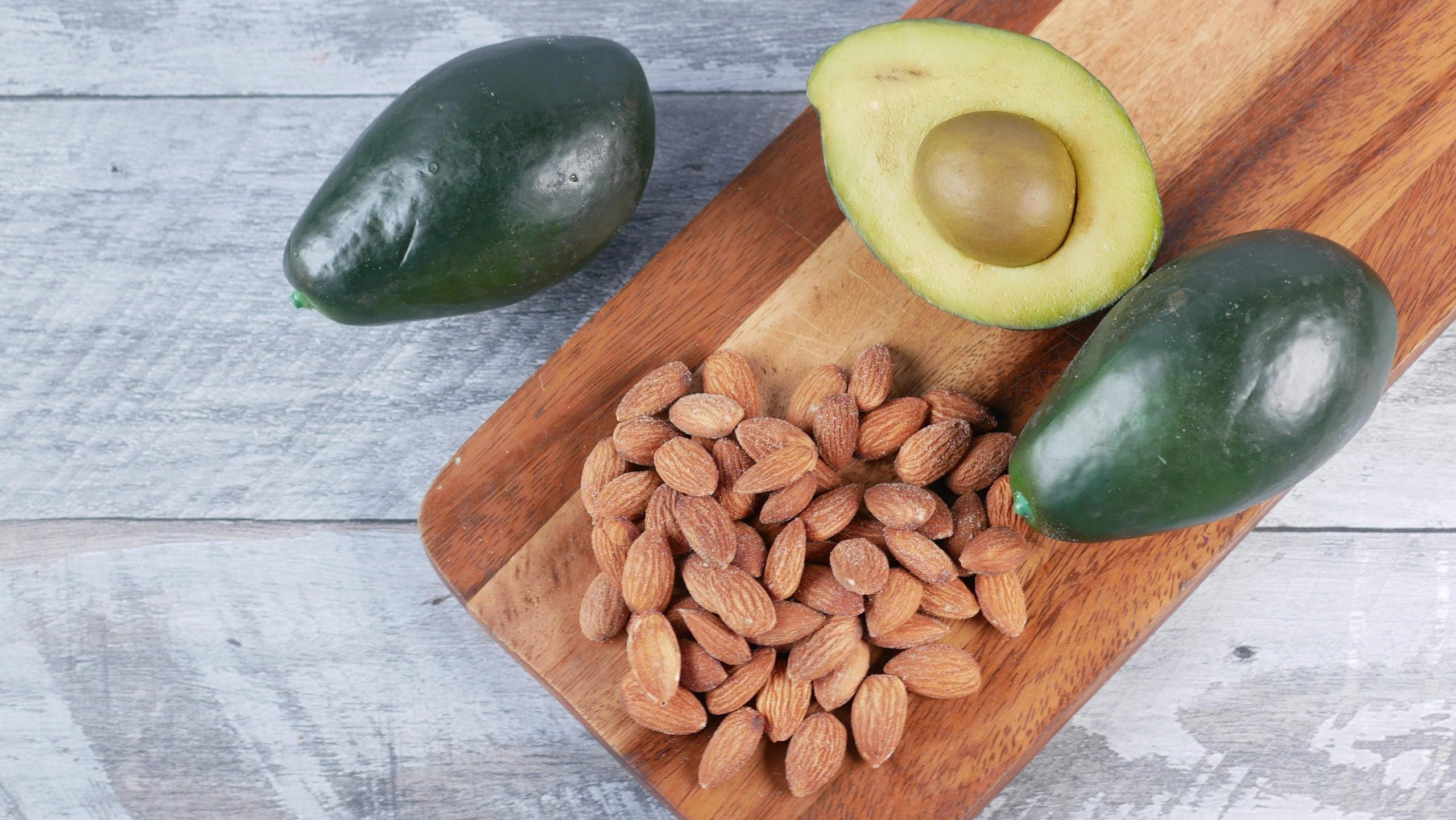
Not all fats are created equal. While trans fats found in junk food can be harmful, unsaturated fats like those found in avocados, olive oil, and fish can actually help with weight loss. These good fats can help you feel satisfied longer, reducing the likelihood of overeating.
“Rule” 5: You Have to Sweat Profusely for a Workout to Be Effective
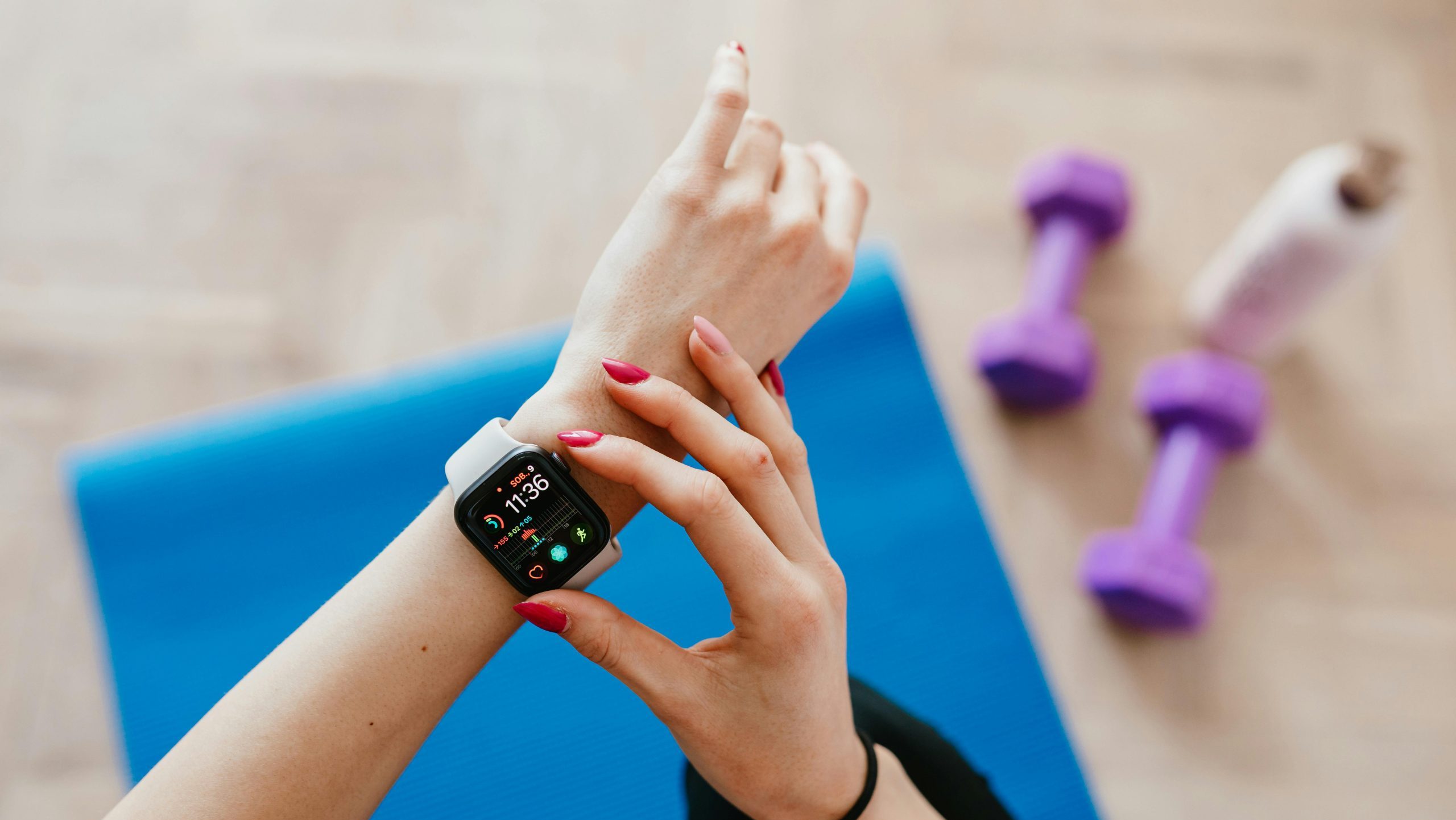
Sweating doesn’t necessarily equate to burning calories. While it’s a sign your body is cooling itself down, it’s not a reliable indicator of how intense your workout was. Instead of focusing on how much you sweat, concentrate on incorporating both cardio and strength training exercises into your routine.
“Rule” 6: You Must Stick to a Fixed Daily Calorie Count
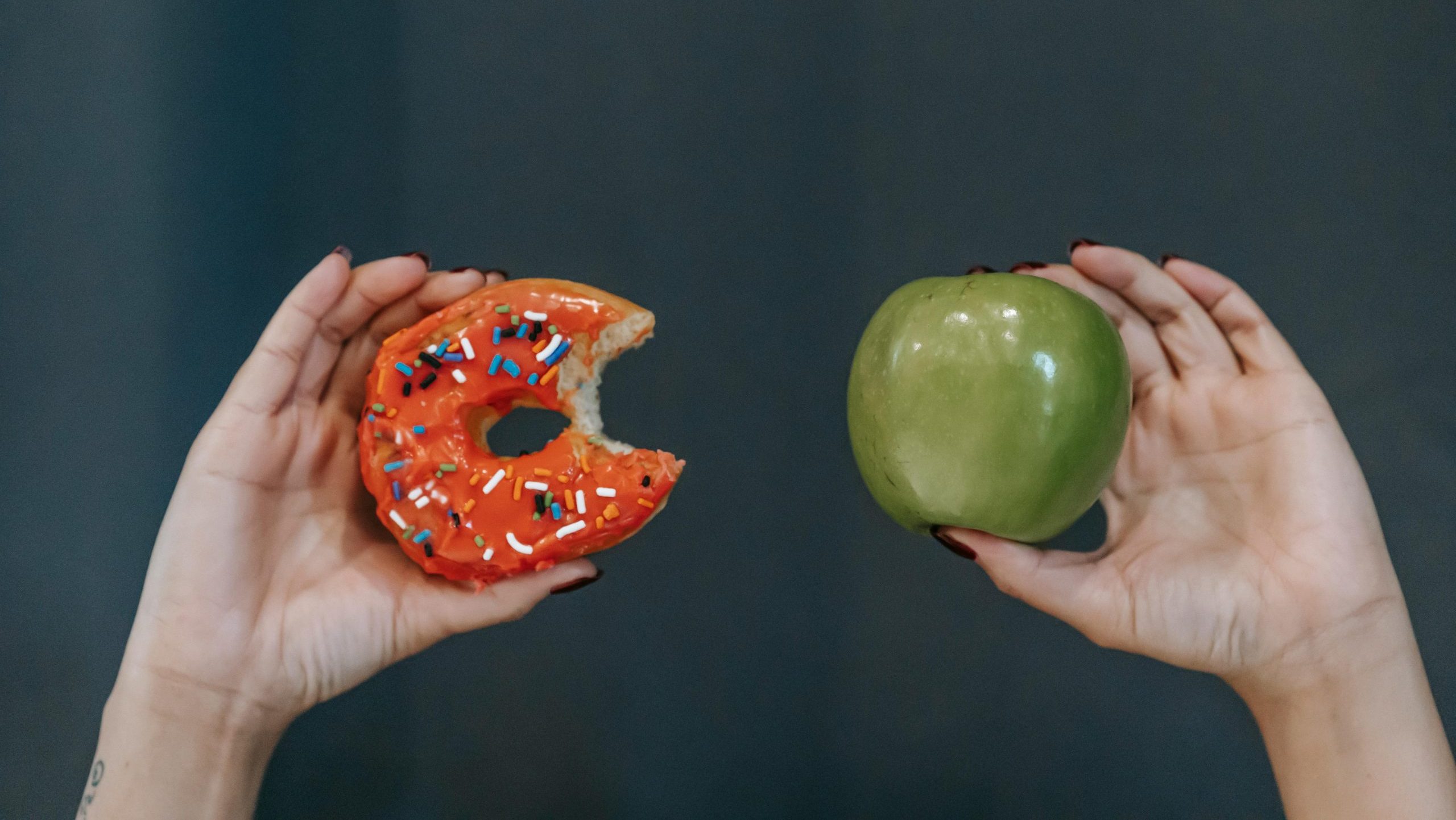
While counting calories can be a useful tool, it’s not a one-size-fits-all solution. The number of calories you need can vary based on factors like your age, gender, activity level, and more. Instead of sticking to a fixed number, try focusing on filling your plate with nutrient-dense foods that make you feel satisfied.
“Rule” 7: Certain Foods can “Burn” Fat

No food can directly burn fat. Some foods can boost your metabolism or help you feel full longer, but they can’t directly burn fat. Weight loss is ultimately about creating a calorie deficit, which means you burn more calories than you consume. So, instead of seeking out ‘miracle’ fat-burning foods, focus on a balanced diet and regular exercise.
“Rule” 8: You Need to Detox or Cleanse Regularly

The concept of detoxing or cleansing your body to lose weight is largely a myth. Your body naturally detoxifies itself through organs such as the liver and kidneys. While certain teas and juices can have health benefits, they’re not necessary for weight loss and can often lead to nutrient deficiencies when overused.
“Rule” 9: You Should Never Eat After 6 PM

It’s not so much about when you eat, but what and how much you’re eating. Late-night meals can lead to weight gain if you’re consuming more calories than you need. However, if you’re truly hungry after 6 PM, it’s better to eat a small, balanced meal than to go to bed hungry or binge later.
“Rule” 10: You Can Only Lose Weight by Going to the Gym Regularly
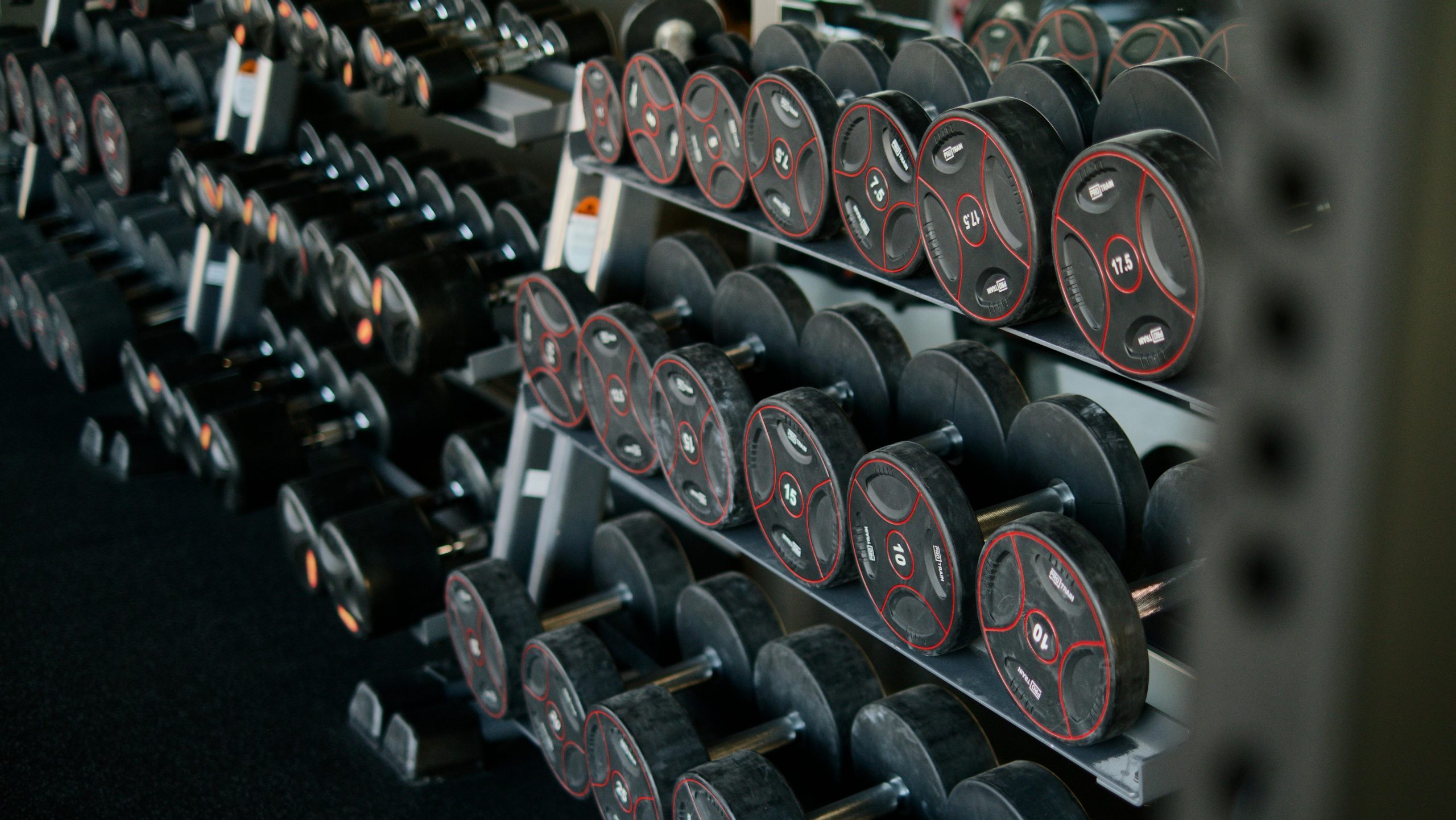
While regular exercise is important for overall health, it’s not the only way to lose weight. In fact, diet plays a larger role in weight loss than exercise. Simple changes like taking the stairs, going for a walk during lunch breaks, or doing yoga at home can also make a difference. The key is finding a physical activity you enjoy and can stick with long-term.
Remember, weight loss is a personal and unique journey. What works for one person might not work for another. Instead of following rigid rules, focus on creating healthy habits that you can maintain in the long term. For more detailed information, check out this book that discusses these myths in detail.

As a mom of three busy boys, I know how chaotic life can get — but I’ve learned that it’s possible to create a beautiful, cozy home even with kids running around. That’s why I started Cultivated Comfort — to share practical tips, simple systems, and a little encouragement for parents like me who want to make their home feel warm, inviting, and effortlessly stylish. Whether it’s managing toy chaos, streamlining everyday routines, or finding little moments of calm, I’m here to help you simplify your space and create a sense of comfort.
But home is just part of the story. I’m also passionate about seeing the world and creating beautiful meals to share with the people I love. Through Cultivated Comfort, I share my journey of balancing motherhood with building a home that feels rich and peaceful — and finding joy in exploring new places and flavors along the way.