Not everything at the grocery store is priced fairly—some items carry shocking markups compared to what they cost to make. From everyday basics to specialty products, these are the items where retailers rake in the biggest profits, often without shoppers realizing it. Here are 10 grocery buys that cost you far more than they should.
1. Bottled Water
Bottled water is a staple item in most households, appreciated for its convenience, taste, and perceived purity compared to tap water. Despite the fact that tap water in many developed countries is safe and extensively regulated, many consumers continue to pay a premium for bottled water due to marketing efforts, taste preferences, and concerns over tap water quality.
The cost of bottled water can be hundreds, even thousands, times higher than tap water. The high markup can be attributed to packaging, distribution, and marketing expenses. As the Business Insider reports, a significant part of the price you pay for bottled water goes towards covering these costs, not the actual water itself.
2. Pre-Cut Fruit and Vegetables
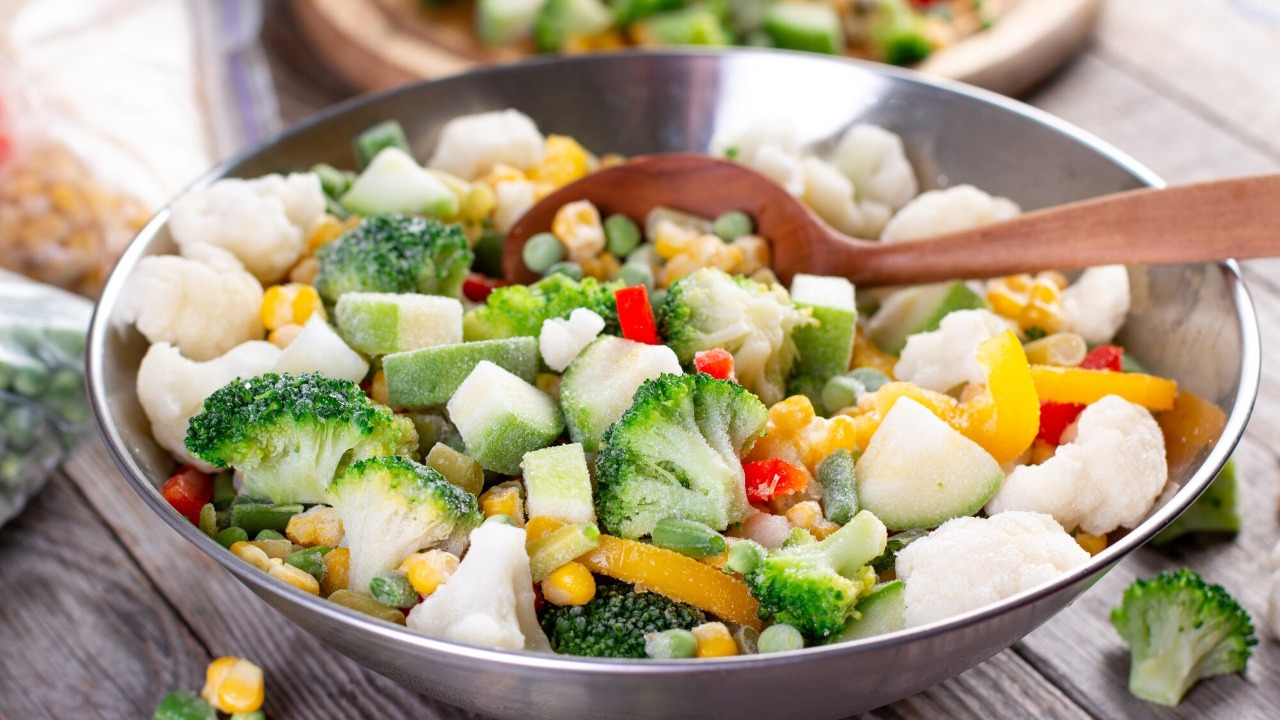
Pre-cut fruits and vegetables can be a real time-saver, particularly for busy individuals who value convenience. The demand for these ready-to-eat products has significantly increased over the years, despite their noticeably higher price compared to whole fruits and vegetables.
While pre-cut produce can save preparation time, they come with a hefty markup. According to a Time Magazine article, pre-cut fruits and vegetables can cost up to three times more than their whole counterparts. This is due to the additional labor, packaging, and shorter shelf life associated with pre-cut items.
3. Prescription Drugs

Prescription drugs are a necessity for many individuals, with millions depending on them for managing chronic illnesses. Despite their importance, prescription drugs can be exorbitantly priced, often putting a strain on patients’ budgets.
The high cost of prescription drugs is a hot topic, and for good reason. According to a study by Health Affairs, the prices of brand-name oral prescription drugs rose more than 9 percent a year from 2008 to 2016, which is considerably faster than inflation.
4. Coffee and Tea
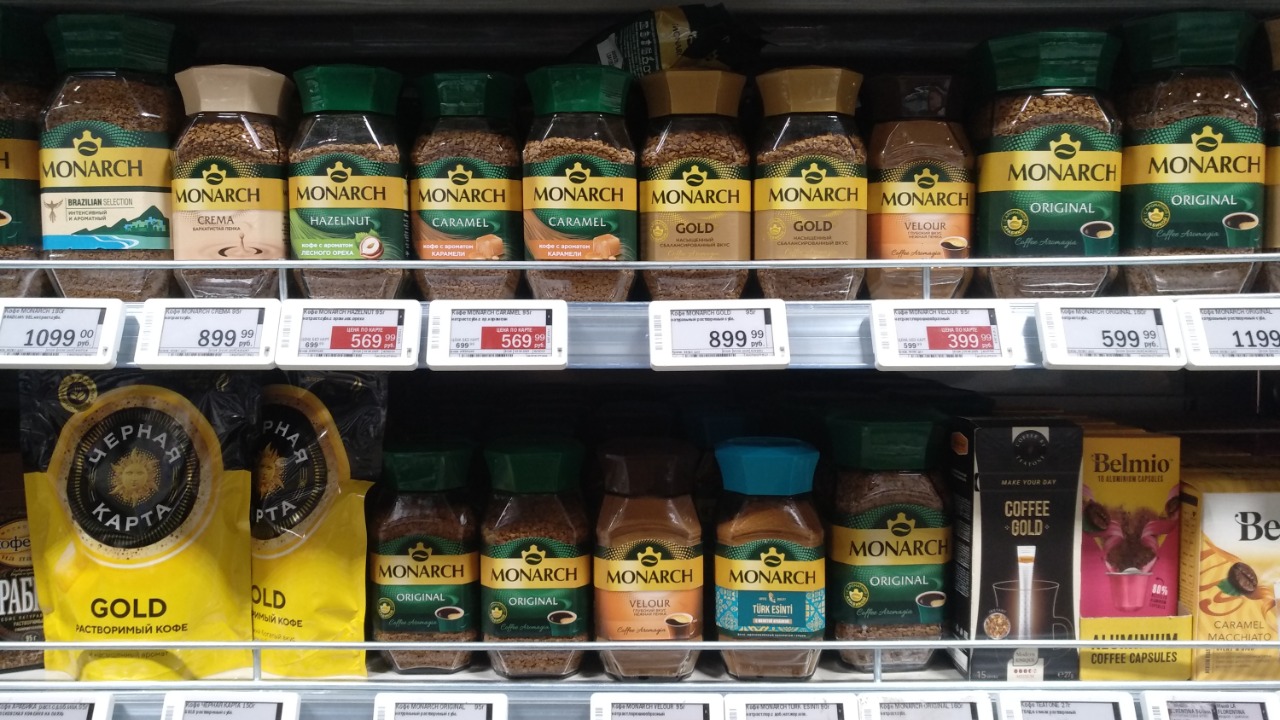
Coffee and tea are beloved beverages worldwide, enjoyed for their taste and stimulating effects. Despite the relative affordability of coffee beans and tea leaves, the prices of these drinks can be steep in cafes and restaurants.
The markup on coffee and tea served in cafes is significant. According to Business Insider, a considerable portion of the price you pay for your latte or cappuccino goes towards operational costs, including rent, labor, and marketing, rather than the coffee itself.
5. Popcorn at the Movies

Popcorn at the movies is a time-honored tradition. Despite its simple ingredients—corn, oil, and a sprinkle of salt—moviegoers are often willing to pay a steep price for this snack.
The markup on movie popcorn is famously high. According to a report by Business Insider, a large popcorn that costs around $8 to purchase can cost the theater as little as $0.90 to make—a markup of nearly 800 percent.
6. Greeting Cards
Greeting cards are a common way to express sentiments on special occasions. Despite the proliferation of digital alternatives, many people still prefer the personal touch of a physical card.
Despite their simple construction, greeting cards can be surprisingly expensive. According to U.S. News & World Report, the price you pay for a greeting card is largely to cover the cost of design, production, and distribution, rather than the paper and ink it’s made from.
7. Printer Ink
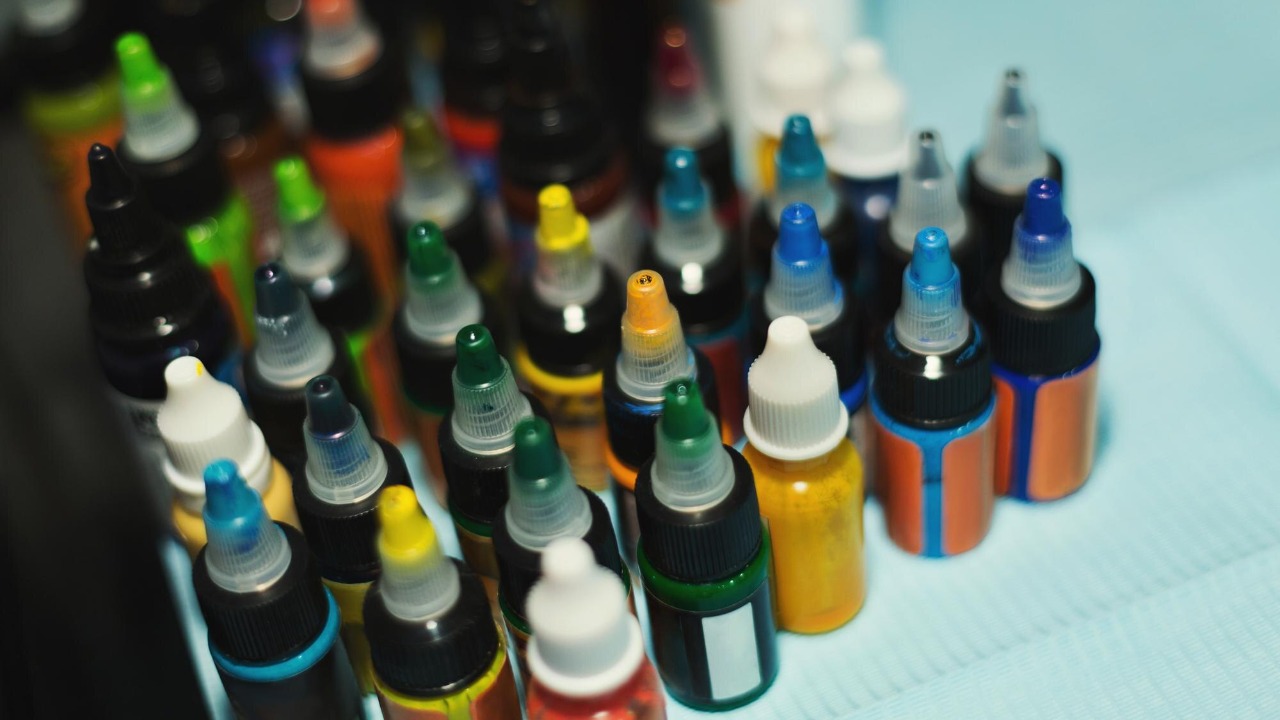
Printer ink is a necessity for many homes and businesses. Despite its frequent use, many consumers are taken aback by the high cost of replacement cartridges.
The price of printer ink can be startlingly high compared to the cost of the printer itself. According to a Consumer Reports study, printer ink is one of the most expensive liquids you can buy, often costing more per ounce than fine champagne.
8. Restaurant Wine
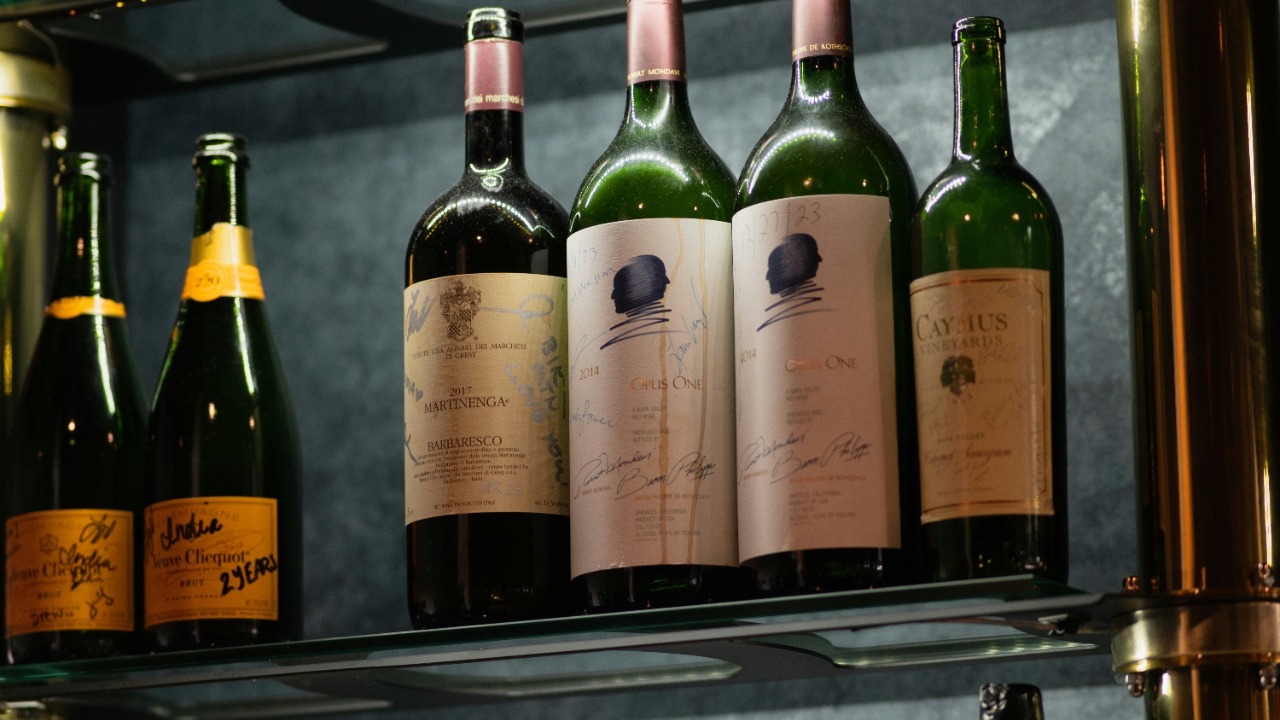
Wine is often an integral part of the dining experience in many restaurants. Despite the same bottle being available at a much lower price in retail stores, diners are often willing to pay a premium for it in a restaurant setting.
The markup on restaurant wine can be quite steep. According to Eater, a bottle of wine in a restaurant can cost two to five times its retail price. This markup is to cover service, storage, and the overall dining experience.
9. Eyeglasses

Eyeglasses are essential for millions of people around the world. Despite their necessity, the cost of frames and lenses can often be surprisingly high.
The high cost of eyeglasses often comes as a surprise to many consumers. According to CBS News, the frames can often cost as little as $10 to make, but can retail for $300 or more. Much of the markup is due to the high costs of design, licensing, and marketing.
10. College Textbooks

College textbooks are a significant expense for students. Despite the availability of secondhand books and digital versions, new textbooks can still command high prices.
College textbooks have a notoriously high markup. According to the CBS News, the price of college textbooks has risen 1,041 percent since 1977, far outpacing inflation. The high cost is often attributed to a lack of competition in the textbook market.
11. Designer Jeans
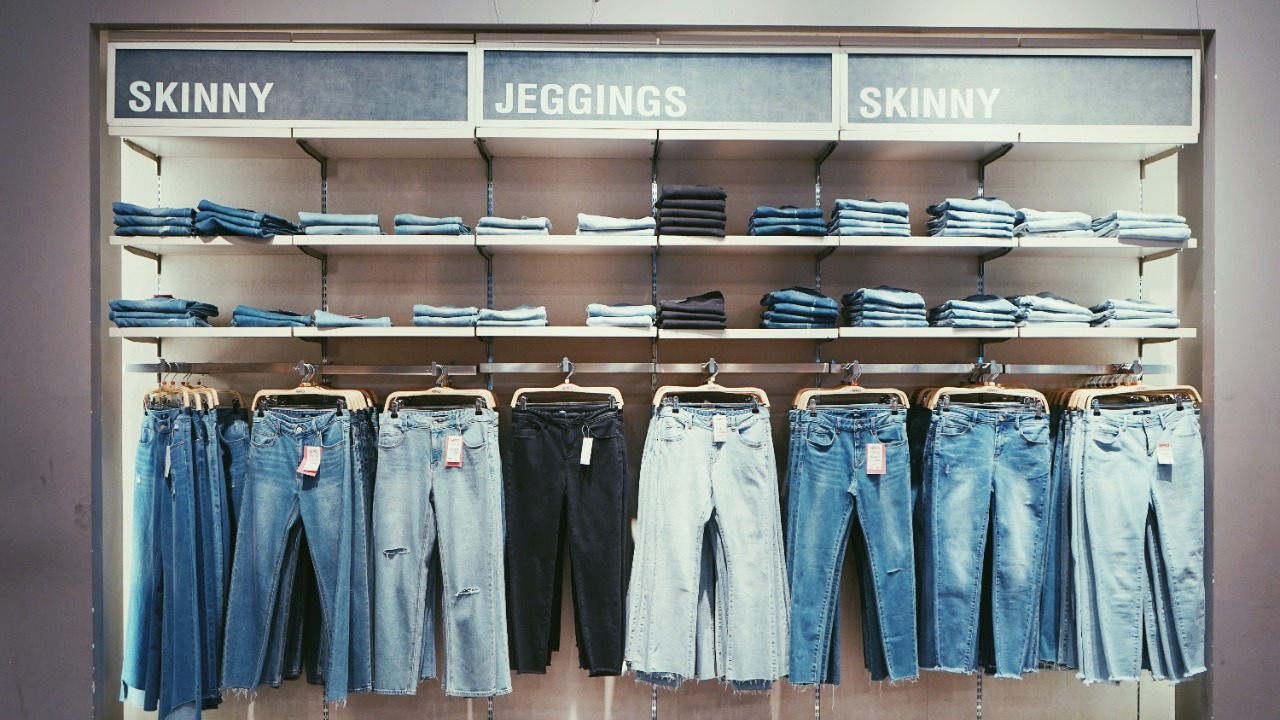
Designer jeans are a coveted item in many wardrobes. Despite their similar construction to less expensive brands, many consumers are willing to pay a premium for the designer label.
The markup on designer jeans can be substantial. According to Business Insider, a pair of designer jeans that retails for $200 or more can cost as little as $30 to make. The high price tag is often due to branding, design, and marketing costs.

As a mom of three busy boys, I know how chaotic life can get — but I’ve learned that it’s possible to create a beautiful, cozy home even with kids running around. That’s why I started Cultivated Comfort — to share practical tips, simple systems, and a little encouragement for parents like me who want to make their home feel warm, inviting, and effortlessly stylish. Whether it’s managing toy chaos, streamlining everyday routines, or finding little moments of calm, I’m here to help you simplify your space and create a sense of comfort.
But home is just part of the story. I’m also passionate about seeing the world and creating beautiful meals to share with the people I love. Through Cultivated Comfort, I share my journey of balancing motherhood with building a home that feels rich and peaceful — and finding joy in exploring new places and flavors along the way.