Every well-traveled person has at least one story about the attraction, tour, or overpriced meal they got talked into during a trip, the one they think about years later with a mix of embarrassment and grudging respect for whoever designed the trap. Tourist traps survive because they’re built around a moment of vulnerability: unfamiliar surroundings, limited time, and a strong desire not to miss out on whatever everyone else seems to be doing.
None of this means every popular attraction is a scam, and plenty of famous, crowded spots are genuinely worth the visit. But some experiences have earned a reputation among seasoned travelers as pure regret, and the same complaints keep surfacing trip after trip. Here are eleven that repeat travelers say they wouldn’t pay for a second time.
Overpriced Meals Directly Next to Major Landmarks
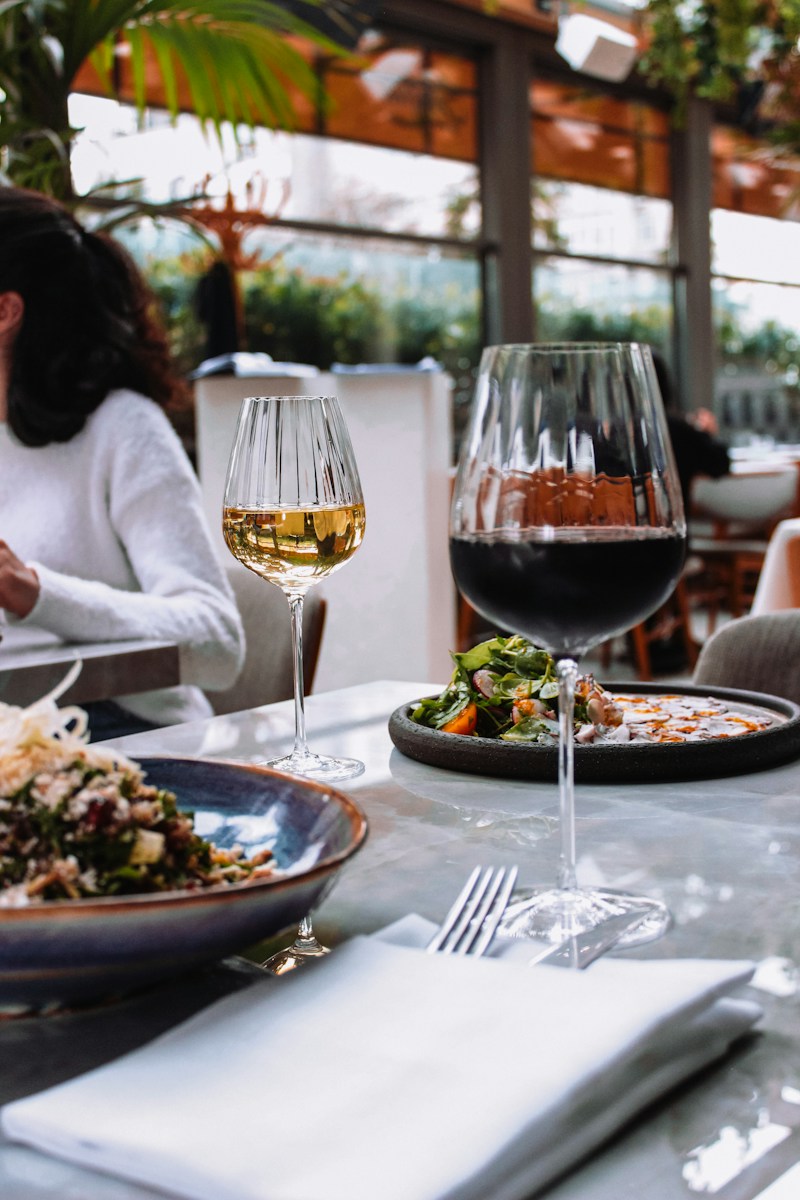
Restaurants sitting in direct view of a famous landmark almost universally charge a premium for the view rather than the food, banking on the fact that exhausted, hungry tourists will pay almost anything rather than walk another ten minutes to find something better. Travelers who’ve made this mistake repeatedly report the same pattern: mediocre food, slow service, and a bill that feels wildly disproportionate to the actual meal, all because sitting down felt easier than continuing to search. The workaround that experienced travelers consistently recommend is walking just a couple of blocks away from the main attraction, where prices tend to drop and quality tends to improve almost immediately.

Unofficial “Skip the Line” Ticket Sellers
Street vendors and unofficial resellers positioned near popular attractions often offer tickets at inflated prices, sometimes for tours or entry passes that are freely available at the official ticket counter for a fraction of the cost, or in some cases tickets that turn out to be invalid entirely. Travelers who’ve been burned by this describe the same setup: a friendly, persuasive seller creating a sense of urgency about lines or sold-out tickets that often isn’t accurate at all. Buying tickets directly through an attraction’s official website or app ahead of time has become the standard advice from seasoned travelers specifically to avoid this exact scenario.
Souvenir Shops Immediately Outside Major Attractions
The shops clustered directly around a famous site almost always charge more for the exact same magnets, postcards, and trinkets sold a few blocks away, relying on tourists grabbing something on their way out without comparison shopping. Travelers who’ve later found the identical item for half the price elsewhere in the same city often describe a genuine sense of having been taken advantage of, even over a purchase that only cost a few dollars. The standard advice from repeat travelers is simple: wait until you’re away from the immediate tourist zone before buying souvenirs, since prices reliably drop the farther you get from the main attraction.
Costumed Character Photo Ops
In many major tourist cities, costumed performers positioned near landmarks will pose for a photo and then demand a surprisingly steep payment afterward, sometimes far more than a tourist would have agreed to if the price had been stated upfront. This scenario relies specifically on the awkwardness of negotiating after the fact, when walking away feels ruder than simply paying whatever’s demanded. Experienced travelers consistently recommend either avoiding these photo ops entirely or explicitly confirming a price before any photo is taken, since the ambiguity is very much the point of the arrangement.
Overpriced Guided Tours of Free Public Sites
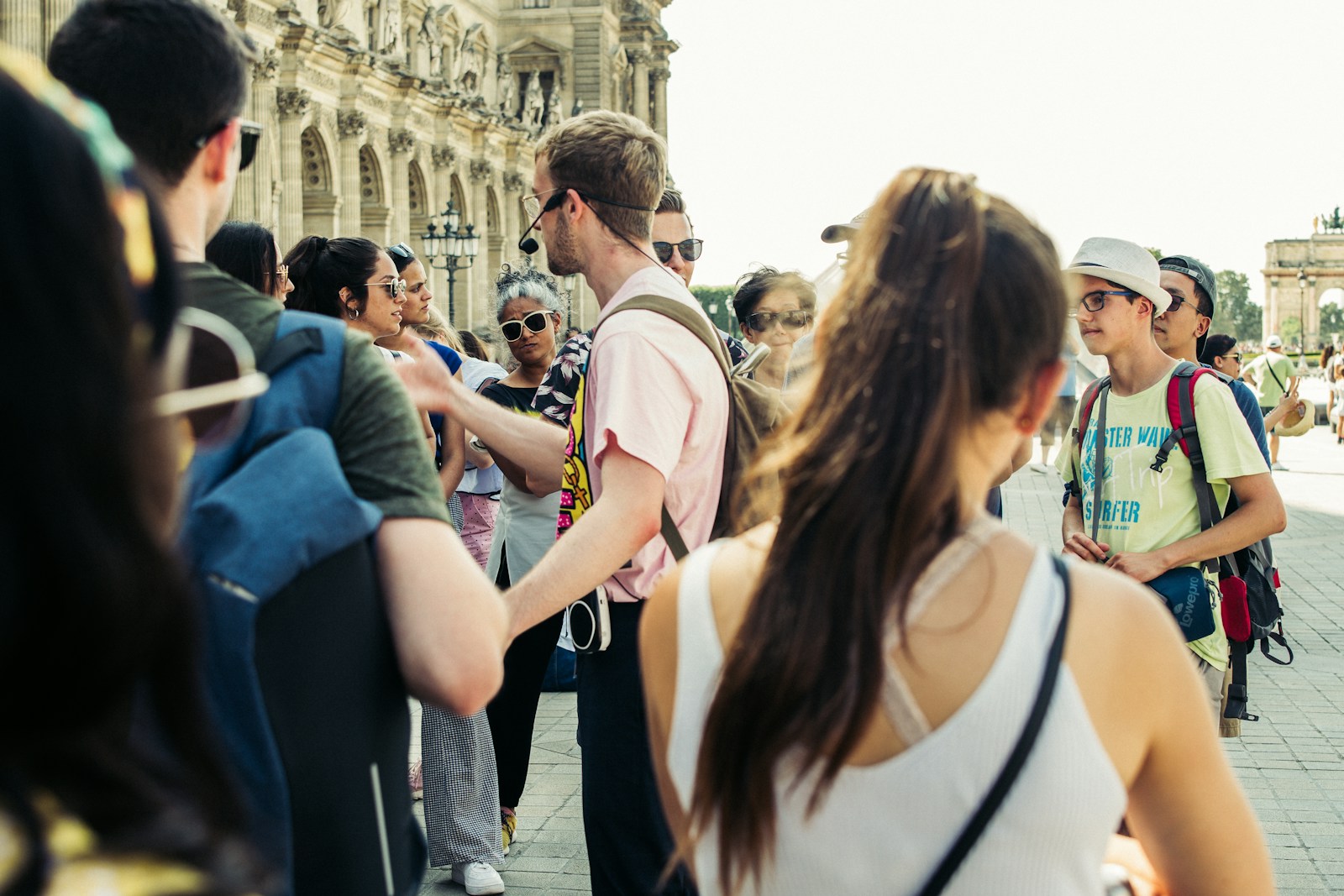
Certain tours charge a substantial fee to walk visitors through public parks, plazas, or neighborhoods that are entirely free and open to explore independently, often relying on a script that can also be found for free in guidebooks or reputable travel sites. Travelers who’ve paid for these tours sometimes describe a nagging feeling partway through that they could have seen everything on their own with a little pre-trip research and a map. The tours that genuinely earn their price tend to include access to something otherwise restricted, so it’s worth checking specifically what a tour includes access to before paying rather than assuming a guide is always adding meaningful value.
Currency Exchange Kiosks in Tourist Zones
Currency exchange counters located directly inside airports or in heavily touristed areas near major attractions consistently offer worse exchange rates and higher fees than exchanging money through a bank or using a fee-free debit card at a local ATM. Travelers who’ve compared rates side by side after the fact often find they lost a meaningful percentage of their money simply by exchanging currency at the first convenient counter rather than waiting or planning ahead. This is one of the easier traps to avoid entirely with a little advance planning, since most travelers have other options available before they even leave home.
All-Inclusive Excursions Booked Through the Hotel Desk
Booking a day trip or excursion directly through a resort or hotel concierge desk is convenient, but it frequently costs significantly more than booking the identical tour directly with the operator or through an independent booking platform, since the hotel typically adds its own commission on top. Travelers who’ve later discovered the price difference, sometimes after chatting with other guests who booked the same tour independently, often describe genuine frustration at how much more they paid purely for the convenience of booking from the lobby. Comparing prices online before committing through the hotel desk has become standard advice among frequent travelers.
Novelty “Experience” Attractions Built Purely for Tourists
Certain attractions exist almost entirely because they photograph well or have gone viral online, offering little beyond a quick photo opportunity for a surprisingly steep entry fee, with lines and crowding that make the actual experience far less pleasant than the photos suggest. Travelers who’ve paid to visit these spots often describe a distinct feeling of anticlimax once they’re actually inside, especially compared to the buildup created by seeing the spot all over social media beforehand. Researching an attraction’s actual substance beyond its photogenic reputation, through independent reviews rather than promotional material, helps set more realistic expectations before paying an entry fee.
Timeshare Presentation “Free” Gifts
Timeshare companies in many resort destinations aggressively market free gifts, meals, or excursions in exchange for attending a sales presentation, and travelers who accept these offers frequently describe high-pressure sales tactics that eat up several hours of vacation time for a gift that often isn’t worth the time lost. The presentations are specifically designed by trained sales staff to create urgency and make walking away feel difficult, which is exactly why consumer protection agencies and travel publications consistently warn against accepting these offers regardless of how appealing the free incentive sounds.
Overpriced Bottled Water at Attraction Entrances
Vendors positioned right at the entrance of major attractions often charge several times the normal price for a bottle of water, counting on the fact that visitors who didn’t bring their own are thirsty enough, and captive enough, to pay whatever’s asked rather than go without. Travelers who’ve paid these inflated prices multiple times across different destinations describe eventually learning to always carry a reusable water bottle and fill it before arriving, treating the markup as one of the more universally predictable tourist traps across virtually every country and climate.
Gondola or Boat Rides Sold as a “Must-Do” Without Comparing Operators
Iconic boat or gondola rides in cities built around waterways are often sold by the first operator a tourist encounters at a premium price, without any indication that other operators nearby offer the identical experience for meaningfully less. Travelers who later compare notes with other visitors often discover a significant price gap for what amounted to the same route and duration, simply because they booked with whichever operator approached them first rather than shopping around even briefly. A few minutes of comparing nearby operators before booking has become a common piece of advice from travelers who’ve been burned by not doing so.