Winter doesn’t have to mean the end of planting season for flower lovers. As long as the soil isn’t frozen solid, gardeners can still plant certain spring-blooming bulbs that will bring color when the weather warms. This is great news for those who missed the fall window or live in milder climates where winter planting is still possible.
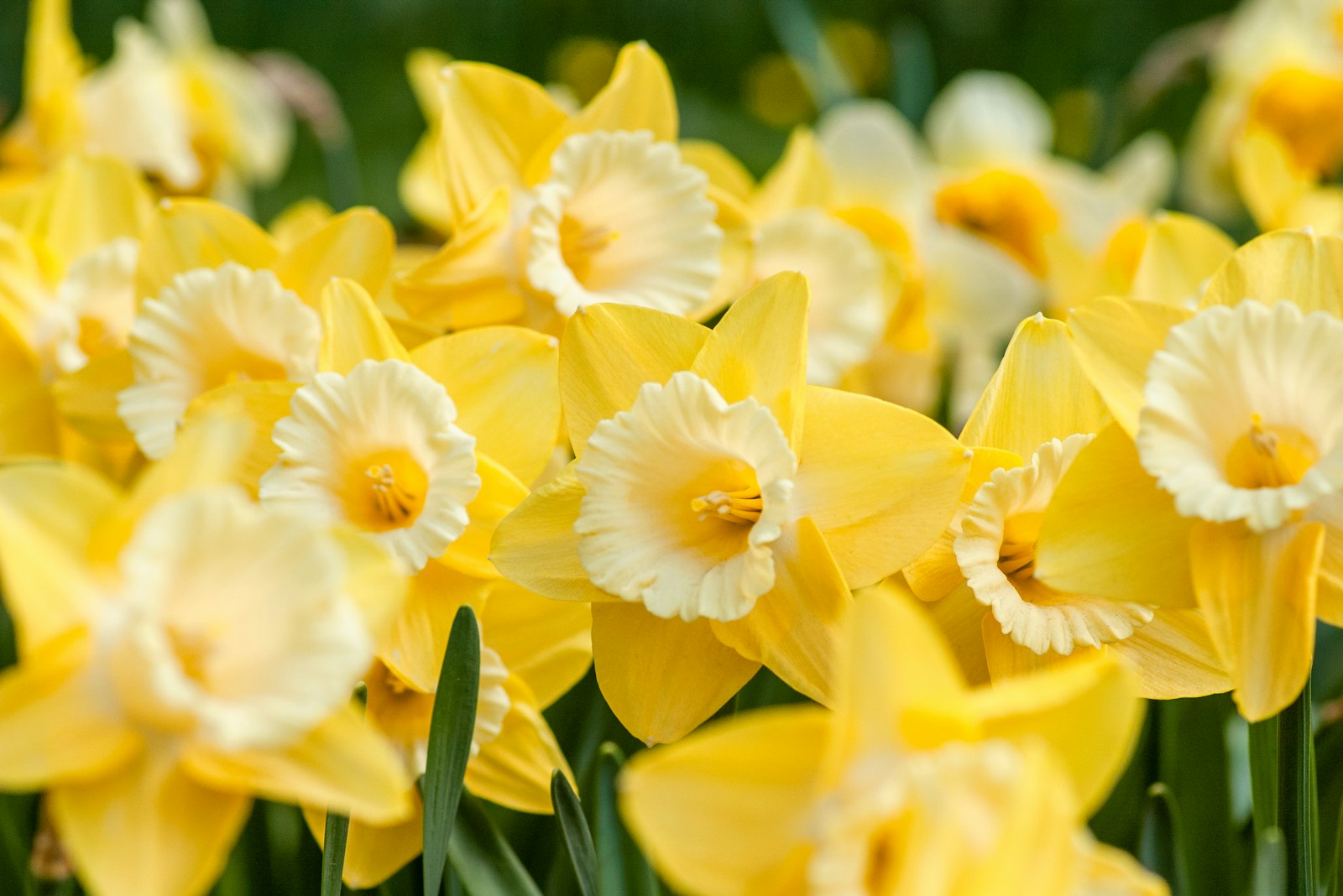
Bulbs like tulips, daffodils, and hyacinths can be planted in winter in areas with workable soil, setting the stage for a beautiful spring show. Even in colder zones, some bulbs can be started indoors or planted “in the green” when pre-sprouted, offering flexibility in how to bring spring blooms to life.
By choosing the right bulbs and planting at the right time, gardeners can keep the excitement going through winter and look forward to a vibrant garden when spring arrives. It’s a simple way to extend the gardening season and enjoy early bursts of color.
Top 12 Flower Bulbs to Plant in Winter for Spring Color
Planting flower bulbs in winter can still bring vibrant color to gardens by spring. Some bulbs tolerate chillier soil temperatures and can be planted as long as the ground isn’t frozen solid. These bulbs offer a reliable way to enjoy bright blossoms and fresh fragrance after the cold months.
Tulips for Bold Spring Blooms
Tulips are a staple of spring gardens known for their bright, eye-catching flowers. They do best in USDA hardiness zones 3 through 8 and can still be planted during winter if the soil is workable. Instead of planting deep, placing bulbs on the soil surface and covering with mulch helps protect them from cold.
These bulbs need full sun and well-draining soil to thrive. Tulips come in many colors and shapes, making them versatile for both formal beds and informal clusters. Their blooms typically appear in mid to late spring, adding bold splashes of color.
Classic Daffodils for Early Cheer
Daffodils are hardy bulbs that bring early spring cheer with their trumpet-shaped yellow or white flowers. Suitable for zones 4 through 8, they tolerate a variety of soil types but prefer well-drained, sunlit spots. Planting daffodil bulbs in winter is possible if the ground isn’t frozen.
They naturalize well, multiplying over time to create fuller displays. Daffodils are also deer-resistant and low maintenance, making them an excellent choice for gardeners seeking reliable spring color without hassle.
Crocuses: The First Signs of Spring
Crocuses often herald the arrival of spring with their small, colorful blooms poking through late winter soil. These bulbs thrive in zones 3 to 8 and need exposure to cold for proper blooming. Planting them in winter works if soil can still be dug.
Crocuses love gritty, well-draining soil and can grow in full sun to partial shade. They stay low to the ground, around 6 inches tall, making them perfect for borders or under trees. Planting in clusters intensifies their visual impact.
Hyacinths for Fragrance and Color
Hyacinths bring both scent and color to spring gardens. With hardy zones from 4 to 8, these bulbs prefer well-drained soil and sunny locations. Winter planting is an option before the soil freezes solid.
Their tightly packed, fragrant flower spikes bloom in mid-spring, attracting pollinators. Hyacinths resist deer and rabbits and tolerate some drought. They work well in borders and containers alike, adding layers of scent and vibrant hues to any spring bulb display.
Unique and Lesser-Known Winter Bulbs
Some bulbs offer early blooms and unusual shapes or colors that can make a garden stand out. These options often require minimal care and thrive in cooler temperatures, giving spring a fresh, unexpected touch.
Snowdrops: Delicate Early Bloomers
Snowdrops are among the earliest flowers to break through late winter soil. Their small, white, bell-shaped blooms bring a quiet charm when most gardens are still dormant. They prefer partial shade and moist, well-draining soil.
These bulbs multiply over time, gradually forming clusters that brighten shaded corners. Snowdrops are hardy in USDA zones 3-8, making them reliable in many climates. Plant them about 3 inches deep and space them 2-3 inches apart. Their delicate appearance belies their tough nature; they can handle occasional frost and snow cover, which often helps protect the bulbs until spring warmth arrives.
Grape Hyacinths for Vibrant Borders
Grape hyacinths, or Muscari, are a compact bulb ideal for edging paths and garden beds. Their tight clusters of tiny blue or purple flowers resemble grapes, adding texture and color to early spring spaces. They thrive in full sun to partial shade.
These little bulbs naturalize quickly, spreading through self-seeding and division, which can fill large areas over time. “Pink Surprise” is a unique variety offering a charming twist with pale pink blooms instead of the usual blue. Grape hyacinths grow best in USDA zones 3-9, with planting depths of around 3 inches.
Iris Reticulata for Striking Blues and Purples
Iris reticulata bulbs produce some of the most eye-catching early spring flowers. Their deep blue and purple blooms often have bright yellow or white markings, providing a dramatic contrast against fading winter grounds. They prefer full sun and well-drained soil.
They remain low to the ground, usually 4-6 inches tall, and are hardy in zones 5-9. The bulbs should be planted about 4 inches deep, spaced 3-4 inches apart. These irises require minimal maintenance but appreciate fertile soil with some organic matter. They bloom in late winter to early spring, often alongside crocuses.
Fritillaria: Exotic Bell-Shaped Blooms
Fritillaria bulbs produce exotic, bell-shaped flowers that hang in clusters on tall stems, often 2 to 4 feet high. Their petals usually feature intricate, checkered patterns in shades of gold, brown, or purple. They like full sun to partial shade and thrive in well-drained soil.
These bulbs bloom in early spring and attract pollinators. Fritillaria imperative ‘Early Fantasy’ is a notable variety, known for its golden, coral-tinged bells. Hardy in zones 3-9, they need a planting depth of 6-8 inches due to their size. Their exotic look adds a unique architectural element to any garden bed.
Additional Bulbs for a Full Spring Display
Planting bulbs that offer varied colors, blooming times, and textures helps extend the beauty of a spring garden. Including bulbs that naturalize well and tolerate different conditions creates a layered, natural look that lasts longer.
Anemones for Woodland Charm
Anemones add delicate, poppy-like flowers that bring a gentle woodland feel to spring gardens. They thrive in partial shade with well-draining soil, making them perfect for planting under trees or alongside shrubs.
Their blooms come in shades of white, pink, red, and purple, lasting several weeks. Anemones naturalize over time and blend well with early spring perennials. They work especially well in borders or cottage gardens.
Plant anemone tubers 2-3 inches deep and water thoroughly after planting. They prefer cooler climates and offer a charming contrast to more robust bulbs like tulips or daffodils.
Scilla and Siberian Squill: Carpet of Blue
Scilla and Siberian squill produce masses of small, vibrant blue flowers that create an eye-catching carpet effect. These bulbs are great for naturalizing in lawns, rock gardens, or under deciduous trees.
They bloom early, often before many other bulbs, signaling the start of spring. Both kinds prefer full sun to part shade and well-drained soil.
Plant these bulbs shallowly, about 2-3 inches deep and 3 inches apart. Their low height and spreading habit make them useful for filling in gaps between larger spring bulbs and they require minimal maintenance.
Glory of the Snow for Pastel Early Color
Glory of the snow, or Chionodoxa, offers pale blue to lilac star-shaped flowers with white centers. They bloom very early, sometimes pushing through late winter snow, adding soft pastel hues when the garden is still waking up.
These bulbs naturalize well and can spread to form thick clusters. They flourish in full sun or part shade in well-drained soil, making them versatile for many garden settings.
Plant bulbs 3 inches deep and about 3 inches apart. They pair easily with crocuses and snowdrops. Their early bloom period extends the flowering season before taller bulbs take center stage.
Autumn Crocus and Hellebore for Extended Bloom
Autumn crocuses bloom in the fall but are planted during late summer or early autumn, offering early spring color with minimal fuss. Their delicate pink or purple flowers emerge before leaves appear.
Hellebores, often called “Christmas roses,” are hardy perennials flowering in late winter to early spring. They tolerate shade well and bring elegantly shaped blooms in white, pink, green, or purple.
Plant autumn crocus corms about 3 inches deep in well-drained soil. Hellebores are best planted where they get dappled shade and consistent moisture. Both add depth and interest by extending bloom times beyond the typical spring period.
Key Tips for Successful Winter Bulb Planting
Planting flower bulbs in winter requires attention to timing, soil conditions, and companion planting. These factors help bulbs establish roots before cold sets in and ensure strong spring blooms.
When and How to Plant Bulbs in Winter
Bulbs should be planted before the ground freezes, ideally several weeks in advance. This gives them time to develop roots. If the ground is frozen, planting outdoors is not recommended, but bulbs can be forced indoors instead.
When planting, bulbs must be placed with the pointed side up and buried at a depth of about two to three times their height. For example, if a bulb is 2 inches tall, plant it 4 to 6 inches deep. Spacing depends on the bulb type but planting bulbs close together usually helps conserve heat and moisture.
Soil Preparation and Drainage Essentials
Well-draining soil is critical. Bulbs don’t like to sit in waterlogged soil, which can cause rot. Adding compost or sand improves drainage if the soil is heavy or clay-like.
Tilling the soil 6 to 8 inches deep loosens it, providing room for roots to grow. After planting the bulbs, lightly firm the soil surface to prevent drying without compacting it. Mulching with leaves or straw can protect bulbs from frost and conserve soil moisture through winter.
Pairing Bulbs with Well-Draining Perennials
Choosing perennials with similar soil and drainage preferences complements bulbs well. Plants like sedum, lavender, or creeping thyme prefer well-draining soil and can fill gaps between bulbs while ensuring good air circulation.
Bulbs benefit from being planted near low-maintenance perennials that won’t compete heavily for nutrients or water. This pairing also supports garden structure, with perennials providing greenery before and after bulbs bloom, making the display last longer and look fuller.

As a mom of three busy boys, I know how chaotic life can get — but I’ve learned that it’s possible to create a beautiful, cozy home even with kids running around. That’s why I started Cultivated Comfort — to share practical tips, simple systems, and a little encouragement for parents like me who want to make their home feel warm, inviting, and effortlessly stylish. Whether it’s managing toy chaos, streamlining everyday routines, or finding little moments of calm, I’m here to help you simplify your space and create a sense of comfort.
But home is just part of the story. I’m also passionate about seeing the world and creating beautiful meals to share with the people I love. Through Cultivated Comfort, I share my journey of balancing motherhood with building a home that feels rich and peaceful — and finding joy in exploring new places and flavors along the way.