

12 Foods Chefs Refuse to Order at Restaurants
When dining out, we all have our preferences and dishes we tend to avoid. But what about professional chefs? They’re the ones who really know what goes on behind the scenes in restaurant kitchens. This article will reveal the foods that chefs refuse to order when they’re dining out and why. It’s not just about personal taste, but also about food safety, quality, and value for money.
This list is based on real-world trends and insights, gathered through expert interviews and surveys with professional chefs. Expect to learn the foods that you might want to think twice about ordering next time you’re eating out. Some of the items on this list might surprise you!
1. Truffle Oil
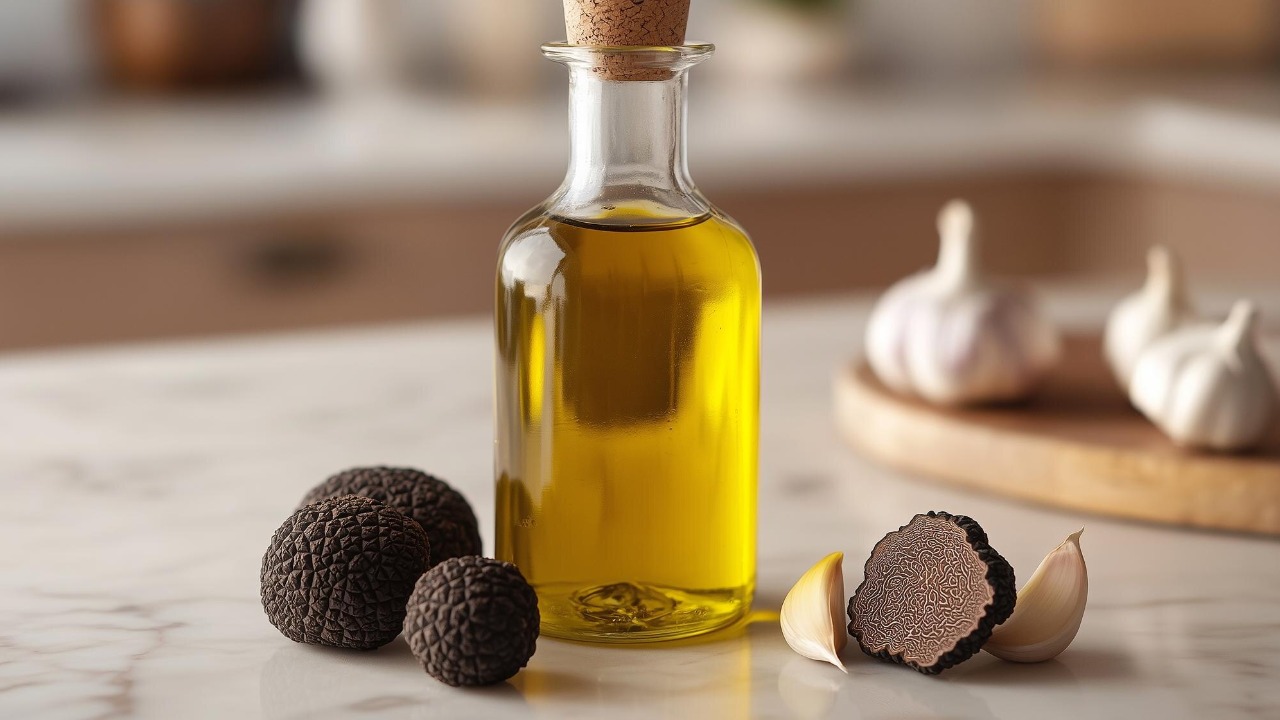
Truffle oil is often considered a gourmet ingredient, commonly used in pasta dishes, pizzas, and even popcorn. However, many chefs steer clear of dishes that feature truffle oil. The reason? Authentic truffle oil, made from real truffles, is incredibly expensive. Most restaurants use a synthetic alternative, which has a similar flavor but lacks the depth and complexity of the real thing.
The use of synthetic truffle oil is a growing trend in the restaurant industry due to its affordability. However, chefs who value authenticity and quality are not fans. As one chef puts it, “it’s the ketchup of the middle classes.” You can learn more about the controversy surrounding truffle oil in this article.
2. Chicken
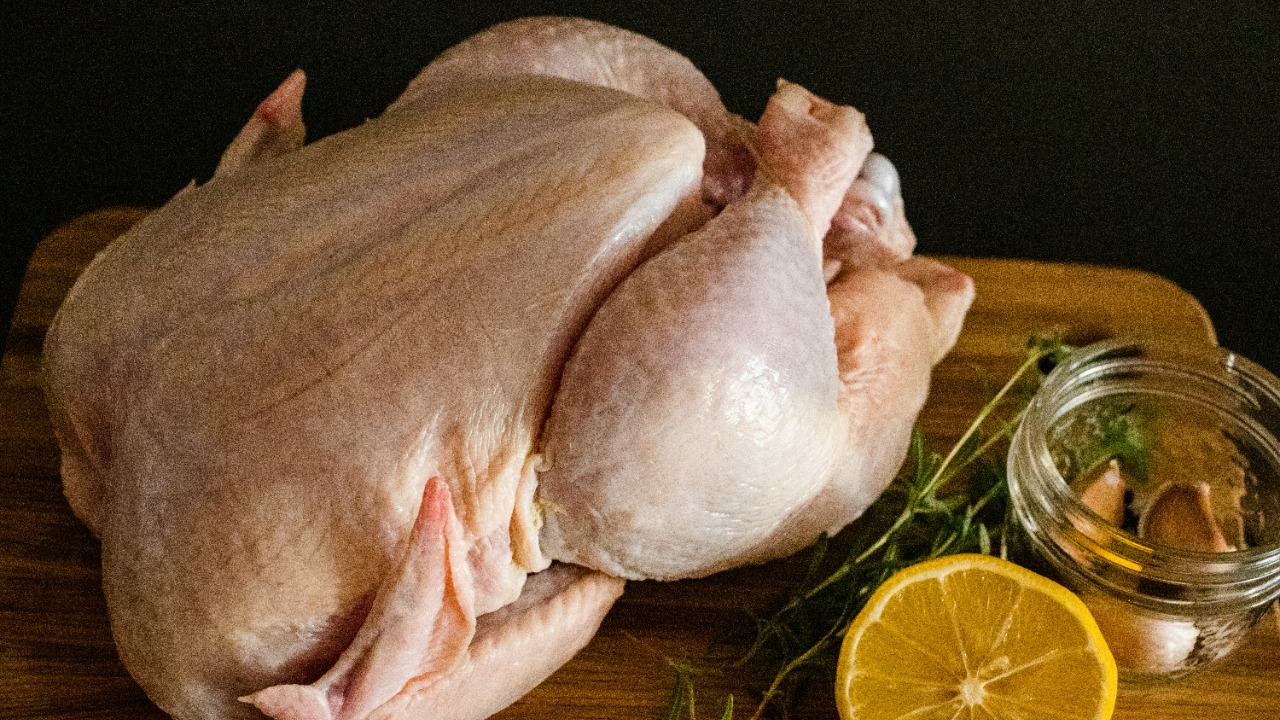
Chicken is a staple in many diets and is often regarded as a safe, neutral choice when dining out. However, some chefs avoid ordering chicken in restaurants. The reason is that chicken is often overcooked, resulting in a dry and flavorless dish. Additionally, chicken dishes are often marked up significantly in restaurants, making them poor value for money.
As food trends shift towards authenticity and value, chefs are becoming more critical of the humble chicken dish. According to Business Insider, many chefs prefer to cook chicken at home, where they can control the quality and doneness to their liking.
3. Kobe Beef
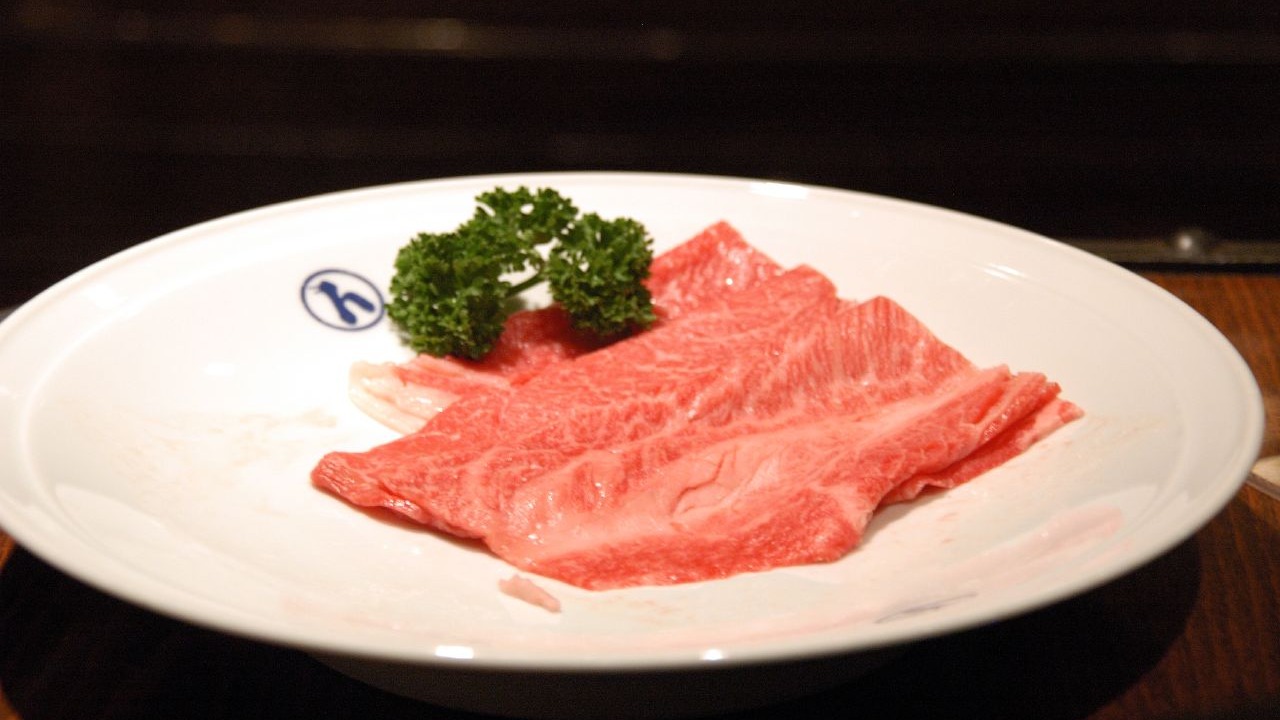
Kobe beef is renowned worldwide for its flavor, tenderness, and fatty, well-marbled texture. Despite its reputation, some chefs avoid ordering Kobe beef in restaurants. The reason? Authentic Kobe beef is incredibly rare and expensive, and many restaurants serve imitation products under the guise of “Kobe.”
As consumers become more aware of food fraud, chefs are advising caution when ordering Kobe beef. According to Forbes, only a handful of restaurants in the U.S. serve real Kobe beef. It’s always wise to do your research before splurging on this costly dish.
4. Oysters
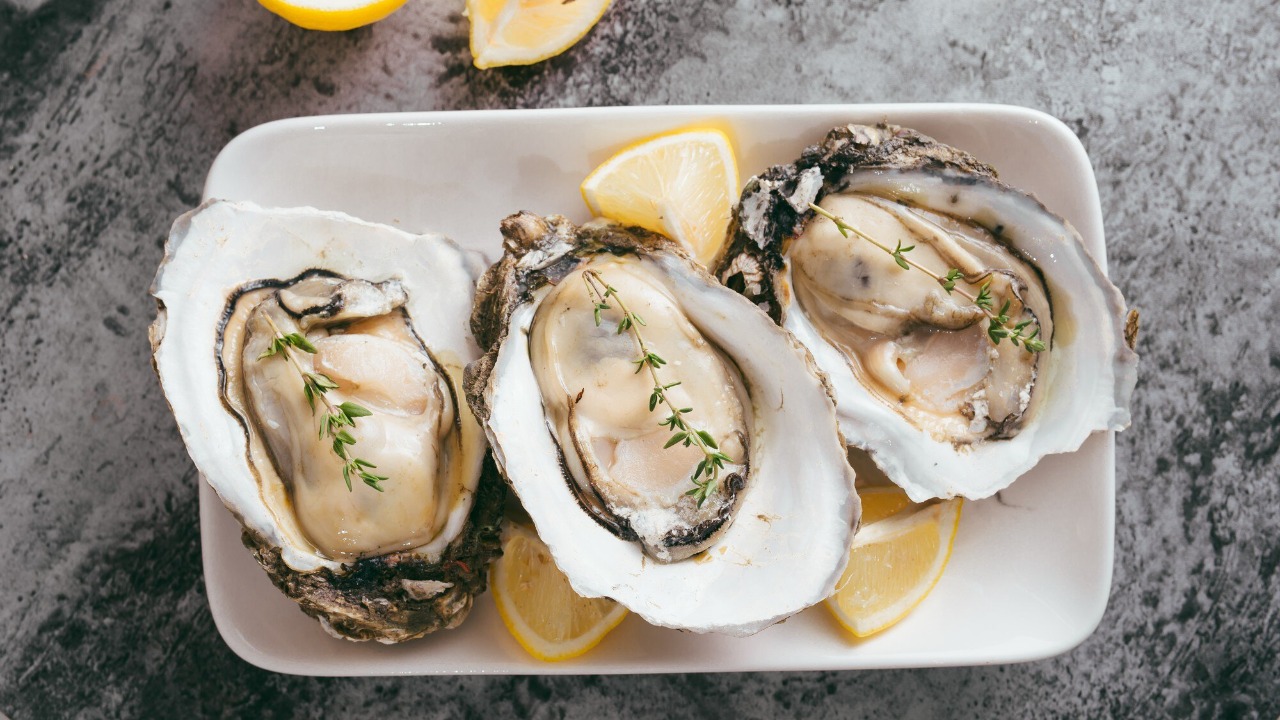
Oysters are a delicacy enjoyed by many seafood lovers. However, some chefs refuse to order them at restaurants. The reason? Oysters need to be incredibly fresh to be served safely, and the handling and storage of oysters at some restaurants can be questionable.
Food safety has become a significant concern in recent years, with numerous outbreaks linked to contaminated oysters. According to the CDC, raw oysters can contain harmful bacteria, making them a risky choice unless you’re confident in the restaurant’s food safety practices.
5. Pre-made Desserts
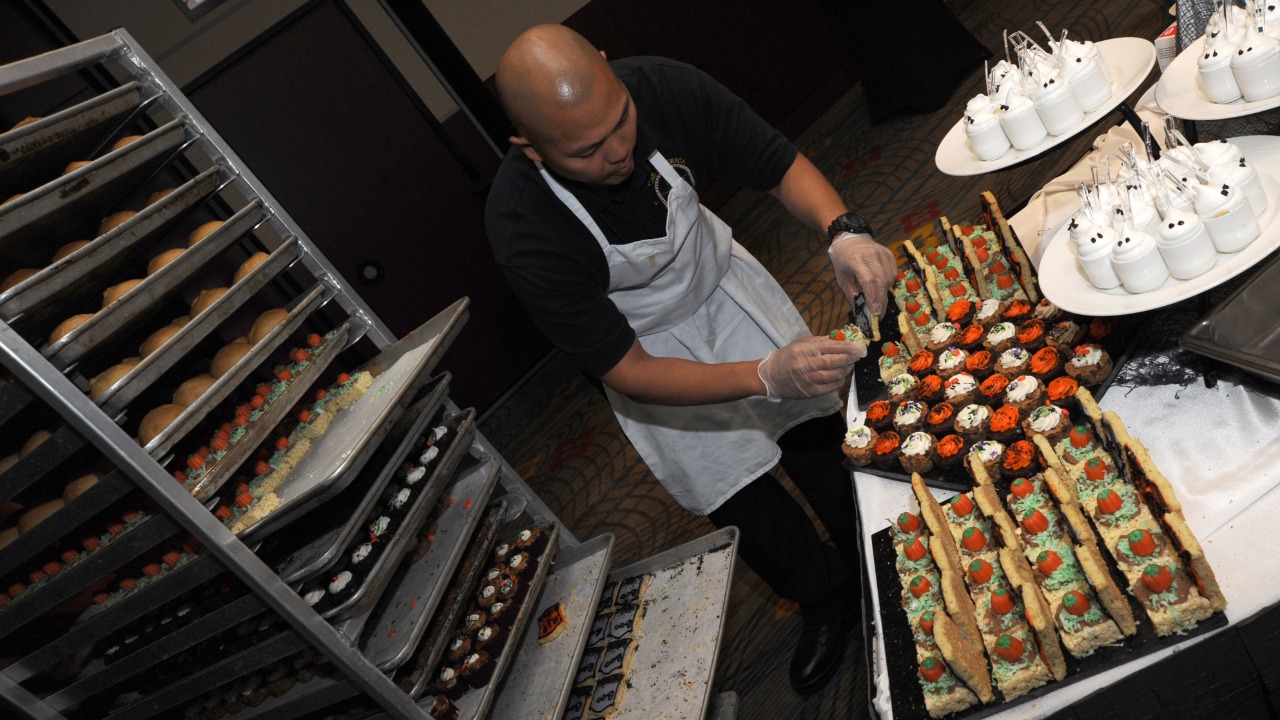
Desserts are often the highlight of a dining experience. However, some chefs avoid ordering pre-made desserts at restaurants. These desserts are often bought in bulk from suppliers and simply reheated or defrosted before serving, leading to a lackluster finish to the meal.
As the trend towards fresh, locally sourced ingredients continues to grow, chefs are advocating for house-made desserts. According to Eater, pre-made desserts not only lack freshness and quality, but they also lack the personal touch that can make dining out a memorable experience.
6. Sushi
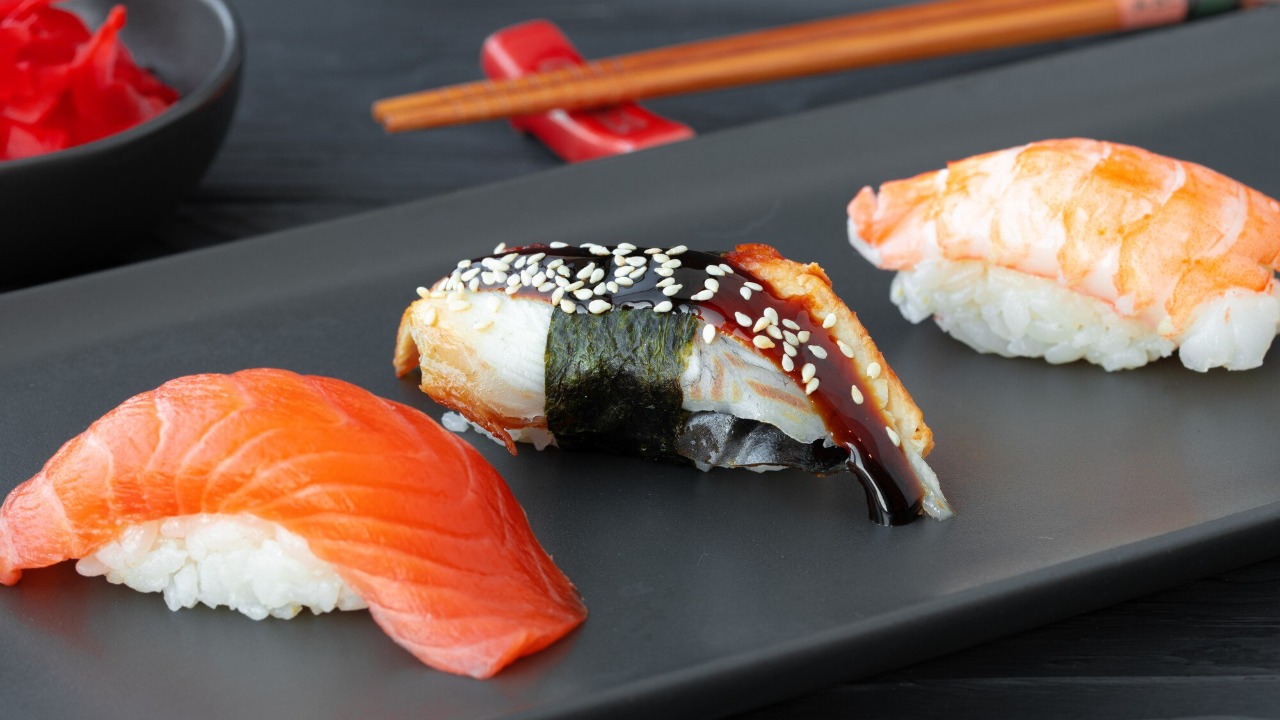
Sushi is a beloved dish for many people, with its various combinations of fresh fish, rice, and other ingredients. However, some chefs avoid ordering sushi in restaurants. The reason is that making sushi requires a high level of skill and knowledge, and not all restaurants meet these standards.
With the popularity of sushi on the rise, it’s more important than ever to choose your sushi restaurant carefully. The FDA advises that consuming raw or undercooked seafood can pose a risk of foodborne illness, especially if it’s not prepared correctly.
7. The Special
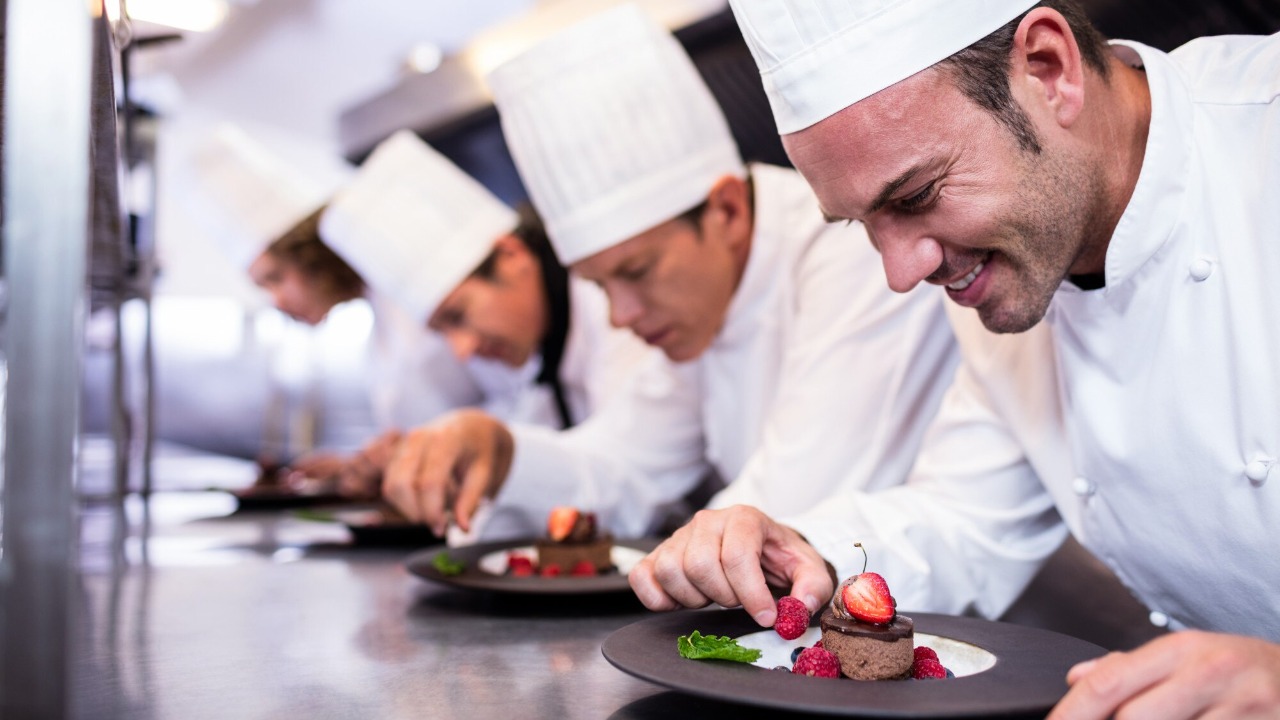
The “special” or “chef’s special” is often seen as a chance for the chef to showcase their creativity and skill. However, some chefs avoid ordering the special when dining out. The reason? In some cases, the special is a way for restaurants to use up ingredients that are close to their expiration date.
As consumers become more savvy about restaurant practices, the appeal of the special is dwindling for some. According to a former chef interviewed by Reader’s Digest, the special can often be a way for restaurants to maximize profits while minimizing waste.
8. Menu Items with Too Many Ingredients
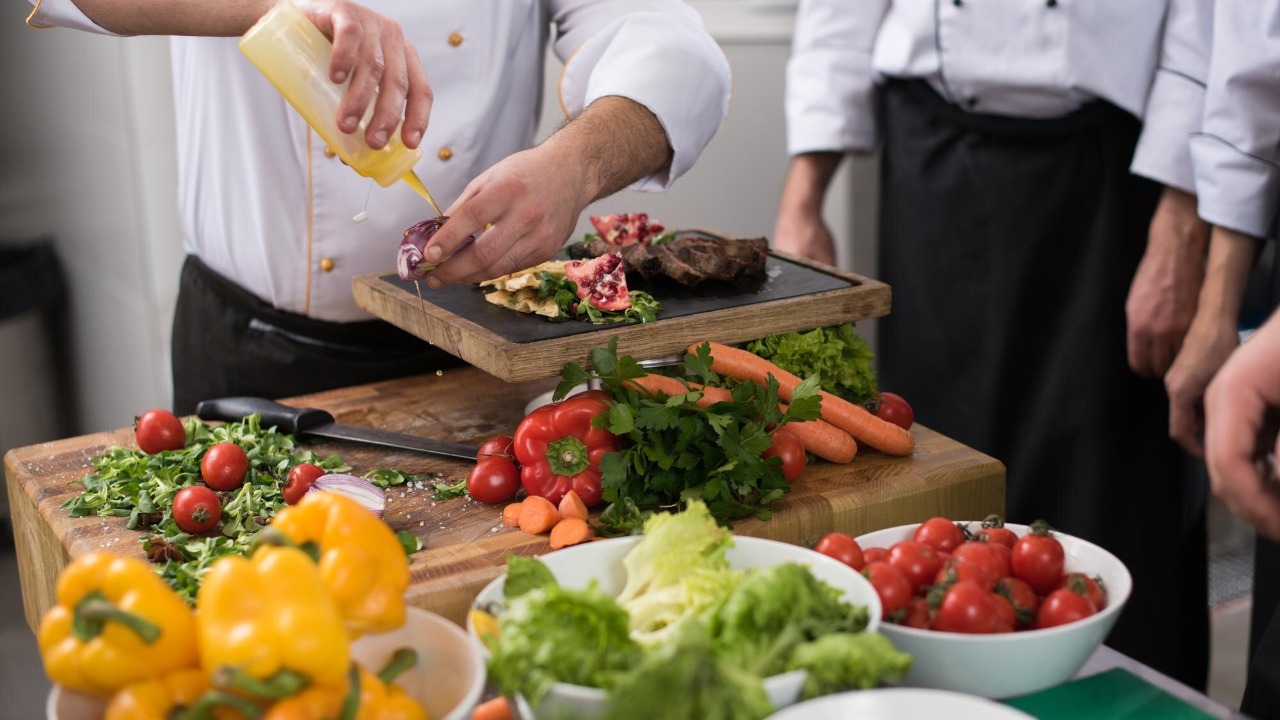
While dishes with a long list of ingredients might sound exciting and sophisticated, some chefs avoid ordering them. The reason is that dishes with too many ingredients can often be a sign that the restaurant is trying to impress rather than focus on delivering well-balanced, tasty food.
In the era of farm-to-table and minimalistic cooking, chefs are advocating for simplicity and quality over quantity. As Bon Appétit points out, too many ingredients can often lead to muddled flavors and a lack of focus in the dish.
9. Caviar
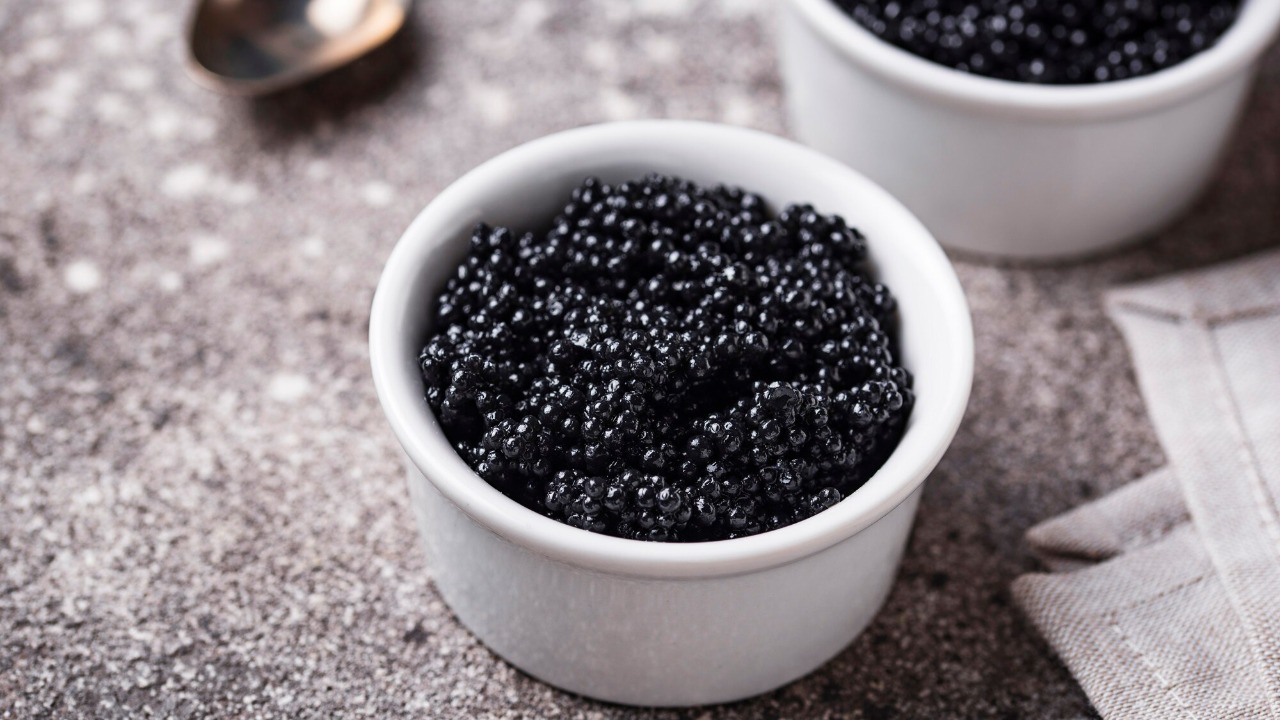
Caviar is often associated with luxury and opulence. However, some chefs avoid ordering caviar at restaurants. The reason is that genuine, high-quality caviar is extremely expensive, and some restaurants serve cheaper substitutes without disclosing it to their customers.
As the conversation around transparency and ethics in the food industry grows, chefs are urging consumers to be cautious when ordering caviar. According to The Guardian, it’s always better to ask questions and do your research before ordering this high-priced delicacy.
10. Anything with a Long Description
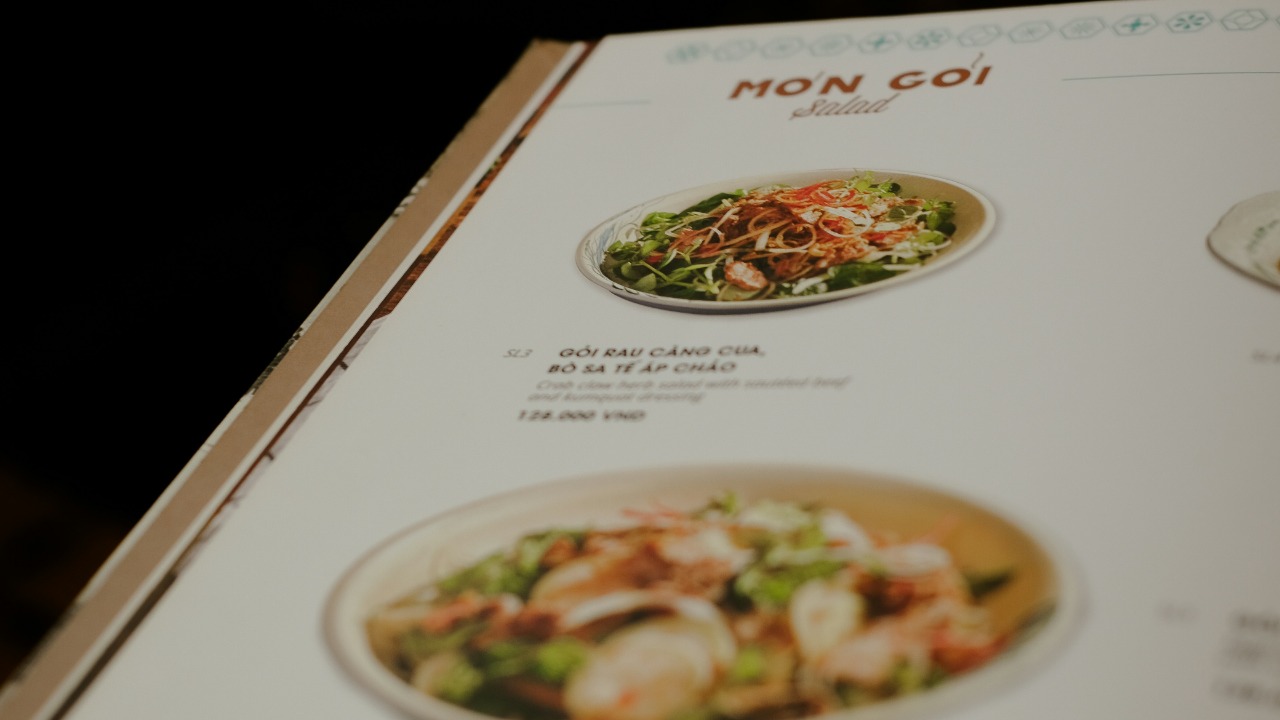
Some diners might be impressed by long, elaborate descriptions on restaurant menus. However, some chefs steer clear of these dishes. The reason? A long description can often be a sign that the restaurant is trying to justify a high price tag or mask the use of lower-quality ingredients.
As consumers become more knowledgeable about food and cooking, chefs are advising against falling for the hype of long menu descriptions. According to Eater, a simple description often indicates confidence in the quality and flavor of the dish, without the need for unnecessary embellishment.

As a mom of three busy boys, I know how chaotic life can get — but I’ve learned that it’s possible to create a beautiful, cozy home even with kids running around. That’s why I started Cultivated Comfort — to share practical tips, simple systems, and a little encouragement for parents like me who want to make their home feel warm, inviting, and effortlessly stylish. Whether it’s managing toy chaos, streamlining everyday routines, or finding little moments of calm, I’m here to help you simplify your space and create a sense of comfort.
But home is just part of the story. I’m also passionate about seeing the world and creating beautiful meals to share with the people I love. Through Cultivated Comfort, I share my journey of balancing motherhood with building a home that feels rich and peaceful — and finding joy in exploring new places and flavors along the way.