

As the leaves begin to change and cooler weather sets in, many shoppers may notice a shift in grocery prices. Economic factors, supply chain disruptions, and seasonal changes contribute to these fluctuations. Here’s a closer look at 12 grocery items that are becoming more expensive this fall.
Eggs
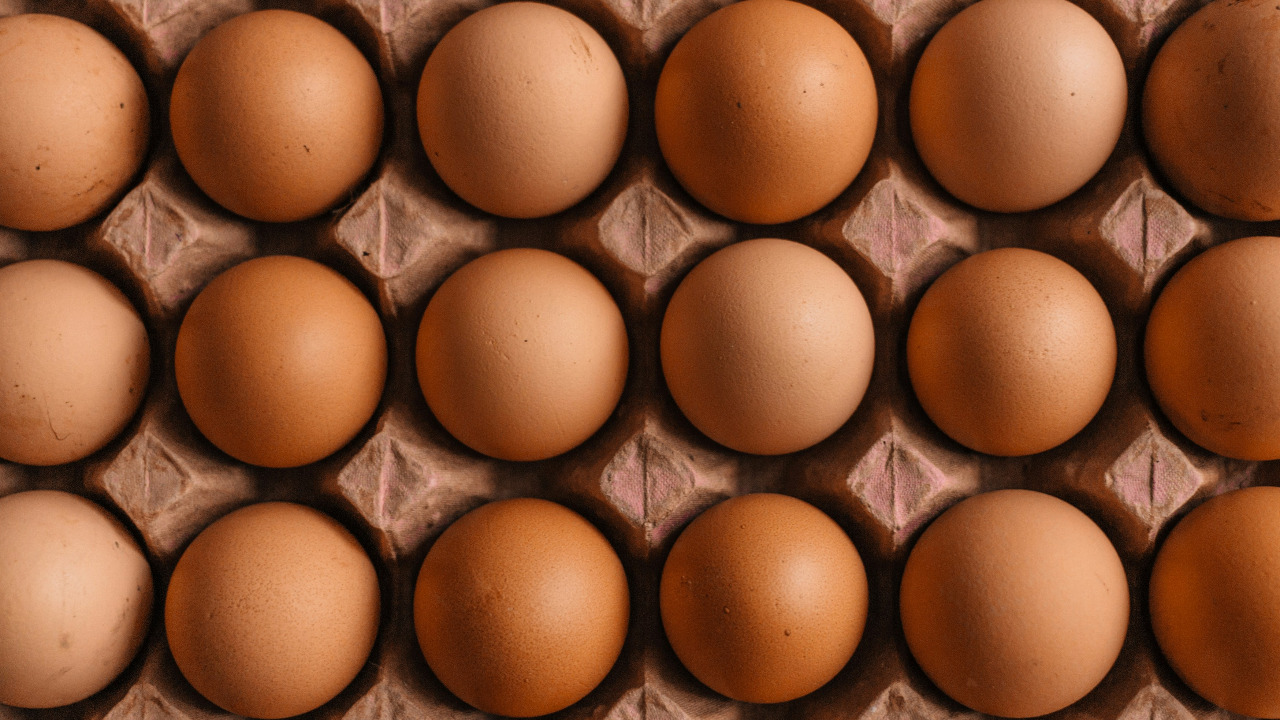
Egg prices have been on the rise due to various factors, including feed costs and avian flu outbreaks. This fall, expect to pay more for a dozen eggs as demand remains high. While eggs are a staple in many households, considering alternatives like plant-based egg products may help manage your budget.
Many consumers are exploring options such as JUST Egg, which offers a plant-based alternative that rivals traditional eggs in both taste and versatility. Keeping an eye on local farmers’ markets can also provide more affordable and fresh options.
Dairy Products

Dairy products, including milk, cheese, and yogurt, are seeing price hikes due to increased feed costs and labor shortages. The dairy industry is also facing transportation challenges, which contribute to higher costs. This may impact your weekly grocery bill significantly.
For those who consume dairy frequently, switching to plant-based alternatives like almond or oat milk might be a cost-effective solution. Additionally, buying in bulk or choosing store brands can offer some financial relief while ensuring you still enjoy these kitchen essentials.
Poultry
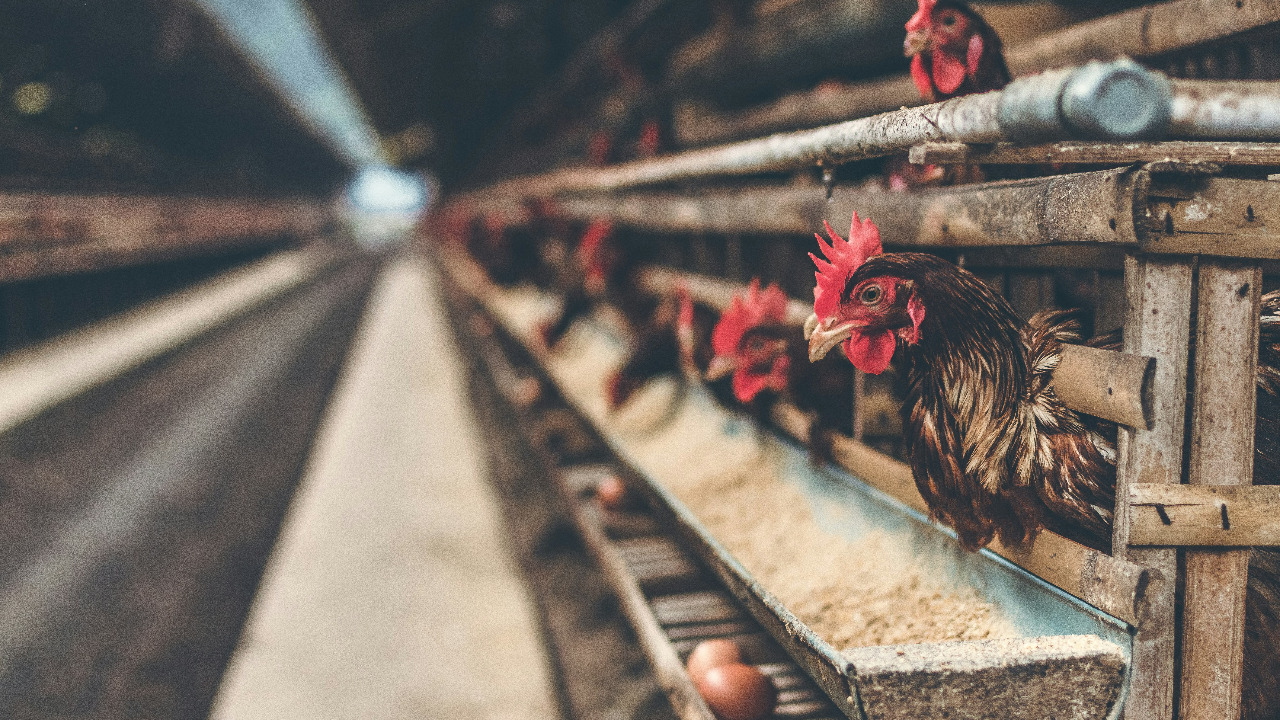
Poultry prices are climbing due to feed price increases and labor shortages in processing plants. Chicken and turkey, often seen as affordable protein options, may now be pricier. This is particularly noticeable during seasonal events like Thanksgiving when demand peaks.
Exploring other protein sources such as legumes or plant-based meats like Beyond Meat can diversify your meals while keeping costs down. Additionally, buying whole chickens and utilizing every part can maximize value and reduce waste.
Bread and Bakery Items
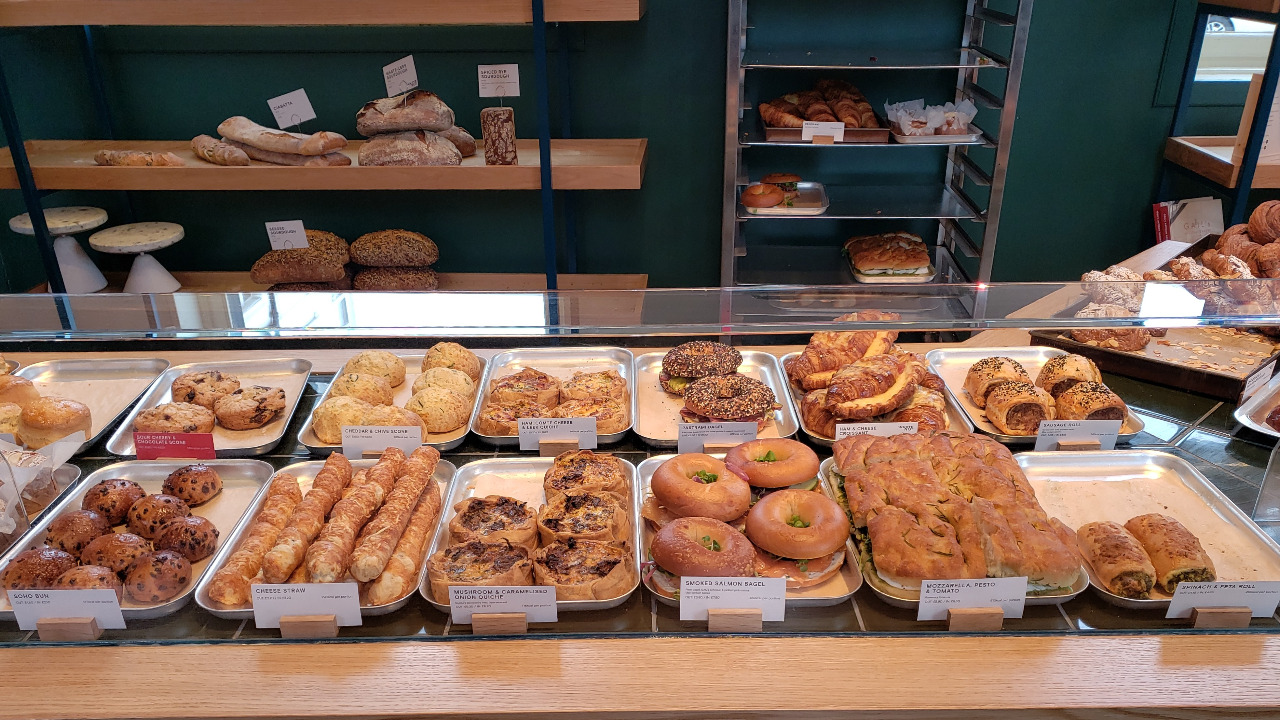
Rising wheat prices are affecting the cost of bread and other bakery items. As a staple in many homes, this price increase impacts a wide range of products from sliced bread to pastries. Keeping an eye on sales and considering baking at home might offset some of these increases.
Home baking not only offers a cost-effective solution but also allows for customization and healthier options. There are plenty of online resources and recipes available to make baking both fun and economical.
Fresh Produce
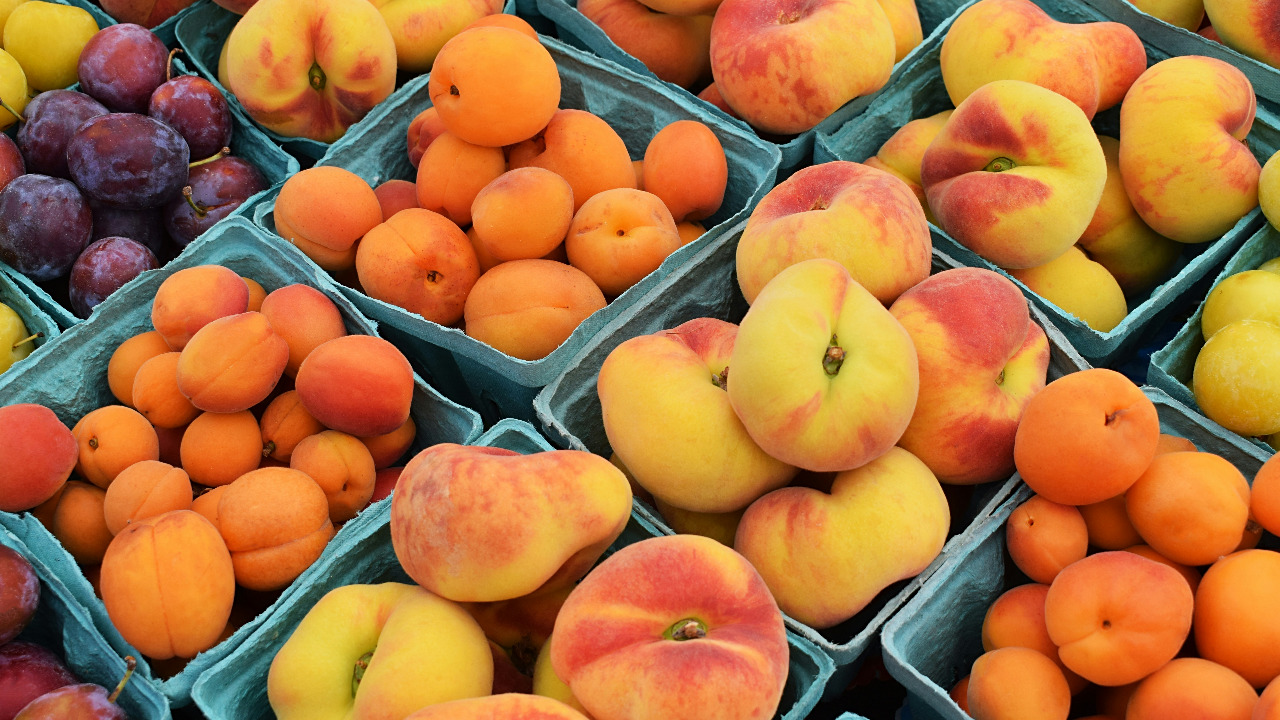
Seasonal changes and climate impacts are causing fresh produce prices to fluctuate. Items like apples, squash, and leafy greens may see increased prices this fall. This can be attributed to lower yields and increased transport costs.
Shopping for in-season produce and visiting farmers’ markets can help find better deals. Additionally, joining a community-supported agriculture (CSA) program can provide a steady supply of fresh produce at a more predictable cost.
Coffee

The coffee industry is experiencing price surges due to climate challenges in major coffee-producing regions. This affects everything from your local café’s latte to the beans you brew at home. Coffee lovers might need to budget more for their daily caffeine fix this season.
Consider exploring different blends or purchasing coffee in bulk to save money. Additionally, investing in a good quality coffee maker and brewing at home can offer a more cost-effective way to enjoy your favorite beverage.
Canned Goods
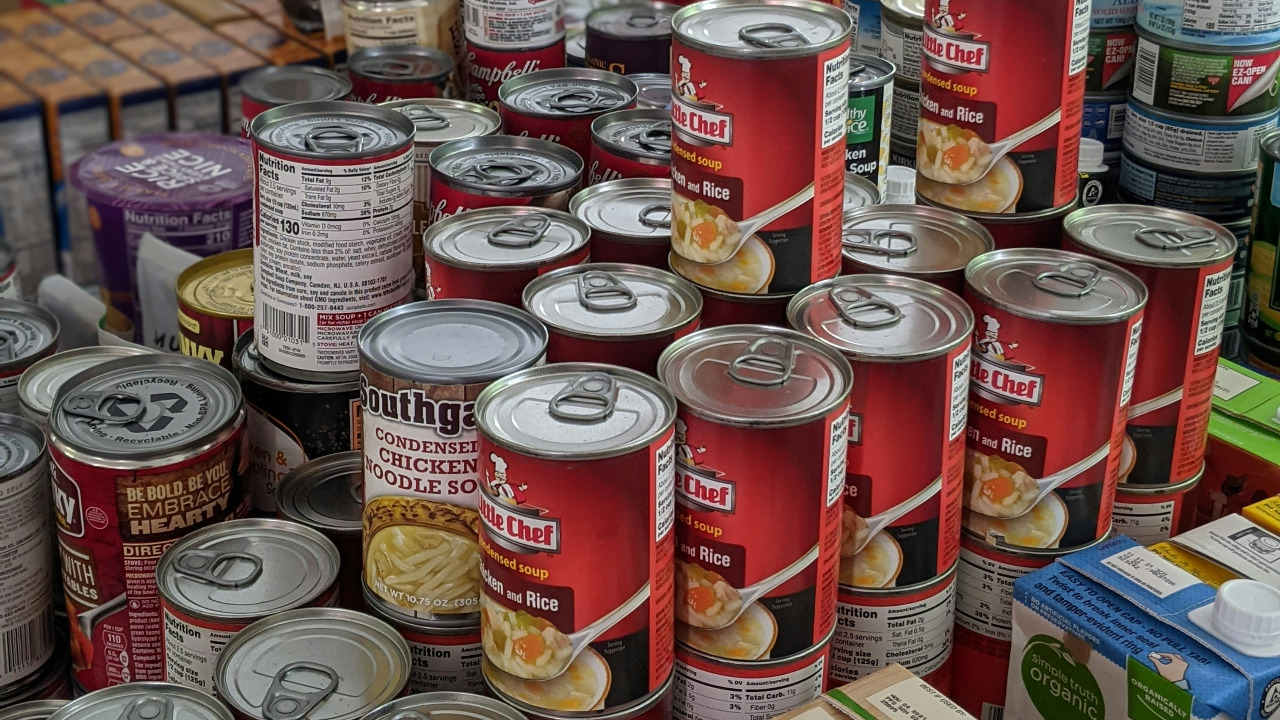
Canned goods are not immune to price increases, with metal shortages and transportation costs affecting items like canned vegetables, soups, and beans. These pantry staples are often relied upon for quick and easy meals, so the impact is widely felt.
To mitigate costs, look for sales and consider purchasing store-brand alternatives. Stocking up during promotions can also ensure you have a reserve without breaking the bank.
Snacks and Confectionery

Rising sugar and cocoa prices are influencing the cost of snacks and confectionery items. From chocolate bars to savory treats, prices are creeping up, making it more expensive to indulge in these guilty pleasures.
Moderation and opting for homemade versions of your favorite snacks can be both healthier and more budget-friendly. There are countless recipes online that mimic store-bought treats, offering a fun and economical alternative.
Seafood
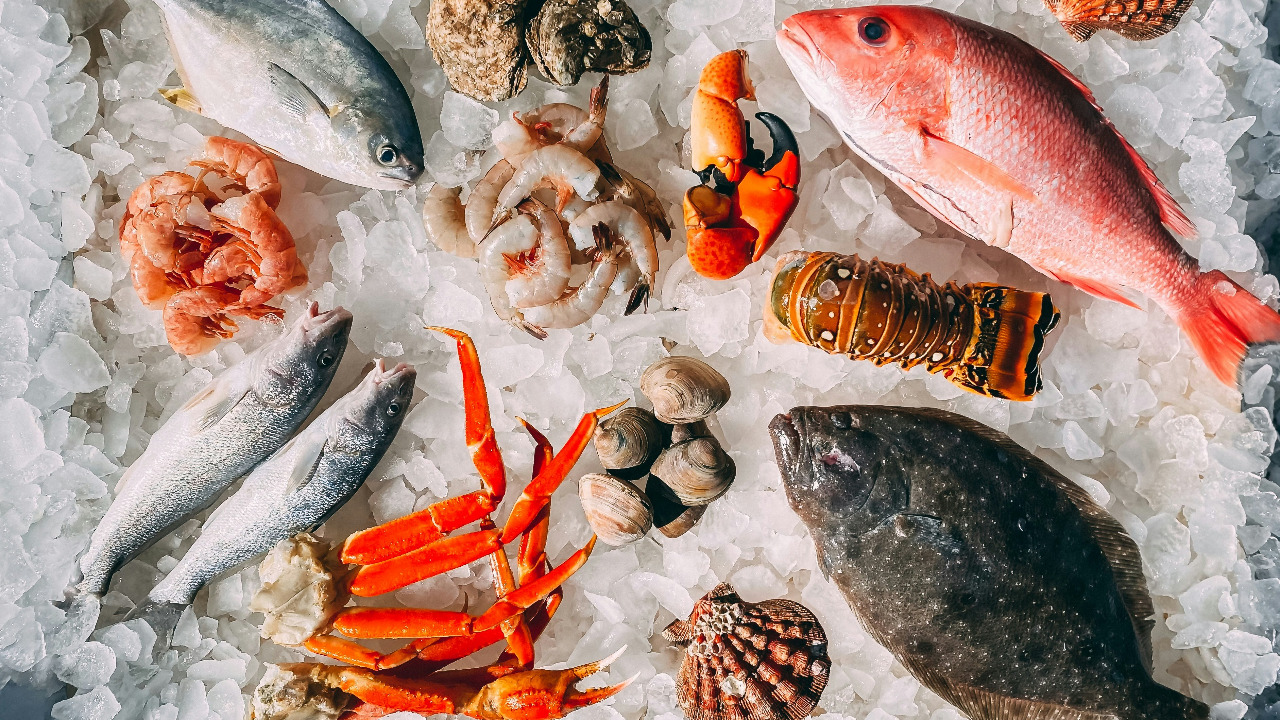
Seafood prices are rising due to overfishing, environmental regulations, and import costs. Whether you prefer salmon, shrimp, or shellfish, expect to pay more at the seafood counter this season.
Exploring local fish markets can sometimes yield better deals or fresher options. Additionally, considering sustainable seafood choices not only helps the environment but can sometimes be more affordable.
Pasta and Grains
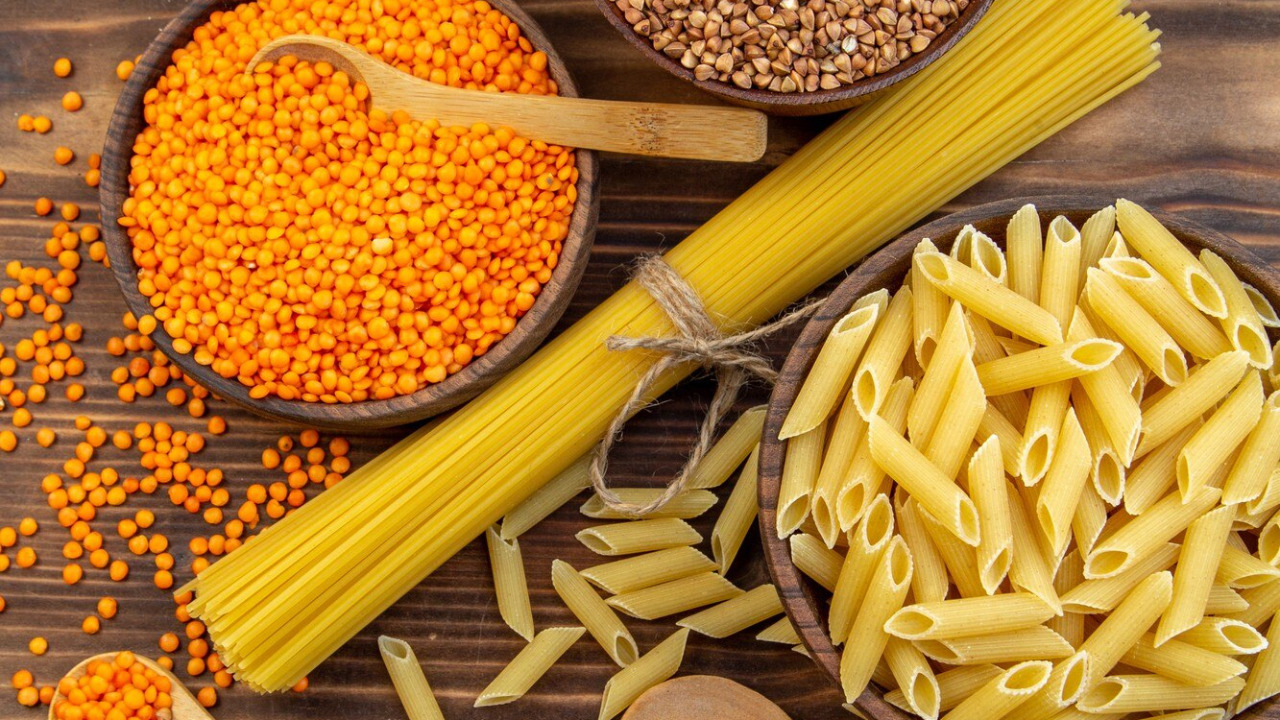
Global supply chain issues are affecting the cost of pasta and grains. Items like rice, pasta, and flour are seeing price increases, impacting many households’ weekly meal planning.
Buying in bulk or choosing store-brand options can help keep costs manageable. Exploring diverse grains such as quinoa or bulgur can diversify meals and provide nutritional benefits.
Spices and Seasonings
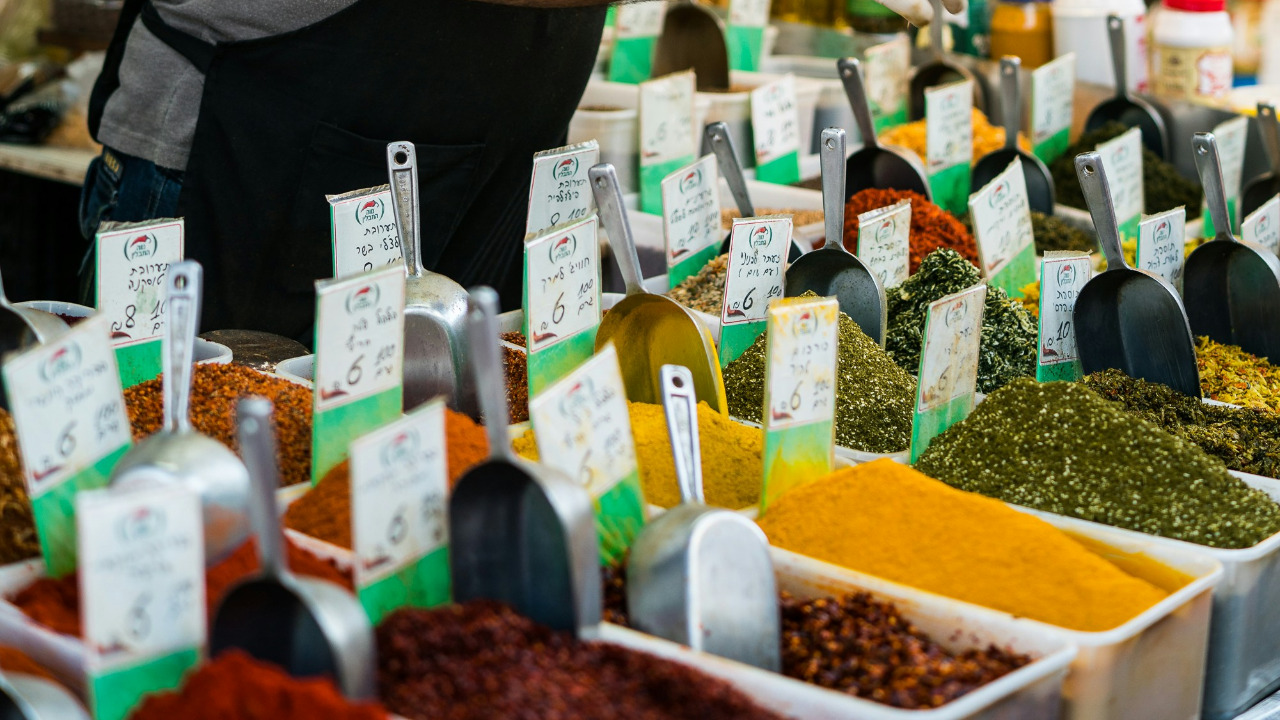
Spices and seasonings are becoming pricier due to import challenges and crop failures in key growing regions. These culinary essentials are important for enhancing flavor, making their rising cost impactful for home cooks.
Purchasing spices in bulk or visiting ethnic grocery stores can sometimes offer better prices and quality. Growing your own herbs at home is another cost-effective way to add fresh flavor to your dishes.
Frozen Foods
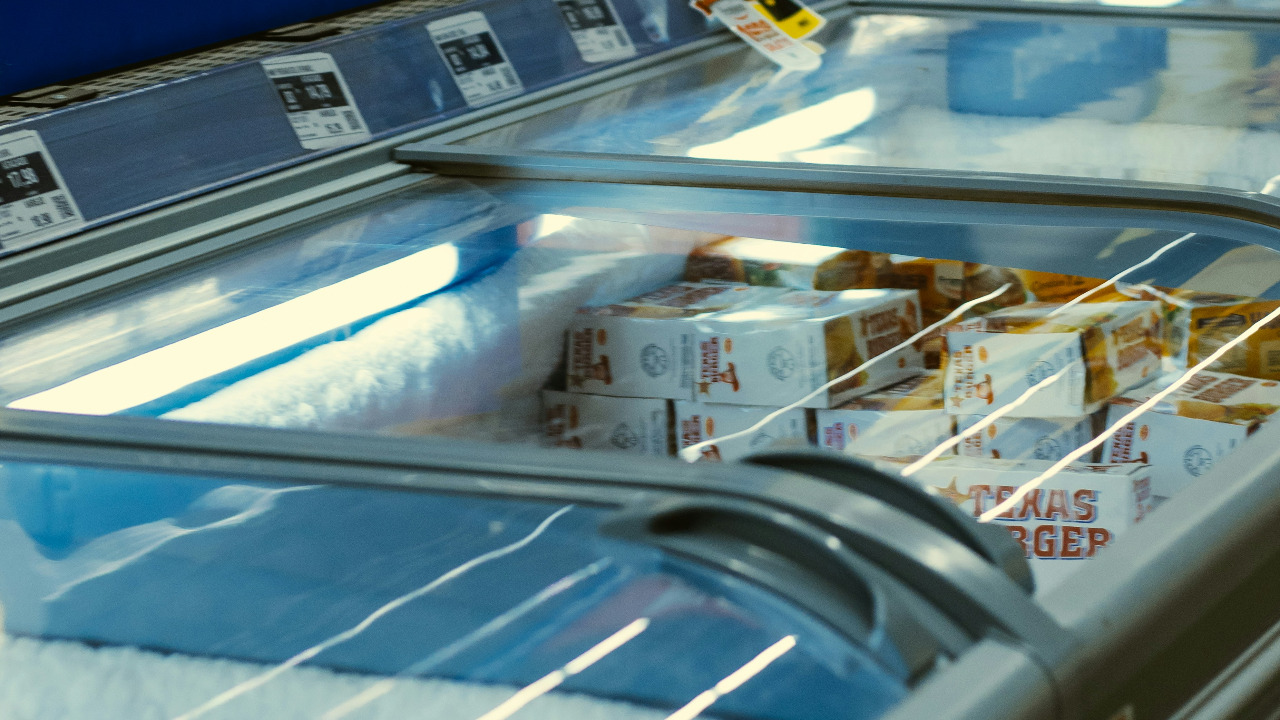
Frozen foods, from vegetables to ready-made meals, are seeing price hikes due to increased production costs and demand. These convenient options are a staple for many busy families, making the price increases particularly noticeable.
Consider preparing and freezing meals at home as a cost-saving alternative. This not only allows for healthier options but also ensures you have meals ready to go without the added expense of pre-packaged items.

As a mom of three busy boys, I know how chaotic life can get — but I’ve learned that it’s possible to create a beautiful, cozy home even with kids running around. That’s why I started Cultivated Comfort — to share practical tips, simple systems, and a little encouragement for parents like me who want to make their home feel warm, inviting, and effortlessly stylish. Whether it’s managing toy chaos, streamlining everyday routines, or finding little moments of calm, I’m here to help you simplify your space and create a sense of comfort.
But home is just part of the story. I’m also passionate about seeing the world and creating beautiful meals to share with the people I love. Through Cultivated Comfort, I share my journey of balancing motherhood with building a home that feels rich and peaceful — and finding joy in exploring new places and flavors along the way.

