Everybody loves a good meal at a restaurant. However, are you aware that the menu you hold in your hands is potentially designed to make you spend more? Indeed, from the layout to the descriptions, each element is carefully crafted to entice you to part with your cash. Understanding these tricks can help you make better choices, save money, and enjoy your meal even more.
This list is not a mere compilation of opinions. Instead, it’s based on real-world trends, expert interviews, and data analysis. It gives you an insight into the subtle psychological tactics that restaurants often use to enhance their profits. Expect to gain valuable knowledge that will change the way you view restaurant menus henceforth.
1. Expensive decoys
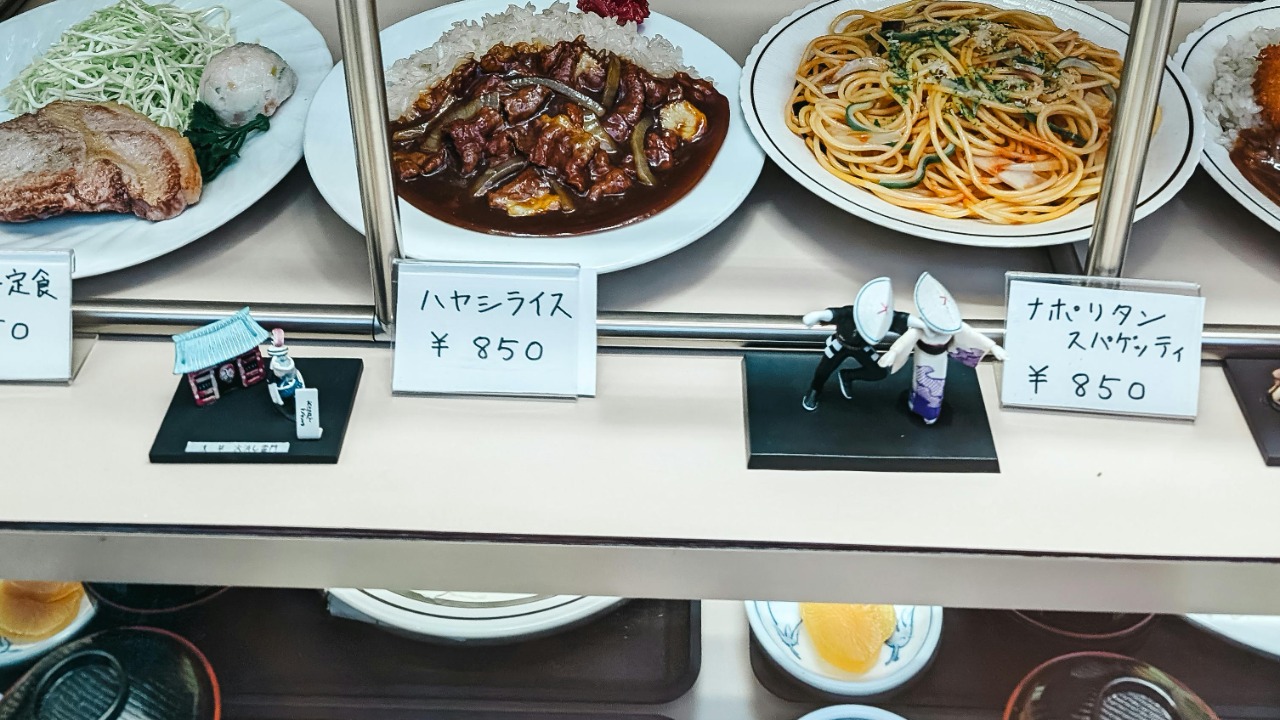
One common trick that restaurants use is to put a few extremely expensive items at the top of the menu. These items, often termed as ‘decoys’, make the rest of the menu seem reasonably priced in comparison. The goal here is not necessarily to sell the expensive items, but to make you feel that you’re getting a good deal when you select something cheaper.
According to BBC Worklife, this tactic is based on the principle of relativity, where people make decisions based on the context they’re provided. Be aware of this trick the next time you dine out to make an informed choice.
2. Fancy language
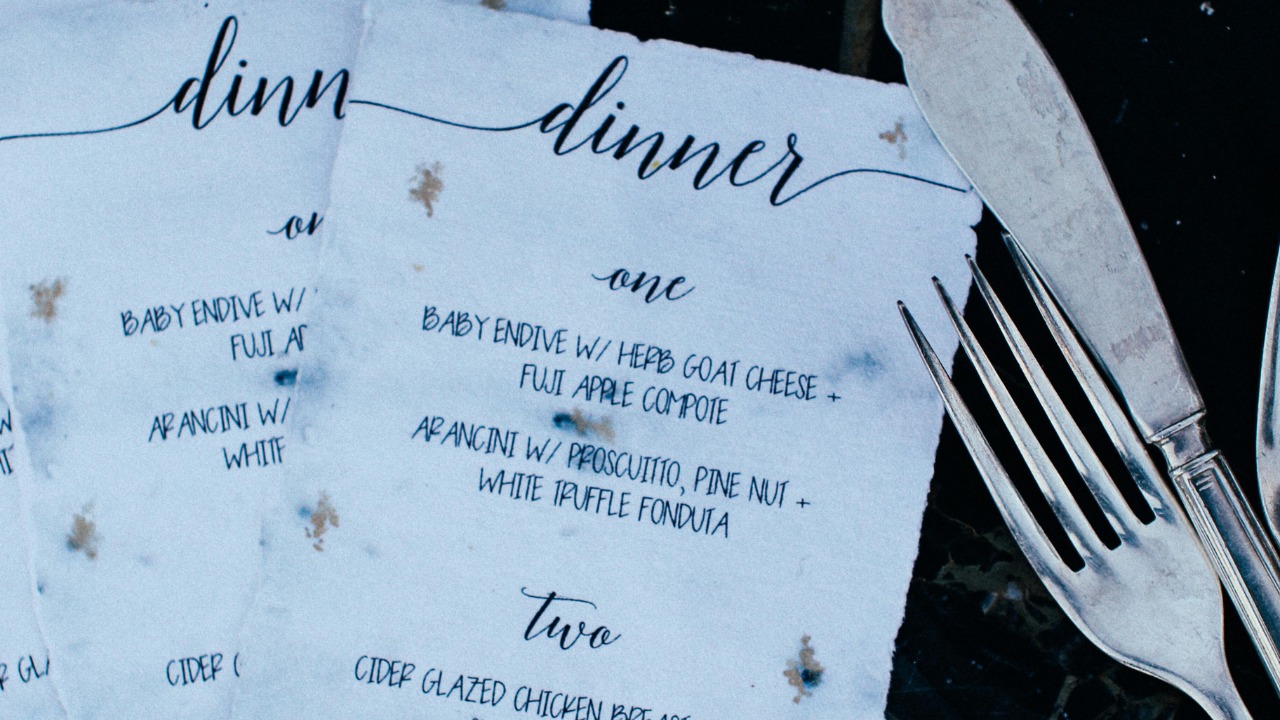
Menu descriptions that sound exotic or use sophisticated language can make dishes seem more appealing. Using foreign words or technical culinary terms can make a dish sound unique, special, and worth the extra cost. This technique exploits our natural inclination to associate complexity with value.
Experts at the National Library of Medicine found that descriptive menu labels increased sales by 27% and improved attitudes towards the food, the restaurant, and even the patrons’ willingness to return. Be mindful of this the next time you’re tempted by an elaborately described dish.
3. Highlighted items
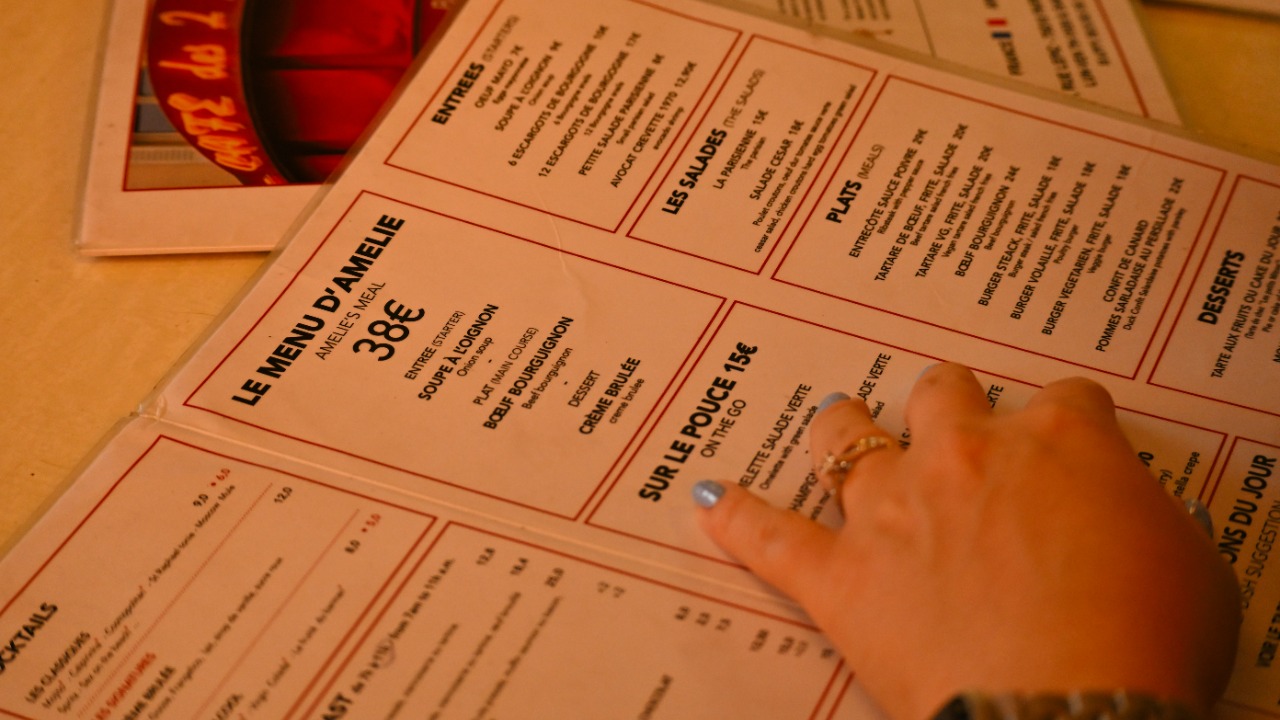
Restaurants often use boxes, borders, or brightly colored backgrounds to draw your attention to specific items on the menu. By creating visual hotspots, they subtly direct your gaze towards these dishes, which are often higher-priced.
According to the Journal of Business Research, visual cues on menus significantly influence consumers’ attention and choice. So, the next time you notice your eyes being drawn to a certain section of the menu, remember it might not be a coincidence.
4. Anchoring
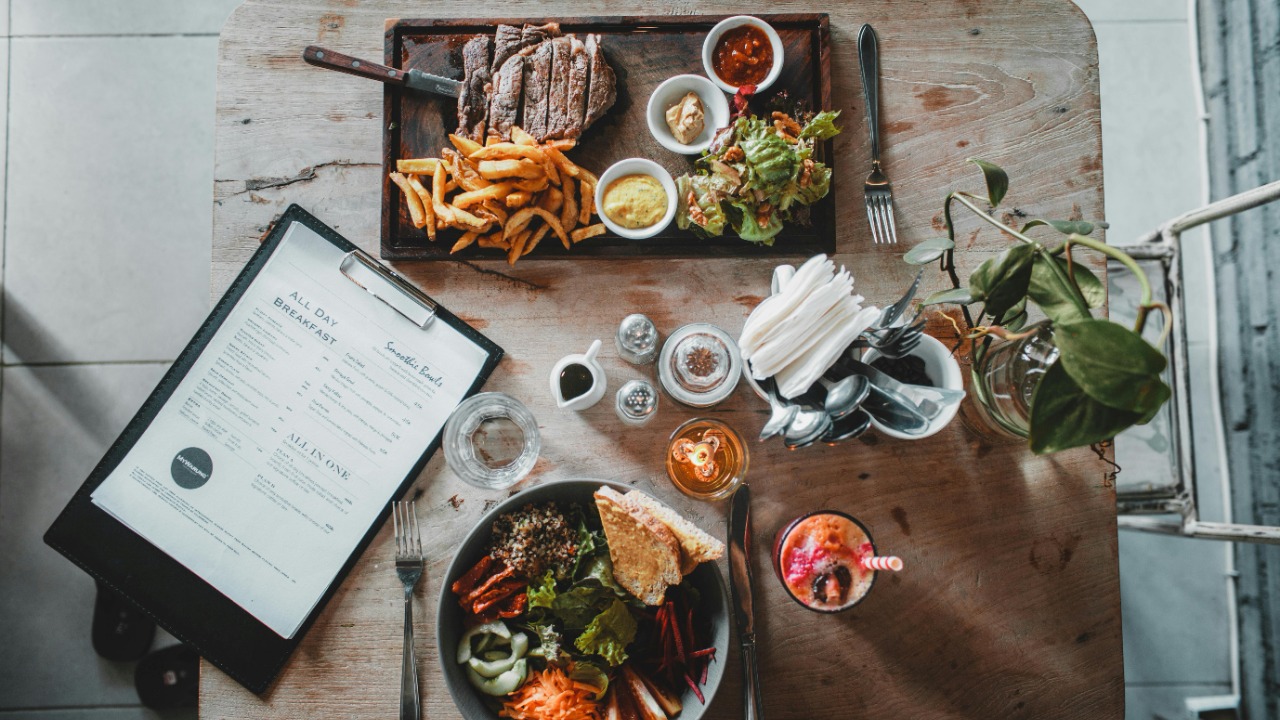
‘Anchoring’ is a psychological trick where the first price you see on the menu becomes the reference point for all other prices. For example, if the first item on the menu is a $50 steak, suddenly a $30 pasta dish doesn’t seem so expensive anymore.
A study published by the Journal of Consumer Research confirms that anchoring influences consumer choices and spending. Therefore, it’s important not to let the first price you see on a menu cloud your judgment.
5. The paradox of choice
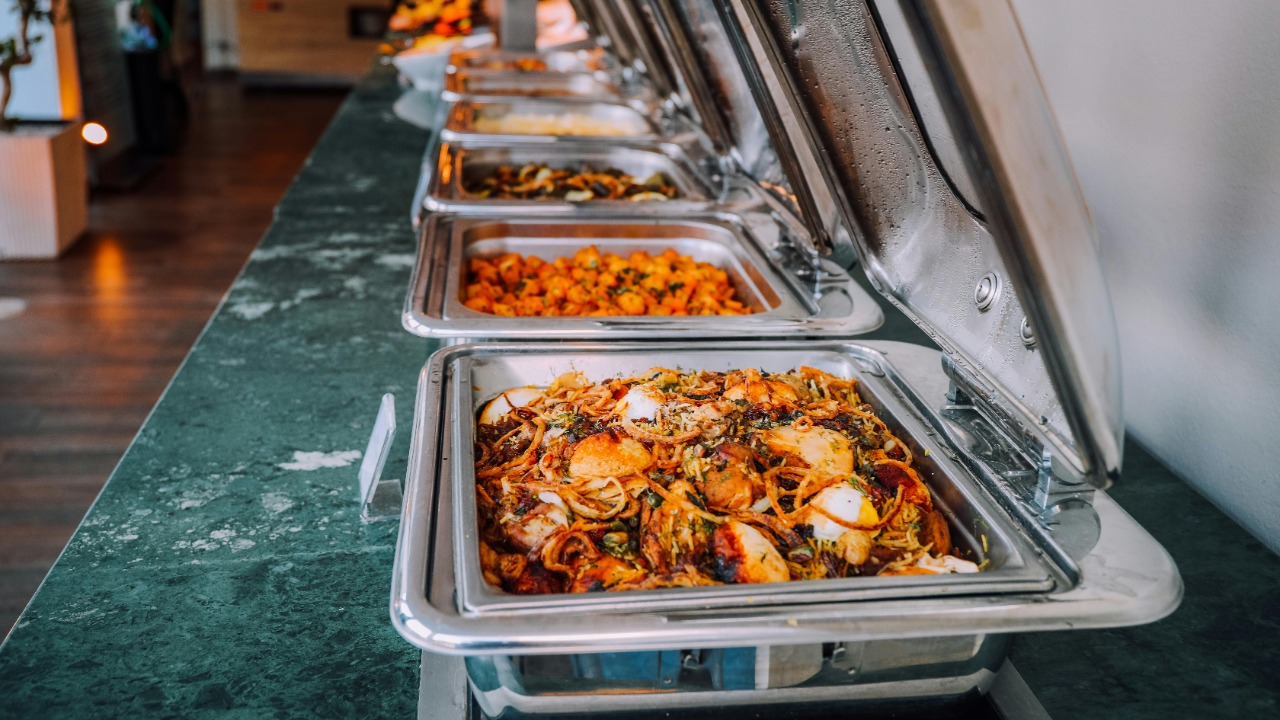
Ever noticed how some menus offer a wide array of options? This is known as the ‘paradox of choice’. While it may seem like the restaurant is being generous, this tactic is designed to overwhelm you so that you’re more likely to choose higher-priced items.
As psychologist Barry Schwartz explains in his book The Paradox of Choice, too many options can make us stressed and unhappy. So remember, less is sometimes more when it comes to making choices at a restaurant.
6. Price positioning
Restaurants often strategically place prices to manipulate your choices. You’ll rarely see prices neatly listed in a column. Instead, they’re discretely placed after the description. This tactic tries to get you to make decisions based on the dish rather than the price.
Research published in the Journal of Retailing and Consumer Services confirms that price layout affects customer perception and buying behavior. Be aware of this the next time you’re perusing a menu.
7. The right-hand trick
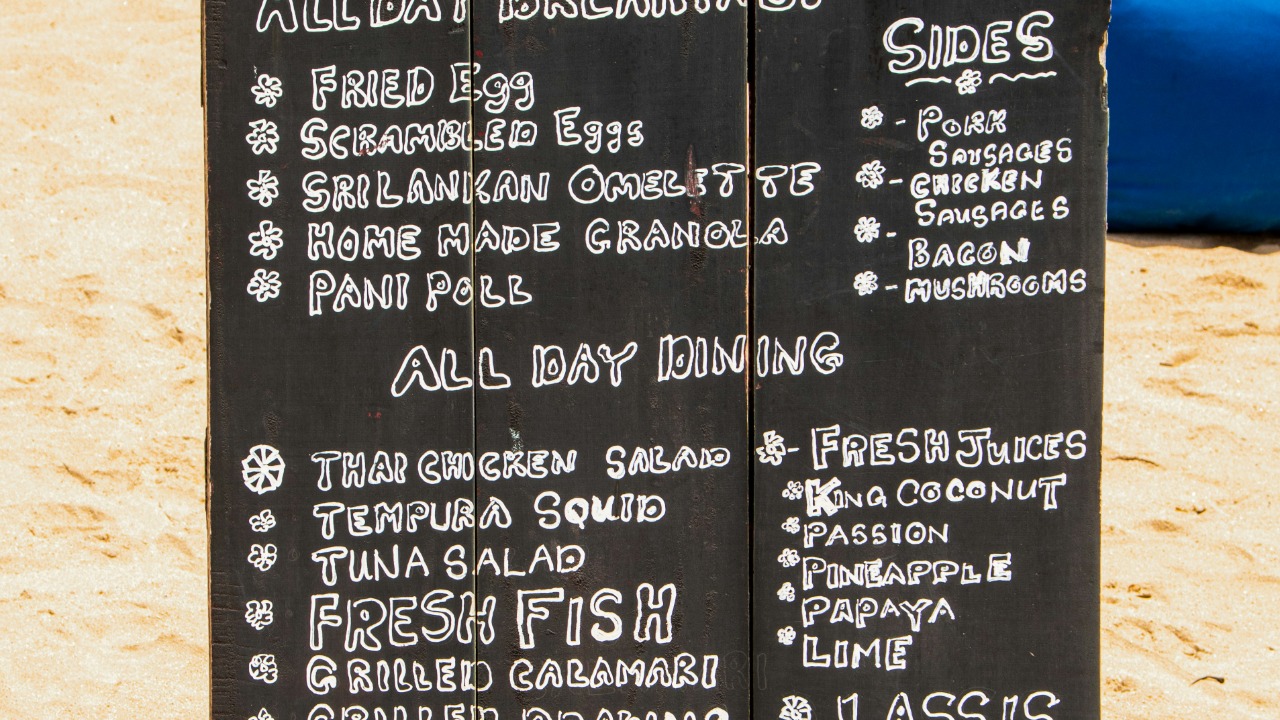
Many menus are designed knowing that people’s eyes naturally go to the top right corner first. Therefore, restaurants often place high-profit items in this spot. This is a simple yet effective trick to guide your attention to dishes they want to sell more.
The concept of ‘eye gaze motion’ is well documented in the Journal of Marketing, which explains how consumers’ eye movements influence their decision-making. So, don’t be surprised if you find yourself drawn to the top right of the menu.
8. Price by the piece
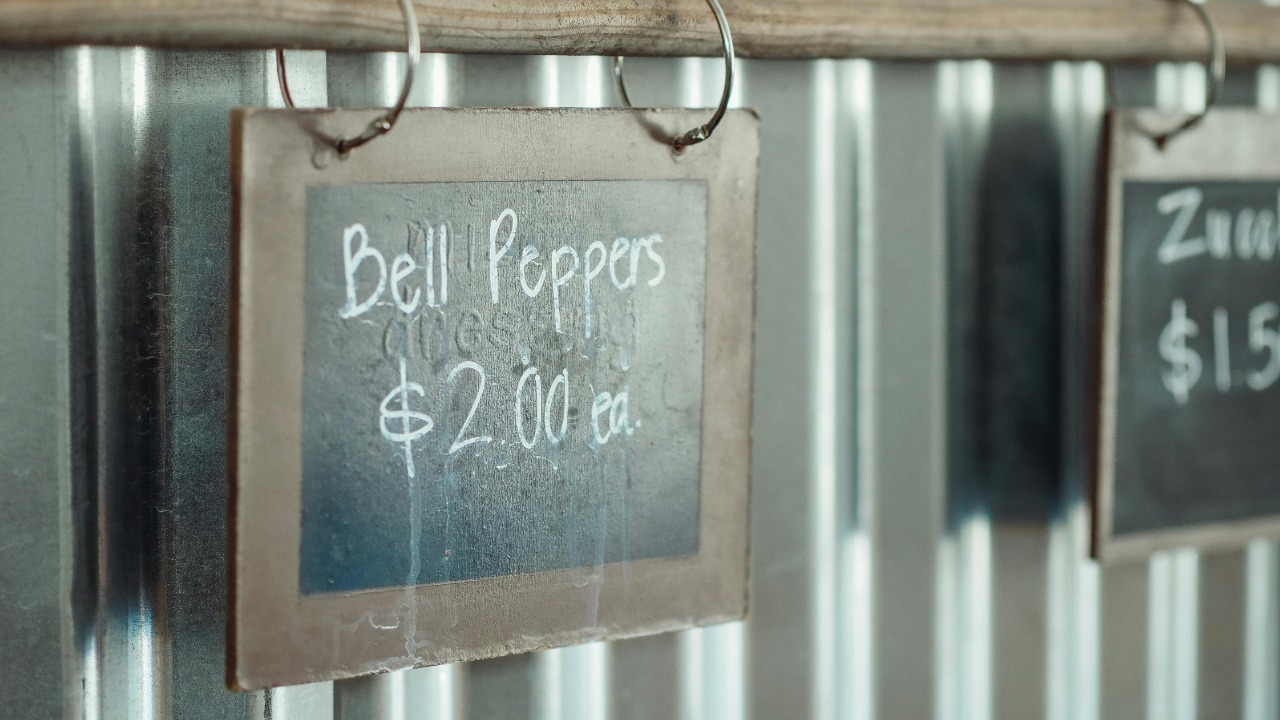
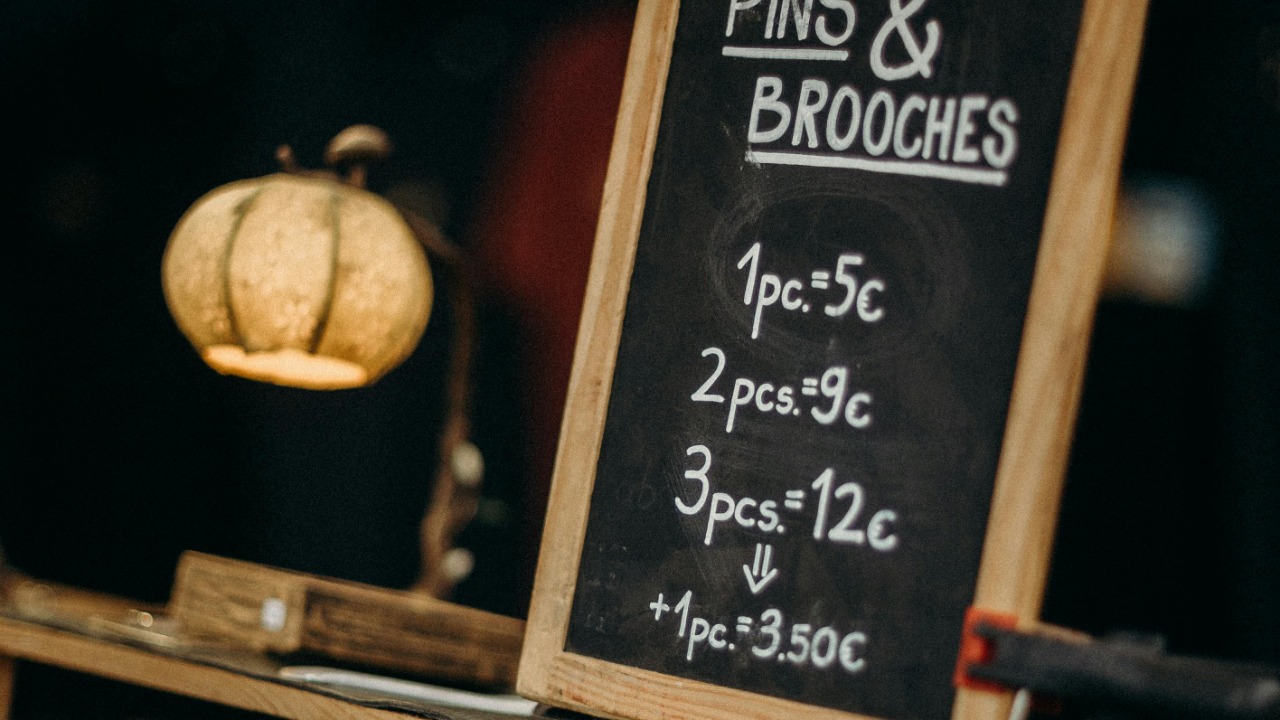
Some menus list items like sushi or tapas ‘by the piece’. This can make them seem cheaper, but the cost adds up quickly when you order multiple pieces. This trick makes you think less about the total cost and more about the perceived value of each individual item.
Research by the University of Chicago Press Journals shows that ‘partitioned pricing’ can increase the perceived value of products and lead to higher overall spending. Be careful not to fall for this trick when ordering items priced ‘by the piece’.
9. The magic of ‘9’
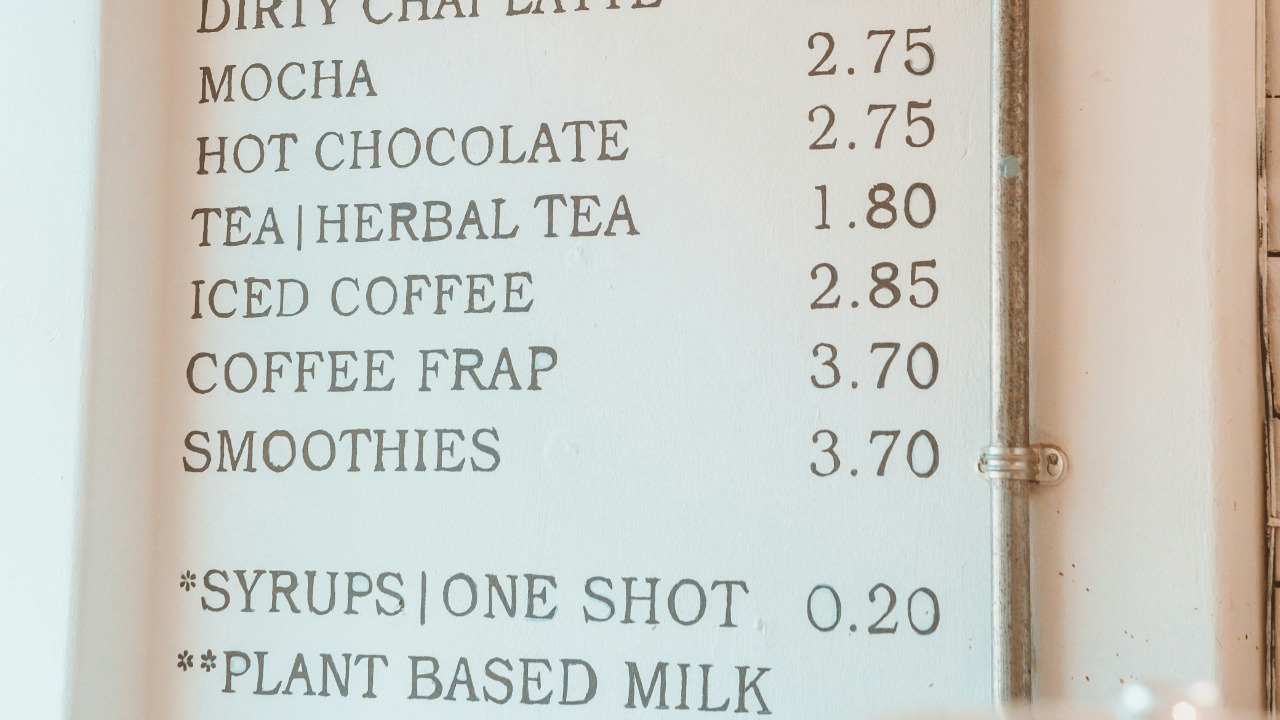
Prices ending in ‘.99’ or ‘.95’ are a classic trick used not just in restaurants, but in retail as well. The idea is that $9.99 seems significantly less than $10, even though the difference is just one cent. This mental rounding down can make a meal seem cheaper than it actually is.
The effectiveness of charm pricing is confirmed by a study in the Journal of Marketing. The next time you see a price ending in ‘.99’ or ‘.95’, remember it’s a psychological trick to make you spend more.
10. Menu design and layout
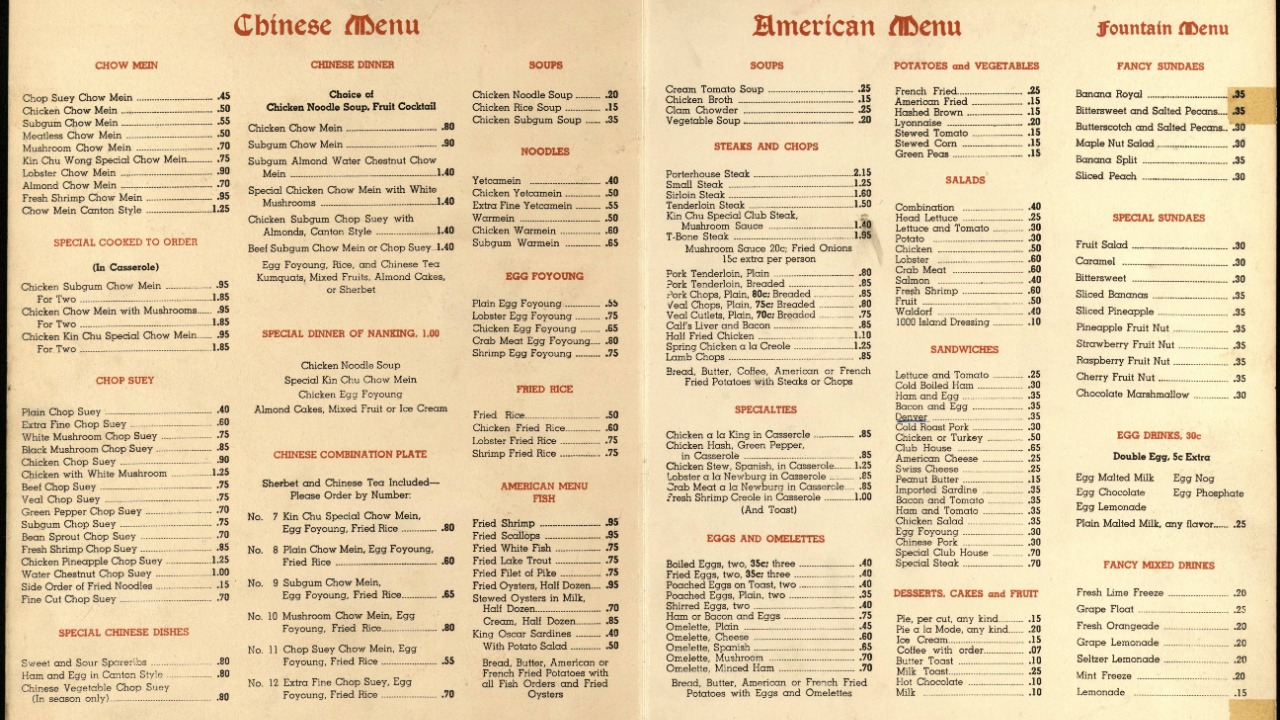
From the use of images to typography, the design of the menu can influence your choices. High-profit dishes might be highlighted with attractive images, while cheaper dishes are tucked away in less noticeable spots. The type of font used can also impact the perceived value of the dishes.
A study in the International Journal of Contemporary Hospitality Management found that menu design significantly affects customers’ attitudes and behaviors. The next time you dine out, take a moment to appreciate the design elements of the menu and how they might be influencing your choices.

As a mom of three busy boys, I know how chaotic life can get — but I’ve learned that it’s possible to create a beautiful, cozy home even with kids running around. That’s why I started Cultivated Comfort — to share practical tips, simple systems, and a little encouragement for parents like me who want to make their home feel warm, inviting, and effortlessly stylish. Whether it’s managing toy chaos, streamlining everyday routines, or finding little moments of calm, I’m here to help you simplify your space and create a sense of comfort.
But home is just part of the story. I’m also passionate about seeing the world and creating beautiful meals to share with the people I love. Through Cultivated Comfort, I share my journey of balancing motherhood with building a home that feels rich and peaceful — and finding joy in exploring new places and flavors along the way.