Are you looking to shed some pounds, but don’t want to bid farewell to your favorite carb-loaded treats? Well, you’re in luck! There are numerous strategies to lose weight without having to give up carbs entirely. Let’s explore some of these tips that can aid in your weight loss journey, all while keeping carbs on the menu.
1. Incorporate Regular Exercise in Your Daily Routine

It’s no secret that regular physical activity is a crucial component of a healthy lifestyle. But did you know it’s also vital for weight loss? Engaging in exercises such as brisk walking, cycling, or even a high-intensity interval training (HIIT) session can help you burn calories and shed those extra pounds. Making exercise a part of your daily routine not only aids in weight loss but also boosts your mood, energy levels, and overall health.
Remember, the key is consistency. It’s not about how hard you can go in a single workout, but rather about making it a regular part of your lifestyle. Whether it’s a morning jog, an afternoon yoga session, or an evening dance class, find a form of exercise that you enjoy and stick with it!
2. Increase Your Protein Intake

Protein is a vital nutrient that can help you lose weight without giving up carbs. Consuming enough protein can reduce hunger and increase feelings of fullness, thereby helping you eat fewer calories. This happens because protein affects the hunger hormones in your gut, brain, and body. Poultry, fish, eggs, dairy, and legumes are all excellent sources of protein.
Consider incorporating a protein-rich breakfast into your diet. A healthy omelet or a smoothie with protein powder can set you up for a day of successful weight management. And remember, you don’t have to cut out carbs entirely. You can still enjoy your favorite pasta dish — just make sure to add plenty of protein, like grilled chicken or shrimp, to help keep you full and satisfied.
3. Control Your Portion Sizes

When it comes to weight loss, portion sizes matter. Even if you’re eating healthy foods, consuming too much can lead to weight gain. Try using smaller plates and bowls, as this can trick your brain into thinking you’re eating more than you actually are. Also, try to slow down and savor your meals. It takes about 20 minutes for your brain to register that you’re full, so eating slowly can help prevent overeating.
Consider using a food scale or measuring cups to ensure you’re serving the right portions. And remember, it’s not just about the size of your meals, but also about balancing them with the right nutrients. Make sure each meal includes a good balance of protein, carbs, and healthy fats.
4. Choose Whole Grains Over Refined Grains
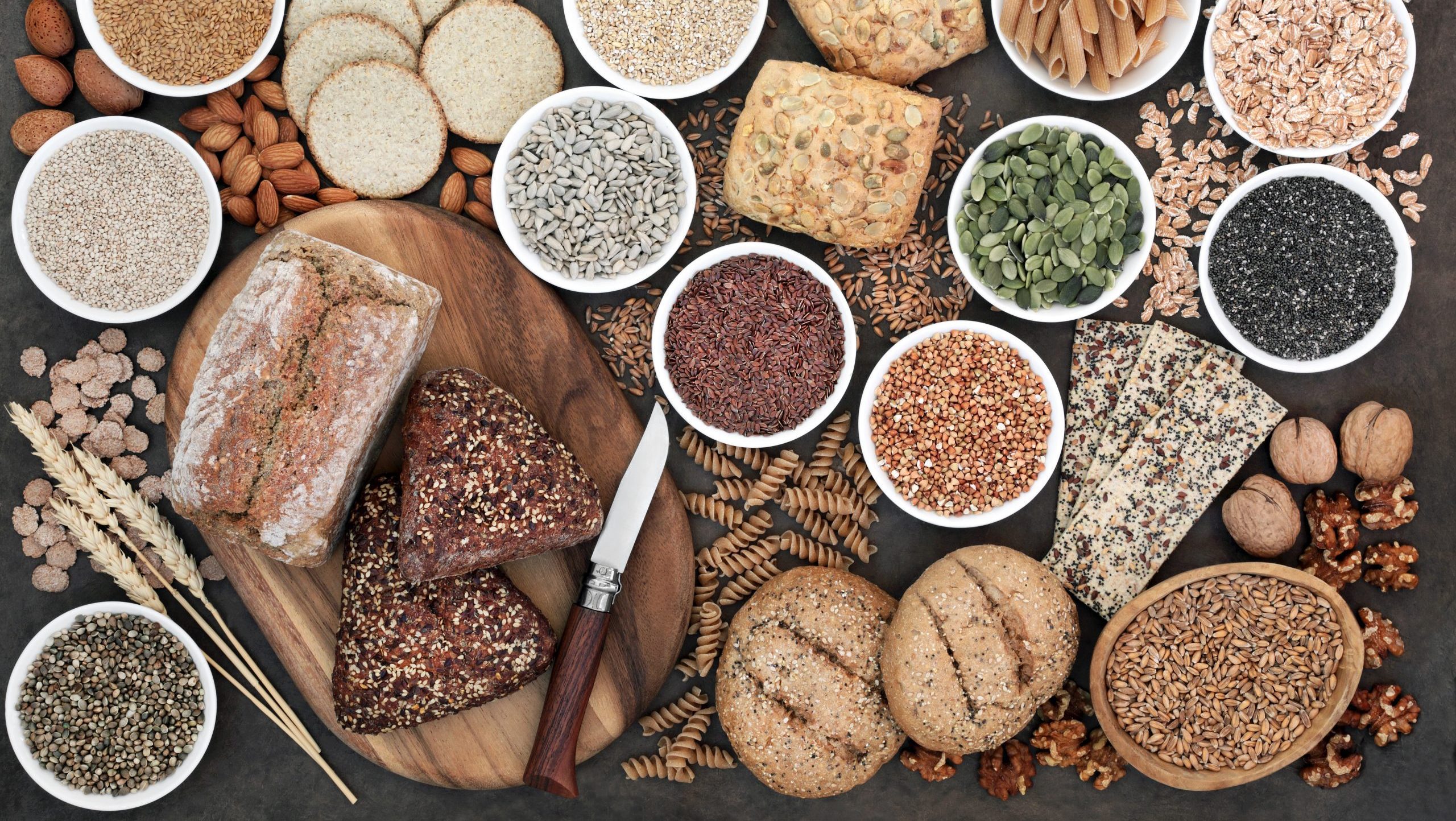
Not all carbs are created equal. Whole grains — like brown rice, oatmeal, and whole wheat bread — are packed with fiber and other nutrients. They’re more filling than refined grains, like white rice or white bread, and can help you feel full longer. This can help you eat less and lose weight, all while still enjoying carbs.
Incorporating whole grains into your diet is easy. Swap out white bread for whole wheat in your sandwiches, choose brown rice over white at dinner, or start your day with a bowl of oatmeal. You’ll be enjoying carbs while still keeping your weight loss goals on track.
5. Stay Hydrated Throughout The Day

Staying hydrated is key to maintaining good health and can also help with weight loss. Drinking water can help control hunger and keep you from overeating. Try drinking a glass of water before meals to help curb your appetite. Also, replacing sugary drinks like soda or fruit juice with water can significantly reduce your calorie intake.
Remember, it’s not just about the water you drink. Foods high in water content, like fruits and vegetables, can also contribute to your hydration levels. So, make sure to include plenty of these in your diet along with regular water intake.
6. Prioritize Quality Sleep

Quality sleep is often overlooked when it comes to weight loss, but it’s just as important as diet and exercise. Lack of sleep can disrupt your metabolism and lead to weight gain. Make sure to get at least 7-9 hours of sleep per night, and try to keep a consistent sleep schedule even on weekends.
Quality sleep doesn’t just mean the number of hours you sleep. Avoid screens before bed, keep your bedroom cool and dark, and try to wake up and go to bed at the same time every day. All these can help improve the quality of your sleep and ultimately contribute to your weight loss goals.
7. Incorporate More Fiber into Your Diet

Fiber is an essential nutrient that can help you lose weight without ditching carbs. High-fiber foods, like fruits, vegetables, legumes, and whole grains, are more filling, helping you eat less and stay satisfied longer. They also help regulate your digestion, which can prevent bloating and keep your metabolism running smoothly.
Start by adding more fiber-rich foods to your meals. For breakfast, opt for a bowl of oatmeal topped with berries. For lunch, try a salad loaded with veggies. And at dinner, pair your protein with a side of quinoa or brown rice. You’ll be enjoying carbs while still losing weight!
8. Include Healthy Fats in Your Meals

While it may seem counterintuitive, including healthy fats in your meals can actually help you lose weight. Foods high in healthy fats like avocados, nuts, seeds, and olive oil can keep you full and satisfied, preventing overeating. But remember, like all foods, these should be consumed in moderation.
Try adding a handful of nuts to your morning cereal, drizzling olive oil on your salads, or snacking on a piece of avocado toast. These healthy fats can help keep your hunger in check while still allowing you to enjoy your carbs.
9. Make Time for Mindful Eating

Mindful eating is a practice that involves paying full attention to your food as you eat, noticing the flavors, textures, and smells. It can help you enjoy your food more and eat less. Try to eat without distractions like television or your phone. Chew your food thoroughly and take your time to enjoy each bite.
Mindful eating also involves listening to your body’s hunger and fullness cues. Eat when you’re truly hungry, not just because it’s mealtime. And stop eating when you’re comfortably full, not stuffed. This practice can help you maintain a healthy weight while still enjoying a diet rich in wholesome carbs.
10. Opt for Natural Sweeteners Over Artificial Ones
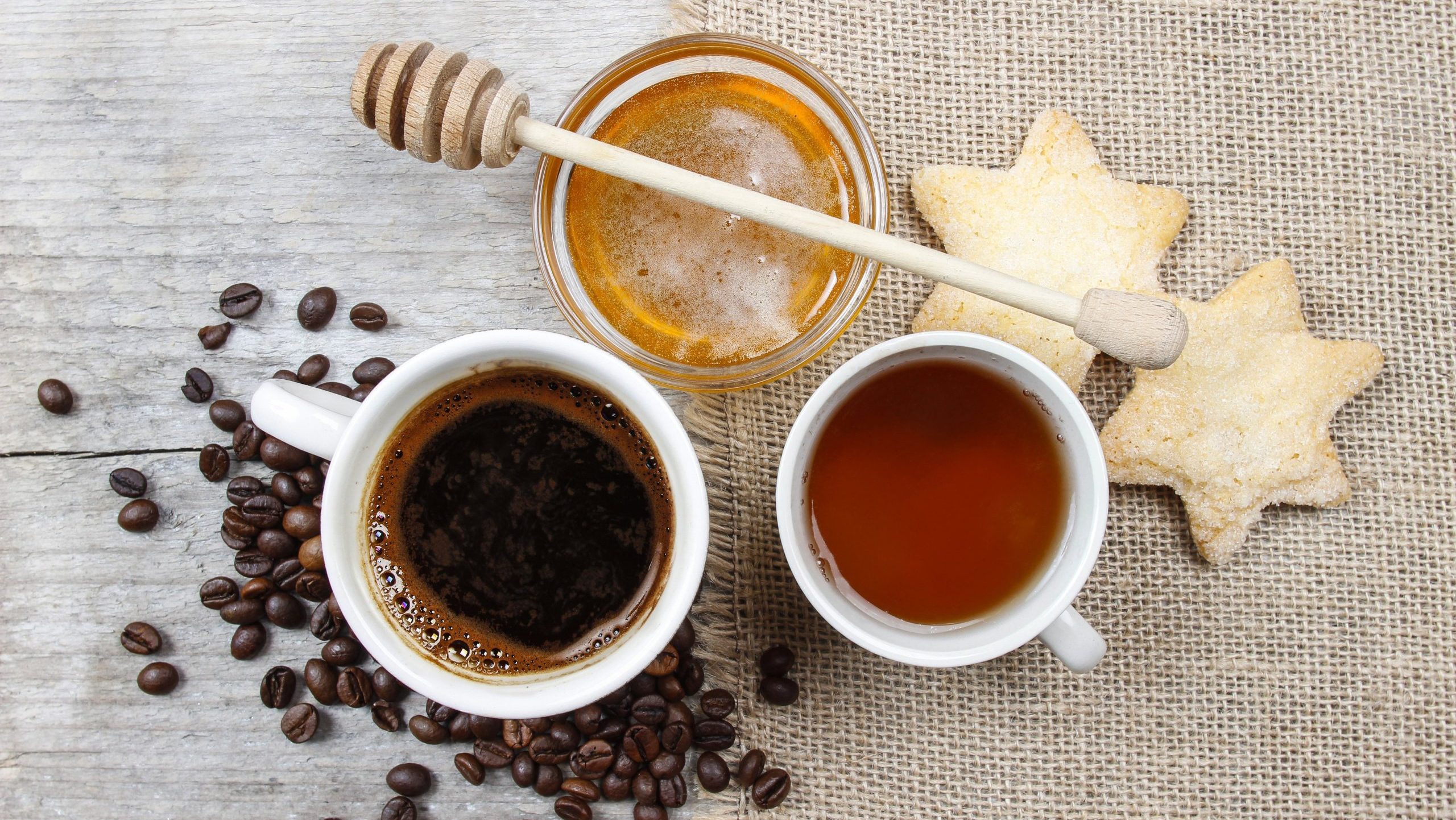
Artificial sweeteners might seem like a good idea for weight loss, but they can actually lead to weight gain and other health problems. Instead, opt for natural sweeteners like honey, maple syrup, or dates. They can satisfy your sweet tooth without adding empty calories to your diet.
Try swapping out the sugar in your morning coffee for a spoonful of honey. Or sweeten your oatmeal with a drizzle of maple syrup. These small changes can add up to big results in your weight loss journey.
11. Limit Alcohol Consumption

While the occasional glass of wine or beer isn’t likely to sabotage your weight loss goals, regular or heavy drinking can. Alcohol is high in calories and can also stimulate your appetite, leading to overeating. Try to limit your alcohol consumption to moderate levels — up to one drink per day for women and up to two drinks per day for men.
If you do choose to drink, opt for lower-calorie options like light beer or a glass of wine over high-calorie cocktails. And remember, it’s always okay to say no to alcohol, especially if you’re serious about your weight loss goals.
12. Keep a Food Journal to Monitor Your Eating Habits

Keeping a food journal can be a powerful tool in your weight loss journey. It can help you see patterns in your eating habits and identify areas where you can make changes. Write down everything you eat and drink, including the portion sizes and the time of day. You might be surprised at what you find!
There are many apps available that can make food tracking easy. Choose one that works for you and start logging your meals. You’ll be on your way to a healthier, happier you in no time!

As a mom of three busy boys, I know how chaotic life can get — but I’ve learned that it’s possible to create a beautiful, cozy home even with kids running around. That’s why I started Cultivated Comfort — to share practical tips, simple systems, and a little encouragement for parents like me who want to make their home feel warm, inviting, and effortlessly stylish. Whether it’s managing toy chaos, streamlining everyday routines, or finding little moments of calm, I’m here to help you simplify your space and create a sense of comfort.
But home is just part of the story. I’m also passionate about seeing the world and creating beautiful meals to share with the people I love. Through Cultivated Comfort, I share my journey of balancing motherhood with building a home that feels rich and peaceful — and finding joy in exploring new places and flavors along the way.