You probably don’t notice how small habits slip into bigger patterns, but those routines can quietly shape your mood, time, and choices. This article helps you spot everyday fixations that act like hidden addictions so you can decide which habits deserve attention and which are harmless.
You’ll explore common behaviors—from phone checking and endless scrolling to comfort eating and constant news grazing—and learn the signs that a habit has crossed a line. Expect practical clarity, not judgment, so you can recognize what drains your energy and what you might want to change.
Compulsive smartphone checking
You reach for your phone without a ping and feel a quick lift or a small jolt of anxiety when it’s not there.
That automatic pull — checking during conversations, tasks, or before sleep — can undermine focus and mood over time.
Set concrete check times and silence nonessential alerts to break the loop.
If it’s interfering with work, sleep, or relationships, consider talking with a professional or trying a focused digital detox like the advice in this piece on compulsive phone checking strategies.
Constant social media scrolling
You open your phone for one quick check and keep scrolling longer than you planned. The endless feed taps into your brain’s reward loops, making it hard to stop and easy to compare yourself to others.
Set small limits, like turning off notifications or using an app timer, to break automatic scrolling. If you notice mood drops or time lost, try replacing a scroll session with a short walk or a single focused task.
Learn to spot the cues—boredom, habit, or a notification—and pause before you swipe. For more on how scrolling affects attention and mood, read about the psychology of endless scrolling (https://www.unpluggedpsych.com/the-neuroscience-of-scroll-addiction-understanding-the-brains-response-to-endless-scrolling/).
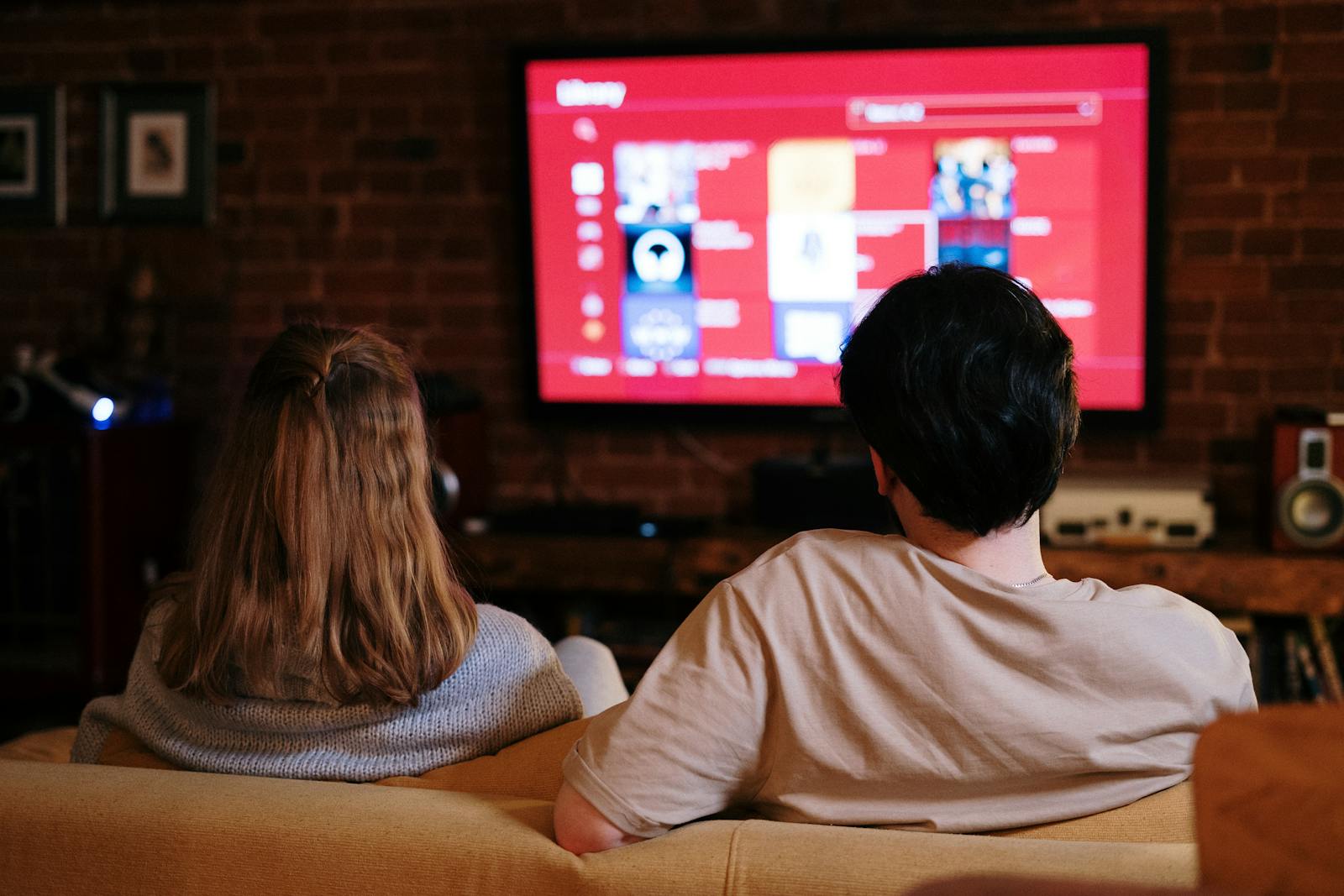
Binge-watching TV shows
You may tell yourself one more episode, then suddenly hours have passed. That pattern can interrupt sleep, work, and social plans without obvious immediate consequences.
Binge-watching gives quick emotional payoff and intense story immersion, which can make stopping hard. If it starts replacing other priorities or leaves you feeling empty after a series ends, consider small limits like episode caps or timed breaks.
Learn more about psychological effects and when viewing becomes problematic at this review of motives and binge-watching behavior (https://pmc.ncbi.nlm.nih.gov/articles/PMC7797362/).
Comfort eating snacks
When stress hits, you might reach for crunchy chips or a chocolate bar without thinking. Those snacks give quick relief but often leave you feeling tired or guilty later.
Notice patterns: are certain moods or times of day pushing you toward the pantry? Try swapping to a satisfying but less processed option, or keep a small portion already measured so you stay in control.
Learn what triggers you and plan alternatives like a short walk or calling a friend when the urge starts.
Online shopping sprees
You might reflexively browse and buy when stressed or bored, then feel regret later. Online carts and flash sales make impulse purchases easy and fast.
Notice patterns like secret packages, unused items piling up, or rising credit card balances. If shopping feels like a quick mood lift you chase repeatedly, it could be more than a habit.
Try simple limits: unsubscribe from promo emails, remove saved cards, and set a 48-hour rule before buying nonessentials. Small barriers reduce impulsive clicks and give you control back.
Overusing caffeine
You might rely on coffee to get through the day and not notice tolerance creeping in. Regular high intake can cause withdrawal, sleep disruption, and jittery anxiety.
If you need caffeine to feel “normal,” that dependence can affect mood and focus. Check your total intake—400 mg per day is a common adult guideline—and consider cutting back slowly to avoid strong withdrawal.
Excessive video gaming
You might tell yourself one more match, but hours pass and obligations slide. Gaming can hijack sleep, school, and work when it becomes hard to stop.
Look for lost interest in other activities, cranky withdrawal when you can’t play, or gaming that harms relationships. Treatment options and guidance exist; read about clinical perspectives on problematic gaming at the American Psychological Association.
Obsessive tidying or cleaning
You may tell yourself you just like order, but cleaning that consumes hours or feels mandatory can be a warning sign.
If you clean to ease intrusive worries or avoid imagined contamination, that behavior can function like a hidden compulsion.
This habit often ramps up under stress and leaves you exhausted rather than relieved.
If it interferes with work, relationships, or sleep, consider talking with a clinician who treats obsessive-compulsive behaviors, such as those described by Healthline on OCD and cleaning.
Nonstop news consumption
You may scroll for updates to feel in control, but constant headlines can heighten anxiety and cloud judgment. Research shows heavy news use can rewire stress responses and impair decision-making, especially for young professionals (see reporting on how doomscrolling rewires your brain).
When you chase every alert, sleep and focus often suffer. Try scheduling short, intentional check-ins instead of staying tethered to your feed.
Endless chatting or texting
You might check messages reflexively, even when nothing urgent is waiting. That constant reach for replies can eat into work, sleep, and real-world time.
You may use chatting to soothe boredom or anxiety, which can turn into a loop of seeking quick validation. If texts shape your mood or decisions, consider pausing notifications and setting small limits.
Overplanning daily schedules
You may fill every hour to feel safe, but constant scheduling can hide avoidance.
When planning replaces doing, tasks never reach completion and your stress can quietly grow.
Try short, timed experiments to break the loop and prove you can handle imperfect outcomes.
If planning feels compulsive, reading about how overplanning leads to paralysis can help you notice the pattern: https://annadkornick.com/overplanning-and-analysis-paralysis
Frequent gambling on casual games
You may play free or low-stakes mobile games and not notice how often you tap to spin, bet, or open loot boxes. Those repeated, reward-driven actions can mirror gambling patterns and nudge you toward chasing small wins.
If you start spending more time or money to recoup losses, that’s a red flag. Research on gambling disorder shows that these behaviors can hijack reward circuits and become compulsive, especially with features that celebrate near-wins and trigger excitement (https://www.health.harvard.edu/blog/is-online-gambling-harming-you-202310022978).
Habitual nail biting
You might tell yourself it’s just a nervous tic, but chronic nail biting (onychophagia) can be a sign of a body-focused repetitive behavior linked to anxiety or OCD. It damages nails, skin, and teeth and can increase infection risk.
Try simple defenses like keeping nails trimmed, using bitter polish, or wearing a fidget object to occupy your hands. If it feels uncontrollable or causes shame, consider talking with a clinician who understands nail biting as more than just a habit.
More from Cultivated Comfort:
- 7 Vintage Home Items From the ’60s That Are Collectors’ Dream Finds
- 7 Vintage Home Goods That Became Collectors’ Gold
- 7 Fast-Food Chains That Changed for the Worse
- 7 Frozen Dinners That Were Better Back in the Day

As a mom of three busy boys, I know how chaotic life can get — but I’ve learned that it’s possible to create a beautiful, cozy home even with kids running around. That’s why I started Cultivated Comfort — to share practical tips, simple systems, and a little encouragement for parents like me who want to make their home feel warm, inviting, and effortlessly stylish. Whether it’s managing toy chaos, streamlining everyday routines, or finding little moments of calm, I’m here to help you simplify your space and create a sense of comfort.
But home is just part of the story. I’m also passionate about seeing the world and creating beautiful meals to share with the people I love. Through Cultivated Comfort, I share my journey of balancing motherhood with building a home that feels rich and peaceful — and finding joy in exploring new places and flavors along the way.